
Ukraine's war in 2025: a year of resilience amid escalating challenges
Yet another year for the war

As we approach the year 2026, we would like to reflect on Ukraine throughout 2025 amid the ongoing Russian war. Review the highlights, assess the risks, and try to visualize what the new year might bring.
Territorial losses and gains
In 2025, Ukraine experienced net territorial losses as Russian forces advanced steadily, capturing over 6,640 square kilometers throughout the year, with an average daily gain of 14.4 square kilometers.

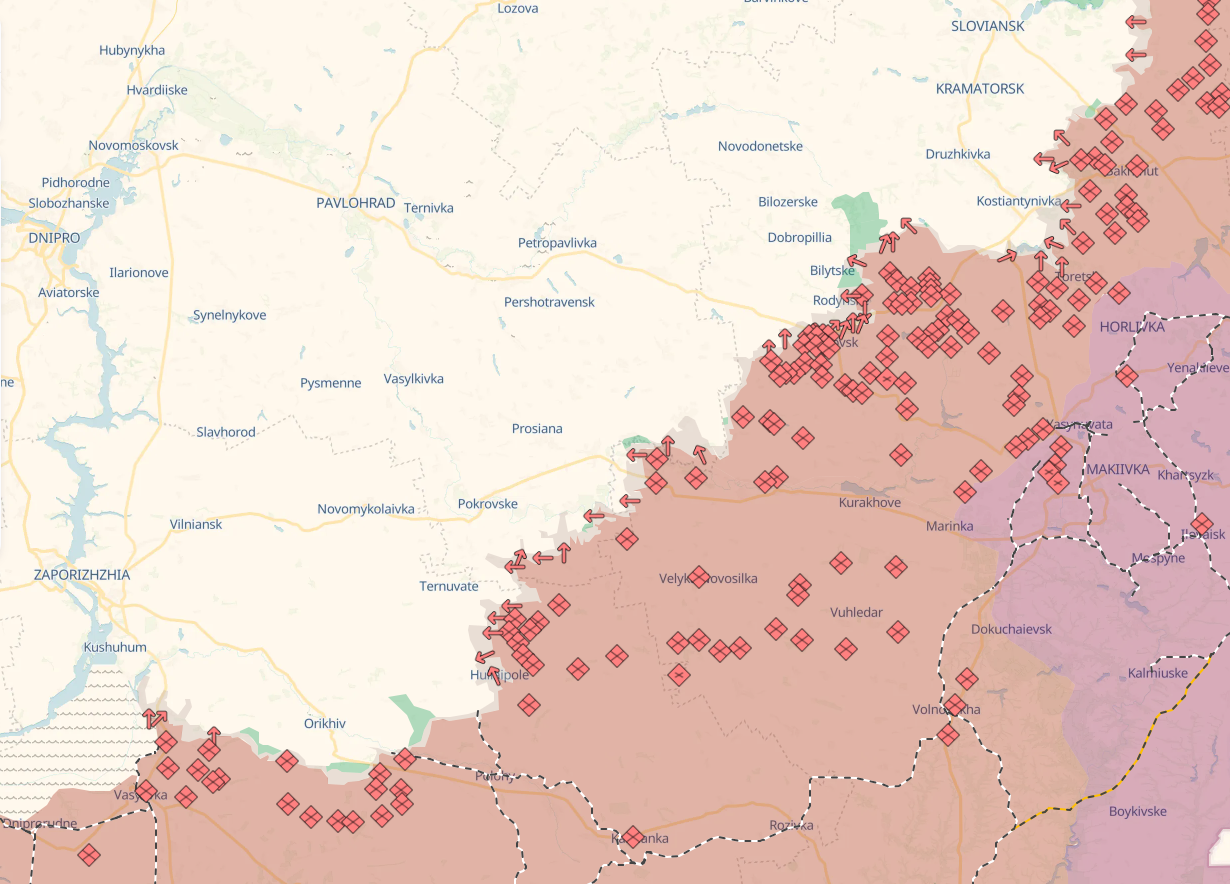
Key areas like Donetsk experienced incremental Russian progress, including settlements in the Pokrovsk direction, while Ukraine's defenses held in places like the "fortress belt" cities of Kostiantynivka, Druzhkivka, Kramatorsk, and Sloviansk. No significant territorial regains were reported for Ukraine, with the total Russian-occupied land reaching approximately 19.2% of Ukrainian territory by year's end, underscoring the ongoing attritional nature of the conflict.
Deported and abducted Ukrainian children
The Bring Kids Back UA initiative, launched by President Volodymyr Zelenskyy, continues to make steady progress in repatriating Ukrainian children forcibly deported or displaced by Russia. As of late December 2025, Ukraine has successfully returned another group of children and teenagers from occupied territories and Russia, including cases of minors facing threats of forced mobilization or separation from families. Recent operations in December brought back 11 children on December 22 and additional groups shortly after, adding to the momentum.
Overall in 2025, hundreds of children have been reunited with their families through coordinated efforts involving NGOs like Save Ukraine and international partners. The total number of returned children since the initiative began now exceeds 1,900, though tens of thousands remain in Russian custody or occupied areas, often subjected to re-education programs. The initiative focuses not only on returns but also on reintegration support, including psychological care for trauma.
Russian attacks on civilians and the power grid
Russian attacks on Ukraine in 2025 inflicted severe civilian suffering, with over 2,500 civilians killed and thousands more injured amid intensified strikes on populated areas and critical infrastructure. Notable incidents included a February 1 missile strike on a residential building in Poltava that killed 15 people and injured dozens, an April drone attack on a playground in Kryvy Rih that claimed the lives of several children and bystanders, and a late November ballistic missile hit on an apartment complex in Ternopil that destroyed multiple floors and resulted in 38 fatalities. These assaults, along with repeated barrages on cities like Kyiv and Odesa, underscored Russia's strategy of targeting non-combatants to demoralize the population.
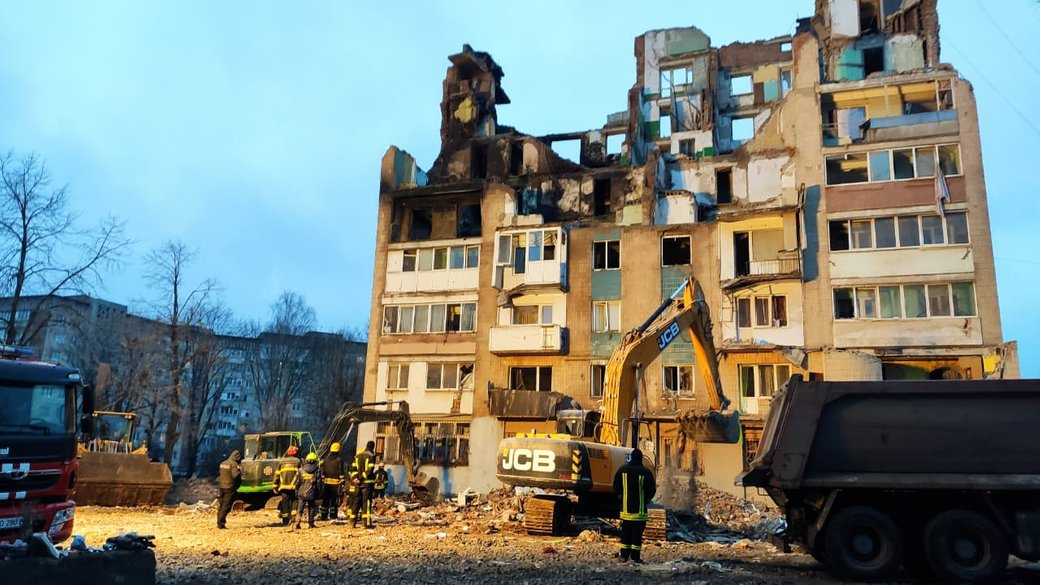
Attacks on energy infrastructure were particularly devastating, destroying or damaging dozens of power plants and substations, leading to a power grid operating at only 50-60% capacity during peak winter demand and causing widespread blackouts affecting millions.
Civilian losses for the year totaled around 5,000 casualties from missile and drone strikes alone, with the UN documenting surges in summer months like July's 286 deaths. This relentless campaign not only exacerbated humanitarian crises but also strained Ukraine's resilience, as emergency services struggled to respond amid ongoing threats.
Ukraine strikes back
Ukraine conducted several bold special operations against Russia in 2025, including Operation Spiderweb on June 1, where the SBU used 117 drones to target Russian airfields far from the front lines, showcasing advanced drone warfare capabilities.
Additionally, Ukrainian forces launched repeated attacks on Russian refineries and oil infrastructure, with notable strikes in October hitting facilities in Perm Krai and Nizhny Novgorod, disrupting fuel supplies and causing fires at multiple sites. These operations aimed to weaken Russia's economic and military backend, turning the tide by bringing the war to Russian soil.
Demographic situation
Ukraine's demographic situation deteriorated further in 2025 due to the war's impact, with population losses from deaths, displacement, and low fertility rates exacerbating a pre-existing crisis. A significant factor was the government's decision to temporarily allow men aged 18–22 to leave the country, which led to a notable exodus of young workers and students, prompting workforce shortages in key sectors like IT, manufacturing, and services, while straining businesses reliant on this demographic. Over 3.7 million remained internally displaced, while 6.9 million had fled abroad, leading to a shrinking workforce and aging society.
This policy also drew criticism from host countries, including Germany, which expressed concerns over the sudden influx of newcomers and its implications for integration and resources. Key threats include long-term economic instability, reduced sovereignty from depopulation, and challenges in rebuilding, with forecasts predicting a drop to 24–26 million by 2050 if trends continue.
Peace talks
Peace deal progress in 2025 saw tentative steps forward, with U.S. President Trump facilitating talks between Ukraine and Russia, culminating in a December meeting where a revised Ukrainian peace plan reached about 90% agreement on security guarantees. However, key issues like occupied territories and NATO expansion remain unresolved, with Russia rejecting European proposals and demanding concessions beyond Ukraine.
Expectations for 2026 include continued diplomacy and potential multi-party summits, but a lasting deal seems distant amid ongoing military pressure and mismatched demands, though there's cautious optimism for a ceasefire if territorial compromises can be bridged.