
Ukraine and Hungary: Tough Coexistence
The Ukrainian-Hungarian relationship reached the boiling point while Hungary might change its leader.

On Sunday, April 12, Hungarians will head to the polls. This election could change the long-standing administration of Viktor Orban, who has been in power since 2010. When combined with his first term (1998–2002), he has led the government for more than 20 years. Orban and his Fidesz party hold a majority in parliament.
In 2022-2023, the ground shifted beneath Orban's feet. Amid the declining popularity of his Fidesz party, economic pressure, and increased control from the EU, mass protests gained momentum in Hungary. As a result, the regime's stability has been weakened, in part due to its reliance on inexpensive Russian energy resources.
The political landscape was rattled with the emergence of a powerful new player, Péter Magyar, in February 2024, who has directly challenged Orbán’s long-standing dominance. By the spring of 2025, large-scale protests had taken place in Budapest, drawing tens of thousands of participants and demonstrating the Hungarian people’s weariness with Orban's regime.
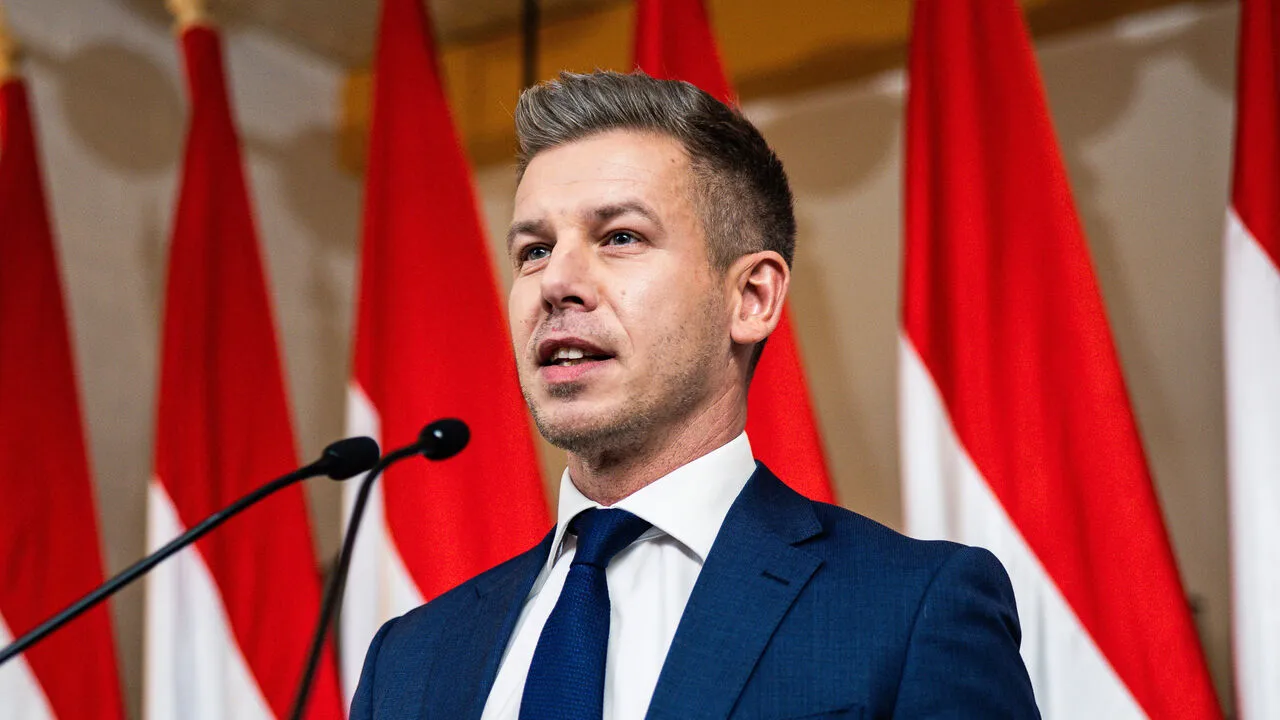
With the emergence of Peter Magyar as the direct threat, Orban began to lean even more heavily on support from the Kremlin and Vladimir Putin, with whom he has long maintained a controversial alliance.
The shift towards Moscow couldn't help but have an impact on the relationship with Ukraine, amid its ongoing war with Russia, a relationship that, historically speaking, was far from straightforward.
The tensions
The tensions between Ukraine and Hungary trace back to historical frictions over the Hungarian minority in Ukraine’s Zakarpattia (Transcarpathia). The Zakarpattia region, which was part of the Kingdom of Hungary for centuries until the end of World War I, is home to a significant ethnic Hungarian minority. These tensions, which simmered for years over language laws and dual citizenship issues, intensified from 2011 to 2014 when Viktor Orbán and his party came to power. Mass issuance of Hungarian passports to residents of Transcarpathia under a simplified procedure began on January 1, 2011.
2017 became a turning point when tensions escalated into an open diplomatic conflict following Ukraine’s adoption of the Law on Education. Hungary deemed the law discriminatory toward the Hungarian minority due to cuts in mother-tongue instruction in upper grades and began blocking meetings of the Ukraine–NATO Commission. In 2018, the relationship reached a critical juncture when a video surfaced from the Hungarian consulate in Beregovo, located in the Zakarpattia region. In the video, Ukrainians were seen taking an oath of allegiance to Hungary and were advised to conceal this information from Ukrainian authorities. At the end of 2025, officials and experts estimated that Hungary had issued more than 200,000 passports to Ukrainian citizens.
The issuance of Hungarian passports in the Zakarpattia region is a complicated geopolitical issue. For Budapest, this is a means of "soft power" and support for the Hungarian ethnic population, reinforcing the cultural ties of the region with its historical homeland. For a long time, Kyiv saw this as a hidden threat to sovereignty: the creation of an enclave loyal to another state evokes direct associations with technologies that preceded Ukraine’s territorial losses in other regions.
After the Russian full-scale invasion, the situation has worsened as Hungary, under Prime Minister Viktor Orban quickly positioned itself as the most Russia-friendly voice within the EU and NATO, repeatedly obstructing collective Western support for Kyiv while maintaining close personal and economic ties with Moscow.
Disputes over the Hungarian minority rights quickly transformed into broader geopolitical tensions where the energy sector and EU decision-making became the main battlegrounds. By 2025-2026, the bilateral relationship morped into an open confrontation.
Ones of the most consistent and damaging rifts were Orban's numerous attempts to block the essential EU financial aid to Ukraine. Starting in late 2023, Orbán vetoed a landmark €50 billion macro-financial aid package, using it as leverage to extract concessions on minority issues and Hungarian business interests. Similar obstruction continued throughout 2024 and intensified in 2025–2026, with Budapest delaying or blocking multiple tranches of military and reconstruction support, including a critical €90 billion EU loan in early 2026.
Long before the invasion, the Hungarian leader cultivated warm relations with the Kremlin, securing favorable long-term energy deals. He has repeatedly demonstrated political loyalty and personal affinity for Vladimir Putin, labeling him a strong leader and cultivating 'special relations' that frequently run counter to the official positions of the EU and NATO. Each of Orban's vetoes served Putin's aggressions and his attempts to turn the tide of the already protracted war in his favor. Thus, Hungary has become a staunch ally of the Kremlin within the EU and NATO—organizations that stand in direct opposition to the Kremlin itself.
The Druzhba Pipeline: A Diplomatic Catharsis
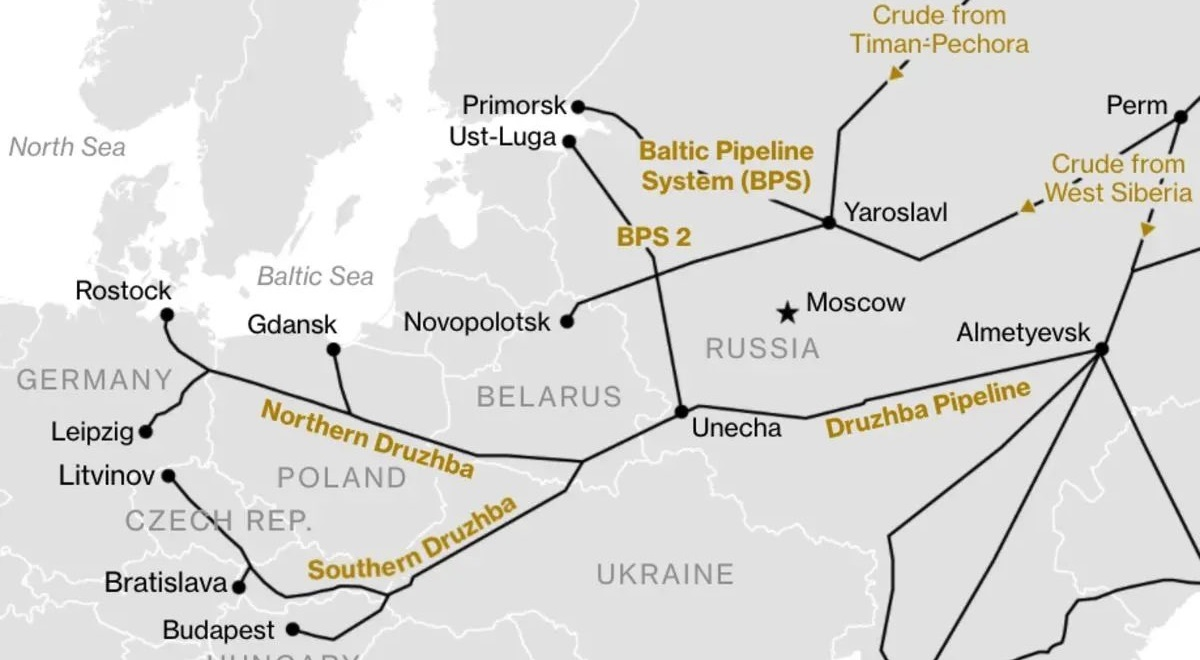
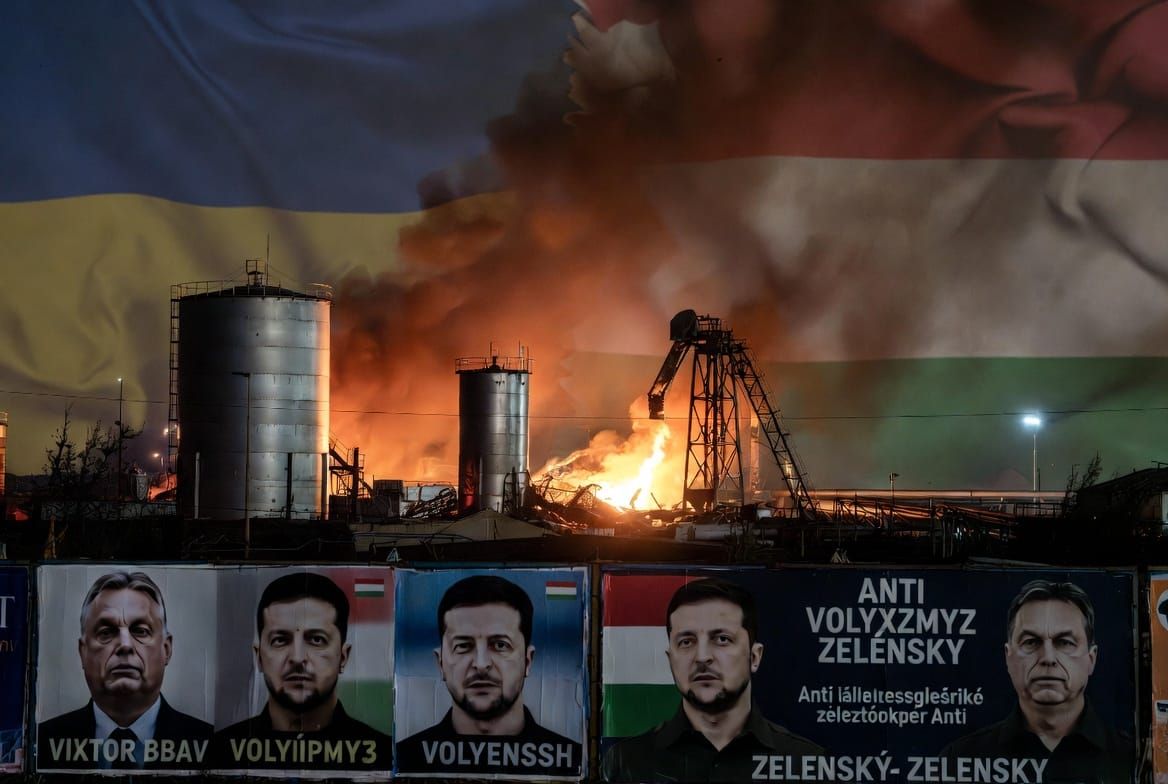
The destruction of the Druzhba pipeline in late January 2026 became the catharsis and dramatic climax of these accumulated tensions. A Russian drone strike severely damaged the Brody pumping station in western Ukraine, halting the flow of Russian crude through Ukrainian territory to Hungarian and Slovak refineries. What should have been treated as another act of Russian aggression quickly turned into a bitter bilateral blame game. Ukraine cited ongoing Russian attacks as the reason repairs would take weeks or months, while Orban accused Kyiv of deliberately imposing an “oil blockade” for political revenge. In the wake of the incident, Orban resorted to direct confrontations with Ukrainian President Volodymyr Zelensky that extended far beyond normal diplomatic frames — he ordered the distribution of posters and billboards across Hungary mocking Zelensky and portraying him as responsible for Hungarian energy suffering. The incident exposed the fragility of shared energy infrastructure and pushed the already-strained relationship to a breaking point.
In the fallout from the pipeline crisis, Viktor Orban furiously blamed Ukraine for blocking the oil supplies to Hungary, framing Kyiv as an aggressor for fuel shortages impacting Hungarian citizens. He turned to threats to halt gas supplies to Ukraine, seizures of Ukrainian assets, and continued blocking of EU funds. While the pipeline damage was clearly caused by Russian strikes, the coordinated rhetoric and timing have fueled speculation that the episode serves as a joint pressure tool — allowing Putin to disrupt supplies while Orban leverages the resulting crisis to extract political concessions from both Ukraine and the EU.
This tough coexistence is based on mutual distrust and energy weaponization resilience of European unity as Hungary heads into parliamentary elections this Sunday.
Pеter Magyar’s Tisza Party is now outpacing Fidesz, led by Orban, in nearly all independent surveys, averaging 38% against Fidesz’s 30%. The party has successfully consolidated support from both disillusioned conservatives and the liberal youth.