


Russian ballistic missiles targeted Kyiv overnight as air defenses intercepted all incoming missiles
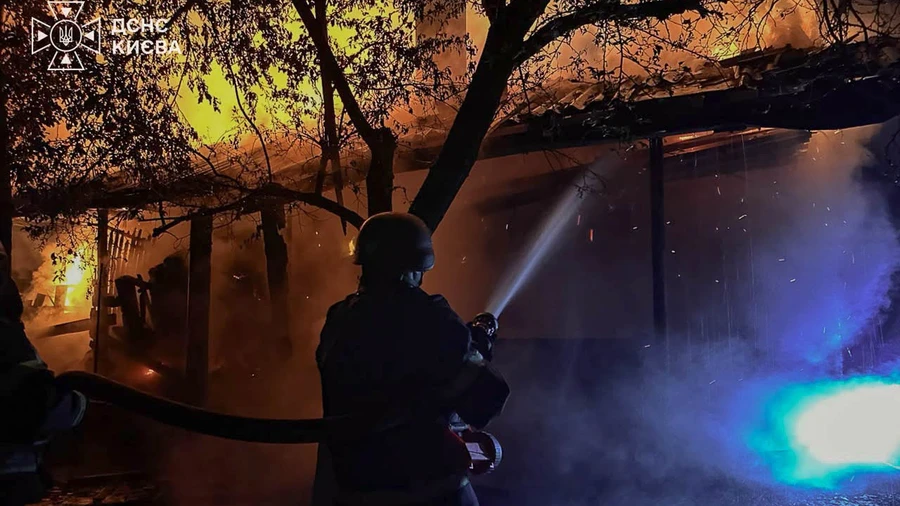
On the night of September 28–29, Russian forces launched a combined attack on Kyiv that included ballistic missiles. According to Ukraine’s Air Force, the assault involved two Iskander-M/S-400 ballistic missiles, one Zircon/Onyx anti-ship missile, and 152 Shahed-type attack drones, of which 82 were jet-powered.
Ukrainian air defenses successfully neutralized all of the missiles and shot down or suppressed 106 of the drones. Despite the intercepts, falling debris and residual impacts caused damage across several districts of the capital.
In the Holosiivskyi district, a drone or debris struck a six-story residential building, injuring one person. In the Solomianskyi district, two private homes were damaged, and fires broke out at an administrative building and an educational institution. Additional debris fell in residential courtyards, and a non-residential building caught fire in another central area.
The overnight ballistic missile attack came hours after a day of intense Russian strikes on September 28 that had already killed two people and injured more than two dozen in Kyiv, including a strike on the National Academy of Sciences building. Emergency services continued working through the night and morning to extinguish fires and assess structural damage.
The latest assault forms part of a sustained Russian campaign of day-and-night attacks on the Ukrainian capital using both ballistic missiles and faster jet-powered drones, placing continued pressure on Ukraine’s air defense systems ahead of winter.
Putin signs latest decree increasing Russian military staff in wake of monster military budget and looming mobilization
Russian President Vladimir Putin has signed a decree raising the authorized personnel of Russia’s armed forces to 2,441,630, Russian state media reported Sept. 28, citing the official state legal acts website.
The decree increases the total by about 15,500 compared with the previous figure set in July and marks the fourth increase this year. The new ceiling includes 1,550,500 active-duty service members.
The move comes as Russia prepares a record military budget for 2027. Moscow is expected to spend 17.1 trillion rubles ($202.6 billion) on defense next year, about 27% more than previously planned, according to Reuters.
Russia continues to recruit tens of thousands of contract soldiers, although recruitment has reportedly slowed as battlefield gains have diminished. Ukrainian President Volodymyr Zelensky said September 28 that Russia had already begun additional mobilization. “In fact, the Russians have already begun additional mobilization – they are increasing the number of people they are recruiting using various methods,” he said.
Two killed in Russian guided bomb strikes on school and residential area in Sumy
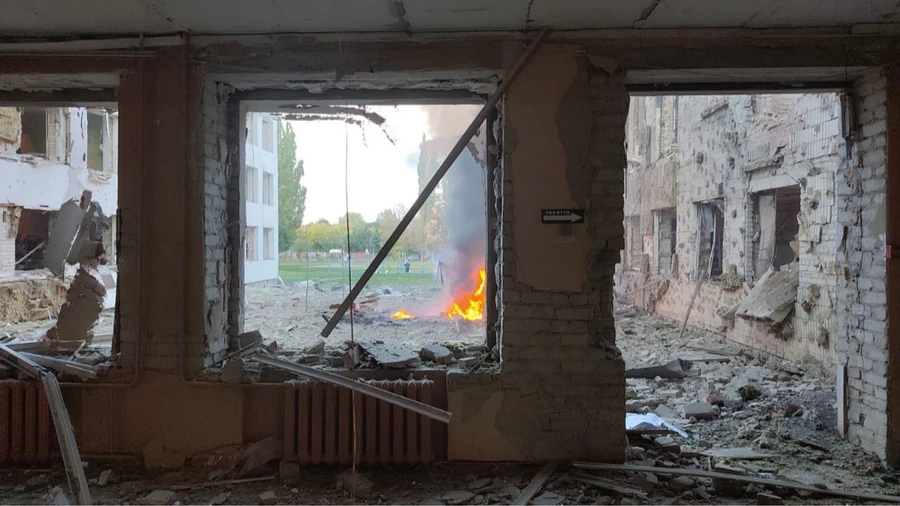
Russian forces attacked the Ukrainian city of Sumy with four guided aerial bombs, killing two people and damaging civilian infrastructure, local officials said.
One of the bombs struck a school while about 40 students were attending classes. The children were sheltering in a designated shelter at the time and were later evacuated. Three children were among those who sought medical assistance following the attack.
“The Russians have struck civilian infrastructure in the city with four guided aerial bombs. Two people have been killed. They were in their homes in a residential area,” the official said.
“The enemy also struck a school. The children were in a shelter when the attack occurred.”
Trump backs strategy to ease Russia sanctions in exchange for release of political prisoners
U.S. President Donald Trump’s special envoy John Coale has proposed a new approach to Russia that would seek the release of political prisoners in exchange for easing sanctions and gradually restoring economic ties with Moscow, The Atlantic reported.
The proposal is based on a strategy Coale tested in Belarus, where the release of hundreds of political prisoners was followed by U.S. sanctions relief and talks over potential purchases of Belarusian potash. Coale now wants to apply a similar model to Russia, with the Trump administration also considering major business deals as part of its broader effort to end the war in Ukraine.
The U.S. is separately seeking a limited ceasefire covering attacks on energy infrastructure and shipping in the Black Sea. Russia has continued its attacks on Ukraine, however, and Ukrainian officials do not expect substantive peace talks in the near term. Critics of Coale’s approach warn that trading prisoner releases for sanctions relief could create incentives for authoritarian governments to detain people as bargaining chips.
The White House nominated Coale on Monday to serve as special presidential envoy for hostage affairs with the rank of ambassador, a position requiring Senate confirmation. Asked about his mission, a White House official said Trump and his team remain committed to helping end the war and are optimistic that a peace deal can ultimately be reached. Coale is expected to coordinate his efforts with Steve Witkoff, Trump’s main point of contact with Moscow.