


Russia continues hellish daytime drone attacks on Kyiv
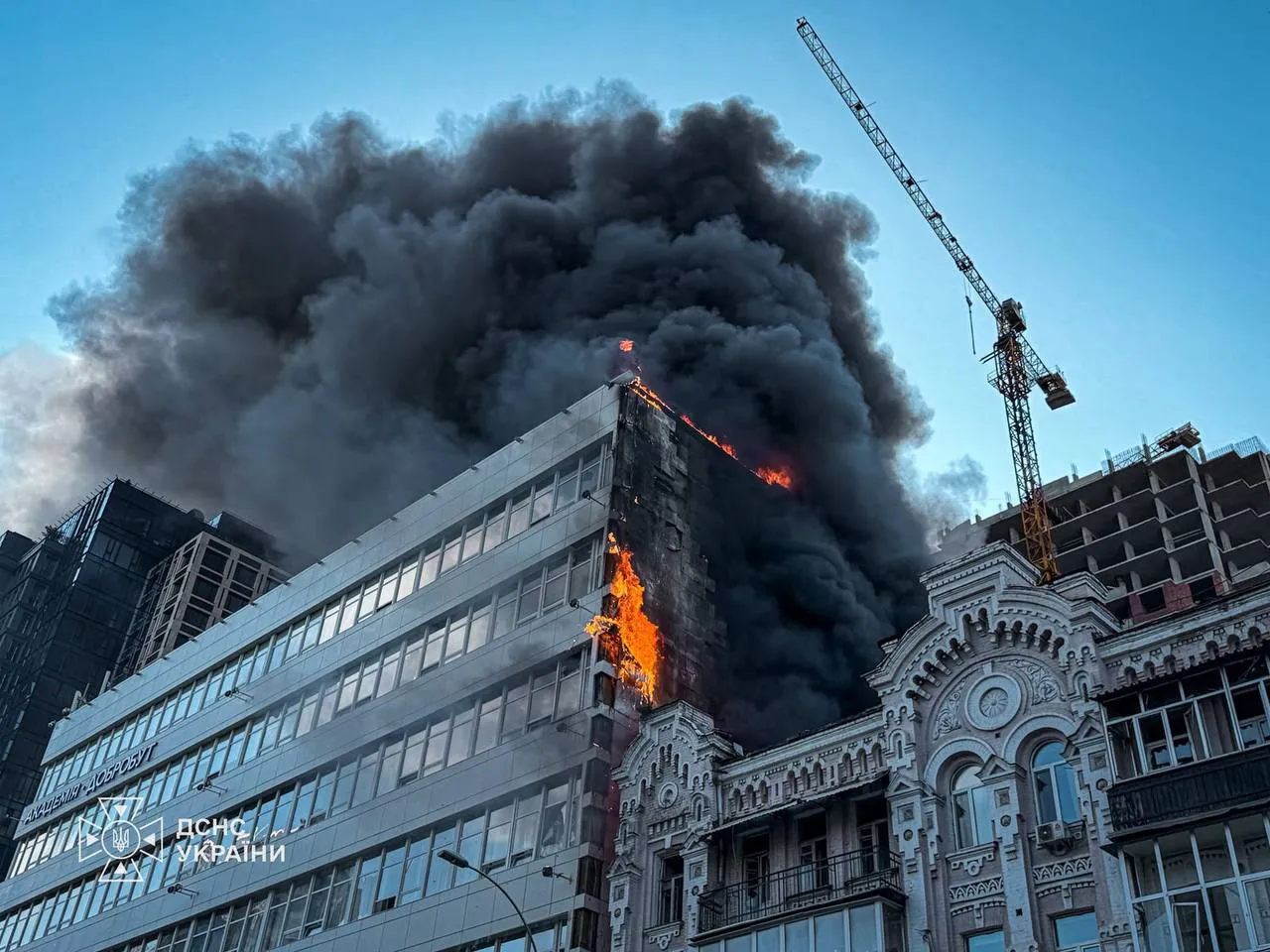
On September 28, Russian forces continue to carry out sustained daytime drone attacks on Kyiv, targeting both cultural and commercial sites in the city center and surrounding districts. One of the most prominent strikes hit the building of the National Academy of Sciences of Ukraine in a central area. The drone impact caused a significant fire on the upper floors, with smoke rising over the historic part of the capital. Emergency crews conducted a rescue operation as some people climbed out of windows to escape the blaze. At least one woman was killed at the site, and several others were injured.
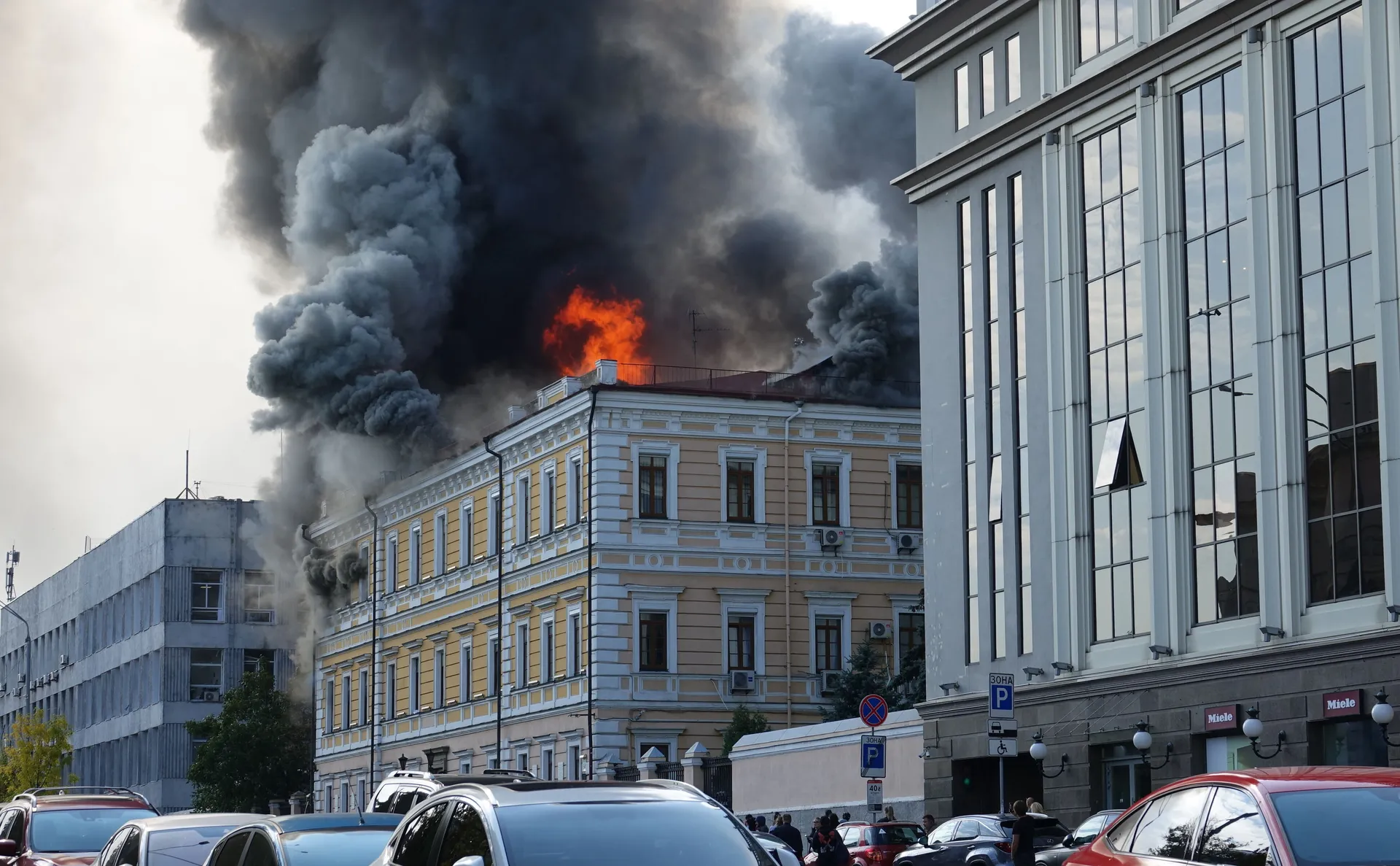
People are climbing out of windows to escape the flames following the Russian Federation's attack on the building of the National Academy of Sciences of Ukraine in Kyiv
The same day saw additional drone strikes on other non-residential and commercial facilities. Russian drones damaged a pharmaceutical company and multiple gas stations across the city. A medical facility was also hit, resulting in a fire, while office buildings and business centers in various districts sustained damage from direct impacts or falling debris. Fires broke out at several locations, including warehouses and administrative structures, forcing emergency services to respond simultaneously in multiple parts of Kyiv.
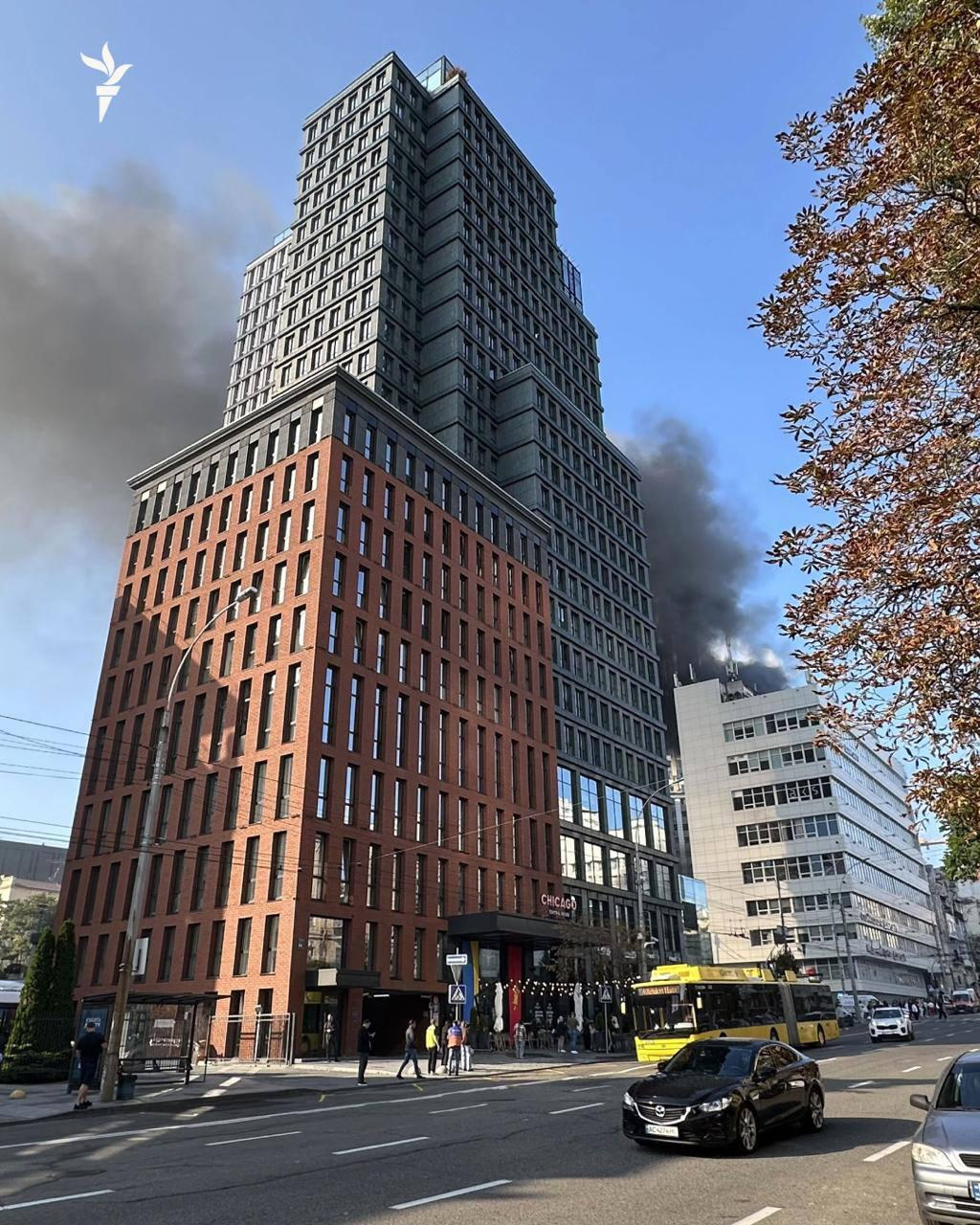
These daytime attacks formed part of a continuous bombardment that kept the capital under prolonged air-raid alerts. Smoke was visible across central districts as air defenses engaged incoming drones. Officials reported that the strikes injured nearly 20 people citywide, with some requiring hospitalization, including children among the wounded. The targeting of scientific, medical, and commercial infrastructure continued a pattern of recent assaults aimed at disrupting daily life and critical services in the Ukrainian capital.
Russian glide bombs hit a residential building in Kharkiv, injuring 22, including 8 children
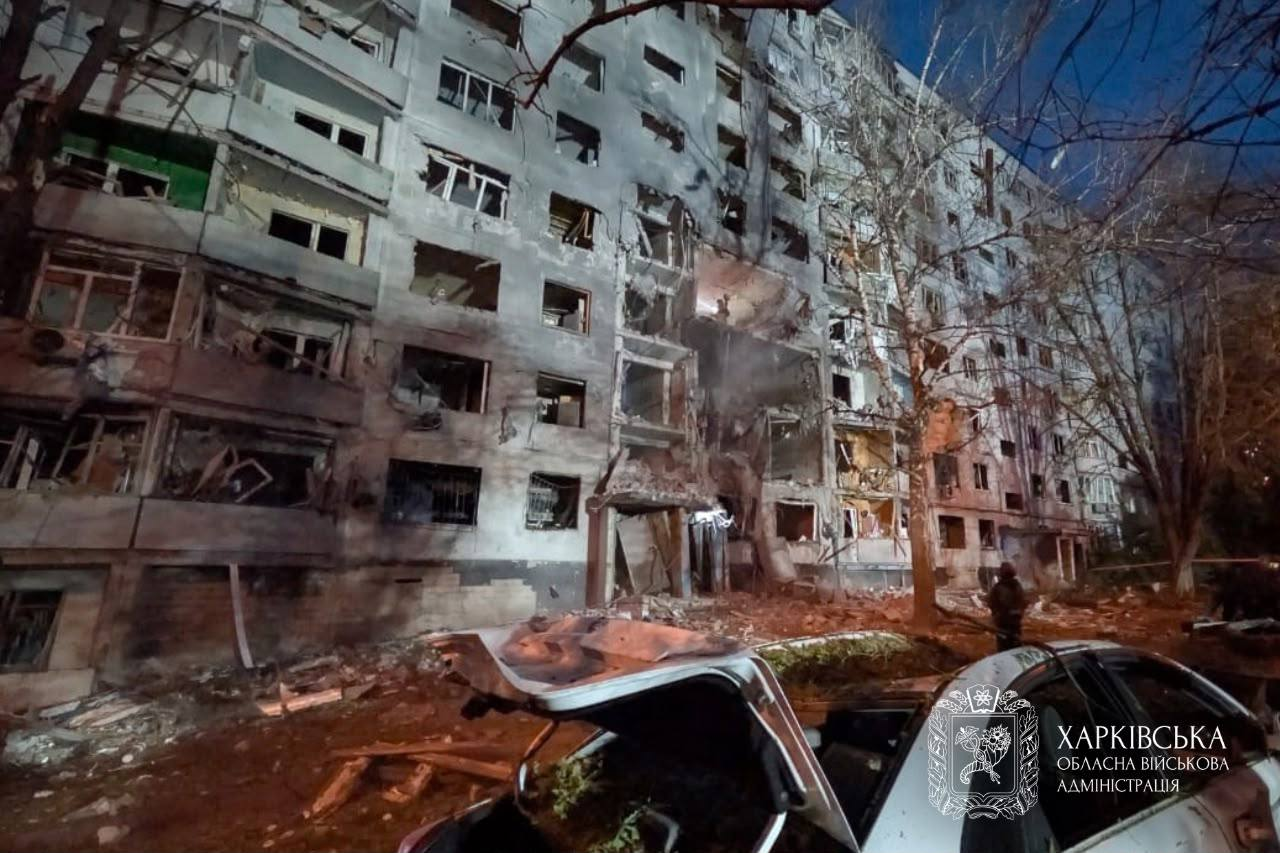
On the night of September 27–28, 2026, Russian forces attacked Kharkiv with glide bombs bombs (KABs). One of the munitions struck a multi-story residential building in the city’s Saltivskyi district.
The bomb hit the second floor of a nine-story apartment block, causing structural damage and partial destruction to the second and third floors. Several other residential buildings in the Saltivskyi and Kyivskyi districts were also damaged in the same wave of strikes.
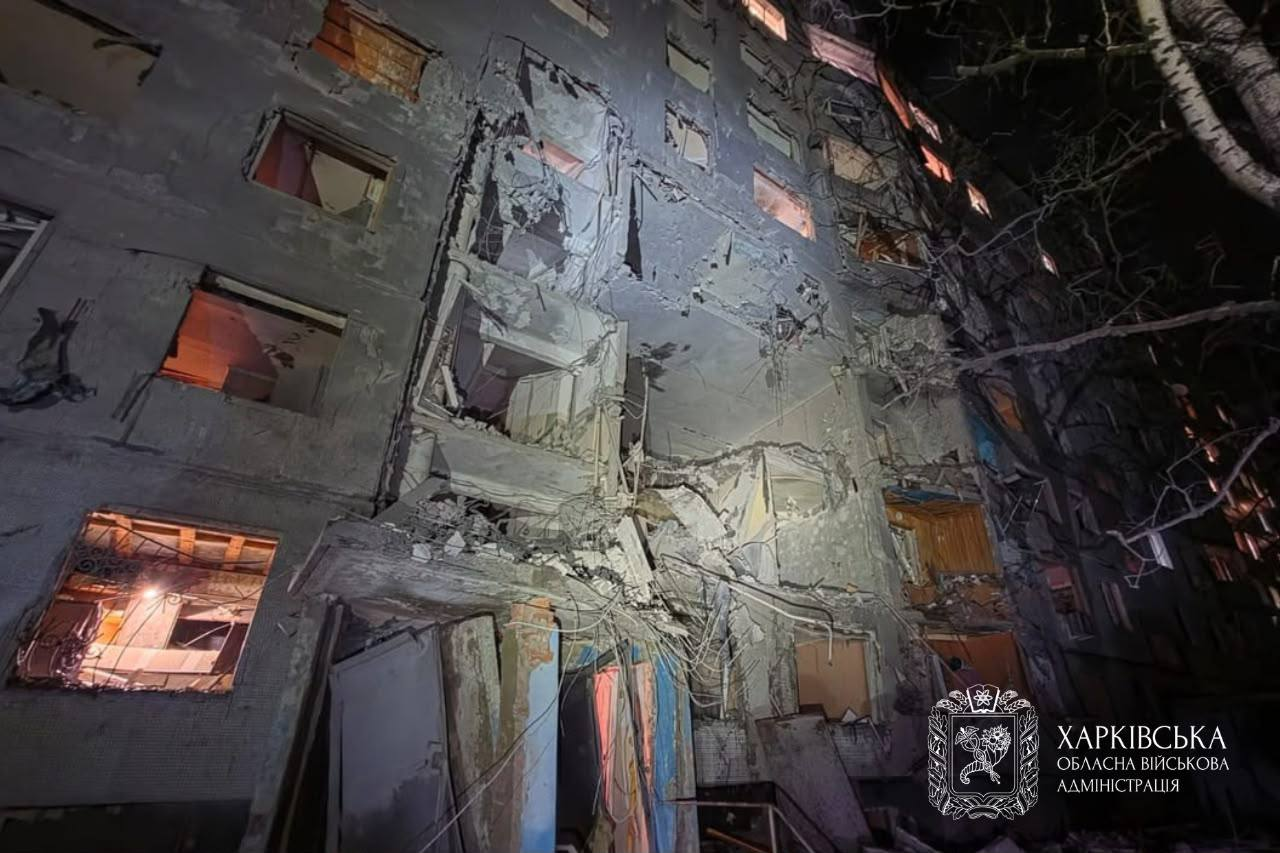
According to local authorities, 22 people were injured in the attack, including eight children. Two boys — aged 8 and 12 — were hospitalized. Six other children (ages ranging from 3 to 15) received medical assistance at the scene. Emergency services evacuated dozens of residents from the damaged building. No fatalities were reported in the initial confirmed updates matching these figures, though the injury toll rose in later reports as more people sought medical help.
Rescue and recovery operations continued through the morning, with emergency crews, medics, and volunteers working at the site. The attack formed part of ongoing Russian aerial strikes on civilian areas in Kharkiv using guided bombs launched from aircraft.
Putin aims to force Ukrainian capitulation by spring 2027
According to an assessment by the Institute for the Study of War (ISW), Russian President Vladimir Putin is seeking to compel Ukraine to surrender before spring 2027. The strategy centers on intensifying a campaign of large-scale long-range strikes this winter while Russia still has the necessary resources.
ISW analysts note that the current Russian approach relies heavily on jet-powered drones, Ukraine’s shortage of Patriot interceptor missiles, and the vulnerability of Ukrainian energy systems and other critical infrastructure. Moscow plans to accelerate these massive aerial attacks during the colder months in an effort to break Ukraine’s resilience.
The campaign is costly for Russia and cannot be sustained indefinitely. Putin appears to be calculating that Ukraine will not withstand the pressure this winter and will be forced to capitulate. As long as the Kremlin believes this strategy remains viable, it is unlikely to make meaningful concessions or engage in serious negotiations for a ceasefire.