


Russian drone strikes relentlessly targeted Kyiv, resulting in 2 deaths and 43 injuries
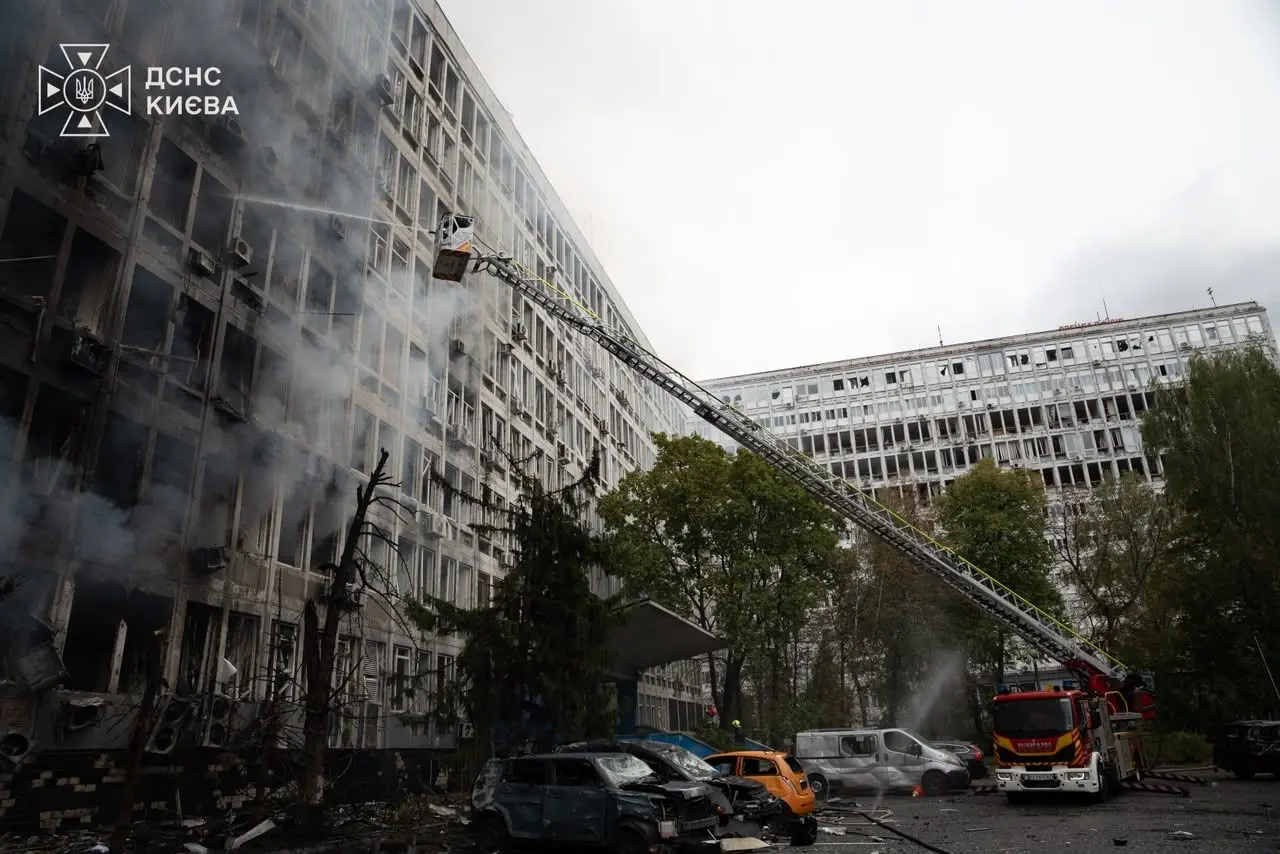
Russian drones struck Kyiv in the early hours of September 23, injuring at least three people who required hospitalization and causing damage to gas stations, warehouses, and transportation infrastructure across the capital.
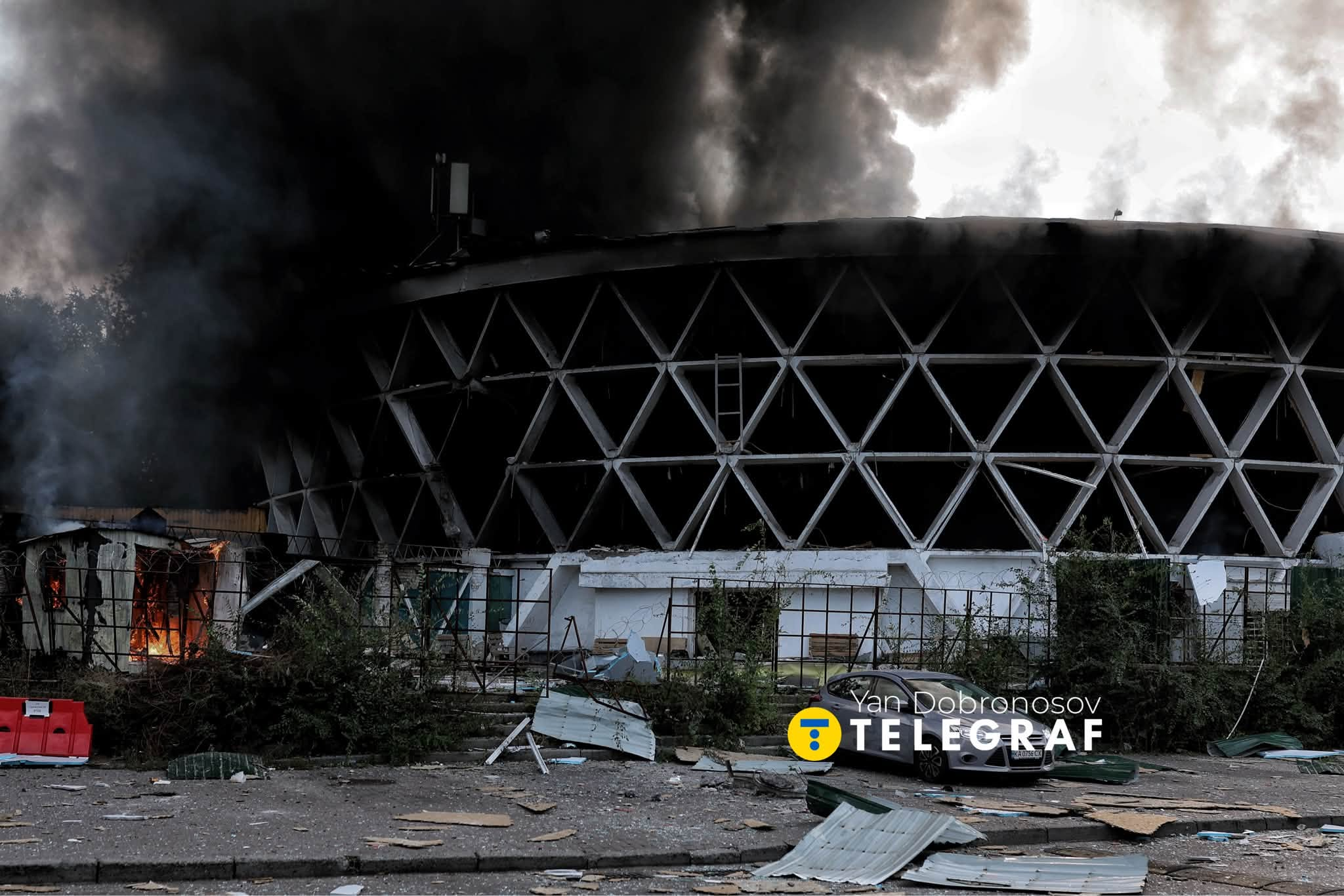
Debris from intercepted or incoming drones fell in a densely populated residential area, where a fire broke out near a transportation company facility. Separate strikes hit a gas station and warehouses in another section of the city. Emergency services responded as smoke rose over multiple sites, though the full extent of the damage remained under assessment throughout the morning. The attack unfolded in waves, consistent with Russia’s recent tactic of prolonged, multi-hour drone assaults that keep air-raid alerts active and force residents into shelters for extended periods.
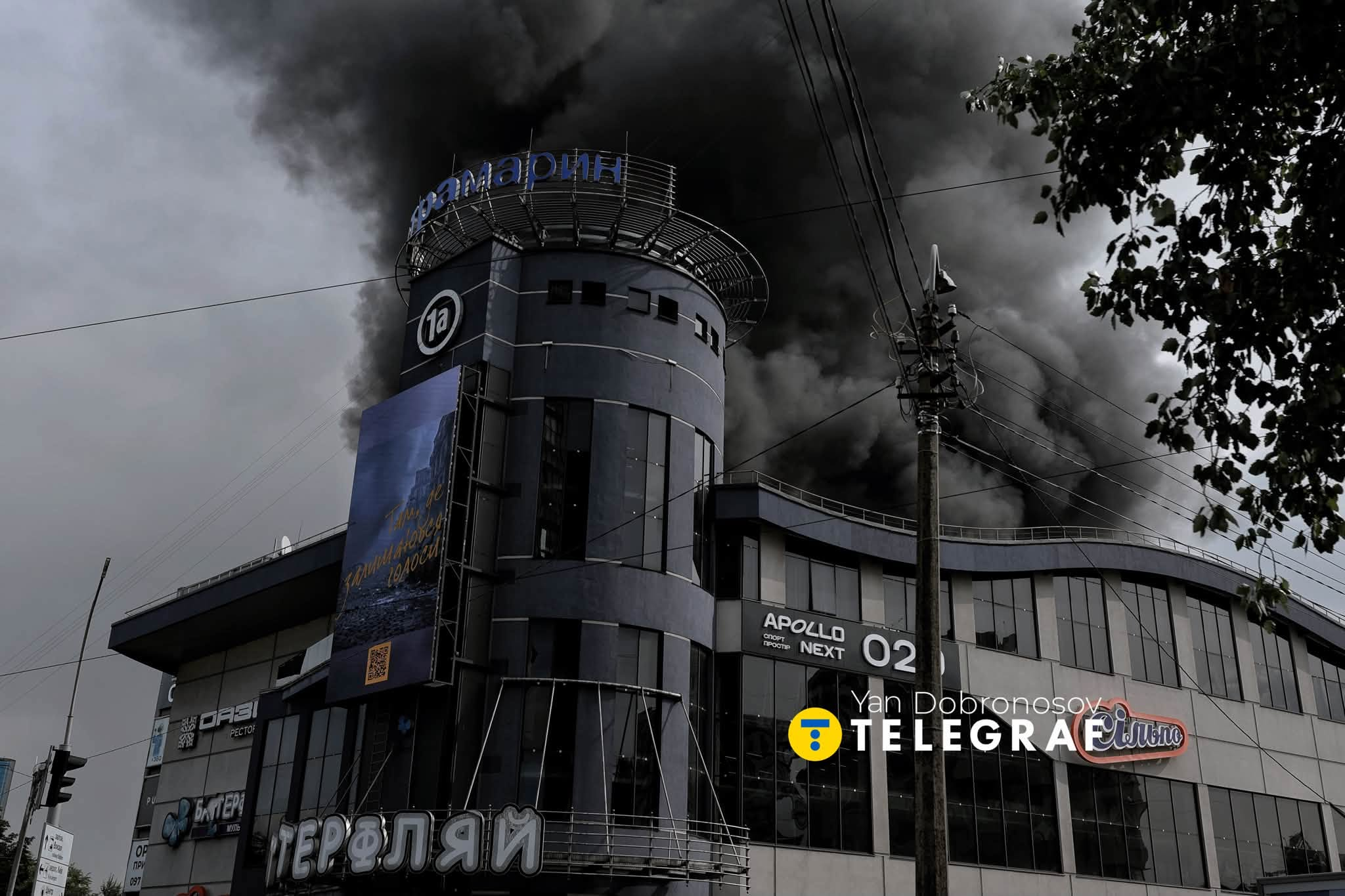
The strikes came on the same day President Volodymyr Zelensky publicly warned that intelligence indicated Russia was preparing a new large-scale attack on Ukraine. They also continued a deliberate campaign against fuel infrastructure: several gas stations in Kyiv have been hit in recent weeks, including facilities operated by major Ukrainian energy companies. City officials have repeatedly noted the difficulty of protecting such sites, citing both a shortage of air-defense systems capable of reliably intercepting the faster jet-powered drones now frequently used by Russia and the impracticality of building shelters at every fuel station. The pattern of targeting civilian logistics and energy points has intensified pressure on Kyiv’s daily functioning and its ability to maintain fuel supplies under sustained aerial assault.
Putin is shielding Moscow and St. Petersburg from the war while preparing a new stage of mobilization in regions with ethnic minorities
Russian authorities have begun training regional and local officials for possible mobilization scenarios. In the Udmurt Republic, officials organized a two-day course titled “Organization of Mobilization Preparation in State and Local Government Bodies” for 20 civil servants. The program, which runs until December 5, covers shifting the economy onto a war footing, mobilization planning, registration of reservists, protection of classified information, and monitoring the preparation process. Similar courses have been held before, but the current one comes amid growing signs that the Kremlin may soon need another wave of conscription.
Battlefield losses and a sharp drop in the number of men volunteering for contract service are increasing pressure on the Russian military. While it is still unclear whether Putin has made a final decision on a new mobilization, ISW notes that the Kremlin has long relied on regions with significant ethnic minority populations — including Udmurtia — for recruitment. The pattern suggests Moscow intends to spare richer and more politically sensitive areas such as Moscow and St. Petersburg, thereby reducing the risk of protests in Russia’s two largest cities.
Zelensky and Trump held a meeting at the UN to discuss an energy ceasefire and a path to end the War
Ukrainian President Volodymyr Zelensky and U.S. President Donald Trump held a bilateral meeting on September 22, 2026, on the sidelines of the United Nations General Assembly in New York. The talks focused on ways to de-escalate the war and move toward a broader peace settlement. Zelensky emphasized Ukraine’s readiness for a reciprocal energy ceasefire: Kyiv would stop strikes on Russian oil refineries and related infrastructure if Moscow halted attacks on Ukraine’s energy system, critical infrastructure, and food exports.
He also expressed hope that Trump could help organize a trilateral meeting involving Russia to end the conflict before winter. Trump struck an optimistic tone, saying he believed a deal was possible and that he had discussed the issue with Russian President Vladimir Putin.
This meeting marked the latest high-level engagement between the two leaders as Washington continues efforts to broker an end to the more than four-and-a-half-year war.