


Ukrainian parliament dismissed the prosecutor general amid a corruption scandal, who had already fled
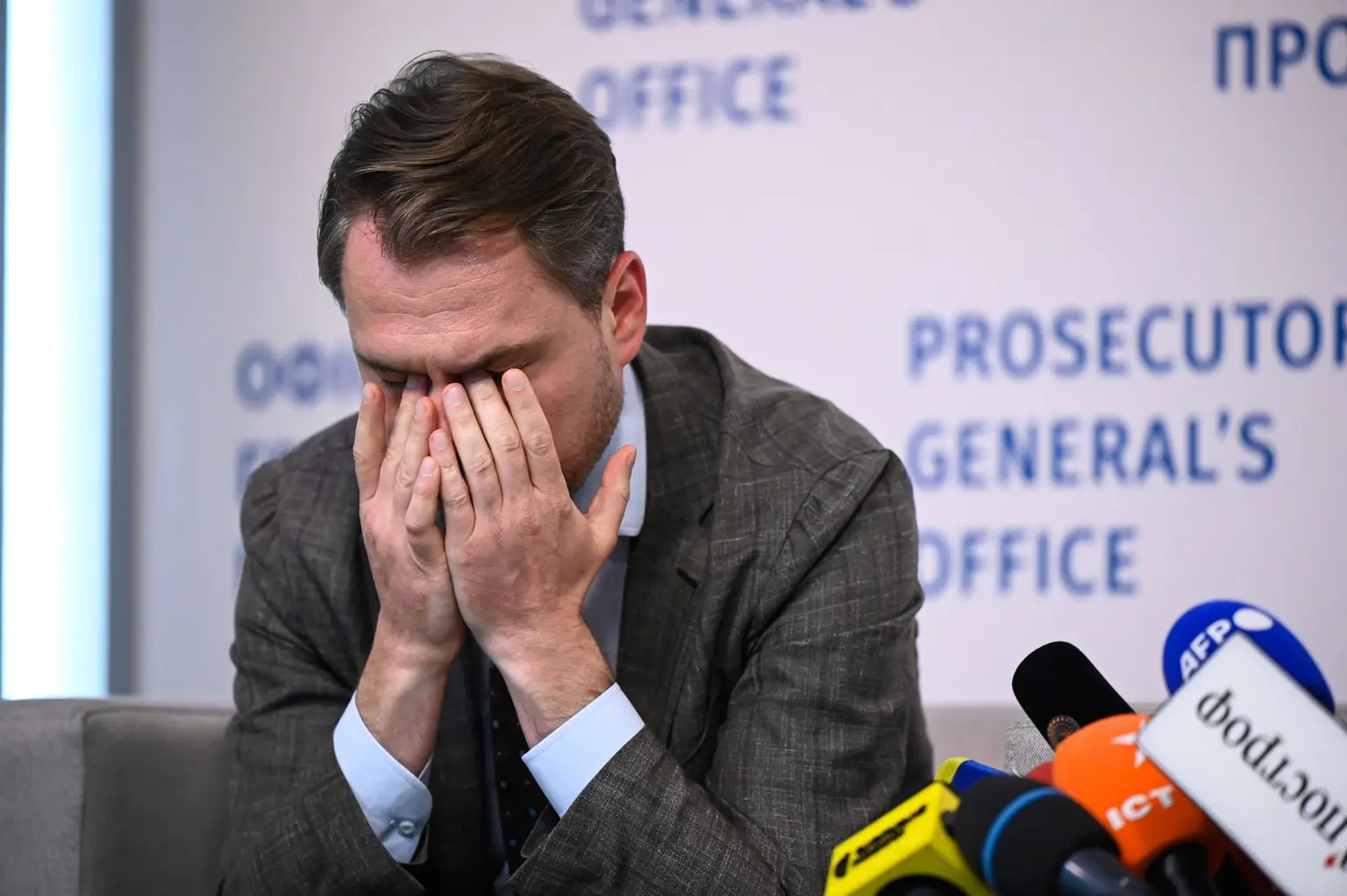
This morning, on September 15, Ukraine’s parliament voted to dismiss Prosecutor General Ruslan Kravchenko, approving a motion submitted by President Volodymyr Zelensky. A total of 317 lawmakers supported the decision, with no votes against. The dismissal came amid a major corruption investigation known as Operation Carthage, in which NABU and SAPO accused a senior official in the Prosecutor General’s Office of leading a criminal group that protected fraudulent call centers and laundered funds.
Kravchenko had already submitted his resignation on September 7 after searches were conducted in his office and those of other top prosecutors. Although he was not formally charged in the case, the investigation and related recordings placed significant political pressure on him. He denied any wrongdoing and claimed the accusations were groundless.
By the time parliament voted, Kravchenko had already left Ukraine. He stated that he had departed on an official business trip, but reports indicated he left the country shortly before the final vote. His departure and the rapid parliamentary action marked the end of his tenure, which had lasted just over a year, and highlighted the ongoing tensions between Ukraine’s anti-corruption bodies and parts of the law-enforcement leadership.
Russian foreign minister blames the US for an additional year of war in Ukraine, stating that Russia could have been at peace
Russian Foreign Minister Sergey Lavrov accused the United States of prolonging Russia’s war against Ukraine by a year by backing away from what Moscow calls the “Anchorage agreements” allegedly reached during President Donald Trump’s 2025 meeting with Russian President Vladimir Putin in Alaska. U.S. officials have denied that any such agreements were reached.
“If the Americans hadn’t backed away from the Anchorage agreements” and Europe hadn’t “pulled” the U.S. away from them, “we would have been living without war for a year now,” Lavrov said. He offered no details of the alleged agreements, which Moscow has repeatedly cited as the basis for its claims that the war could have ended earlier.
Lavrov’s comments came as U.S.-led efforts to broker a peace deal remain stalled over Russia’s territorial demands. The Kremlin has repeatedly rejected a ceasefire and demanded that Ukraine cede the parts of Donbas it does not control, while Kyiv has called for a ceasefire along the current front line and security guarantees to prevent renewed Russian aggression.
Ukrainian President Volodymyr Zelensky plans to discuss possible limited ceasefires with Trump during a potential meeting in New York next week on the sidelines of the U.N. General Assembly. Zelensky said he wants to discuss halting Russian and Ukrainian strikes on energy infrastructure and in the Black Sea. Lavrov said he also plans to meet U.S. Secretary of State Marco Rubio during the gathering.
Trump’s envoys Steve Witkoff and Jared Kushner visited Moscow and Kyiv earlier this month in an effort to revive stalled negotiations. The trip produced an agreement between Ukraine, the U.S. and Russia to resume trilateral talks, although previous rounds made little political progress. Lavrov said Moscow remains open to restarting negotiations.
“We have never refused to negotiate, and all the talks that have taken place were interrupted not at our initiative. If our colleagues are ready, it is entirely possible to resume them,” he said.
Kremlin calls energy truce "very good" idea but wants free maritime navigation
According to Putin's spokesman Dmitry Peskov, the Kremlin considers the energy truce with Ukraine a good idea. Moscow’s apparent openness to a proposal aimed at halting strikes on energy infrastructure.
“Yes, we saw President Trump’s post about an energy truce. In general, we certainly consider this a very good idea, a good initiative. We maintain contact with the Americans. We are always on the side of peaceful solutions,” Peskov said.
Peskov said an energy truce would allow Russia to keep its refineries operating without disruption and ensure sufficient oil products for the domestic market. He argued, however, that restoring Russian oil product exports would depend on access to global markets.
“The issue is unobstructed access for these oil products to global markets. To achieve this, it is necessary to ensure safe commercial navigation and the safe passage of oil tankers,” Peskov said. “But in general, we again consider this idea [of an energy truce] very good, and while being in contact with the Americans, we will continue to communicate with them.”