


Russia launches a massive aerial attack on Putin’s birthday, killing at least 19
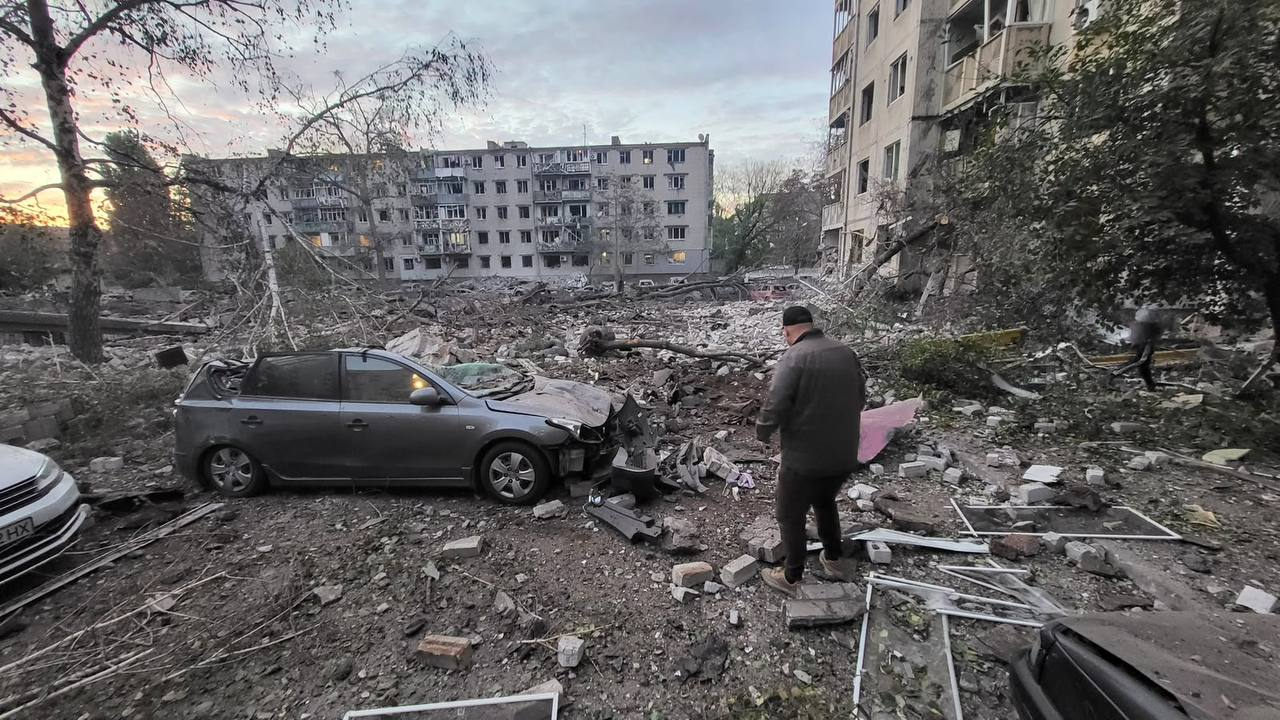
Russia carried out a large-scale combined aerial assault on Ukraine overnight into October 7 — Vladimir Putin’s 74th birthday. In total, Russian forces launched approximately 75 missiles, including 25 ballistic missiles, Onyx and Zircon anti-ship missiles; 8 Kalibr cruise missiles; 6 Iskander-K missiles; and 36 Kh-101 cruise missiles. They also sent more than 130 attack drones. Ukrainian air defenses intercepted or suppressed the majority of the threats, including 39 of 48 cruise missiles and 117 drones.
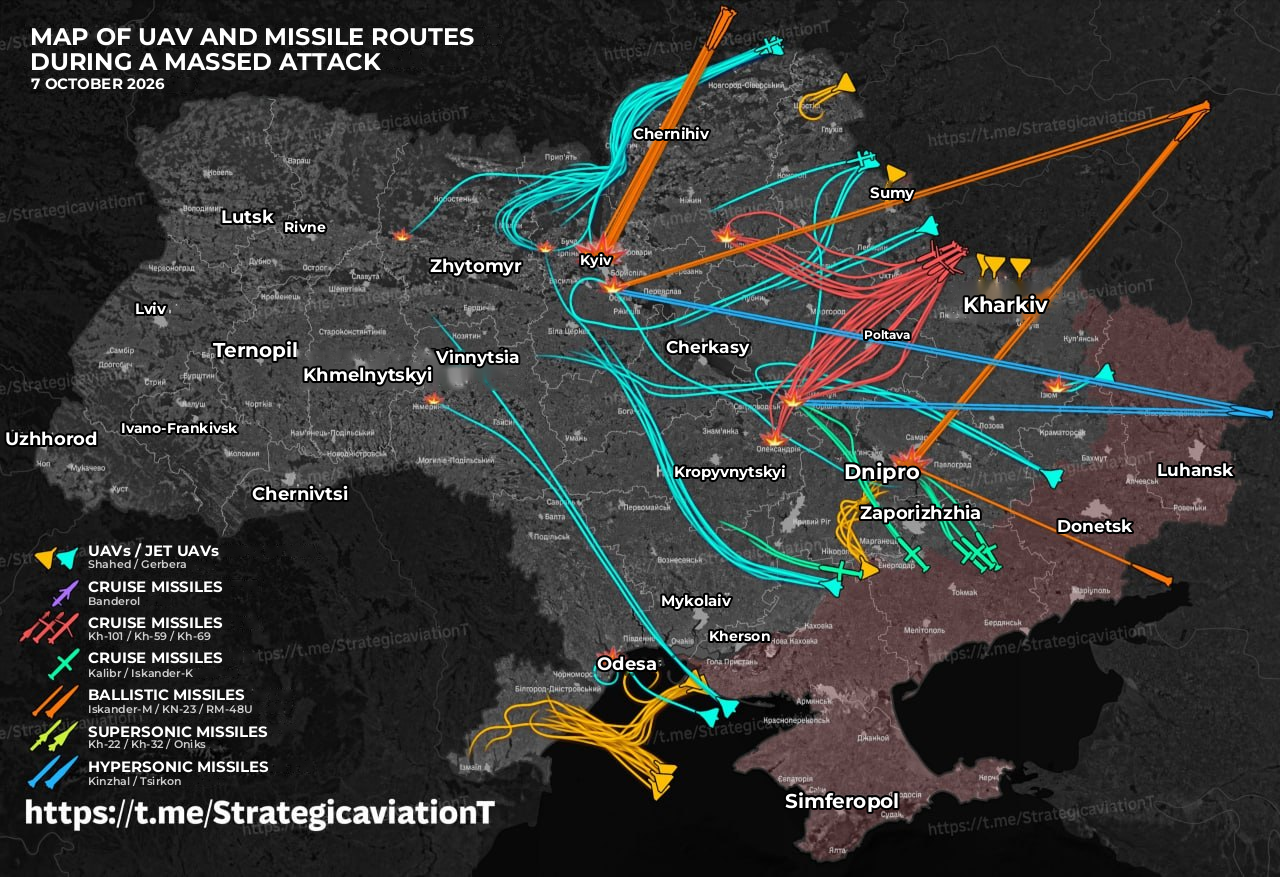
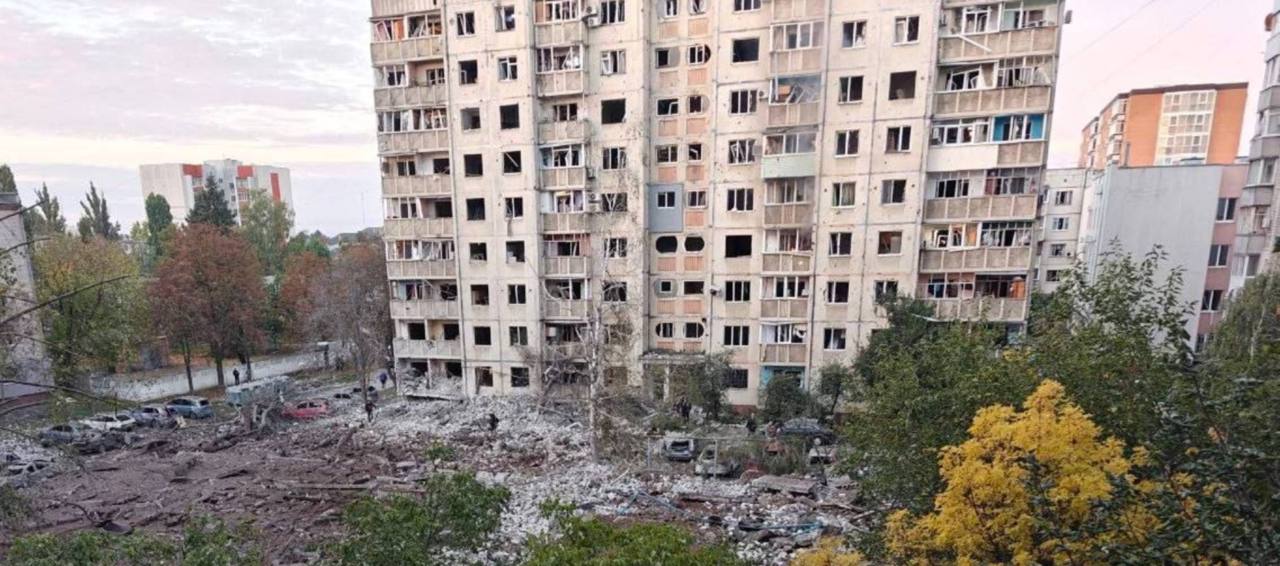
The deadliest strike hit Pryluky in Chernihiv region, where a Russian missile slammed into a five-story residential building early in the morning while residents were asleep. Two sections of the apartment block collapsed. At least 14 people were killed, including four children, and more than 50 others were injured, among them seven children. Emergency crews continue searching the rubble for survivors. President Volodymyr Zelensky described the attack as a “birthday gift” to Putin.

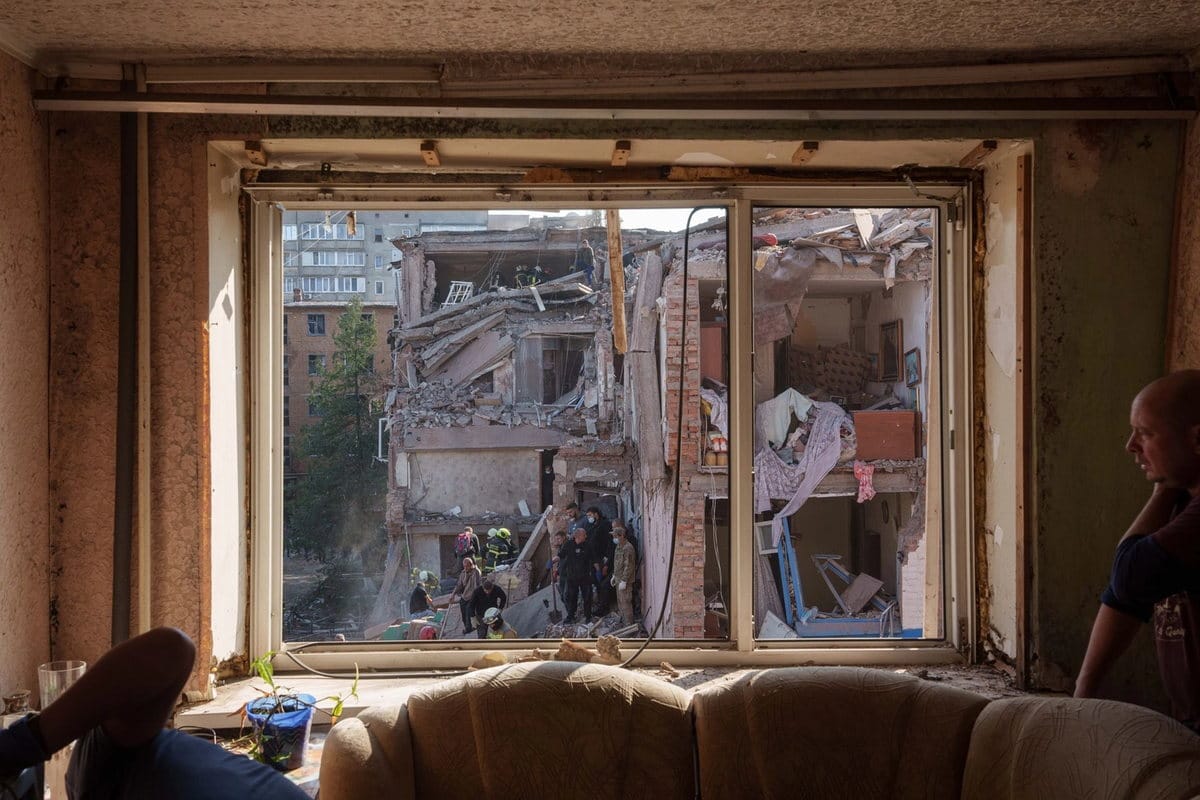
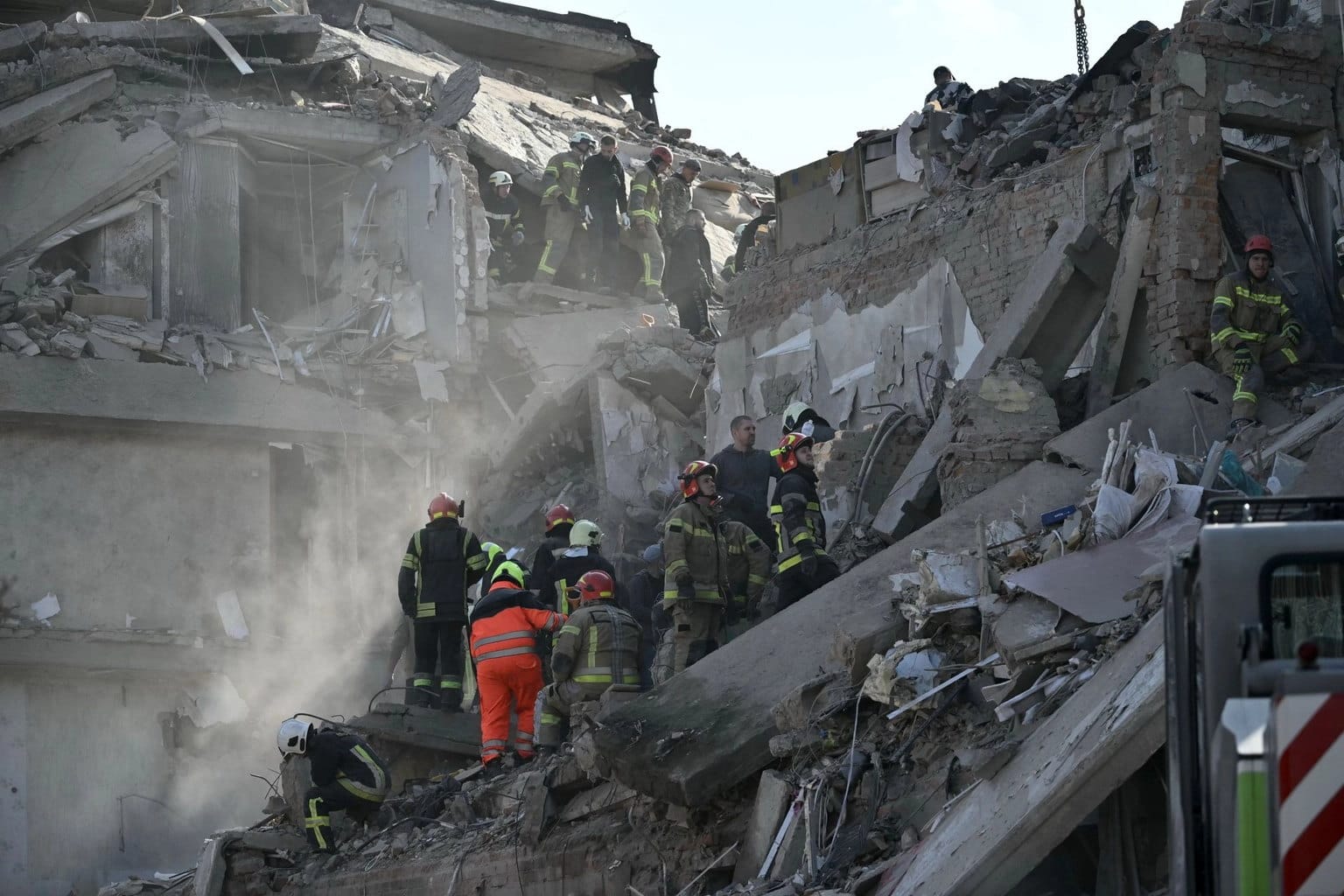
Pryluky after the strike
Pryluky after the strike
Additional strikes hit Kyiv, where two people were killed, as well as Dnipro, Kremenchuk, Zaporizhzhia, and Oleksandriia. Residential buildings were damaged in several cities, and an unexploded ballistic missile landed in a residential courtyard in Kyiv’s Darnytskyi district. Hits were recorded at 18 locations across the country. The attack once again demonstrated Russia’s strategy of using mixed salvos of ballistic, cruise, and anti-ship missiles together with large numbers of drones to overwhelm air defenses and target civilian areas.
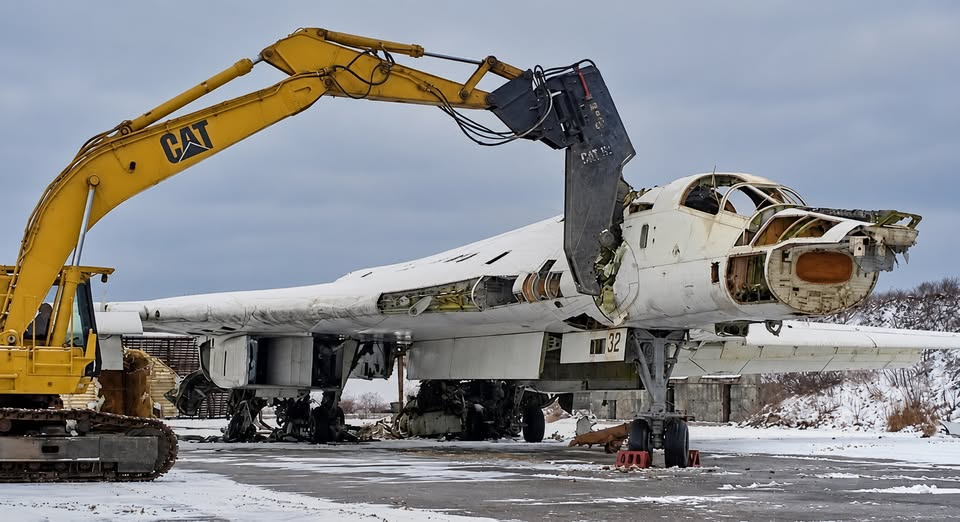
It is worth mentioning that in 2001, in Pryluky, a Ukrainian strategic bomber Tu-160 with tail number 32 was dismantled at the local airbase as part of a strategic arms reduction program. Built in 1987, the aircraft belonged to the 184th Guards Heavy Bomber Aviation Regiment. On February 2, 2001, Tu-160 No. 32 became the last Ukrainian aircraft of this type to be destroyed in Pryluky. The liquidation was carried out in accordance with START/Nunn–Lugar procedures: equipment and engines were removed, after which specialized machinery cut the fuselage and separated the wings.
Ukrainian soldier claims Russian deserters worked as Glovo couriers in Kyiv for three months
A Ukrainian soldier from the 425th Separate Assault Regiment, known by the call sign “Kiyanin,” has claimed that two Russian soldiers spent about three months freely moving around Kyiv while posing as couriers for the food delivery service Glovo.
According to the soldier, the two men allegedly crossed the front line in Sumy region, hitchhiked to the capital without documents or money, and then found work as delivery couriers. They reportedly earned money, bought phones, and later attempted to cross the border into Belarus, where they were detained. The soldier criticized Ukrainian police for failing to detect them earlier while they operated in the rear.
Neither the National Police nor Glovo has confirmed the story. Glovo stated that it has no verification of the claims and emphasized that courier registration requires Ukrainian documents and FOP (individual entrepreneur) status. The company said it is ready to cooperate with law enforcement to clarify the circumstances. As of now, the account remains an unverified statement by a single service member.
Ukraine halted Sapsan missile production after Russian strikes
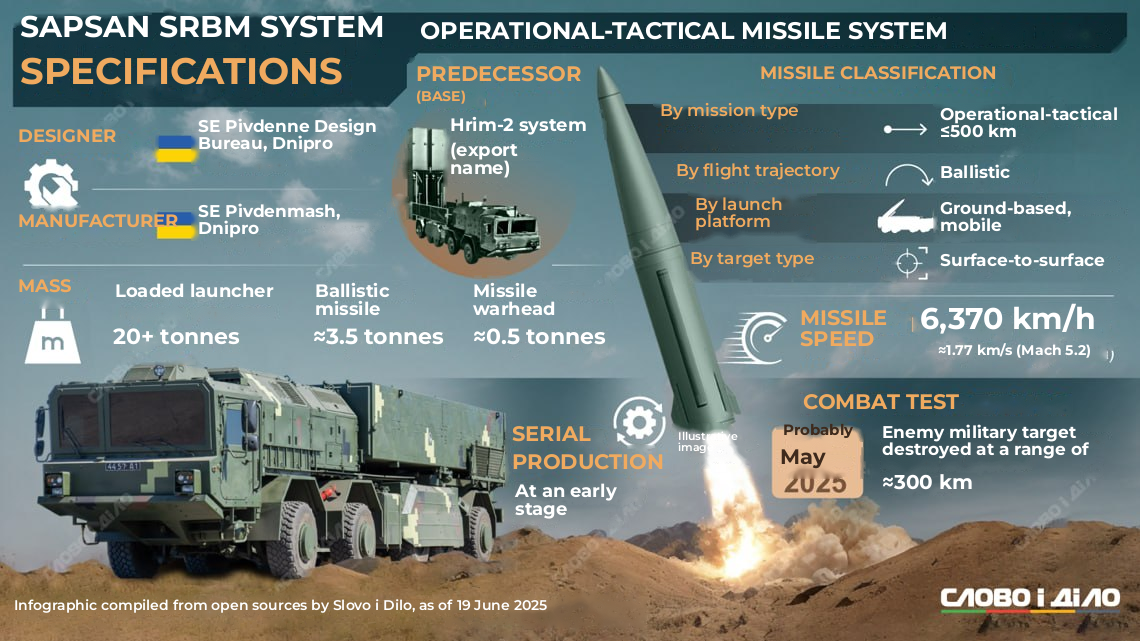
Ukraine has effectively stopped production of its Sapsan ballistic missiles following a series of Russian strikes on key industrial facilities, according to aviation expert Valeriy Romanenko, as reported by UNIAN.
Romanenko stated that even before the emergence of the private company Fire Point, Ukraine had been attempting to establish its own missile production. However, Russia destroyed the main manufacturing plant, the facility producing solid-fuel engines, a backup plant, and several critical component suppliers. As a result, the earlier missile program effectively came to a halt.
Poland will deploy Patriots near the Ukrainian border and announced a $26 billion civil defense plan
Poland will deploy Patriot air defense batteries in the Lublin region near the Ukrainian border to protect local residents and Lublin Airport, according to the Defense Minister Wladyslaw Kosiniak-Kamysz.
The minister also announced plans to establish new military formations in the region, including unmanned systems forces. The move comes amid heightened tensions with Russia and repeated incidents involving violations of Polish airspace.
Polish Prime Minister Donald Tusk separately announced a 102.4 billion zloty ($26.4 billion) civil defense program for 2027-2031. The funds will be used to build and equip shelters, rescue facilities and emergency stockpiles, as well as strengthen water and energy supplies, warning systems and cybersecurity.
About 30 billion zlotys ($7.7 billion) will go directly to regional authorities, allowing local governments to decide which projects are most urgently needed. Tusk said the program reflects growing concerns over the possibility of Russian aggression reaching Polish territory.