


Russian attacked Moldova-Ukraine border crossing

Operations at the Palanca–Maiaky–Udobne border crossing between Ukraine and Moldova were suspended October 5 after a projectile fired during Russian attacks on Ukrainian infrastructure ricocheted and struck a passenger bus and a border control booth, Moldovan authorities said.
The bus was damaged and a border guard suffered minor injuries in the incident, which occurred at about 9:38 a.m. Traffic from and toward Palanca in Moldova’s Ștefan Vodă district was suspended while authorities investigate the scene.
Police are redirecting traffic to the Tudora border crossing and advising drivers to avoid the area. Moldova’s Border Police said they are monitoring the situation in coordination with Ukrainian authorities.
Authorities urged people not to approach debris or suspicious objects and to call 112 if they encounter them. Residents and travelers near the border were also advised to seek shelter indoors if they hear drones or explosions and rely only on official sources for updates.
Three killed and 35 injured, including children, in at least three Russian glide bomb strikes on Kharkiv
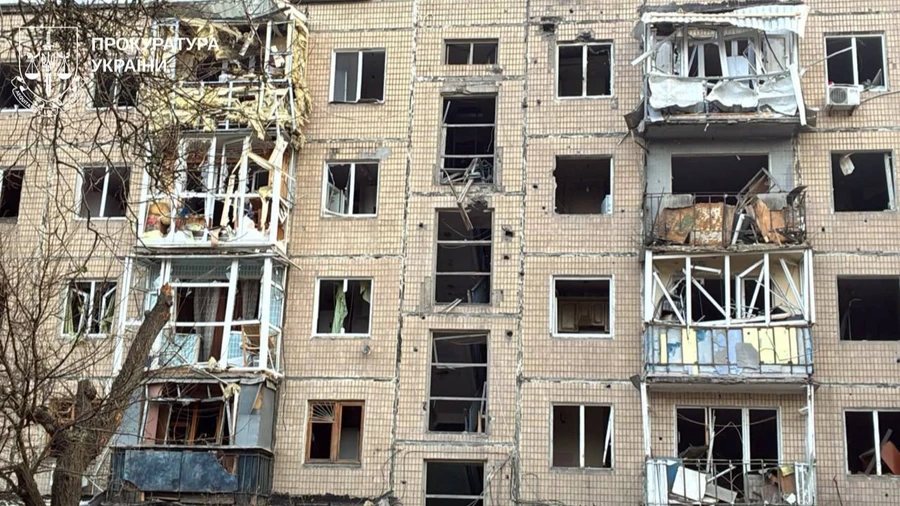
Russian forces attacked Kharkiv with at least three guided aerial (glide) bombs and a combat drone on October 5, killing three people and injuring 35 others, including children, local officials reported. Kharkiv Mayor Ihor Terekhov said 29 people were known to be injured, among them three children, while regional governor Oleh Syniehubov reported that 35 people were receiving medical treatment. One of the injured was a street cleaner.
The death toll rose from an earlier figure of two. The guided bombs struck a residential area of the city, setting warehouses on fire and damaging apartment buildings. Authorities said people may be trapped under the rubble of one of the buildings, and search-and-rescue operations are ongoing. A combat drone also hit a petrol station in another part of the city.
Ukraine nearly ran out of locomotive reserves due to Russian strikes
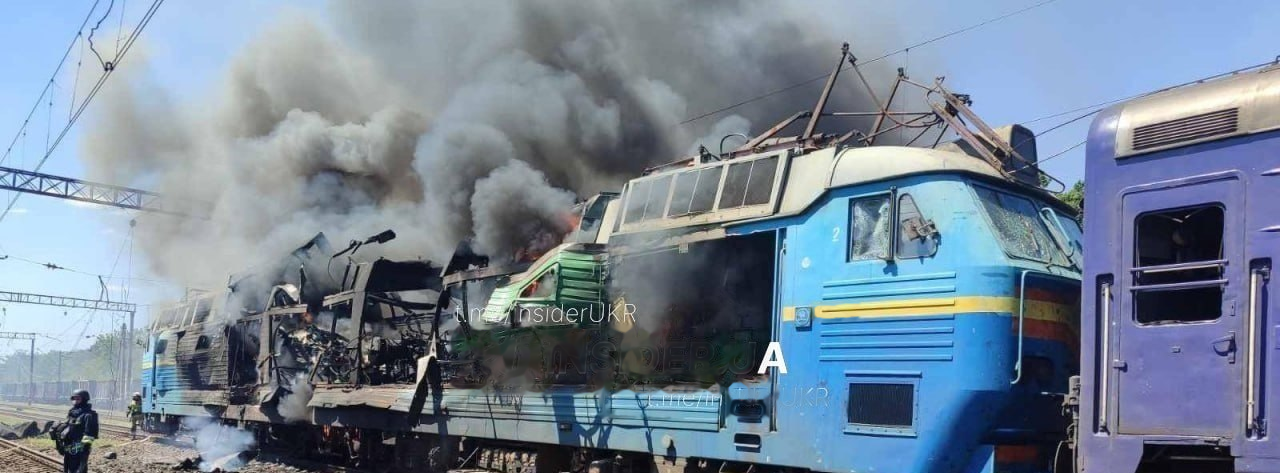
Ukraine has almost completely depleted its reserve of locomotives as a result of intensified Russian attacks on the country’s railway network, the Financial Times reported, citing Agriculture Minister Taras Vysotskyi.
Since the start of the full-scale invasion, Russian strikes have damaged or destroyed more than 500 locomotives, with more than half of those losses occurring in 2026 alone. In recent weeks, Russia has stepped up attacks specifically on trains carrying grain and iron ore — Ukraine’s key export commodities.
Ukrainian officials are now negotiating with European partners that use the same 1520 mm track gauge to obtain additional locomotives. Port operators warn that the shortage is already creating serious bottlenecks in logistics, even if Black Sea ports resume fuller operations. Without sufficient locomotives, delivering cargo to the terminals remains a critical challenge.
Russian strikes almost halt Ukrainian steel industry, threatening up to 7% of GDP

Around 90% of Ukraine’s steel production is currently offline following a series of Russian missile strikes on key metallurgical plants. According to an analysis by Forbes Ukraine, in a worst-case scenario, the negative impact on the economy could reach 6.5–7% of GDP.
Ukraine risks losing $5–7 billion in foreign currency earnings and at least 30–40 billion hryvnias in budget revenues. The loss of iron ore exports alone could cost another approximately $1 billion in annual foreign exchange earnings. The damage extends far beyond the industry itself: one job in the mining and metals sector supports 7.5–8 jobs in related fields such as transport, energy, machine-building, and service companies.
Industrial cities face the greatest risks, including sharp drops in tax revenues, production stoppages, and rising unemployment. To recover, the sector needs three basic conditions: security, retention of skilled workers, and stable logistics.