


Evacuation routes for civilians being demined in Oleshky
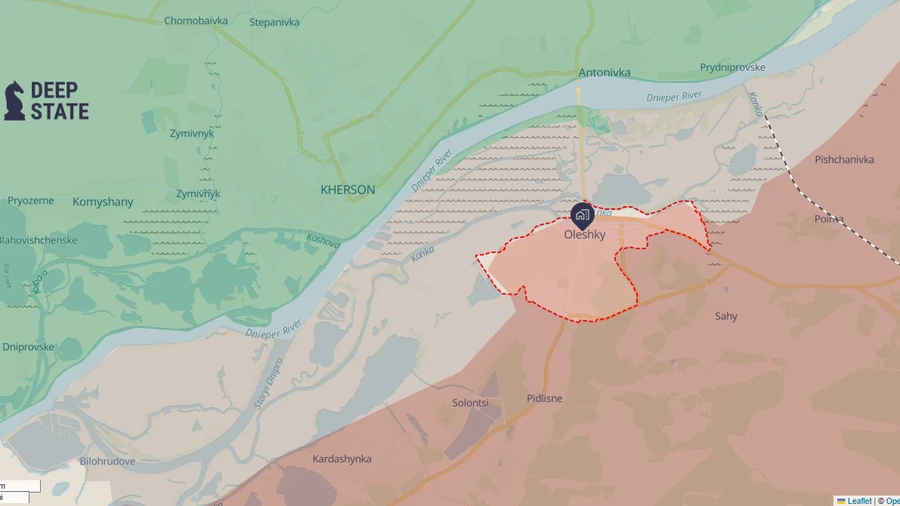
Ukrainian authorities are clearing mines from evacuation routes ahead of a planned humanitarian mission to the Russian-occupied town of Oleshky in Kherson Oblast, Ukrainian Parliamentary Commissioner for Human Rights Dmytro Lubinets said.
A ceasefire has been in effect in designated areas since October 27, and both sides have been observing it, Lubinets said. Demining is underway to ensure the safe delivery of humanitarian aid and allow civilians who wish to leave the town to evacuate.
The fate of Ukrainians leaving occupied Oleshky remains uncertain
It remains unclear how Russian authorities will handle Ukrainians evacuated from Oleshky and whether they will be given a genuine, pressure-free choice to return to Ukrainian-controlled territory. On October 27, Putin referred to Oleshky as a “Russian settlement” in a call with the leaders of Finland and Norway, despite the town remaining Ukrainian territory under international law and previous Russian treaties recognizing Ukraine’s borders.
People familiar with the limited ceasefire talks told the Financial Times that Russian authorities plan to move Oleshky residents first to occupied Crimea or into Russia proper before any return to Ukraine is allowed. Russian occupation forces have a long record of coercive measures in occupied Ukrainian areas, including forced deportations, filtration camps, detentions, and pressure to accept Russian passports in exchange for basic services such as healthcare.
The ceasefire agreement itself does not specify how residents must be treated or where they will ultimately be allowed to go. Russian authorities could claim that those who received Russian passports while under occupation are now Russian citizens with no legal right to return to Ukraine. The status of the Ukrainian citizens who stayed in Oleshky is still unresolved and will need to be settled in any broader future agreement.
Almost 50 companies are involved in producing an alternative to Starlink in Russia, with 23 of them not currently under international sanctions
Ukraine’s military intelligence (HUR) said on October 28 that 49 Russian and Belarusian companies are involved in developing Rassvet, Russia’s low-Earth orbit satellite communications system. HUR published the full list on its War&Sanctions portal, covering firms that produce satellites, ground infrastructure, and user terminals. Twenty-three of the companies, including state space agency Roscosmos, remain free of any international sanctions.
The system is designed primarily for military use. After Russian Starlink terminals were restricted earlier this year, Rassvet is intended to give Russian forces an independent satellite link for controlling drones over long distances. Officials plan to install the terminals in command vehicles, including those supporting the Iskander-M ballistic missile system. The project is led by Bureau 1440, part of the IKS Holding technology group, with Roscosmos and other aerospace firms handling launches and satellite components. Major bank VTB is listed as an investor. Bureau 1440 has already launched two batches of satellites, the first 16 in March and another group in July.
HUR warned that Rassvet’s planned coverage focuses on Ukraine and Europe and could support hybrid operations against other countries. The agency called for all involved companies to be placed on international blacklists with a full ban on cooperation and real penalties for violations. Ukrainian officials had previously sought U.S. sanctions specifically to slow the project’s development.