


Russia launched one of the largest attacks on Ukraine's energy grid
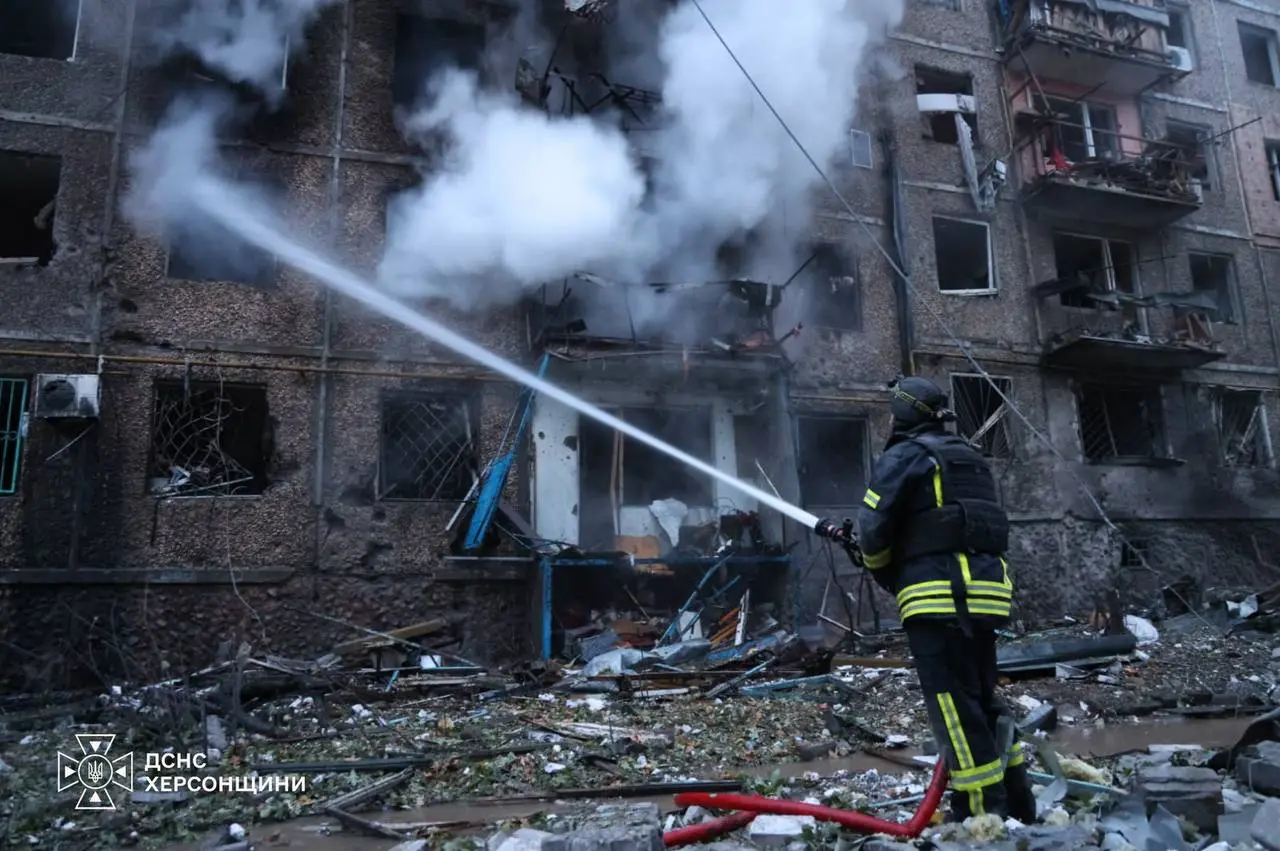
Russian attacks across Ukraine killed seven people and injured around 90 over the past day, regional officials said on October 17, as Moscow launched one of its largest assaults on Ukraine’s energy infrastructure ahead of winter.
Ukraine’s Air Force said it intercepted or suppressed 289 of the 332 Russian drones launched overnight. Russian drones and ballistic missiles struck 22 locations, while falling debris was reported in three areas. President Volodymyr Zelenskyy said Russian forces targeted more than 15 major power generation and transmission facilities, leaving some households without electricity.
Zelensky urged Washington to increase pressure on Moscow through tougher sanctions, criticizing a U.S. decision to waive the latest restrictions under the Lindsey Graham Act. He warned that financial benefits for Russian President Vladimir Putin would only encourage further attacks and called for a stronger sanctions campaign against Russia.
Civilian casualties were reported across several regions. In Kharkiv Oblast, two people were killed and 41 injured or suffered stress-related symptoms, including three children. Two people were killed in Donetsk Oblast, where another 15 were injured, while attacks in Dnipropetrovsk Oblast killed two people, including a 74-year-old woman near Nikopol and a man in Dnipro.
In Kherson Oblast, one person was killed and at least 19 injured as Russian forces attacked 31 towns and villages. Six people were injured in Vinnytsia Oblast, at least four in Odesa Oblast, and six in Zaporizhzhia Oblast. Russian drone attacks also injured seven people in Sumy Oblast, according to regional authorities.
Russia plans to make Ukraine’s major cities unlivable this winter
Ukrainian intelligence has intercepted a detailed Russian planning document that outlines a systematic campaign to destroy critical infrastructure and render large Ukrainian cities uninhabitable. According to the assessment, seen by The Guardian and earlier reported by The New York Times, the goal is to degrade electricity, heating, water supply and sewage systems to the point where daily life becomes unbearable, triggering a humanitarian crisis and forcing people to leave urban centres.
The document, coldly titled an analysis of Ukraine’s energy, housing and utilities sectors, contains precise calculations of how many missiles, jet-powered drones and guided bombs would be required to destroy specific targets. Priority is given to Kyiv, Kharkiv and Odesa. In the worst-case scenario, the capital could face power outages of up to 20 hours a day. The plan envisages cutting electricity and heating supplies in the three cities by as much as 90 percent while severely disrupting water and sewage systems.
Ukrainian Energy Minister Denys Shmyhal presented the intercepted materials to European partners in September. He described the documents as written with chilling precision, complete with tables listing the exact types and quantities of weapons needed for each facility. The campaign is structured in stages: first striking western substations that handle electricity imports from Europe, then hydroelectric plants, and finally the switchyards connecting Ukraine’s operating nuclear power plants to the grid.
Despite U.S. President Donald Trump’s unilateral announcement of an “energy ceasefire,” Russia has continued methodical strikes on power generation and distribution facilities. The intercepted plan makes clear that the ultimate objective is not only military but political: to break civilian morale, provoke mass displacement, and increase pressure on Ukraine to accept terms favourable to Moscow.
Russian ballistic missiles struck a Ukrainian steel plant for the 23rd time
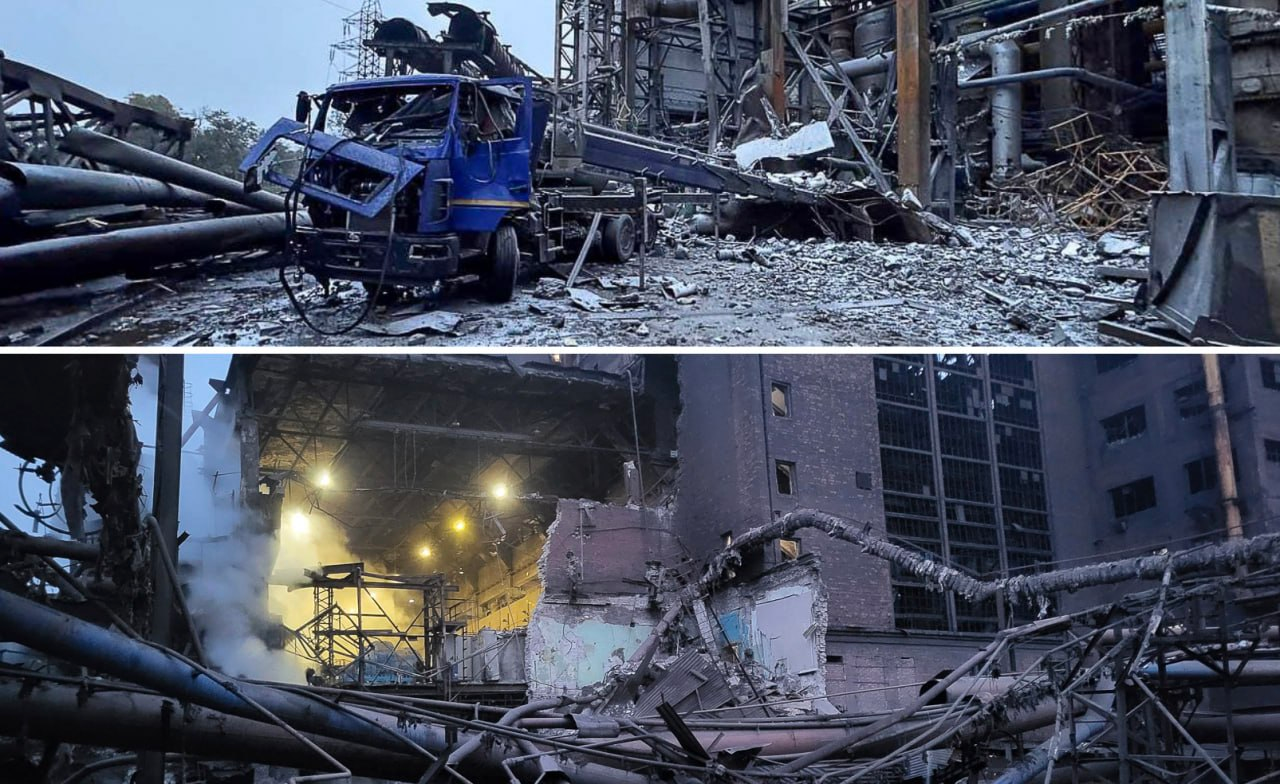
Russian forces have once again targeted a major Ukrainian metallurgical enterprise with ballistic missiles. This latest attack brought the total number of ballistic strikes on the plant to 23. Although there were no casualties this time, the facility has still not returned to normal production after a series of previous attacks.
The missiles hit internal energy and logistics infrastructure, as well as production sites related to blast furnace operations. Operational Director of Metinvest Group Oleksandr Myronenko noted that Russia continues to strike a plant that has been unable to resume regular work, calling the attacks devoid of any military logic — just like the war itself.
In a statement following the strike, Myronenko focused not on the destruction but on the resilience of the workforce. He thanked employees who continue clearing debris, repairing damaged sections, and returning to their posts at blast furnaces, energy units, and locomotives after each all-clear signal.
“The aggressor country destroys and disfigures, trying to wipe us out. Our people keep working,” he said. “Thank you to everyone who does not lose faith in themselves and in Ukrainian metallurgy. This is our main value — one that the Russians cannot take away from us.”