


Russian missiles bypass Kyiv's air defenses unexpectedly; US intelligence sharing remains intact
On the evening of October 12, five Russian S-400 missiles struck Kyiv shortly after 10 p.m., producing massive explosions across the capital. Air raid sirens and mobile alerts sounded only after the missiles had already hit. President Volodymyr Zelensky called the strike “particularly vile,” noting that Ukraine received no early warning from its partners.
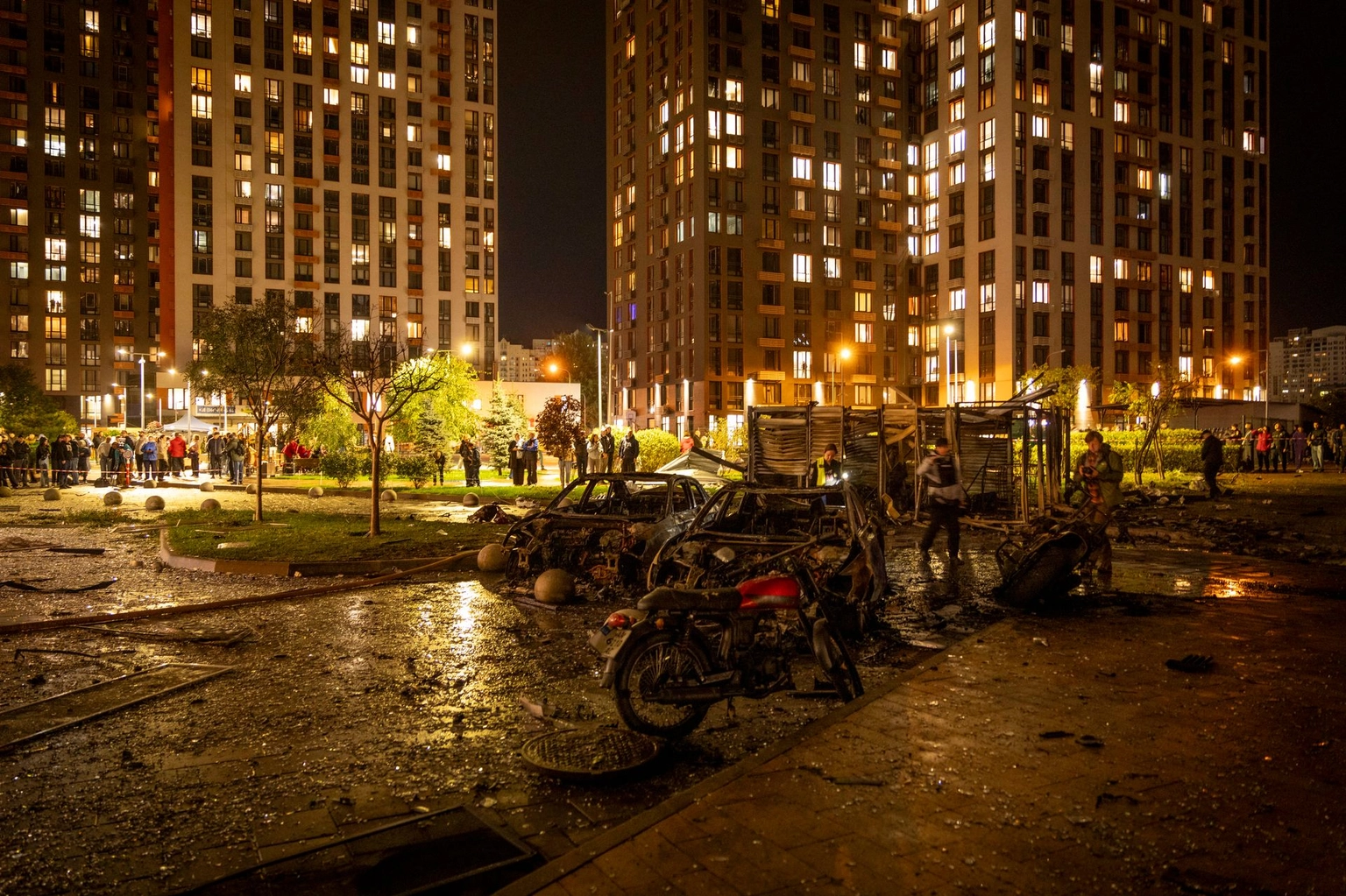
The incident immediately raised alarms. Only days earlier, Washington had threatened to suspend intelligence sharing and critical arms deliveries unless Kyiv stopped attacking Russian oil refineries. Given that Ukraine relies heavily on American data to detect and track Russian missile launches, the lack of warning fueled suspicions that the threat had already been carried out.
Ukrainian and American sources, however, insist that no formal decision to cut intelligence sharing was made. Foreign Minister Andrii Sybiha publicly confirmed that cooperation continues. A senior Ukrainian official who contacted U.S. counterparts after the attack reported that the Americans claimed they “just didn’t see” the launch — an explanation the official dismissed as “a weak excuse.” Some in Ukraine’s military leadership privately suggested the episode might have been a deliberate test of Kyiv’s reaction.
Experts note that detecting ballistic missile launches depends largely on infrared spy satellites, a system that is highly reliable but not infallible. Dense cloud cover, technical glitches, or human error can occasionally create gaps. Similar failures involving S-400 and S-300 missiles have occurred before. Yet in the current climate of mounting pressure from Washington, even a single missed warning carries heavy political weight — and serves as a stark reminder of how dependent Ukraine remains on American intelligence at a moment when that support is being openly used as leverage.
US envoys say that diesel deal is an attempt to incline Russia into negotiation
US President Donald Trump’s envoys Steve Witkoff and Jared Kushner told the Ukrainian delegation during talks in Miami on October 9 that the agreement allowing the export of Russian diesel fuel was intended as a step to draw Moscow back to the negotiating table.
According to sources cited by Reuters, the American side explained the logic as follows: Washington could return to Russia and say that Ukraine had stopped striking oil refineries and that the United States had offered Moscow this economic concession — now it was Russia’s turn to respond. Witkoff and Kushner also informed the Ukrainians that Vladimir Putin is not currently prepared to negotiate an end to the war, and that the diesel deal could help restart trilateral talks by softening Moscow’s position and signaling Trump’s willingness to cooperate.
During the meeting, Kushner again raised Trump’s request for Ukraine to halt strikes on Russian oil refineries. Security guarantees for Ukraine were also discussed as part of a broader conversation on how to bring both sides back to the table. Ukrainian officials who took part in the talks remained skeptical of this approach. While the US envoys emphasized everything Washington has done for Ukraine, including military and intelligence support, three sources confirmed that no explicit threat was made to cut off assistance if Kyiv refused to stop targeting Russian refineries.
Russian forces used a group of civilians as 'human shields' near Kupiansk, then fired at them afterwards
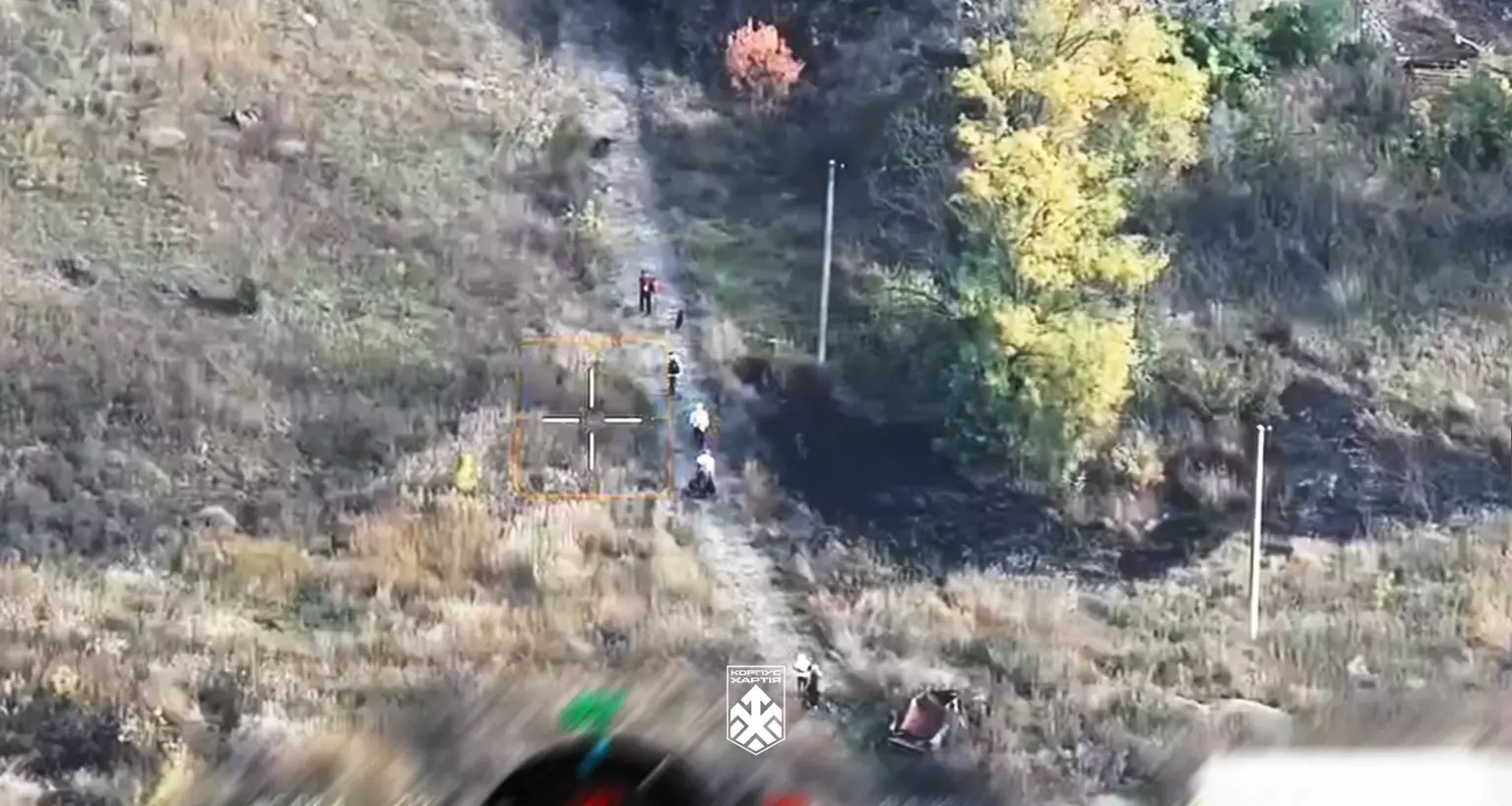
Russian forces led a group of civilians toward a gas pipeline and then opened fire on them near the front-line city of Kupiansk in Kharkiv Oblast on October 13, according to Ukraine’s 13th Khartia Corps. The group included two women, a child, and several men who were being directed toward the Shebelinka–Ostrogozhsk gas pipeline and came under repeated mortar and artillery fire as they moved.
Drone footage recorded by Ukrainian reconnaissance units showed casualties among the civilians. Khartia stated that Ukrainian troops did not open fire and that, based on the impact patterns, the strikes originated from the eastern bank of the Oskil River, where Russian forces are positioned. The corps described the incident as a “deliberate provocation” and warned that Russian media could use the footage to falsely accuse Ukraine of attacking civilians. The materials will be transferred for a war crimes investigation.
Ukraine’s Joint Forces grouping separately reported that Russian troops had struck a column of civilians leaving Kupiansk during what it described as a forced evacuation. The military said it was still establishing the number of casualties. According to the Joint Forces, Russian units have conducted similar operations in recent weeks, using civilians as human shields to cover the withdrawal of their own soldiers.