


Russian drones struck a Kyiv school and the key bridge linking eastern and western banks of the city
Two Russian drones struck near the supports of Kyiv’s Southern Bridge on October 1, disrupting a key metro connection between the city’s eastern and western banks, Mayor Vitali Klitschko said. It was the first time Russian drones had targeted one of the capital’s bridges.
Russian droen hits the Southern bridge
The attack occurred around 11:30 a.m. local time while cars and a metro train were still crossing. Videos circulating on social media showed a fire on the bridge and a column of smoke rising above it. Traffic was immediately halted as emergency services inspected the site and assessed the damage.
As the metro train passed through the area, the blast wave forced dust into the carriage through the ventilation system. No passengers or the driver were injured, and the train itself sustained no damage to its windows or structure. It was later sent to a depot for inspection. By mid-afternoon, authorities reported that traffic across the bridge had resumed after a preliminary check found no critical structural damage.
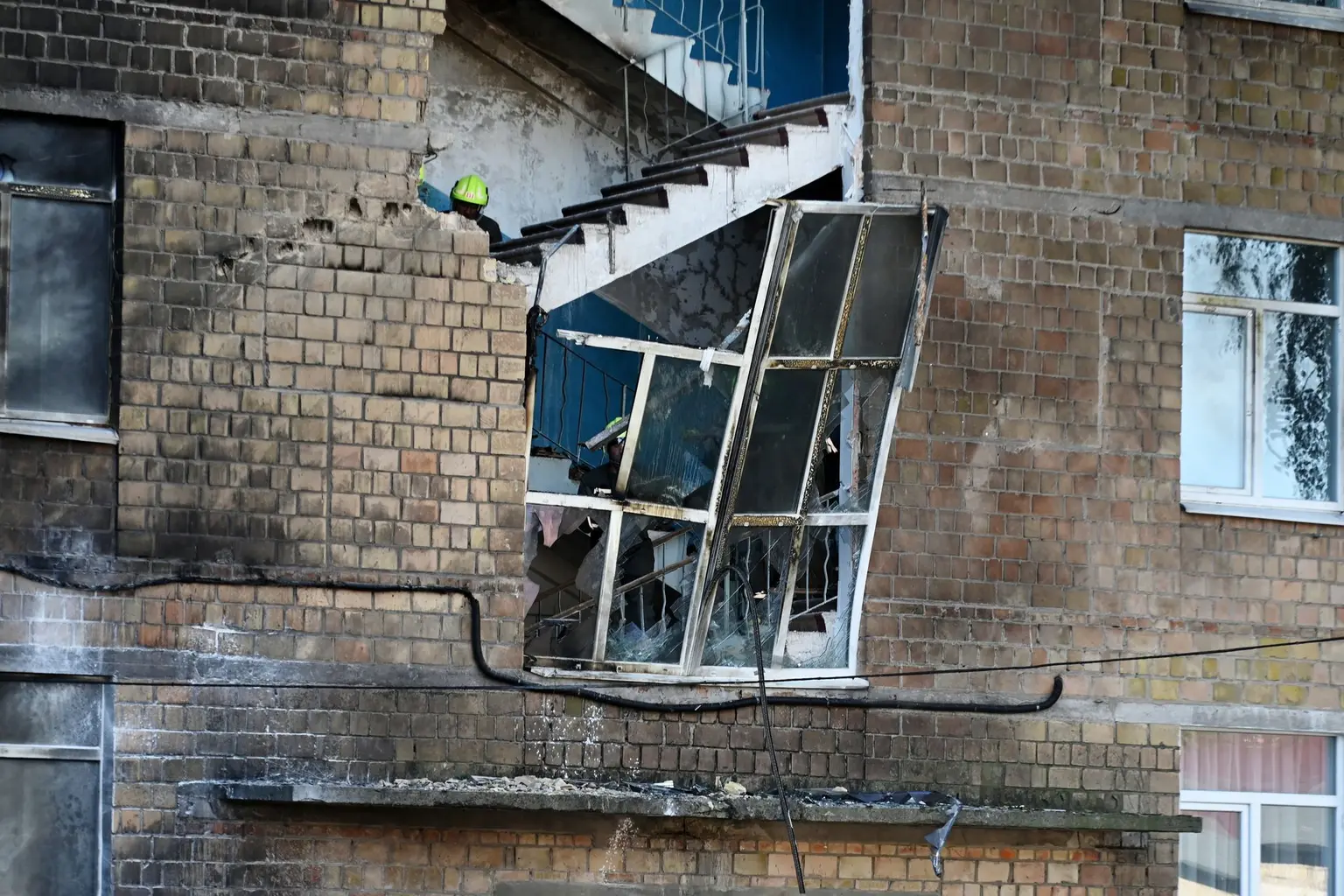
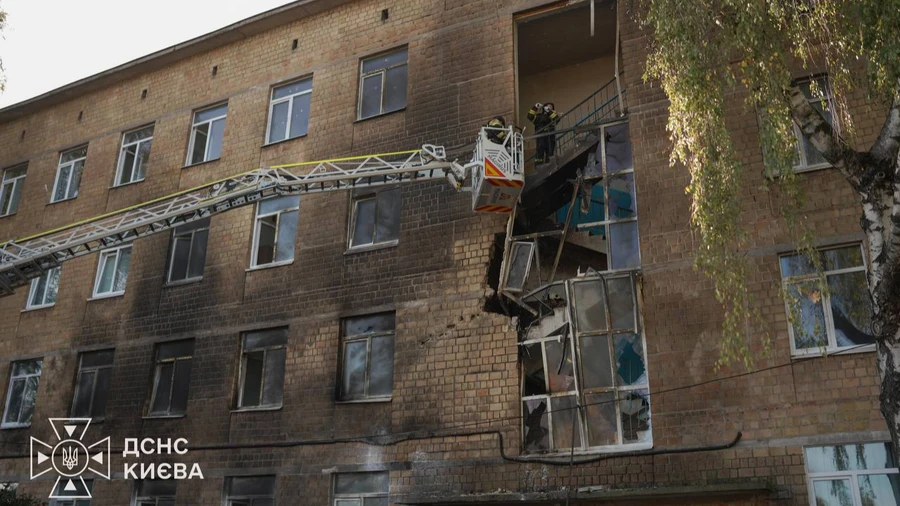
Earlier in the day, a Russian drone hit a school in a southwestern district of Kyiv, sparking a fire on the third floor and partially damaging a wall, doors, and windows. Children and teachers were in a shelter at the time, and no one was injured. President Volodymyr Zelensky condemned the strike, saying Russia continues to attack Ukrainian children and schools and must be held fully accountable.
Russian drones also struck a non-residential complex in a central district and warehouse facilities in a southwestern area. A data center located at a major congress and exhibition center in the central district reported critical damage and said it had ceased operations entirely, with no possibility of restoring services at the site.
Kyiv has faced near-continuous drone attacks throughout the week. On September 30, the city recorded one of its longest air-raid alerts since the start of Russia’s full-scale invasion, lasting nearly 13 hours. Alerts were active for a total of more than 20 hours that day.
The latest strikes come a day after Russia launched its largest attack on Kyiv’s energy infrastructure since last fall, causing widespread power outages. Russia has intensified its use of faster jet-powered drones against the capital since late August, launching them around the clock and making them harder for existing Ukrainian air defenses to intercept.
Overnight attacks on October 1 also struck other parts of Ukraine, killing at least six people and injuring 38 others across the country.
Ukraine lost a MiG-29 fighter jet and a pilot in combat
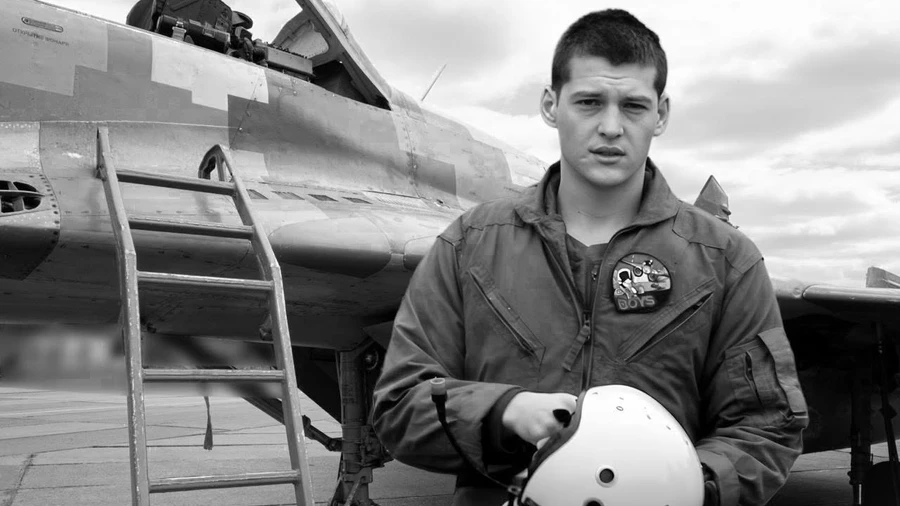
Ukraine has lost a pilot and a MiG-29 fighter jet in combat, the Ukrainian Air Force said.
The pilot, Captain Marat Mambetov, a flight commander with the 40th Tactical Aviation Brigade, was carrying out missile and bomb strikes against Russian forces along the front when his aircraft was hit by an enemy missile. He ejected but did not survive.
“Another Ukrainian defender was killed in action on 1 October 2026,” the Air Force said. “During a combat mission, the aircraft was hit by an enemy missile; the pilot ejected but, sadly, did not survive.”
Mambetov served with the 40th Tactical Aviation Brigade, also known as the “Ghost of Kyiv” brigade.
Estonia bans transit of Russian and Belarusian grain in response to blockade of Ukrainian ports
Estonia has banned the transportation of Russian and Belarusian grain through its territory, Foreign Minister Margus Tsahkna said, citing Russia’s blockade of Ukrainian grain exports.
Tsahkna said Russia is attacking Ukrainian ports, disrupting the country’s grain exports and seeking alternative routes for shipping its own grain. Estonia, he said, will not provide such a route.
“I warned already in September: do not make plans to transport Russian grain through Estonia. Today, we turned that warning into law,” Tsahkna said.
He added that the Baltic states are coordinating efforts to prevent their ports from becoming transit routes for Russian grain. “Russia cannot wage a war of aggression and expect us to help keep its trade flowing. We will not help finance its war or make its aggression easier to sustain,” Tsahkna said.