


Pharmacy shelves empty due to Russian strikes on the drug supply chain
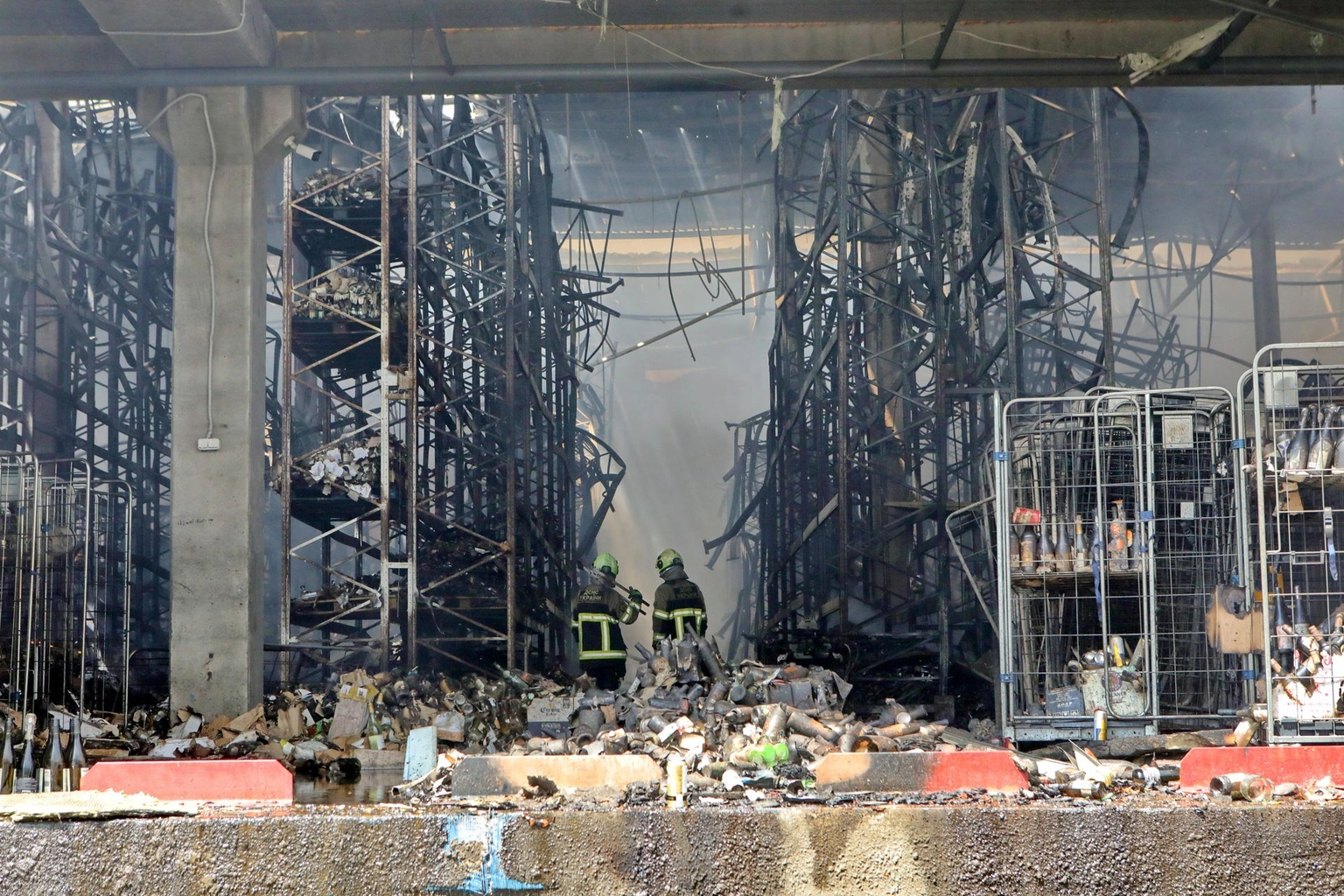
Russian strikes on pharmaceutical warehouses, logistics hubs, and manufacturing plants have disrupted Ukraine’s drug supply chain, leaving many pharmacy shelves empty and forcing patients with chronic illnesses to search online for help obtaining essential medicines. Since August, repeated attacks have hit major distributors and factories, with seven strikes on pharmaceutical facilities recorded in September alone. The Health Ministry has described the pattern as systematic targeting of civilian pharmaceutical infrastructure.
Patients dependent on specific medications, including thyroid hormone replacements, hormonal treatments, and drugs for cardiology, neurology, and other conditions, are among the most affected. Some medicines produced at a destroyed plant in Sumy were not manufactured elsewhere in Ukraine. While a full nationwide shortage has not yet occurred, experts warn that gaps could appear in the coming weeks as existing pharmacy stocks run down. Major distributors that handle the majority of pharmacy deliveries have suffered heavy losses from warehouse strikes near Kyiv, in Odesa, Rivne, and elsewhere.
One leading manufacturer, Kusum, lost its Sumy plant and estimates damages at $40–45 million. The company is attempting to shift production to facilities in India, though regulatory approval for relocated drugs could take months. Price controls limit how quickly companies can raise costs, protecting patients in the short term but creating risks that some products may become unprofitable to produce or import. Officials stress the need for contingency planning as the attacks continue.
Diesel deal falters as two of three tankers divert from U.S. course
Two of the three tankers carrying Russian diesel under the recent agreement between U.S. President Donald Trump and Vladimir Putin have abruptly changed course and are no longer heading to the United States, the Financial Times reported. The Sierra Leone-flagged Leruo switched its destination signal to Brazil, while the sanctioned Russian tanker Talisman diverted into the Mediterranean Sea and is now off the coast of Algeria, listing its status as “for orders.”
A third vessel, the Greek-owned Agioi Fanendes, continues toward the U.S. but is also signaling “for orders,” indicating no confirmed discharge port. Analysts noted that U.S. buyers appear hesitant due to regulatory, legislative, and sanctions-related risks. American ports have shown reluctance to accept the cargoes amid concerns over potential sanctions violations.
The deal, announced after a Trump-Putin call on October 9, was intended to supply hundreds of thousands of tons of Russian diesel to U.S. and global markets in an effort to lower fuel prices. However, the diversions mark a significant setback, with industry observers saying the third tanker could also divert given the ongoing caution among U.S. importers.
Ukraine's anti-corruption court has ordered an investigation into a prominent ally of President Zelensky
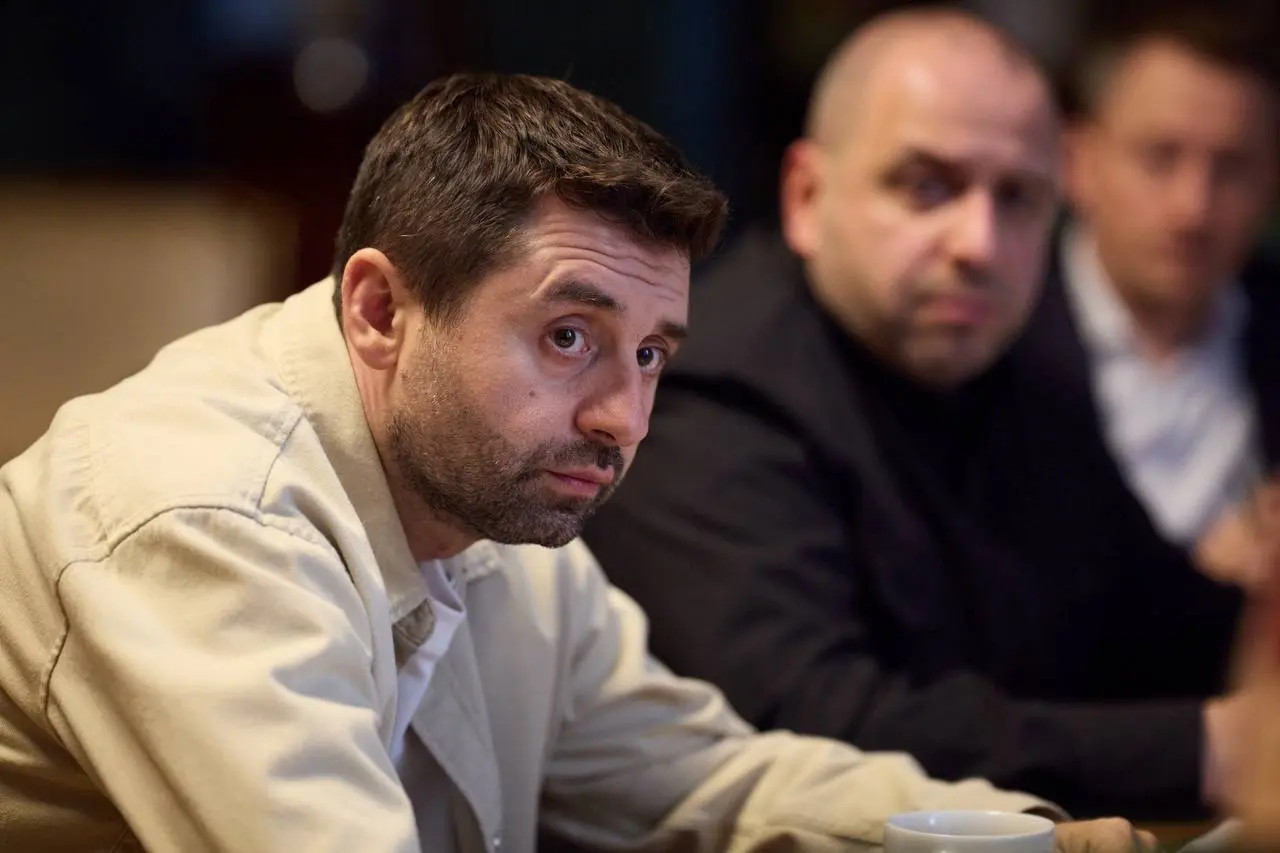
Ukraine’s Supreme Anti-Corruption Court on November 4 ordered Acting Prosecutor General Anton Kovalsky to open a case into alleged corruption involving David Arakhamia, head of President Volodymyr Zelensky’s parliamentary faction. The ruling followed a complaint by the independent watchdog Anti-Corruption Action Center (AntAC), which accused Arakhamia of possible involvement in buying votes in parliament.
AntAC’s complaint referenced a National Anti-Corruption Bureau (NABU) case in which five lawmakers from the Servant of the People party, including one of Arakhamia’s deputies, were charged with receiving cash in exchange for votes. The Prosecutor General’s Office had previously refused to register the complaint, stating the circumstances were already under investigation in another case. Under Ukrainian law, the prosecutor general’s approval is required for NABU to investigate members of parliament.
AntAC emphasized that it is not declaring Arakhamia guilty and is seeking only the registration of the allegations so a pre-trial investigation can proceed. Arakhamia told the media outlet he had not yet looked into the matter and denied involvement in anything unrelated to de-escalating the war or securing necessary legislation. The ruling removes a key procedural barrier, and AntAC said it would pursue further action if Kovalskyi fails to comply.