


Large-scale Russian overnight attack leaves dozens injured as air defenses intercept most missiles and drones
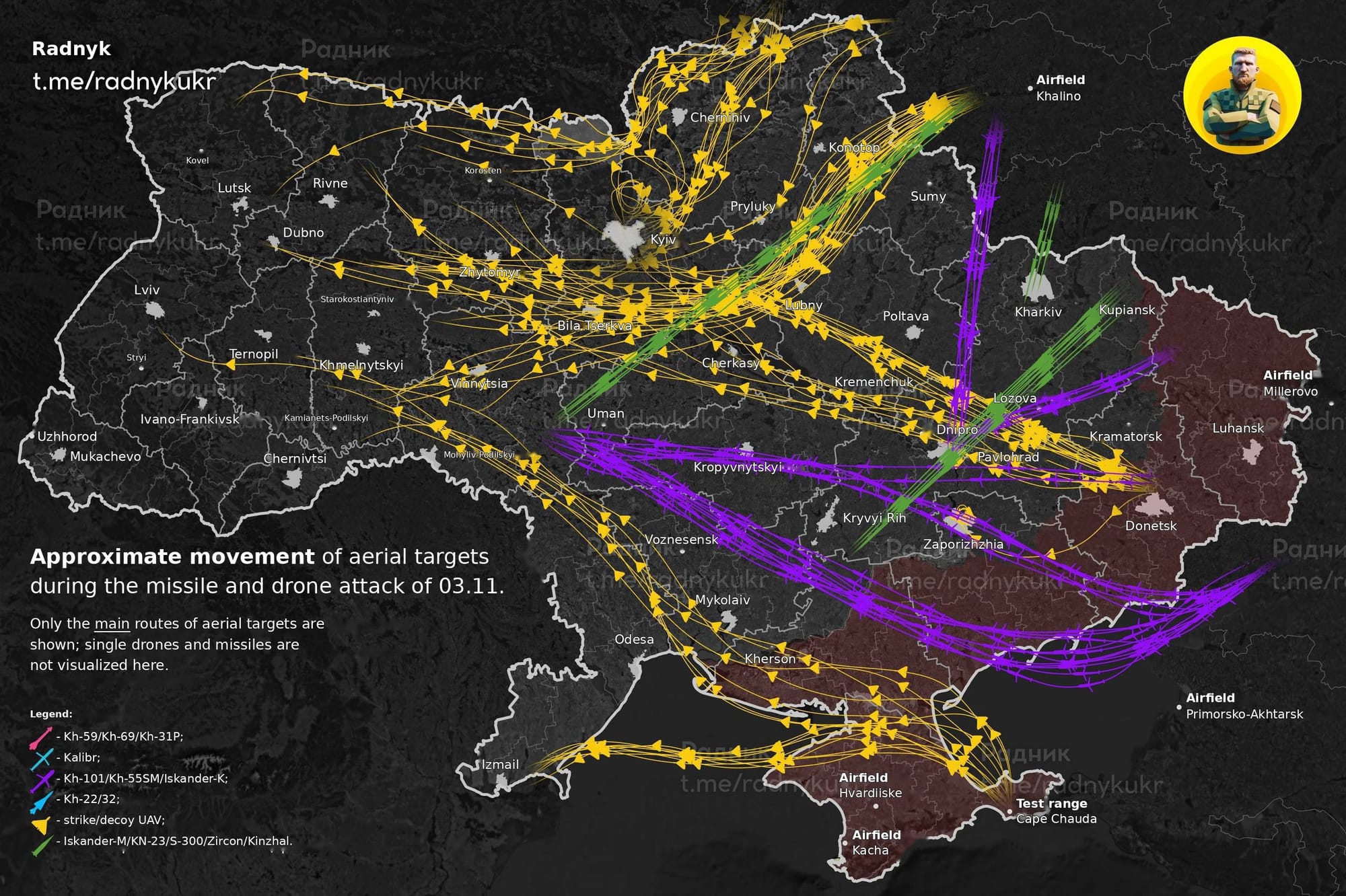
Ukrainian air defenses worked intensively through the night, neutralizing 257 out of 289 attack drones and 49 out of 59 cruise missiles launched by Russian forces. The Air Force also reported the interception of three ballistic missiles. Despite the high success rate, a significant number of weapons still reached their targets, causing widespread damage to civilian infrastructure, energy facilities, and residential areas across multiple regions.
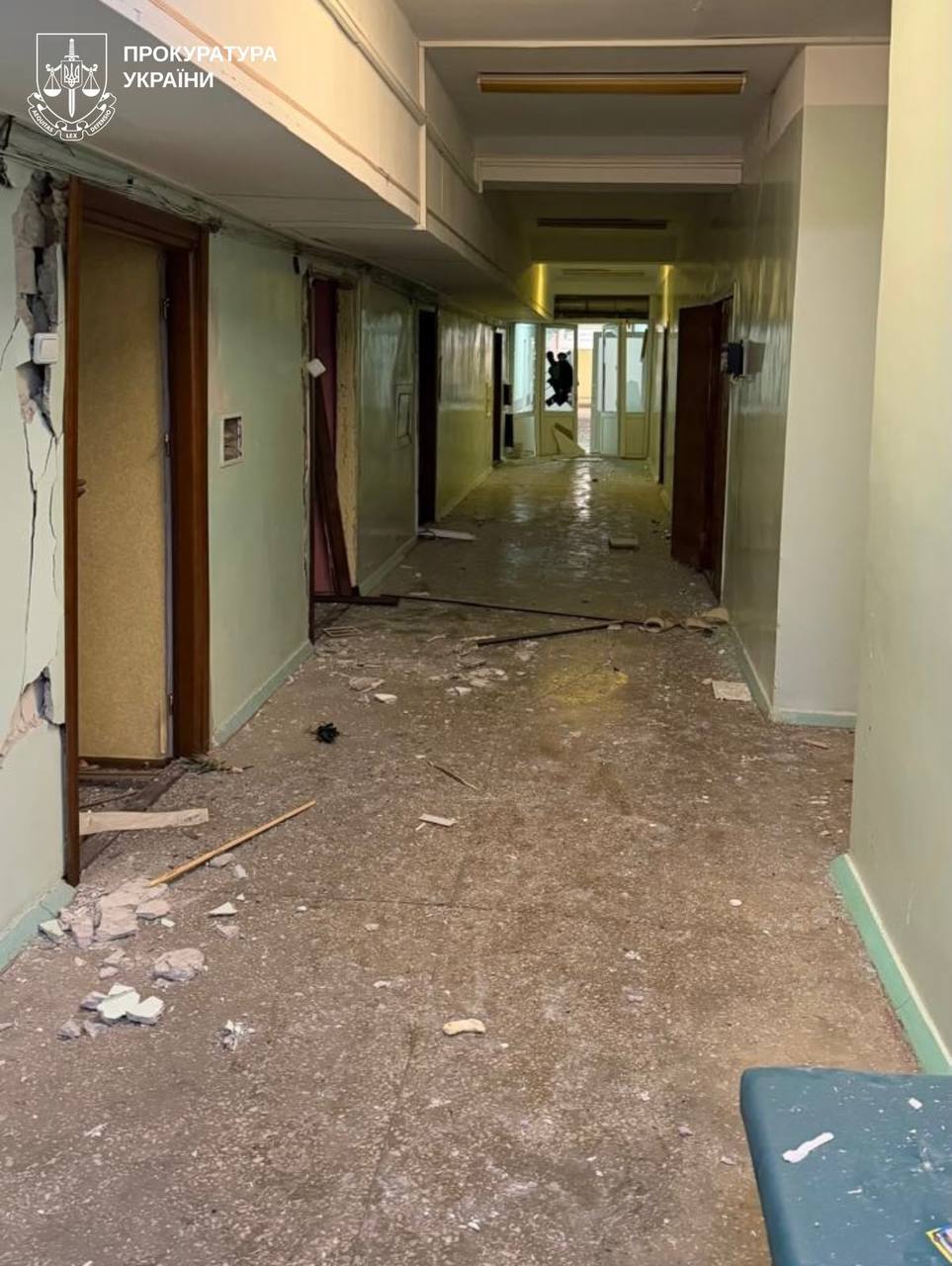
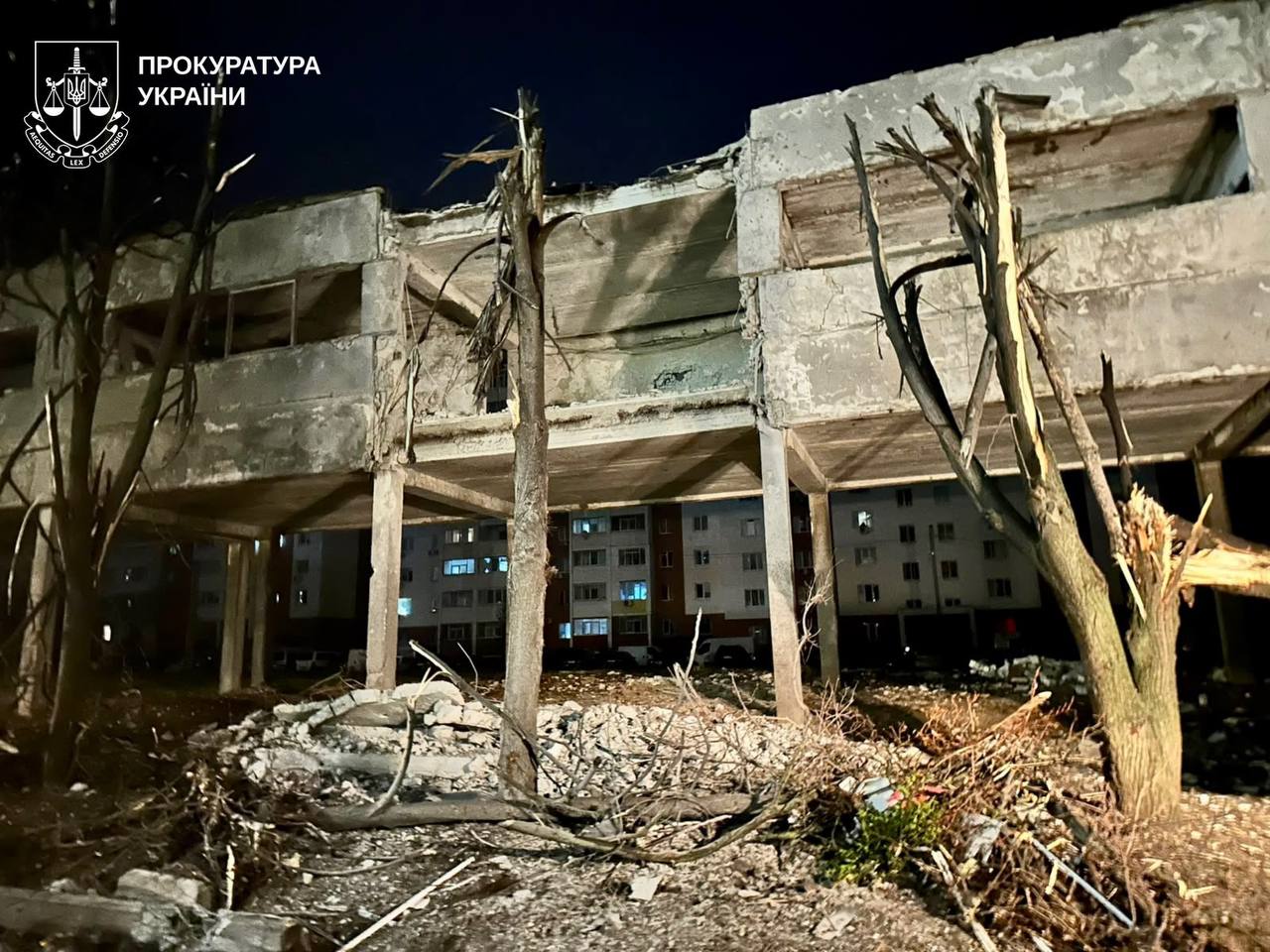
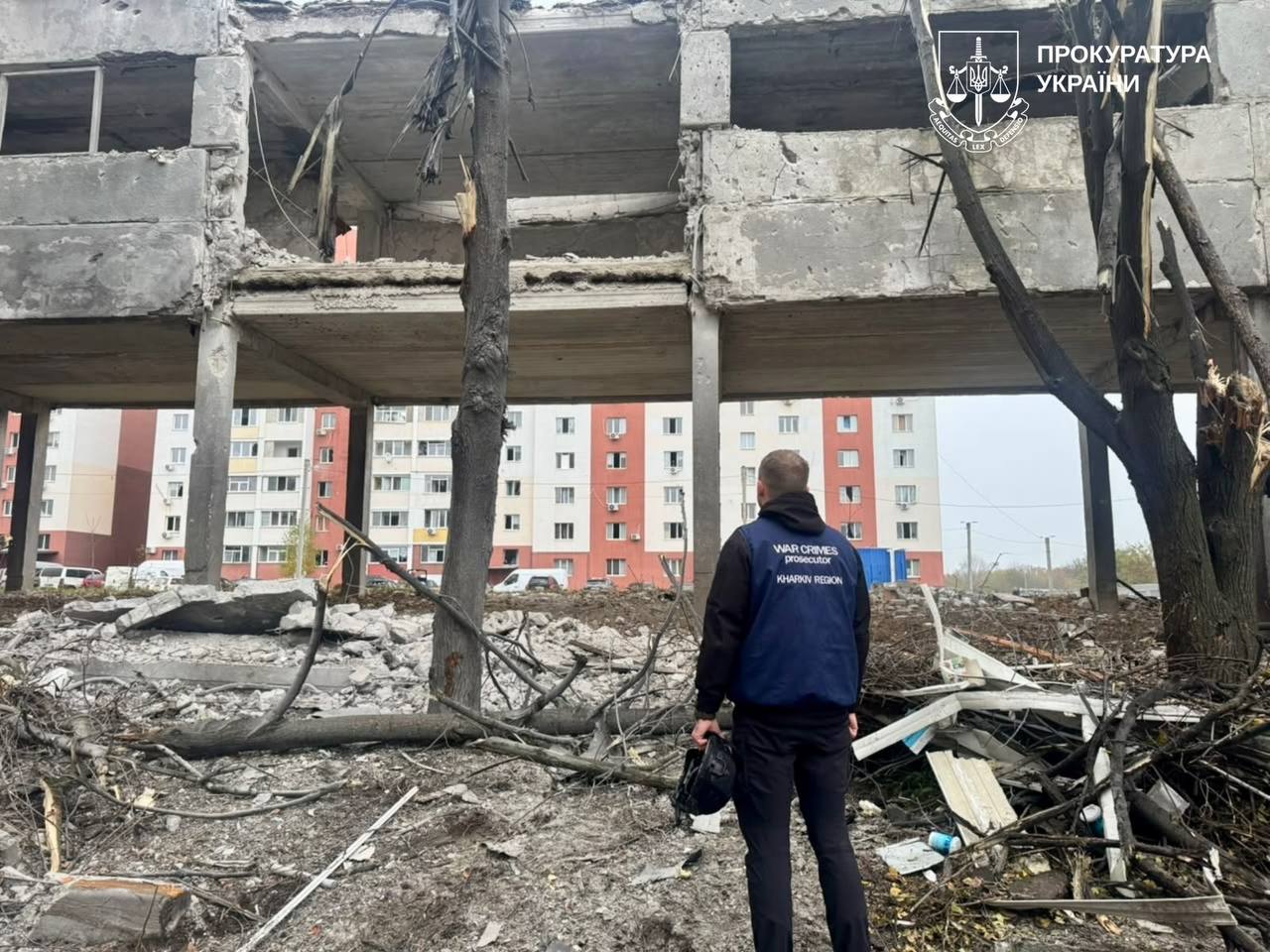
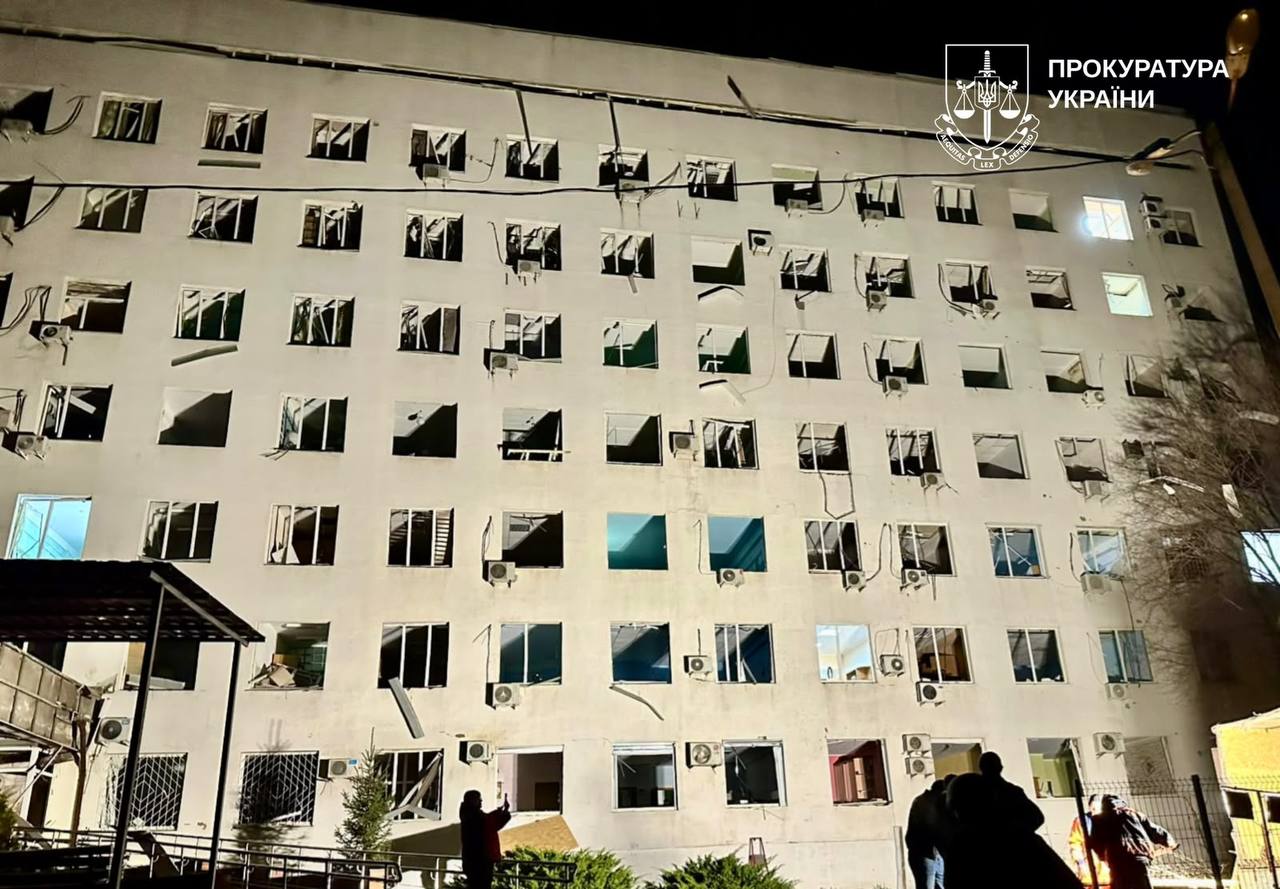
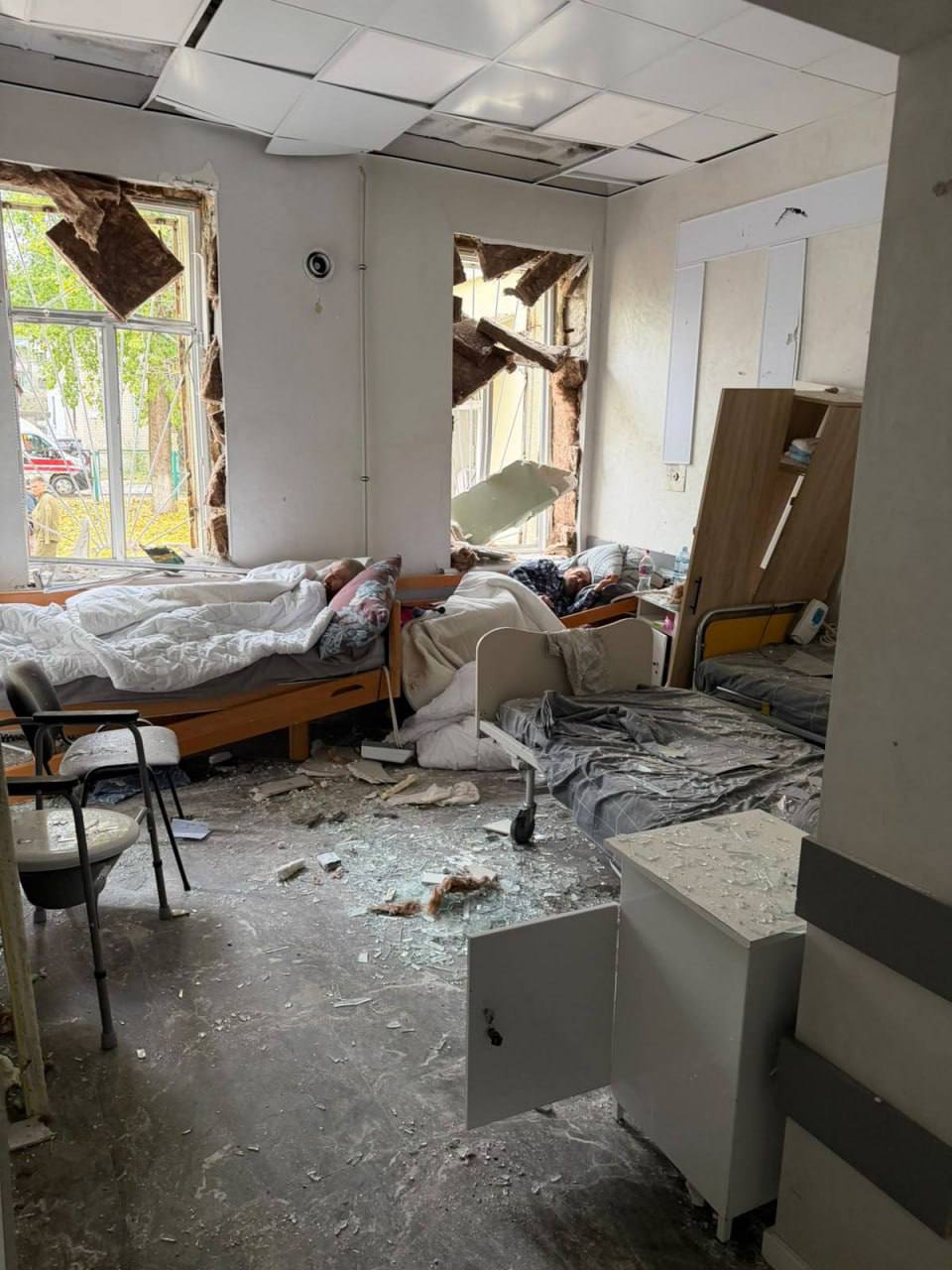
The aftermath of the Russian attack in Kharkiv - destroyed hospital
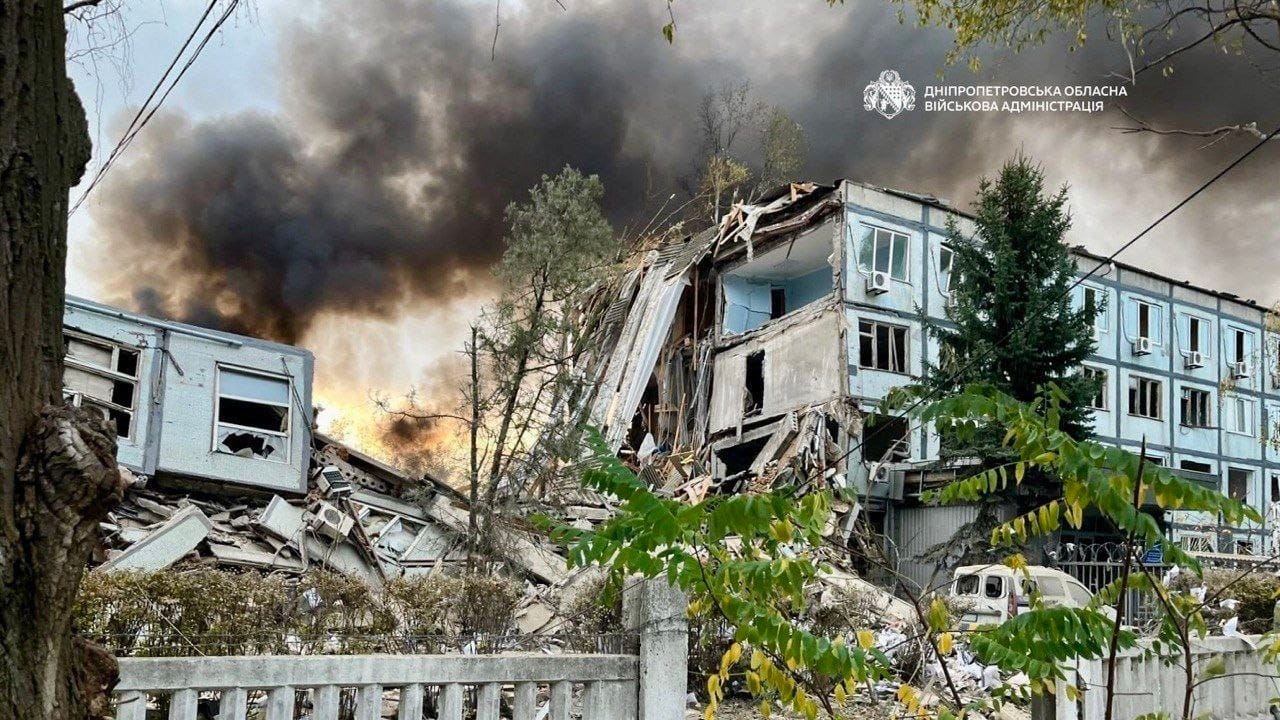
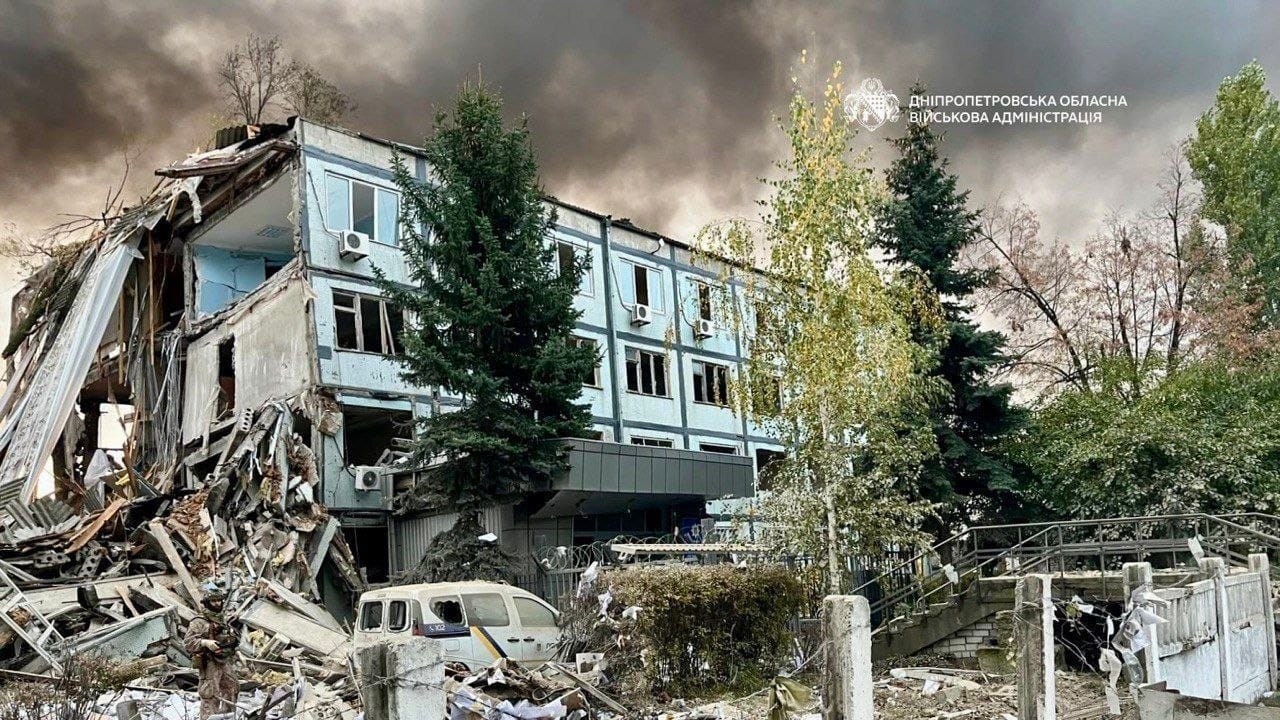
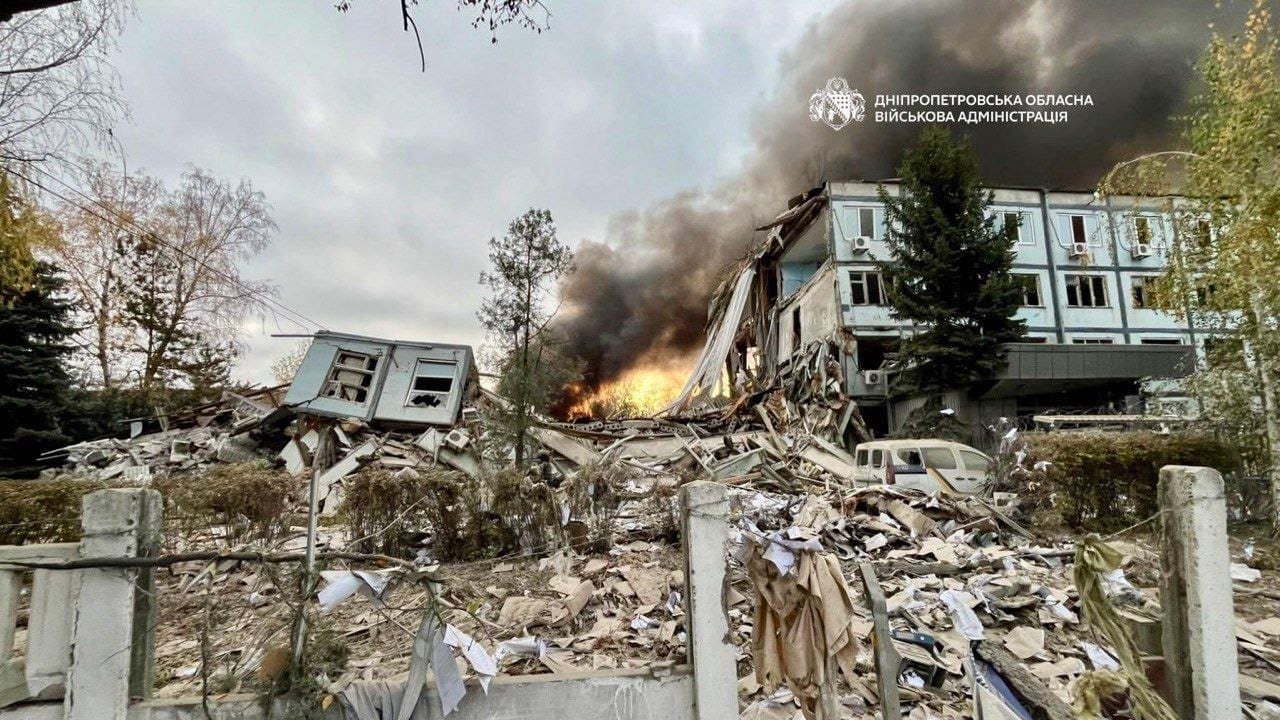
The heaviest toll was recorded in Kharkiv, where Russian forces struck a medical facility. An aerial bomb hit a passageway connecting hospital buildings, injuring at least 73 people. Combined with additional strikes on critical infrastructure, the attack led to a partial suspension of heat supply and hot water in parts of the city. In Dnipro, a Russian missile struck a hospice caring for terminally ill patients. Across Dnipropetrovsk Oblast, critical infrastructure and a multi-story residential building were damaged, leaving five people injured.
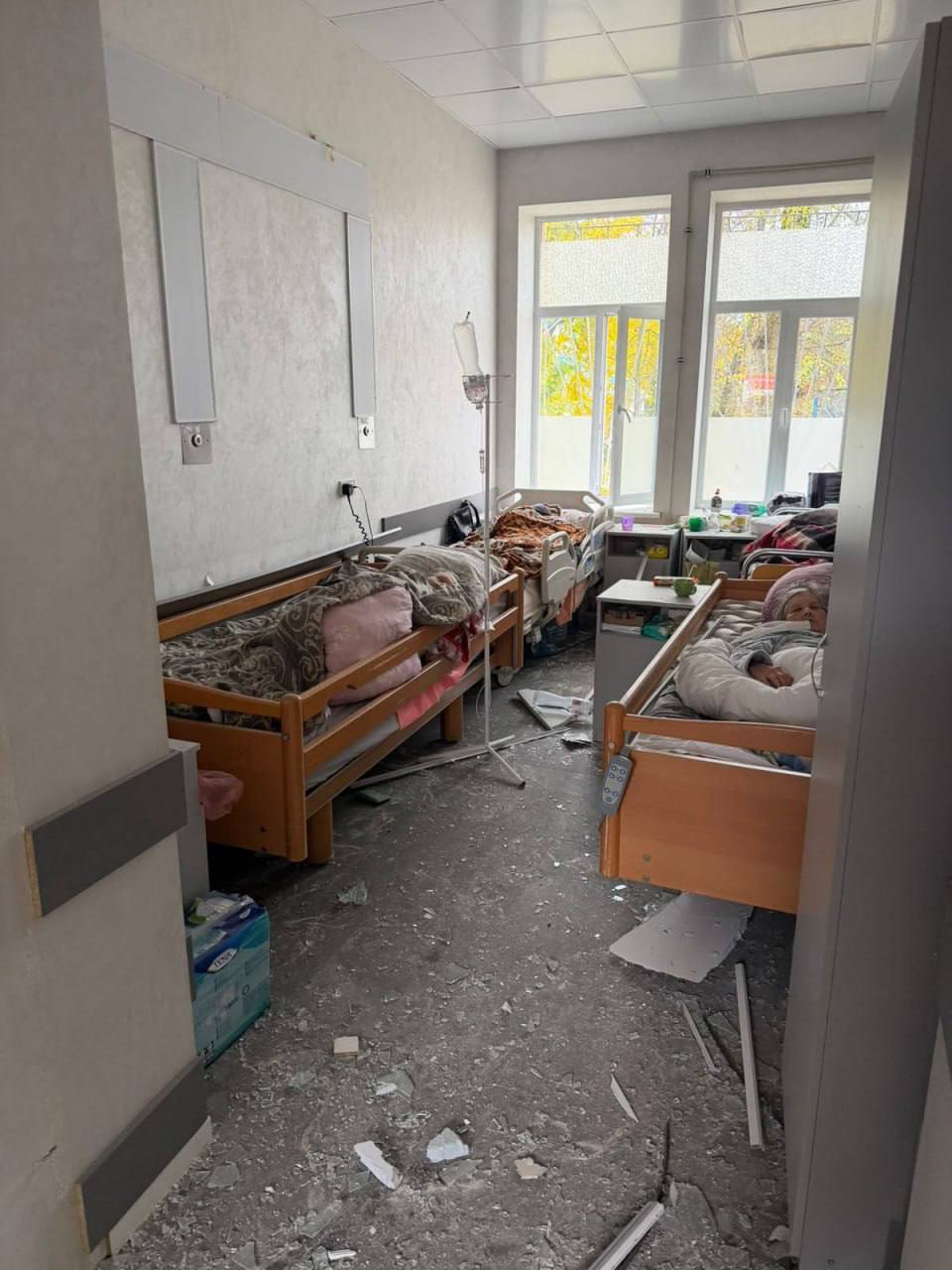
Damaged hospis on Dnipro after the attack
Other regions also came under fire. In Khmelnytskyi and Vinnytsia oblasts, a residential building and energy infrastructure were hit. In Zaporizhzhia and Cherkasy oblasts, residential houses were damaged and a 71-year-old woman was injured. Energy company DTEK reported that three thermal power plants stopped generating electricity following the strikes, describing the destruction as large-scale. The overnight assault once again targeted both civilian and energy infrastructure in several parts of the country.
Some Oleshky residents still seek evacuation, as others remain on the road to Ukraine
Ukraine’s Human Rights Commissioner Dmytro Lubinets said on November 2 that some residents in Russian-occupied Oleshky are still willing to leave. He spoke personally with people who chose to stay and confirmed that they had been provided with food, water, medicines, fuel for generators, and hospital equipment. At the same time, several families evacuated during the recent humanitarian mission were still traveling toward Ukrainian-controlled territory because their health conditions made air travel impossible.
Lubinets noted that the exact number of people still in Oleshky cannot be verified, and Ukraine is restricted by agreement with Russia from publicly disclosing the total number of those evacuated. U.S. First Lady Melania Trump, who helped broker the temporary ceasefire that enabled the operation, stated that nearly 800 people were evacuated and critical aid was delivered. An animal rescuer caring for about 70 animals was among those who could not leave during the main mission.
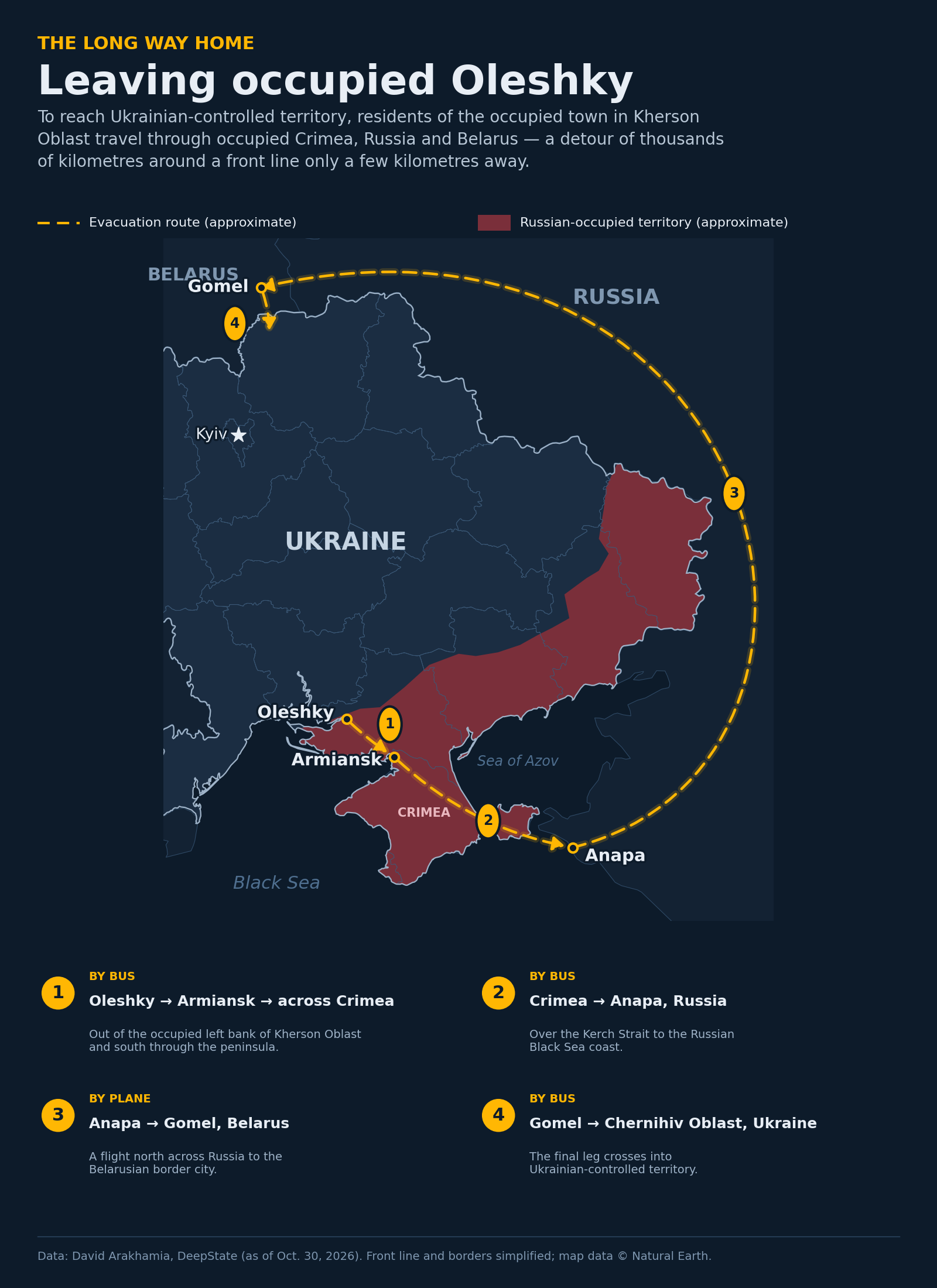
Lubinets and his Russian counterpart, Yana Lantratova, discussed making humanitarian deliveries to Oleshky systematic, ideally once a month, and explored the possibility of extending similar missions to other frontline settlements. Both sides observed the temporary ceasefire, which lasted nearly six days. Oleshky has remained under Russian occupation since the early days of the full-scale invasion and has faced severe shortages after being effectively blockaded.
US first lady to bring together Ukrainian and Russian representatives at White House
The White House has announced that U.S. First Lady Melania Trump will personally bring representatives of Russia and Ukraine together at the White House. The statement described the planned event as “an extraordinary moment in American history.”According to the White House, Melania Trump will also deliver a statement regarding the recent humanitarian operation in Oleshky on Thursday, November 5, at the White House.
The announcement did not provide details on which specific representatives have been invited or when the meeting is expected to take place.