


North Korea pauses military aid to Russia
North Korea has temporarily suspended military assistance to Russia following a diplomatic disagreement over Moscow’s approach to South Korea, Ukraine’s military intelligence (HUR) reported on November 26. The measures include a ban on Russian military transport aircraft using North Korean airspace and a halt to deliveries of KN-23 ballistic missiles and artillery shells.
Tensions reportedly escalated in October after Russian Deputy Foreign Minister Andrei Rudenko suggested Moscow could help de-escalate relations between Seoul and Pyongyang. North Korea’s Foreign Minister Choe Son Hui responded that such comments were inconsistent with the countries’ alliance and demanded clarification of Russia’s policy toward South Korea. HUR said the temporary suspension was ordered on the personal decision of leader Kim Jong Un.
Pyongyang has also declined a Russian request to expand its troop contingent in Russia from around 8,500 to as many as 50,000. North Korean units, including special forces and a missile unit, remain deployed in Russia’s Kursk and Voronezh oblasts. The claims could not be independently verified.
Russia warns US of Ukrainian plans to liberate Kherson and enter North of Crimea next year
Russia has informed U.S. officials of what it claims are Ukrainian plans to fully liberate Kherson Oblast and advance into northern Crimea during the spring-summer campaign of 2027, according to Ukrainian military analyst Pavliuchenko. Moscow is now urging President Donald Trump to pressure Kyiv to abandon the reported objectives.
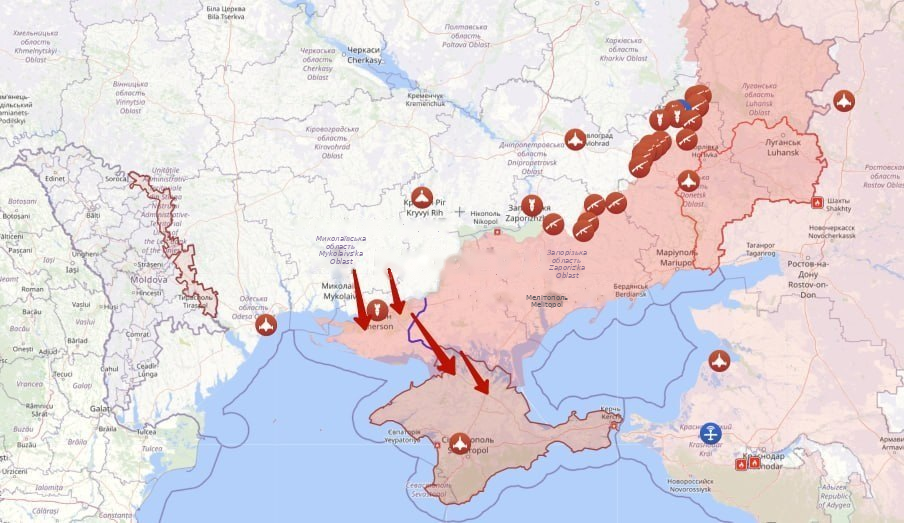
Through Kirill Dmitriev and Jared Kushner, the Kremlin allegedly relayed a warning from Vladimir Putin. If Ukraine moves to implement the plans, Russia intends to conduct a new mobilization to increase the overall strength of its armed forces. Moscow would also consider itself released from previous commitments not to use tactical nuclear weapons should Ukrainian forces appear in Crimea.
Putin is asking Trump to personally intervene and persuade President Volodymyr Zelensky to drop what Russia describes as further escalation through the expansion of the combat theater.
Russians attacked infrastructure across Ukraine and civilian vessels near Odesa
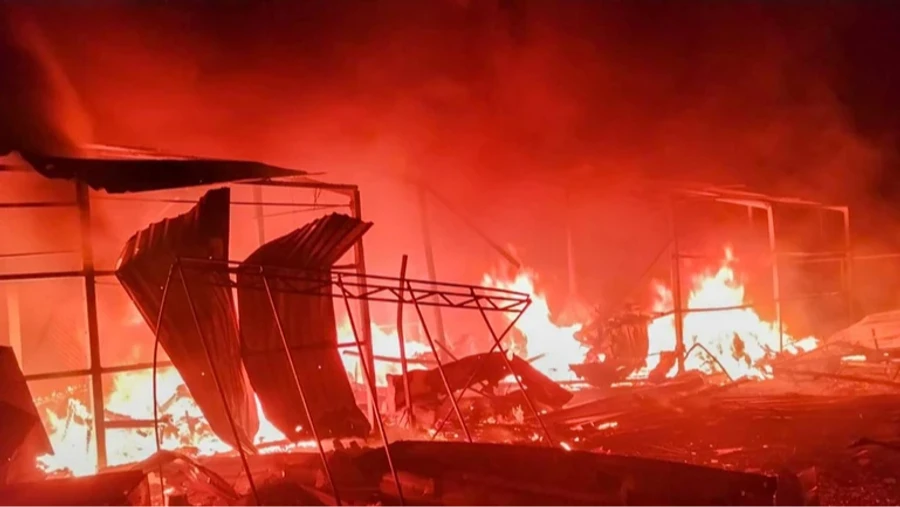
Russian forces attacked water supply facilities, heating networks, shopping centres and residential buildings across Kyiv and seven oblasts overnight on November 25–26, injuring at least 10 people, Prime Minister Serhii Koretskyi said. In Dnipropetrovsk Oblast, repeated strikes hit water utility sites in what he described as a deliberate attempt to cut off supplies. Shopping centres caught fire in Kryvyi Rih and Pavlohrad, heating networks were damaged in Zaporizhzhia, and a drone struck an apartment building in Kharkiv.
At sea near Odesa, Russian forces attacked two foreign civilian vessels carrying more than 100,000 tonnes of grain. Koretskyi condemned the strikes on critical civilian infrastructure and maritime shipping as part of ongoing efforts to disrupt daily life and Ukraine’s export capacity.
Russia prepares new mass attack on Ukraine's energy infrastructure
President Volodymyr Zelensky said on November 26 that Russia is completing preparations for a new large-scale attack targeting Ukraine’s energy and logistics infrastructure, as well as other critical life-support facilities. The warning followed a meeting on the country’s power supply situation.
Zelensky noted that repairs continue around the clock in the hardest-hit areas, particularly Dnipro, the surrounding district and Pavlohrad in Dnipropetrovsk Oblast, as well as in parts of Odesa, Kharkiv and Sumy oblasts. Russia has already intensified combined missile and drone strikes aimed at Ukraine’s energy grid this autumn as part of its fifth winter offensive of the full-scale war.
The president said he is awaiting a foreign ministry report on talks with partners regarding additional air-defense support, as Ukraine continues to face shortages and delays in interceptor missile deliveries.
US envoy Kushner claims that Europe is at war with Russia, calling the conflict in Ukraine a "proxy war"
U.S. special envoy Jared Kushner has described the war in Ukraine as a “proxy war” in which Europe is funding and arming Ukraine against Russia. In a podcast interview, he warned that the conflict remains contained for now but could escalate dramatically through miscalculation.
Kushner also dismissed European concerns about potential Russian aggression as unfounded and argued that Ukraine’s demands for security guarantees go beyond what other countries are prepared to offer. He suggested that offering NATO membership to Ukraine in 2008 might have delayed the war by one or two decades, while repeating the Russian view that NATO expansion through the Ukrainian “corridor” has long been a red line for Moscow.
The envoy said U.S. negotiators are trying to find measures that neither side perceives as a threat, describing NATO as a defensive alliance and attributing mutual fears to misunderstanding and poor communication.
P.S.
Happy Thanksgiving to all our subscribers in the USA! We are so grateful for your support and wish you a warm, joyful holiday with your loved ones. 🦃