


Russian drone destroys a five-story apartment building near Kyiv, killing at least 4
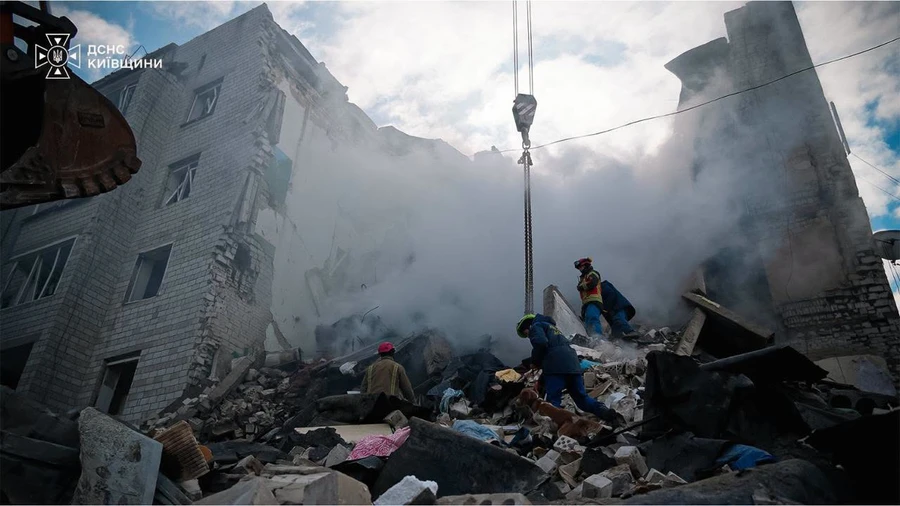
A Russian drone struck a five-story residential building in the village of Dymer, Vyshhorod district of Kyiv Oblast, overnight on November 22, collapsing an entire section from the first to the fifth floor and sparking a fire. At least four people were killed and several others injured, with search-and-rescue operations continuing amid the constant threat of further strikes. President Volodymyr Zelensky confirmed four fatalities by the evening and said emergency workers had pulled a child alive from the rubble.
Rescuers evacuated nine residents, including one child, while up to 10 people remained unaccounted for under the debris for much of the day. Among the confirmed dead were a 48-year-old woman and an 18-year-old. A teenager born in 2010 suffered multiple shrapnel wounds and was hospitalized; a 22-year-old woman received treatment for foot lacerations at the scene. The blast wave also damaged a nearby kindergarten and a shop.

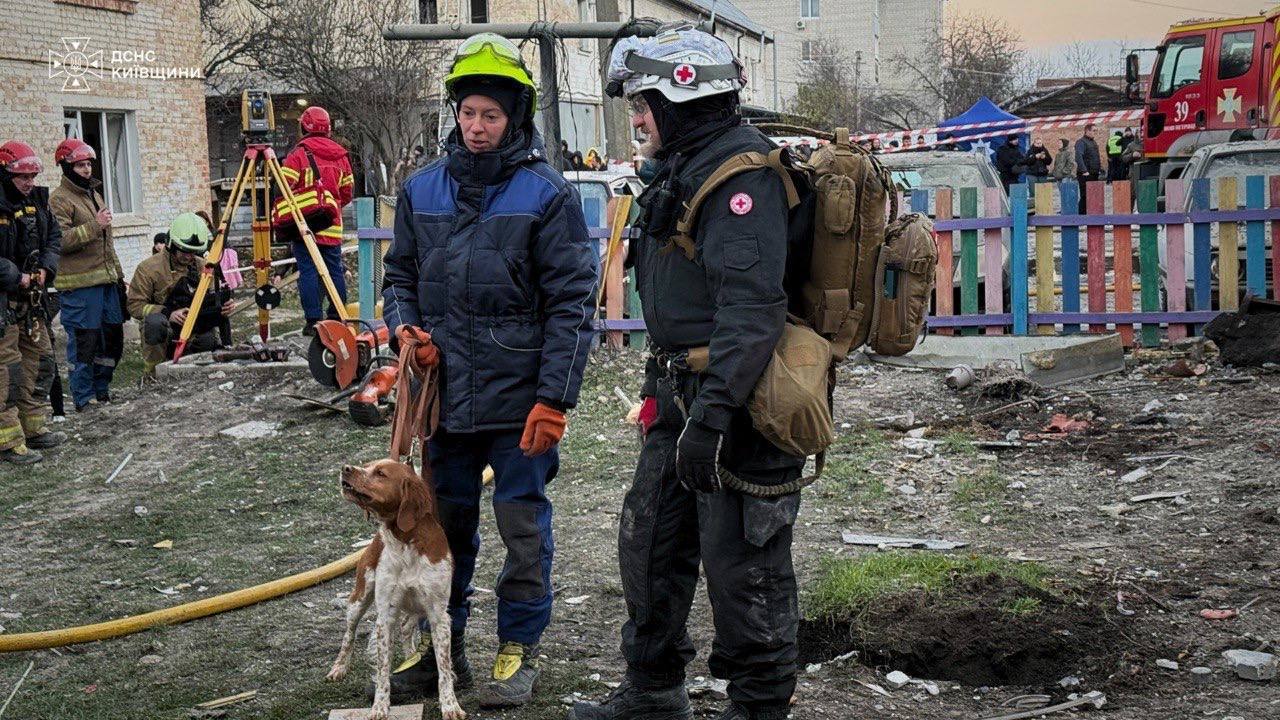
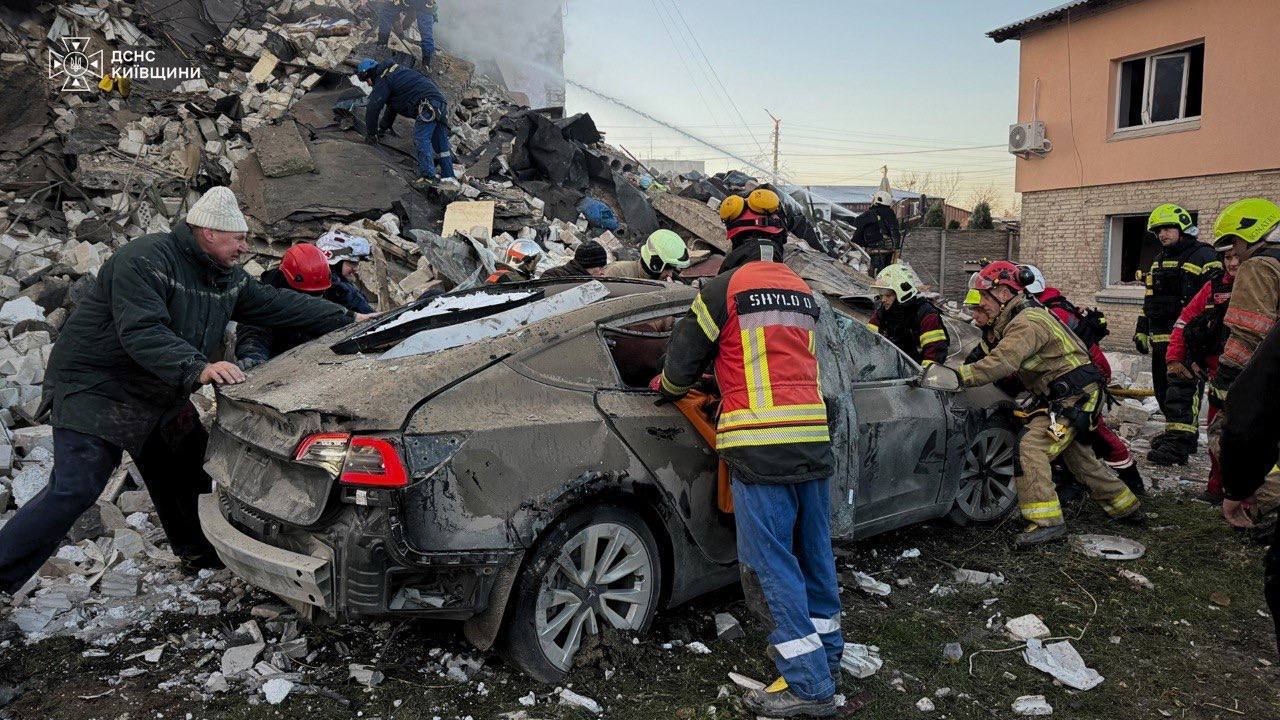
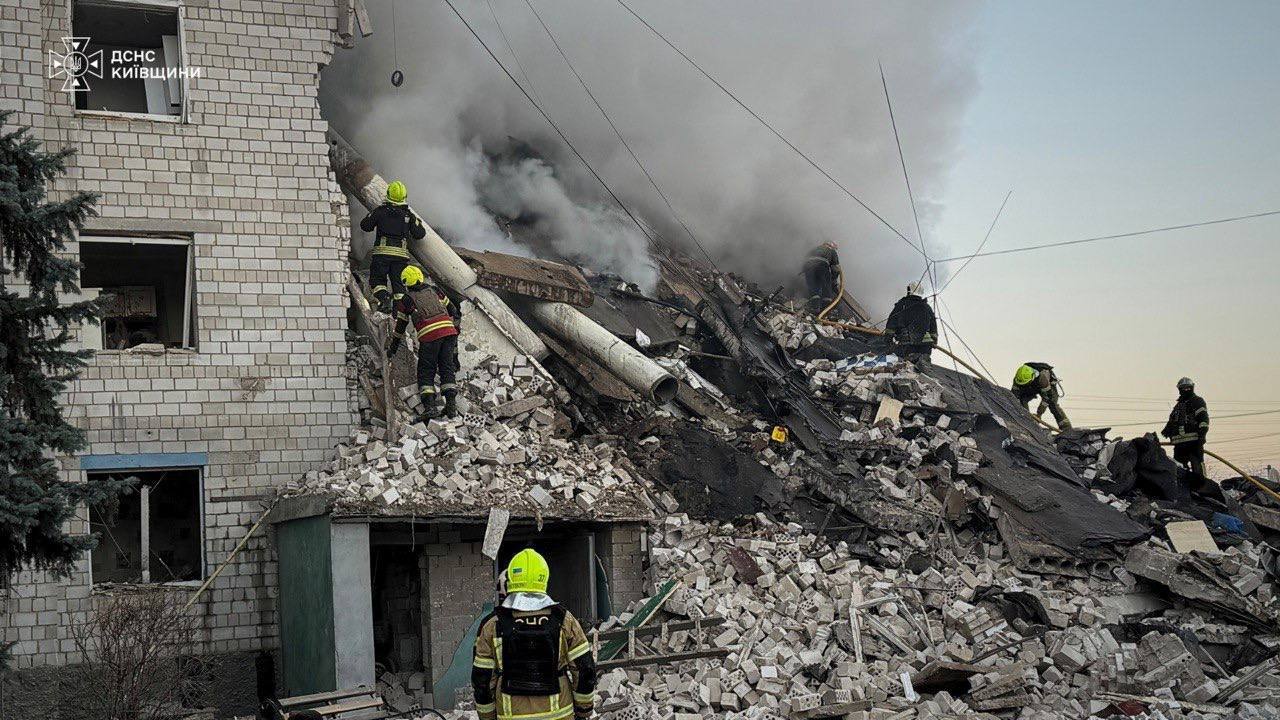
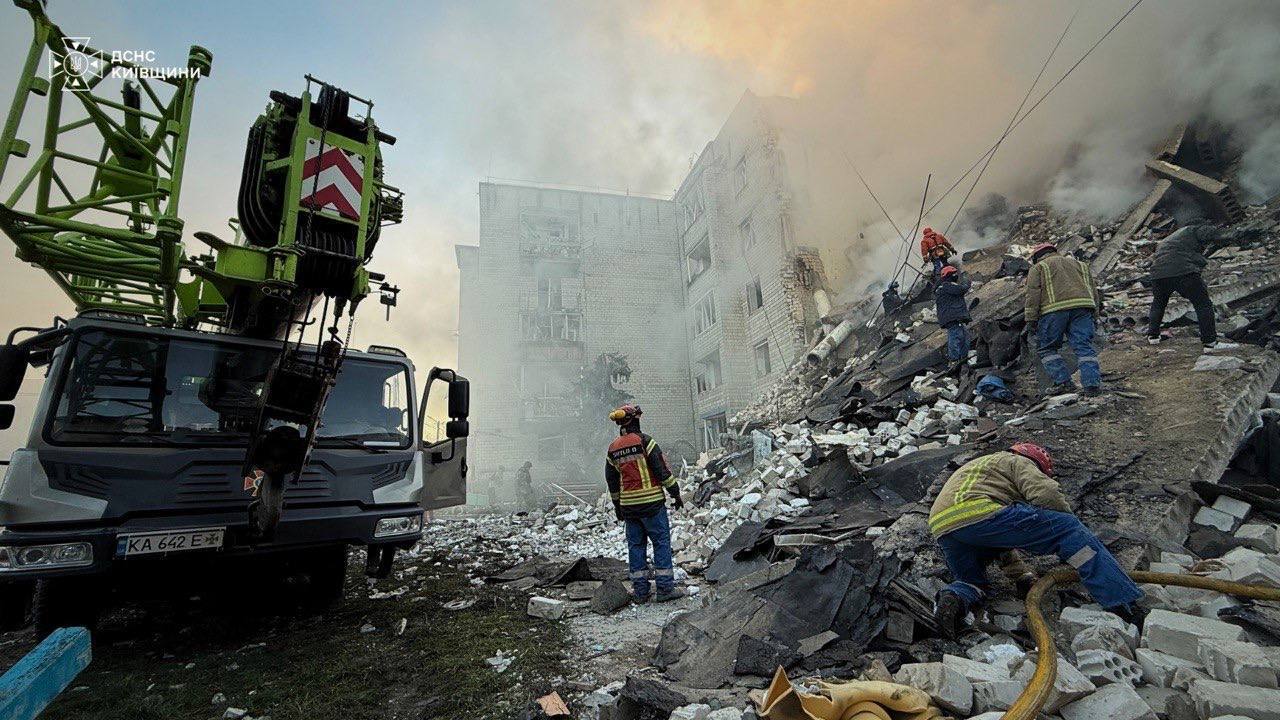
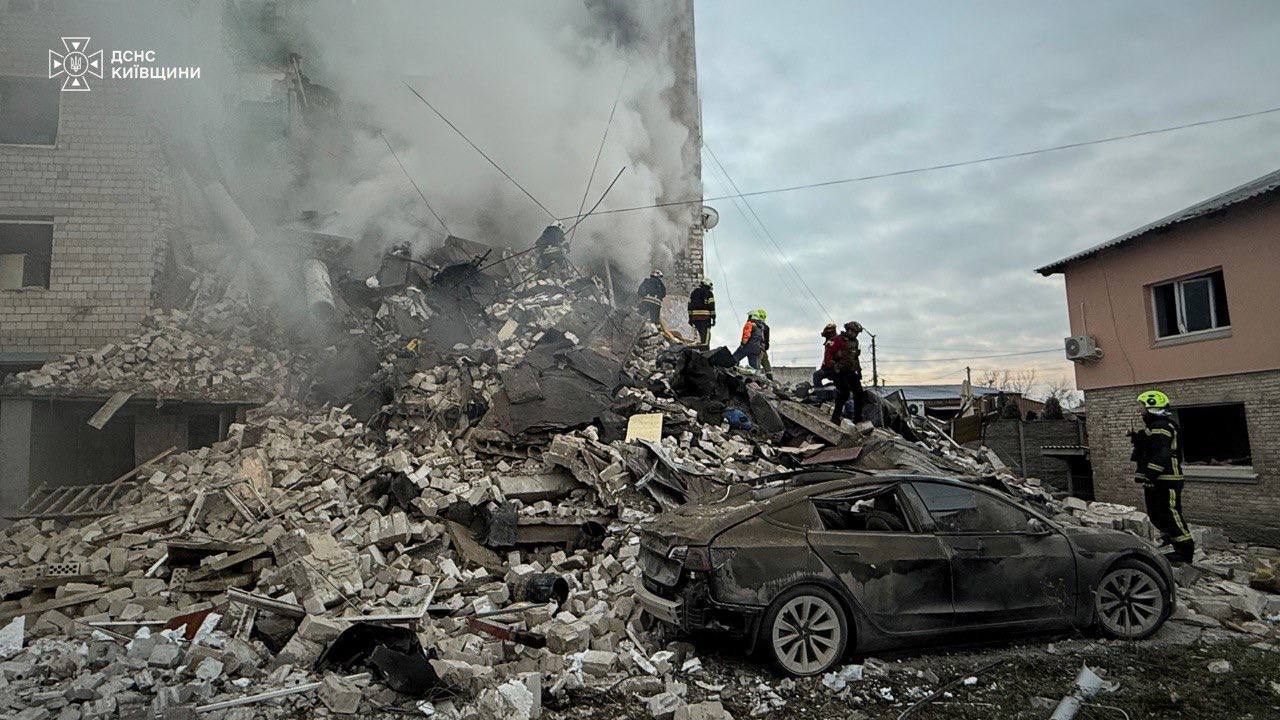
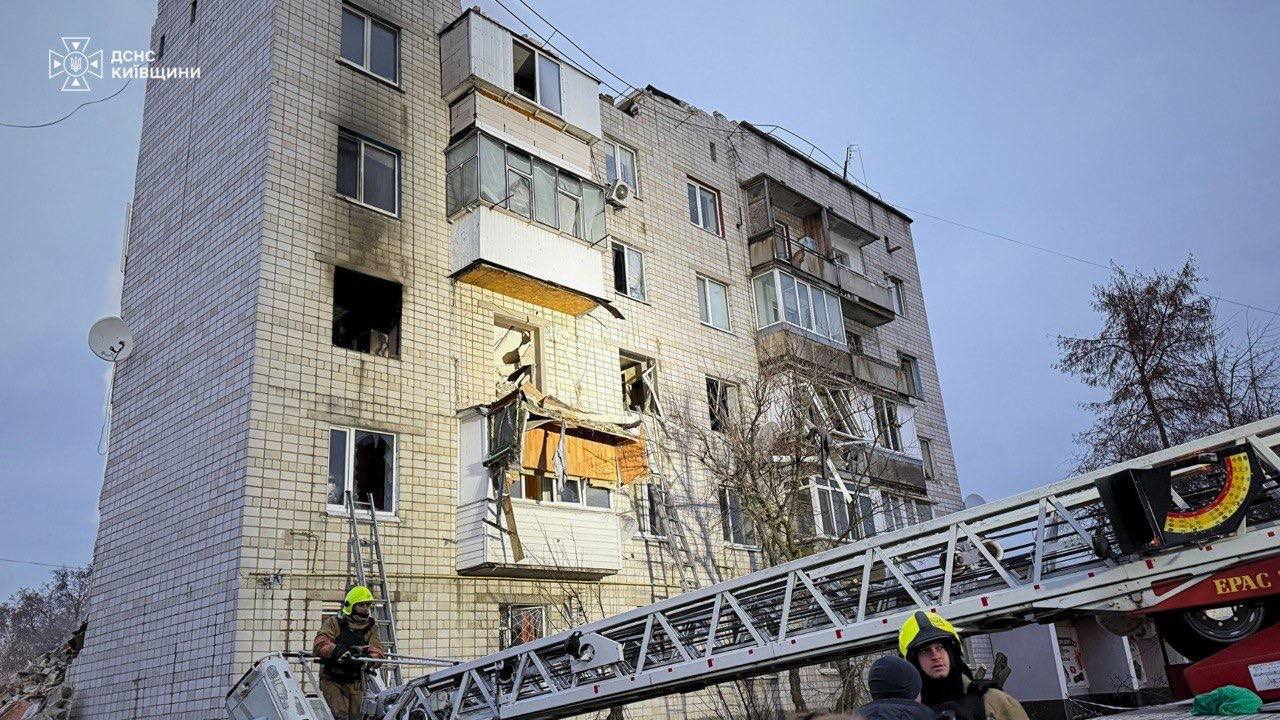
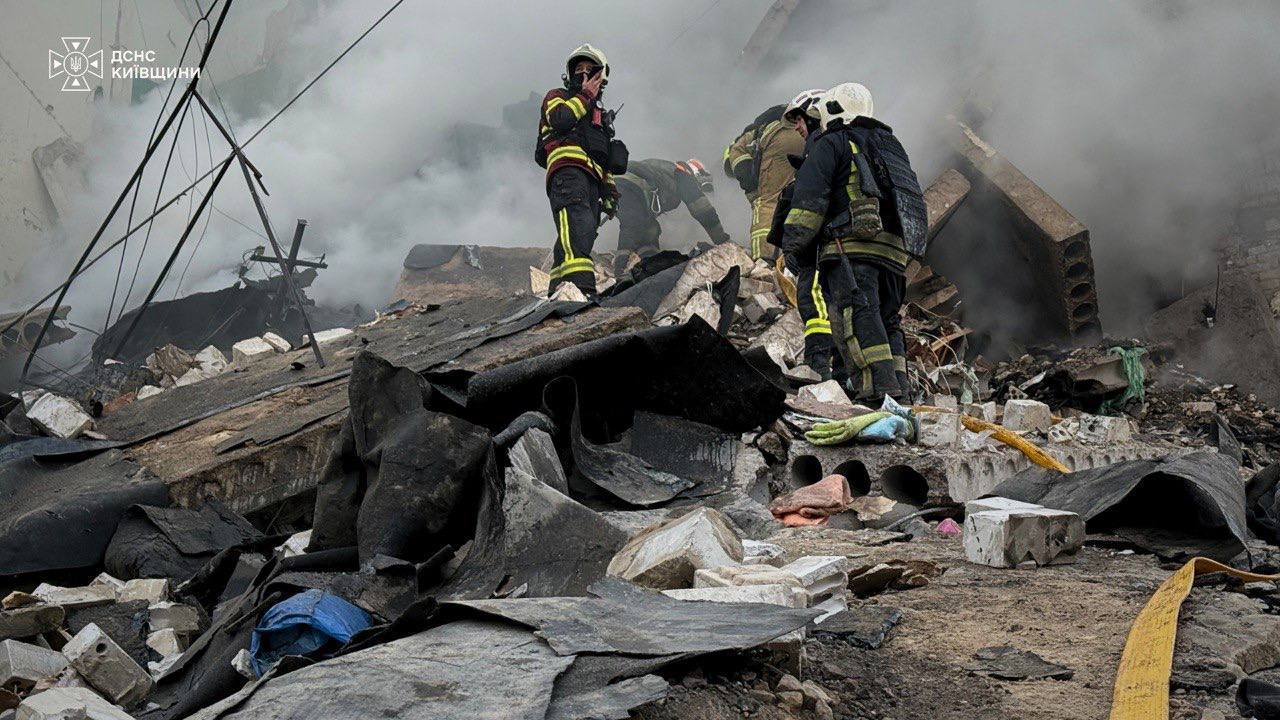
Families of the missing waited outside the ruins as operations repeatedly paused due to new air-raid alerts. One father, Arkadii Kozenko, whose 18-year-old son was inside the building, told reporters: “We live in fear.” Kyiv Oblast will observe a day of mourning on November 23. The same day saw additional deadly drone strikes in the region, including an attack on a supermarket in Vyshneve that killed two people.
Zelensky proposes temporary local ceasefires to evacuate civilians from 15 occupied settlements along the Dnipro River
President Volodymyr Zelensky has proposed temporary localized ceasefires to allow the evacuation of Ukrainian civilians from 15 settlements in Russian-occupied parts of Kherson and Zaporizhzhia oblasts. The list includes Radensk, Kostohryzove, Hola Prystan, Stara Zburivka, Nova Zburivka, Hladkivka, Velyki Kopani, Kardashynka and Velyka Kardashynka in Kherson Oblast, as well as Kamyanske, Verkhnya Krynytsia, Vasylivka, Mayachka, Zlatopil and Dniprorudne in Zaporizhzhia Oblast.
The proposal builds on the successful October 2026 humanitarian pause that enabled the evacuation of residents from occupied Oleshky and nearby areas. Zelensky noted that Ukrainian officials had earlier given the United States a list of settlements that could benefit from similar measures, but the Kremlin rejected those options. As of November 22, Moscow had not responded to the latest initiative.
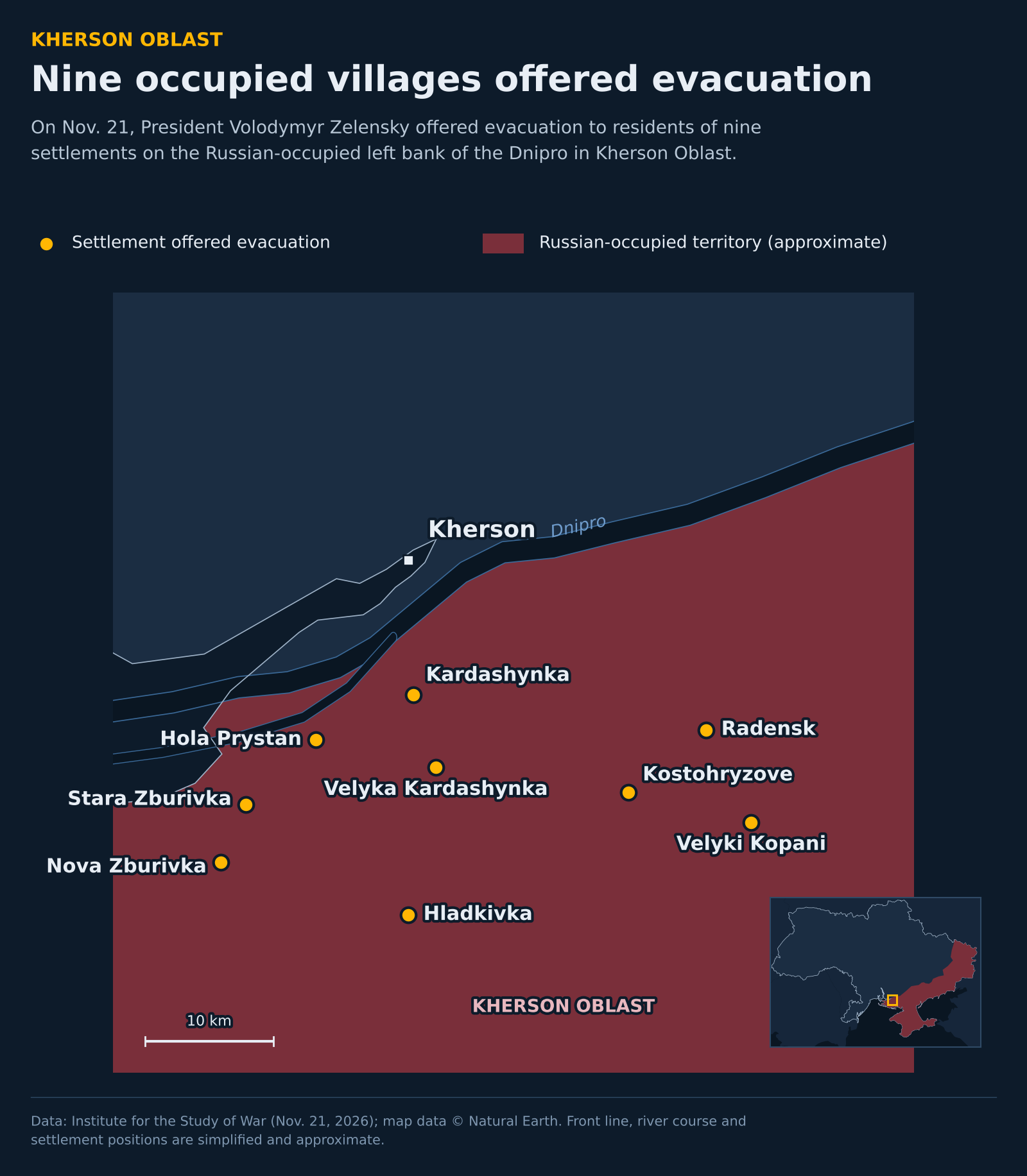
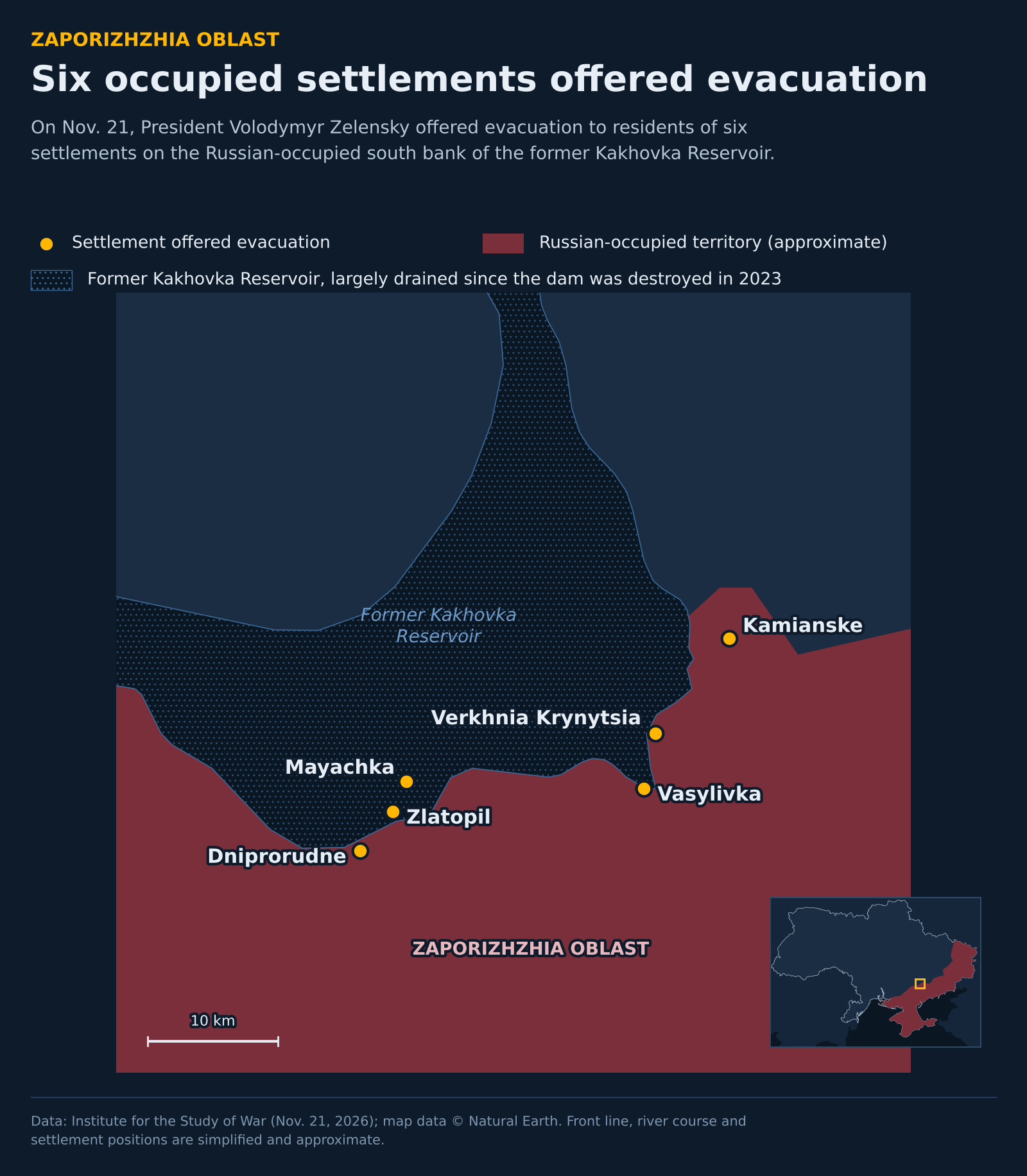
All 15 locations lie either directly on the banks of the Dnipro River or the Kakhovka Reservoir, or only a few kilometers south of them in the Russian near rear. The wide water obstacle creates a relatively stable front line that largely prevents ground combat, meaning a ceasefire would mainly require both sides to halt drone strikes and artillery fire across the river. Analysts note that such limited pauses are feasible only where geography provides a clear and defensible separation of forces, unlike more fluid sectors of the front such as around Kostiantynivka in Donetsk Oblast.
Lavrov claims most of Ukraine, including Kyiv, are “traditionally Russian lands”
Russian Foreign Minister Sergei Lavrov stated in a recently released documentary on state television channel Channel One that southeastern Ukraine and most of central Ukraine, including Kyiv, are “without a doubt traditionally Russian lands.” He insisted that Moscow must achieve its war goals and defeat what he called Russophobia in “the space now called Ukraine.”
Such claims form part of a long-running Kremlin narrative. Even before the full-scale invasion in 2022, Russian officials promoted the idea that Russia would control most of Ukraine and leave only a small rump state in the west. Senior figures have repeatedly labeled cities such as Kharkiv, Mykolaiv and Odesa as “Russian” and invoked the invented concept of “Novorossiya” covering southern and eastern Ukraine. Lavrov’s latest remarks go further, encompassing an even wider area of central Ukraine than traditional Novorossiya claims.
Analysts note that these statements reaffirm Moscow’s maximalist objectives and remain incompatible with recent U.S. proposals aimed at ending the war through compromise.