


Zelensky sent Trump an urgent letter warning of Ukraine's critical missile defense shortages
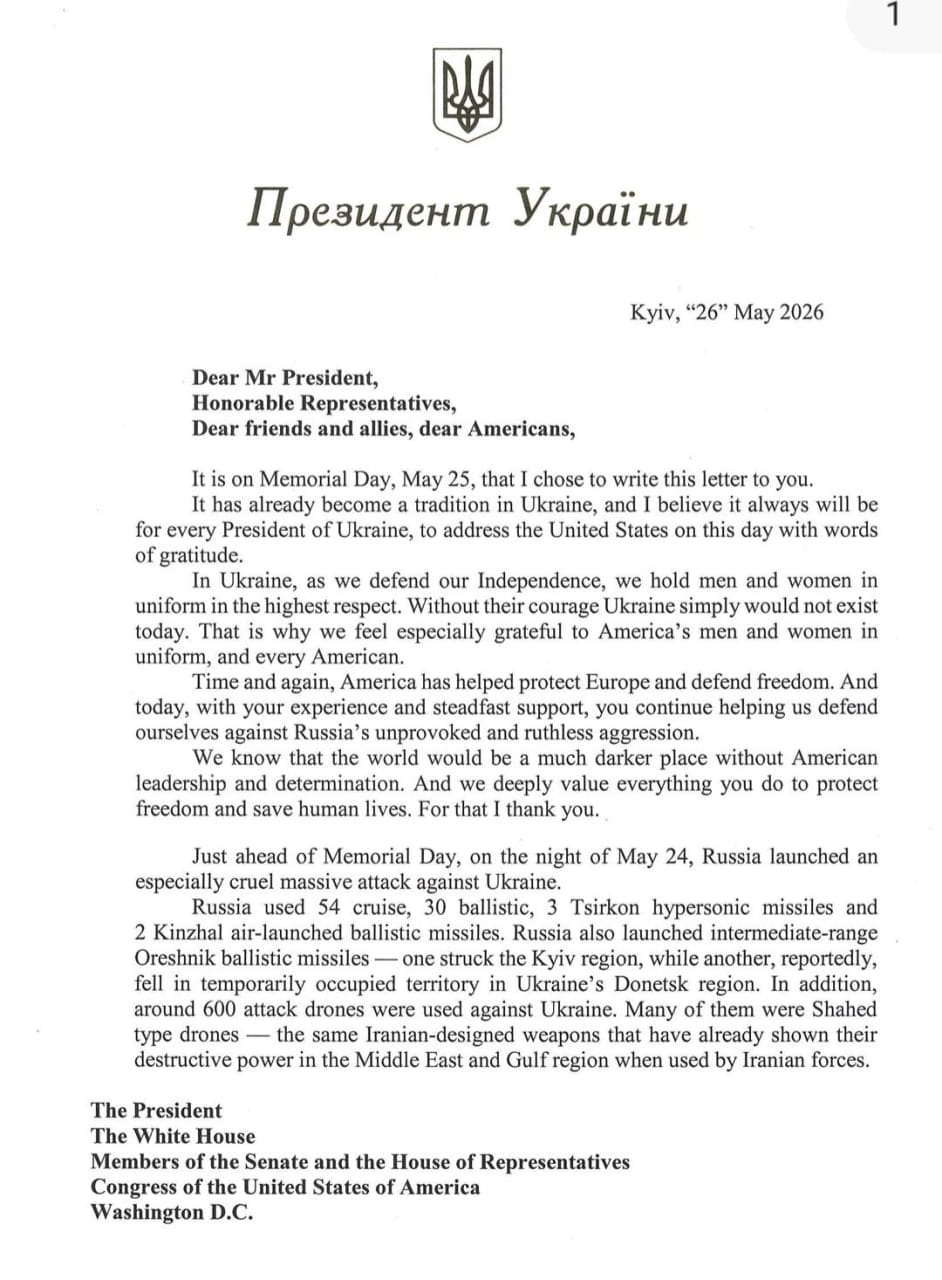
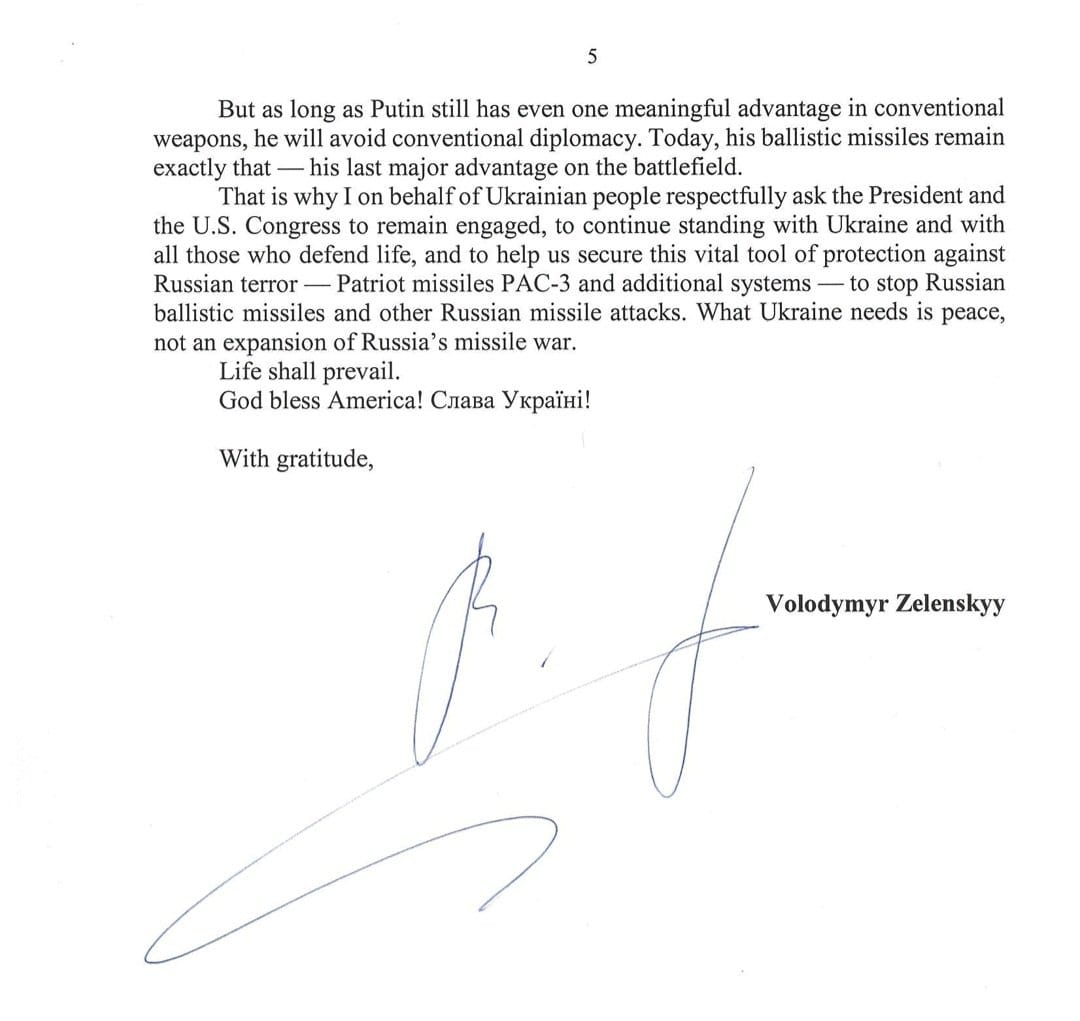
Volodymyr Zelensky has sent a letter to Donald Trump warning that Ukraine is facing a worsening shortage of air defence systems, particularly anti-ballistic missile capabilities, amid escalating Russian attacks.
According to the letter, seen by the Kyiv Independent, Kyiv is increasingly concerned about its limited stocks of interceptor missiles for the MIM-104 Patriot system and other Western-supplied air defence platforms.
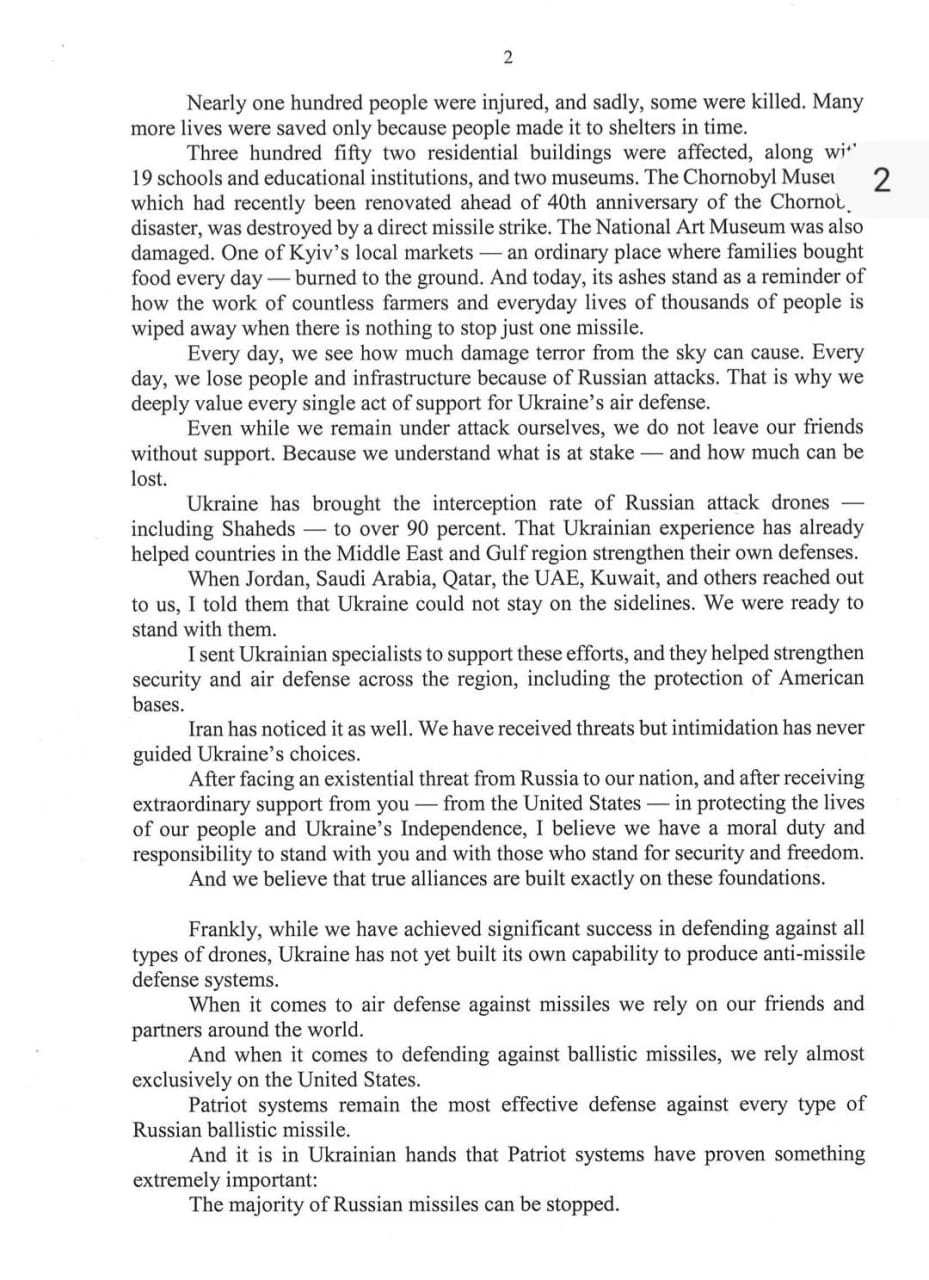
“When it comes to air defense against missiles, we rely on our friends,” Zelensky wrote. “When it comes to defending against ballistic missiles, we rely almost exclusively on the United States.”
The appeal comes as Russia intensifies large-scale missile and drone strikes against Ukrainian cities and publicly threatens further attacks on Kyiv, including strikes on what Moscow calls “decision-making centers.”
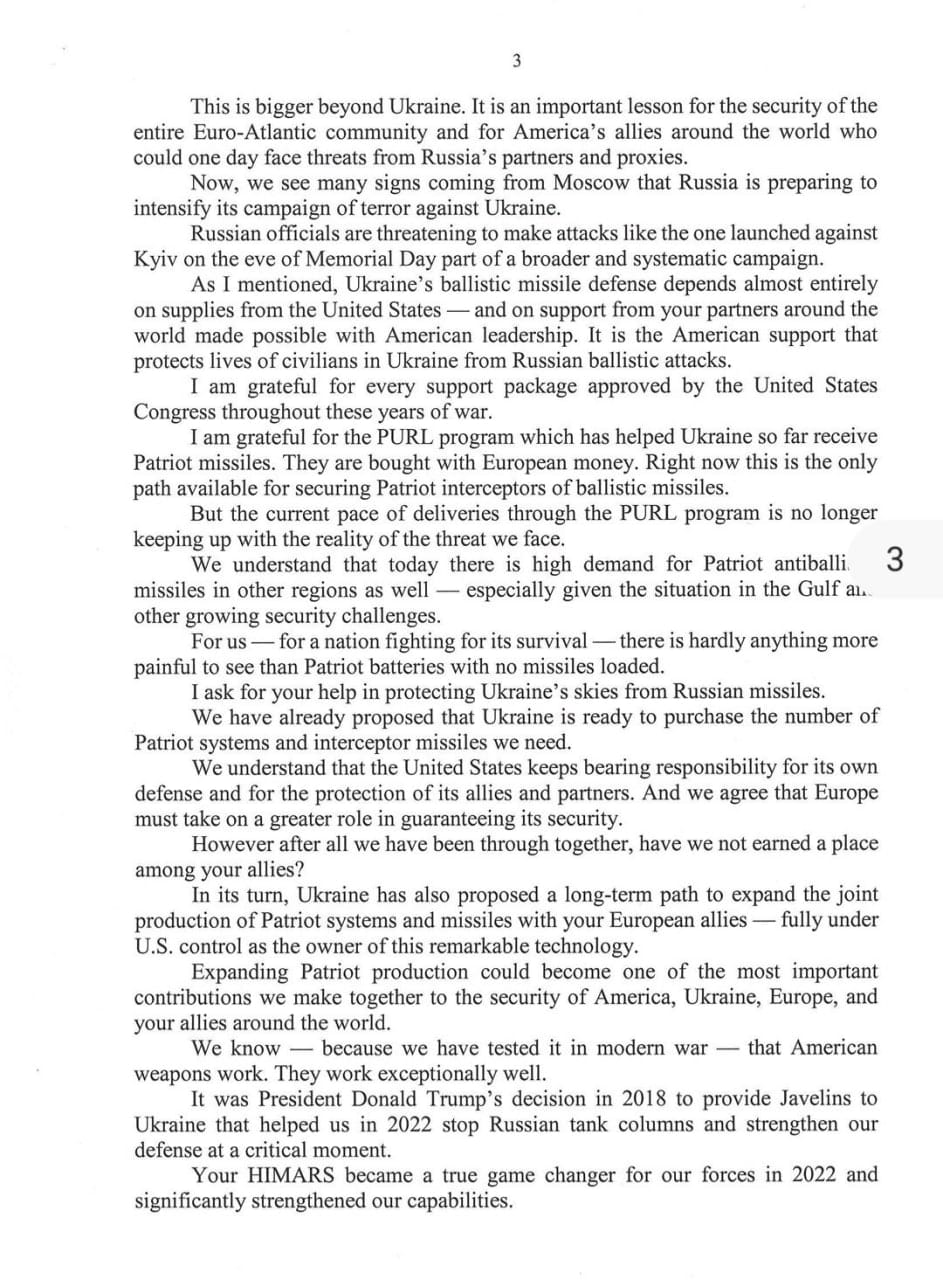
Zelensky also raised concerns about delays in deliveries through the Prioritized Ukraine Requirements List (PURL) programme, under which NATO allies finance the purchase of American weapons for Ukraine.
“The current pace of deliveries through the PURL program is no longer keeping up with the reality of the threat we face,” the letter states.
The Ukrainian president urged both Trump and the US Congress to remain engaged in supporting Ukraine’s air defence needs and specifically appealed for additional Patriot PAC-3 interceptor missiles and systems.
“I ask for your help in protecting Ukraine's skies from Russian missiles,” Zelensky wrote.
The appeal follows one of the largest Russian aerial attacks of the full-scale war. According to the Ukrainian Air Force, Russian forces launched 90 missiles and 600 drones during a massive overnight assault on May 24.
Earlier, Zelensky instructed Mykola Oleshchuk to urgently contact partner countries that had pledged Patriot missiles and other air defence supplies as Ukrainian interceptor stockpiles continued to decline.
The letter also comes amid new Russian threats. Sergey Lavrov reportedly told Marco Rubio that Moscow planned additional strikes on Ukrainian “decision-making centers” and advised the United States to evacuate its embassy staff from Kyiv.
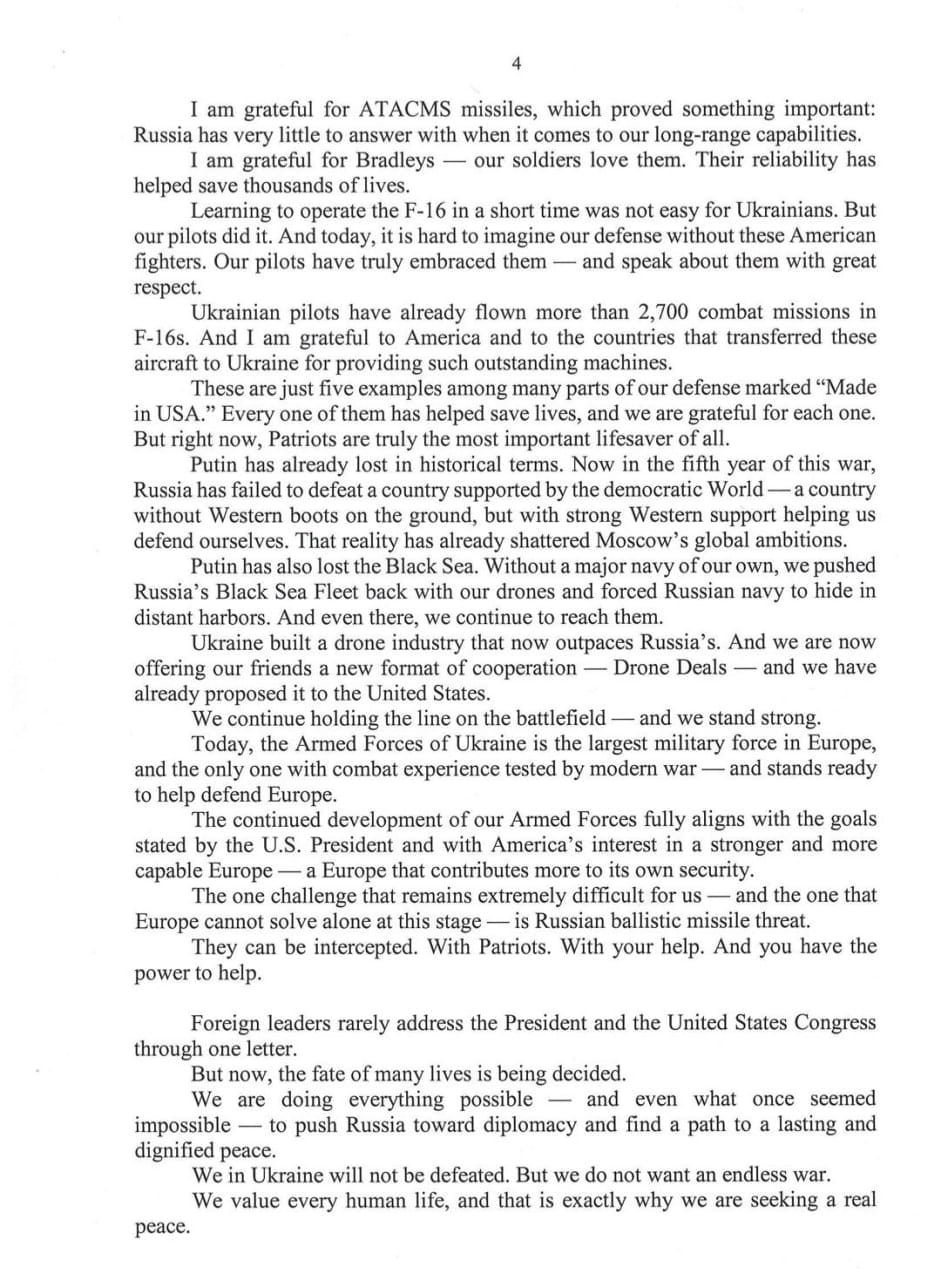
Despite the deteriorating security situation, Zelensky stressed in the letter that Ukraine’s skies can still be protected with sufficient support from allies.
“The majority of Russian missiles can be stopped,” he wrote.
Russia attacked the infrastructure in Odesa Oblast injuring four
Russia carried out a drone strike on Odesa Oblast on the afternoon of May 27, injuring four people and causing multiple fires, according to local authorities.
According to the authorities, Russian strike drones deliberately targeted civilian infrastructure in the Odesa district.
The attack damaged residential buildings, a branch of Nova Poshta, Ukraine’s largest private postal operator, as well as a grocery shop. Several vehicles also caught fire.
According to the regional governor, two of the victims are in serious condition, while the other two are in moderate condition. Emergency crews and other relevant services continue to work at the scene as authorities assess the full extent of the damage.
Ukraine fails to pass IMF-backed reforms
Ukraine’s access to billions of dollars in critical international funding is once again at risk as lawmakers struggle to pass key reforms required by foreign partners.
After already missing deadlines for a range of legislation demanded by the European Union, the World Bank, and the International Monetary Fund (IMF), Ukraine’s parliament made only limited progress during plenary sessions on May 26–27. Lawmakers failed to approve a new IMF-backed tax measure and pulled several other bills from consideration at the last minute because there were not enough votes to pass them, lawmakers told the Kyiv Independent.
The deadlock comes as an IMF mission arrived in Kyiv on May 27 to evaluate Ukraine’s reform progress and decide whether to release a $685 million tranche of aid next month.
Ukraine relies heavily on financial support from allies — especially the EU — to sustain its wartime budget and stabilize the economy. But that support is tied to reforms aimed at reducing corruption, modernizing the economy, and aligning Ukraine with European standards.
On May 26, lawmakers failed to pass amendments introducing a new tax on small imported parcels, one of the IMF’s key requirements that had a March 31 deadline. The IMF argues the measure would help Ukraine raise additional state revenue.
After the failed vote, lawmakers withdrew several other reform bills on May 27 to avoid public defeats as IMF officials arrived in Kyiv, according to a member of President Volodymyr Zelensky’s ruling Servant of the People party.
Other overdue IMF-related reforms include taxes targeting self-employed entrepreneurs and income earned through digital platforms.
The only major breakthrough during the session was the passage of a public procurement law tied to a $3.35 billion World Bank loan. However, Ukraine still needs to pass additional legislation related to railways and joining the European Single Payments Area before the full funding package can be released.
An official familiar with the negotiations said the progress made this week could still be enough to unlock the World Bank financing, with remaining conditions potentially postponed to a future agreement.
Ukraine initially moved quickly on reforms tied to international financing, but momentum slowed sharply in 2025 and 2026. Lawmakers cite increasingly difficult reforms, parliamentary gridlock, and weak prioritization by the government as reasons for the delays.
Prime Minister Yulia Svyrydenko and Finance Minister Serhii Marchenko have repeatedly met with lawmakers in an effort to secure support for unpopular legislation.
Ahead of the vote, Zelensky also met privately with members of his party, stressing the importance of maintaining progress on reforms tied to foreign assistance.
Despite growing concern among lawmakers that stalled reforms could jeopardize aid, divisions in parliament continue to block key legislation.
The IMF approved an $8.1 billion loan program for Ukraine in February after previously allowing Kyiv to delay some unpopular tax measures during the winter energy crisis.
Meanwhile, the European Union approved a 90-billion-euro assistance package in late 2025 intended to cover most of Ukraine’s financial needs through 2027, as U.S. support has sharply declined during President Donald Trump’s second term.
Russia attacked Ukraine with 163 drones, 150 intercepted by air defences
Russian forces launched a large-scale overnight drone attack against Ukraine beginning on the evening of 26 May, deploying 163 drones of various types, according to Ukraine’s Air Force.
Ukrainian air defence units reported intercepting or electronically jamming 150 drones by 08:30 on 27 May. The destroyed targets included Iranian-designed Shahed drones, as well as Gerbera, Italmas and other unmanned aerial vehicles.
The Air Force said that eight drones managed to hit targets across seven locations, while debris from intercepted drones fell in four separate areas.
Russia launched the drones from multiple locations inside its territory. Ukraine’s response involved a wide range of defensive assets, including aircraft, anti-aircraft missile systems, electronic warfare units, drone-interception teams and mobile fire groups.
According to the Air Force, several Russian drones were still detected in Ukrainian airspace after the main wave of the attack.