


the
Russia launched massive 18-hour attack with 1,500 drones and missiles, killing 24 in Kyiv
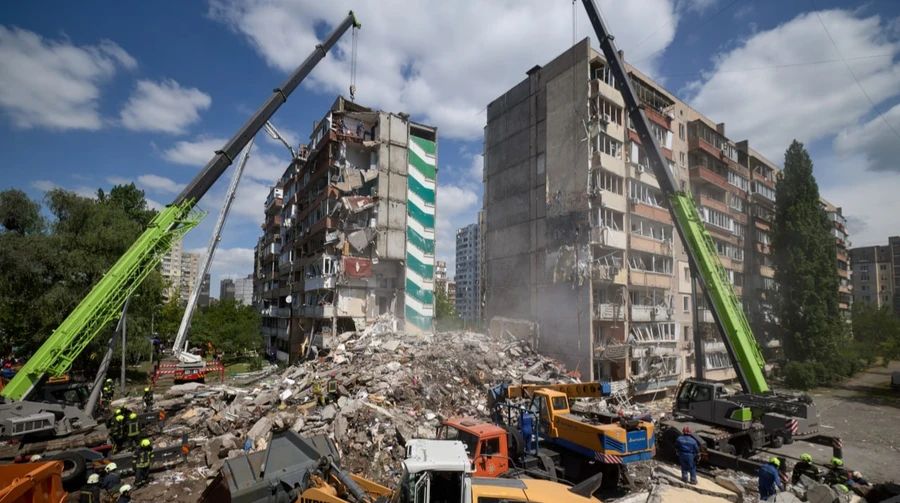
On May 13, Russian forces launched one of the most prolonged and intense aerial assaults of the year, beginning with a massive drone attack in the morning that continued throughout the day. According to Ukrainian authorities, the enemy used approximately 1,500 drones of various types, combined with cruise and ballistic missiles. The attack lasted for over 18 hours, with waves of drones targeting energy infrastructure, residential areas, and civilian facilities across multiple regions. In the evening and night, Russia switched to a combined missile and drone barrage, focusing particularly on the capital and other major cities.
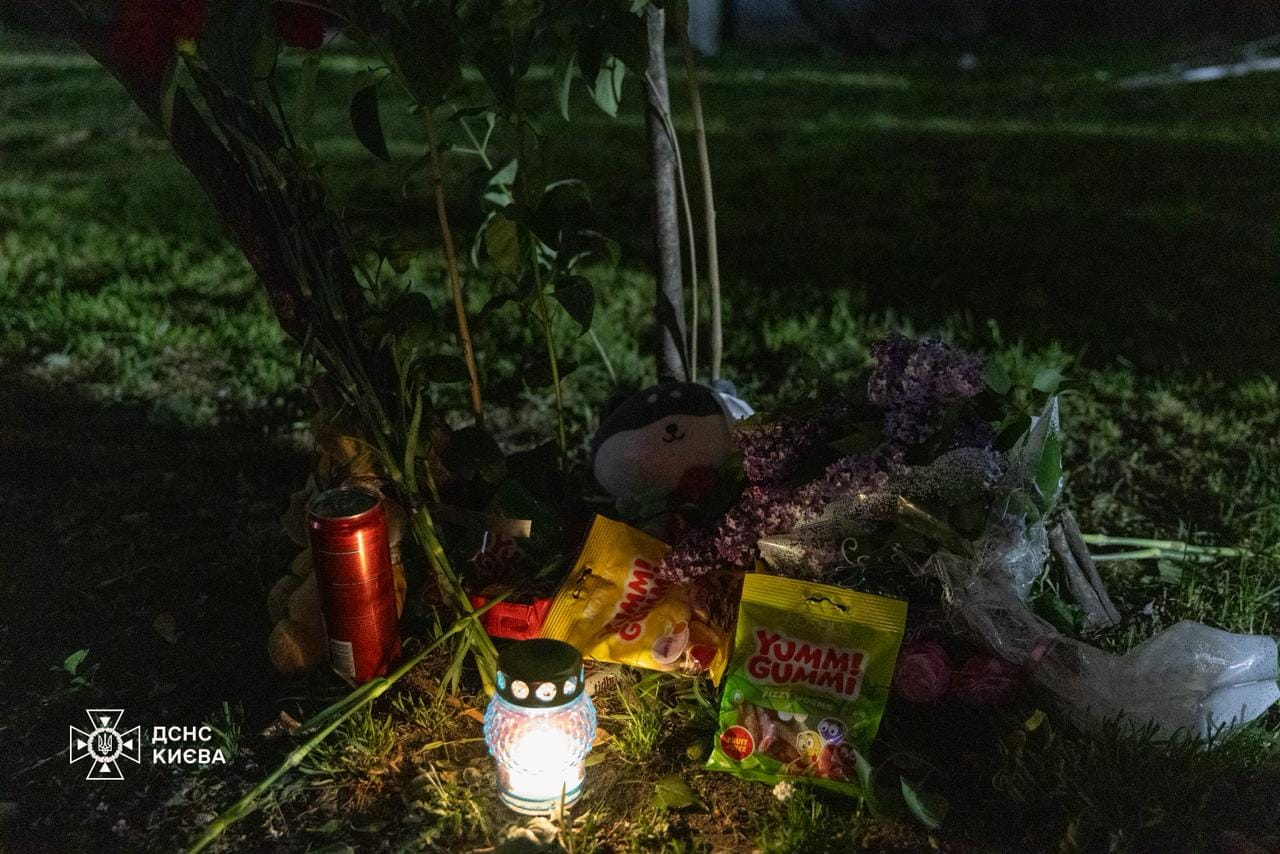
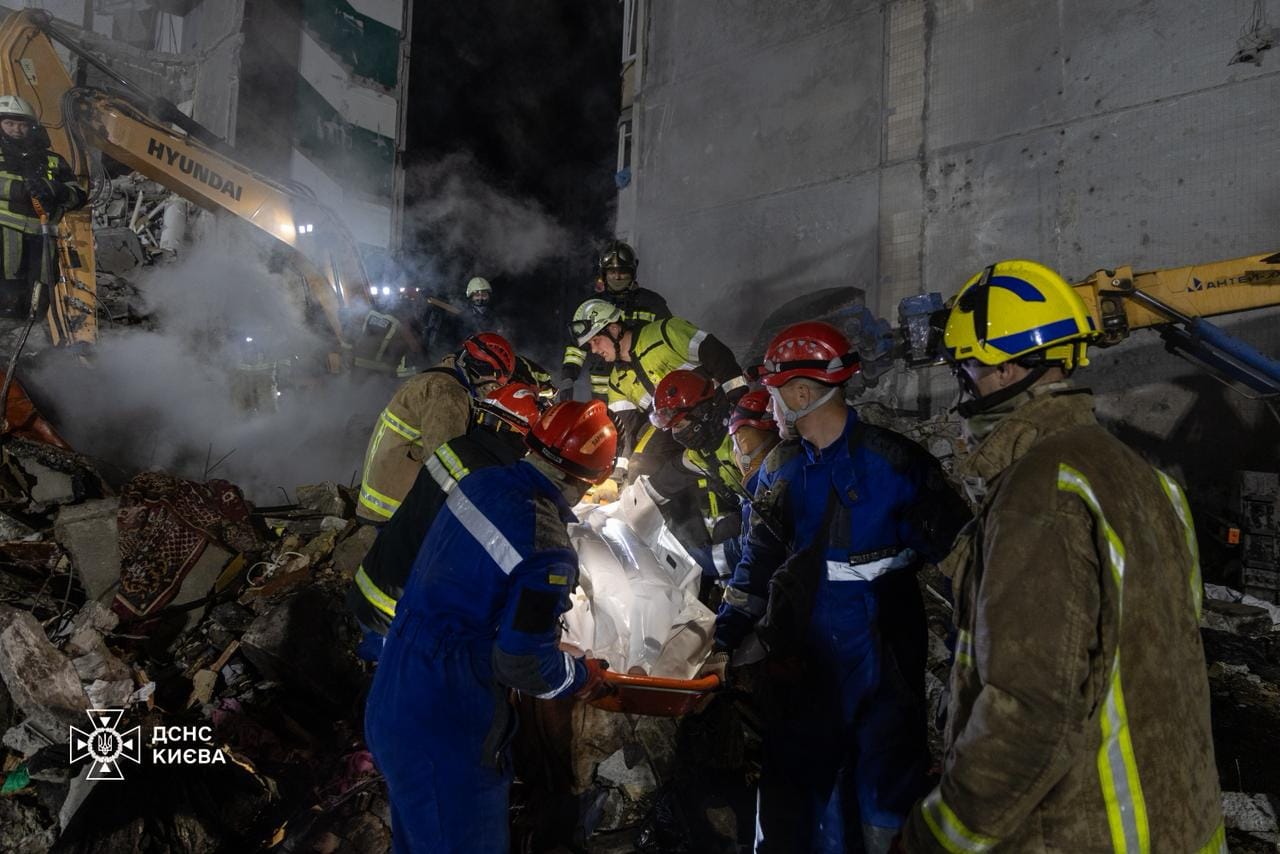
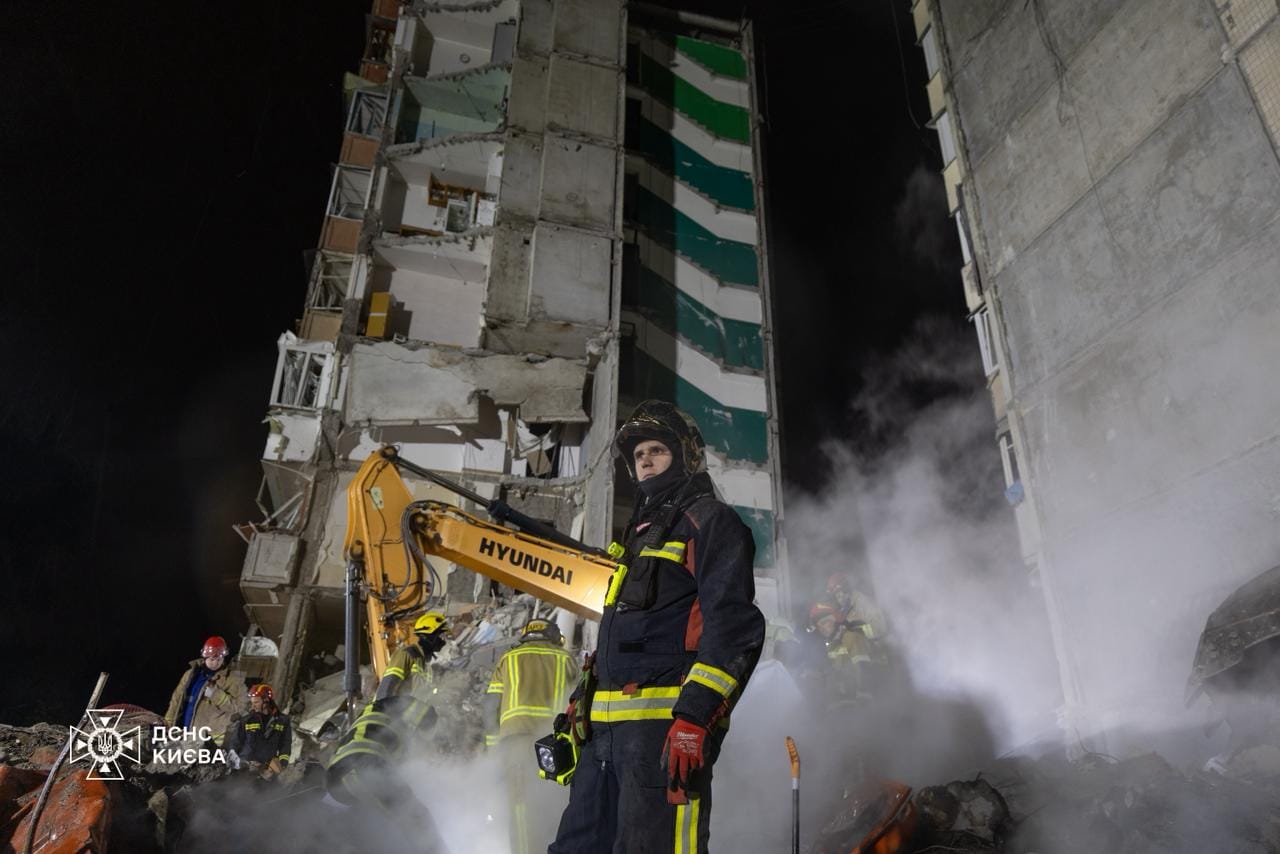
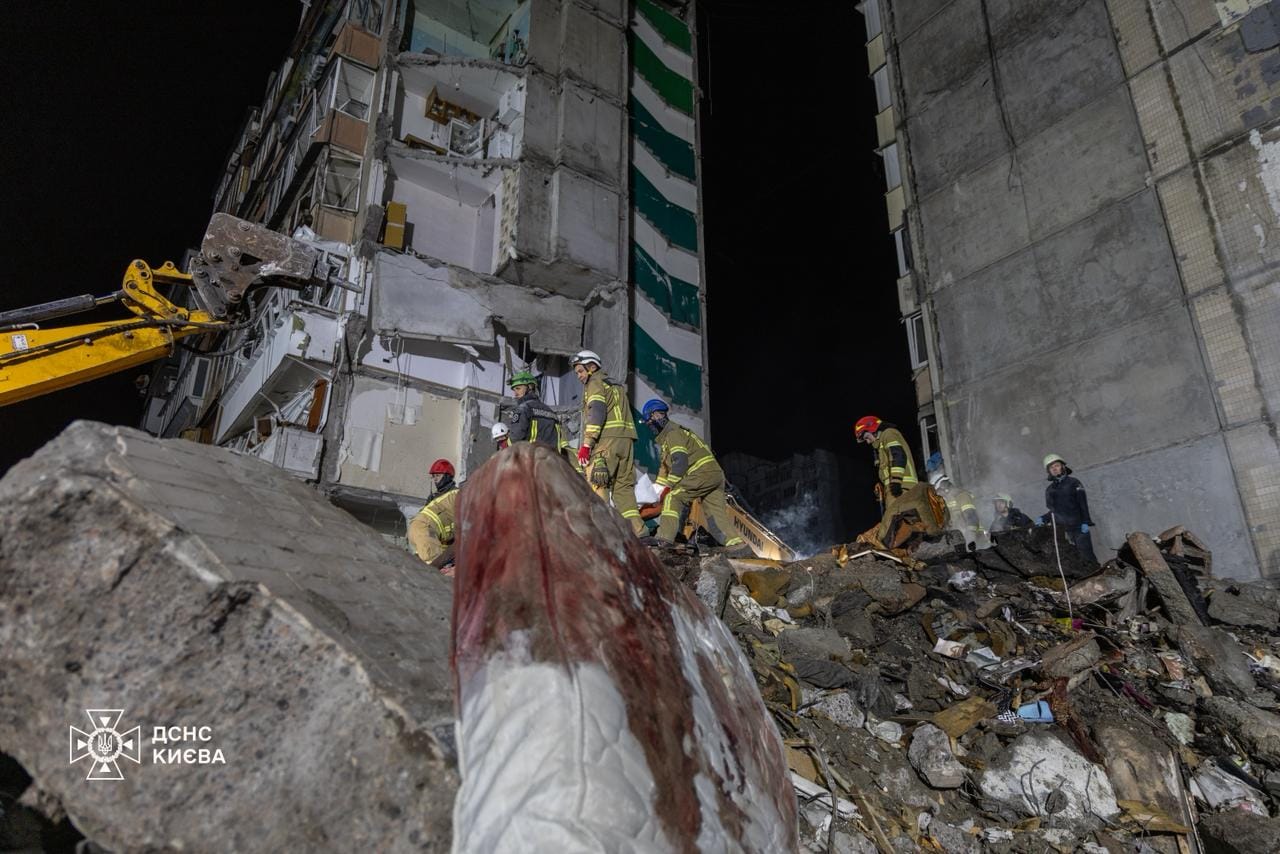
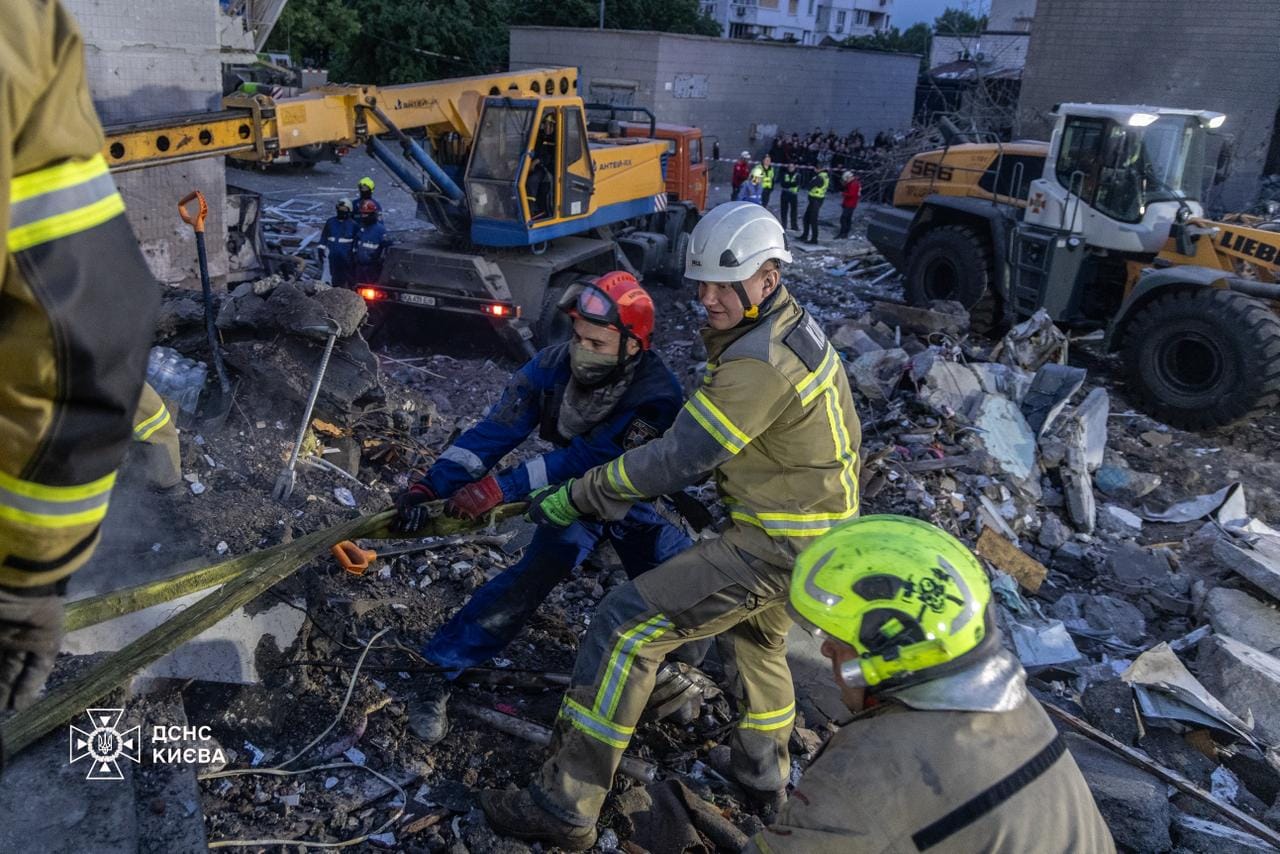
In Kyiv, the night-time missile and drone strike caused heavy casualties and destruction. At least 24 people were killed, including 4 children and 47 others injured as residential buildings, civilian infrastructure, and a number of districts came under direct attack. Several high-rise buildings were damaged, and fires broke out in multiple locations. Rescue operations continued into the morning as emergency services worked to clear debris and assist those trapped.
Other major cities also suffered significant damage. In Dnipro, Russian strikes hit industrial zones and residential neighborhoods, killing several civilians and causing serious destruction to energy facilities. Kharkiv faced repeated drone and missile attacks throughout the day, resulting in damaged apartment blocks and civilian casualties. Odesa and Zaporizhzhia were also targeted, with port infrastructure and residential areas sustaining hits, leading to power outages and emergency shutdowns in several districts.
The May 13 attack demonstrated Russia’s strategy of exhausting Ukrainian air defenses through prolonged, multi-wave assaults. Ukrainian air defense forces intercepted a large portion of the incoming threats, but the sheer scale of the attack caused widespread damage to critical infrastructure and tragic loss of civilian life. Officials warned that such sustained pressure on the energy system could lead to serious consequences for the country’s power supply in the coming months.
205 Ukrainians POW's brought back home
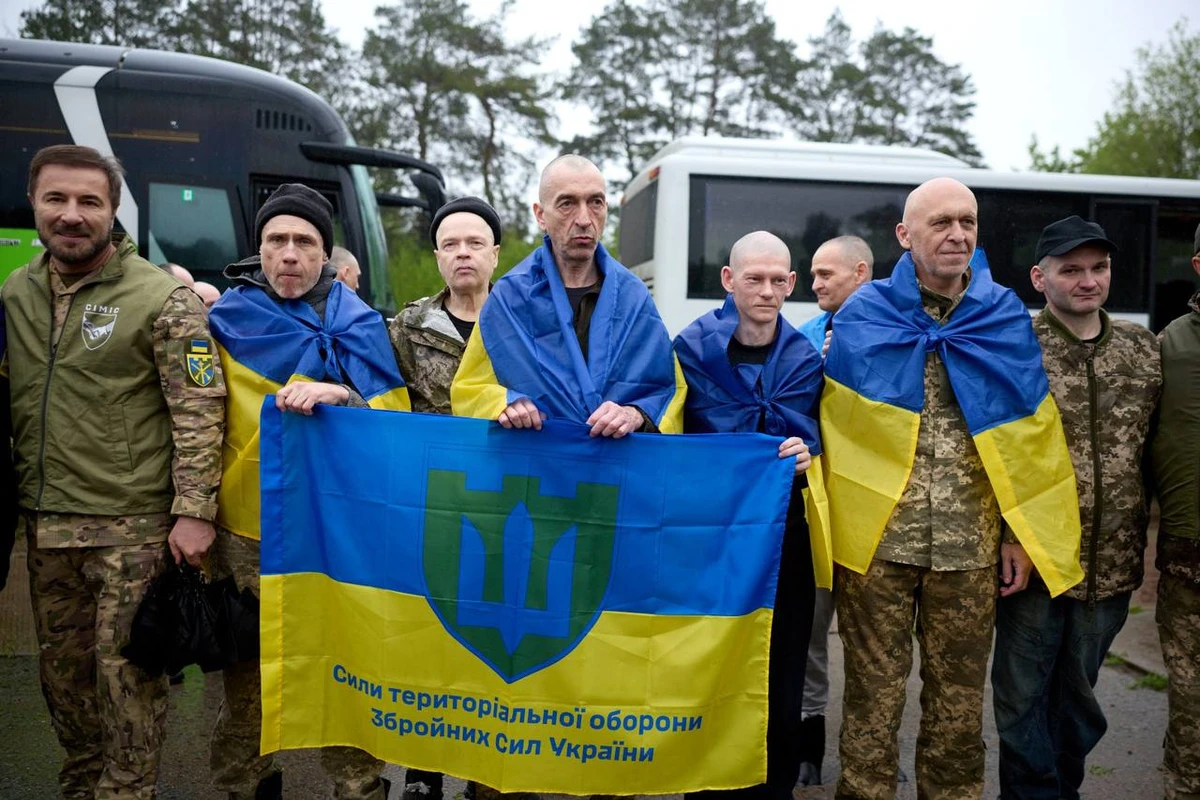
Volodymyr Zelensky announced that Ukraine and Russia carried out a prisoner exchange on May 15, resulting in the return of 205 Ukrainian citizens from Russian captivity.
According to Zelensky, the exchange marked the first stage of the planned “1,000-for-1,000” prisoner swap agreement between the two countries.
Among those released were servicemembers from the Armed Forces of Ukraine, the National Guard, and the State Border Guard Service. The group included privates, sergeants, and officers.
Most of the released prisoners had been held in Russian captivity since 2022. Many had taken part in the defense of Mariupol and the Azovstal steel plant, as well as fighting on the Donetsk, Luhansk, Kharkiv, Kherson, Zaporizhzhia, Sumy, and Kyiv fronts. Some were also involved in protecting the Chornobyl Nuclear Power Plant during the early stages of the full-scale invasion.
Coordination Headquarters for the Treatment of Prisoners of War said that nearly all of the servicemembers released on Friday had spent around four years in captivity, with most captured during the siege and defense of Mariupol.
The headquarters added that the primary criterion used in forming the exchange lists was the length of time prisoners had spent in captivity.
Kyiv brings back 8 children from Russian-occupied territories
On May 13, Save Ukraine informed that eight Ukrainian children and teenagers had been successfully returned from Russian-occupied territories to areas under Ukrainian control over the previous week.
The organization warned that thousands of Ukrainian children remain trapped under occupation, where they are subjected to intense Russification and militarization.
“Yet thousands of children remain trapped, forced to forget their roots while being openly prepared for war. But we will not stop,” Save Ukraine said in a statement.
Among those rescued was 15-year-old Kseniia, who said that while studying at a Russian-run school she was repeatedly told that “Ukraine does not exist.”
Another teenager, 16-year-old Lev, decided to flee occupied territory after receiving a military draft notice at his home. According to Save Ukraine, Lev also said that his school required students to install a mobile application on their phones that allowed authorities to monitor and control them.
The organization also helped return 15-year-old Maria, who reportedly refused to attend a Russian school for two years. Save Ukraine said the occupation authorities later threatened her mother with the loss of parental rights unless Maria enrolled. The prolonged isolation and pressure reportedly had a serious impact on the girl’s health.
The children were returned as part of the Ukrainian presidential initiative Bring Kids Back UA, with assistance from international partners.
According to Ukraine’s national “Children of War” database, at least 20,000 Ukrainian children have been abducted from occupied territories and transferred to Russia or Russian-controlled areas since the start of the full-scale invasion in 2022.
Bring Kids Back UA estimates that around 1.6 million Ukrainian children still remain under Russian occupation.
Ukrainian officials believe the actual number of abducted children may be significantly higher. Dmytro Lubinets has estimated the figure at up to 150,000 children, while Presidential Commissioner for Children’s Rights Daria Herasymchuk has suggested the number could range between 200,000 and 300,000.
In 2023, the International Criminal Court issued arrest warrants for Russian President Vladimir Putin and Russia’s Commissioner for Children’s Rights Maria Lvova-Belova over their alleged involvement in the deportation and transfer of Ukrainian children.
US cancelled the planned deployment of 4,000 troops to Poland
The Pentagon has abruptly cancelled a planned deployment of 4,000 U.S. troops to Poland, raising fresh concerns in Europe about the reliability of American military commitments to NATO allies.
The decision, first reported by Army Times on May 13, comes only weeks after the Pentagon announced plans to withdraw around 5,000 U.S. troops from Germany amid growing tensions between Washington and Berlin over the war involving Iran.
According to reports, the canceled deployment caught both American and European officials by surprise. Pete Hegseth reportedly did not provide a public explanation for the move.
Jeanne Shaheen, a Democratic member of the Senate Armed Services Committee, said lawmakers had not been informed in advance about the decision.
The 4,000 troops, based in the U.S. state of Texas, had been scheduled for a nine-month rotational deployment to Poland. Troops and military equipment had already begun arriving in the country ahead of planned training exercises with NATO allies.
In a statement cited by Politico, the Pentagon denied that the cancellation was sudden or improvised.
“The decision to withdraw troops follows a comprehensive, multilayered process that incorporates perspectives from key leaders in the U.S. military in Europe and across the chain of command,” the statement said. “This was not an unexpected, last minute decision.”
The development adds to mixed signals from the administration of Donald Trump regarding U.S. military deployments in Europe.
After previously threatening to remove troops from Germany following criticism from German Chancellor Friedrich Merz over Washington’s handling of the Iran conflict, Trump later suggested that some American forces withdrawn from Germany could instead be relocated to Poland.
“Poland would like that. We have a great relationship with Poland. I have a great relationship with the President,” Trump said on May 8.
European leaders and security analysts have increasingly questioned Washington’s commitment to NATO’s collective defense obligations as the Trump administration reshapes U.S. foreign policy priorities.
The Pentagon has said the troop reduction in Germany is expected to take place over the next six to 12 months, returning U.S. troop levels in Europe to approximately pre-2022 numbers, before deployments were expanded following Russia’s full-scale invasion of Ukraine.
Zelensky's former chief of staff, Yermak detained with the right to bail
High Anti-Corruption Court has ordered former head of the Office of the President of Ukraine Andrii Yermak to be held in custody for 60 days, with bail set at UAH 140 million (approximately US$3.18 million).
The ruling was announced on May 14 following a request from detectives of the National Anti-Corruption Bureau of Ukraine (NABU).
“The request made by NABU detectives shall be granted in part. The suspect Andrii Yermak shall be remanded in custody for a period of 60 days from the date of his actual arrest as a pre-trial restriction,” the judge said while delivering the ruling.
The court also ruled that if bail is posted, Yermak will be subject to a number of restrictions. He must appear before investigators whenever summoned, notify authorities about any change in residence or workplace, remain within Kyiv, surrender his passports, and avoid contact with other suspects and witnesses in the case.
Those individuals include Oleksii Chernyshov, Timur Mindich, Liliia Lysenko, Hennadii Opalchuk, Serhii Siranchuk, and Maryna Medvedieva.
If released on bail, Yermak will also be required to wear an electronic monitoring bracelet. The ruling takes effect immediately, although it may be appealed within five days. Yermak’s lawyers told the court they intend to challenge the decision.
Yermak stated during the hearing that he does not personally have the funds required for bail but hopes to receive financial assistance from his “friends.”
The case is connected to an ongoing corruption investigation into the alleged laundering of hundreds of millions of hryvnias through the construction of a luxury residential complex near Kyiv.
Ukraine's military is now the strongest and most powerful in Europe, Rubio
Marco Rubio described Ukraine’s armed forces as the “strongest, most powerful” military in Europe during an interview with Fox News published on May 14.
Rubio argued that despite Russia’s larger size, Ukrainian forces have demonstrated greater effectiveness on the battlefield.
“If you look, the Russians are losing five times as many soldiers a month as the Ukrainians are, and Ukraine is a smaller country and a smaller army for that matter,” Rubio said.
He added that the war has pushed Ukraine to rapidly develop new military methods and technologies.
“This war has caused the Ukrainians to develop new tactics, new techniques, new equipment, and new technology that is creating a sort of hybrid asymmetrical warfare,” Rubio stated.
According to Rubio, Ukraine’s military capabilities have been shaped both by years of combat against Russia and by extensive Western military support.
The remarks come as Volodymyr Zelenskyy continues to seek broader military cooperation with Donald Trump’s administration, particularly in drone warfare technology.
Kyiv has proposed sharing its battlefield-tested drone expertise with the United States, including systems developed to counter Iranian-designed Shahed-type attack drones that Russia has frequently used against Ukrainian cities.
The proposal reportedly gained additional urgency as the United States encountered similar drone threats during the conflict in the Middle East. However, Washington has so far appeared hesitant to move ahead with deeper cooperation in this area.
Rubio also said the Trump administration remains committed to trying to end Russia’s war against Ukraine, despite stalled diplomatic efforts.
“We stand prepared, the President stands prepared, his team stands prepared to facilitate a diplomatic end to the war,” Rubio said. “We’ve lost some momentum over the last few months.”
“Hopefully, we’ll reach a point here soon where both parties re-engage.”