


Russian drones targeted Ternopil in the West of Ukraine in a mass daytime attack
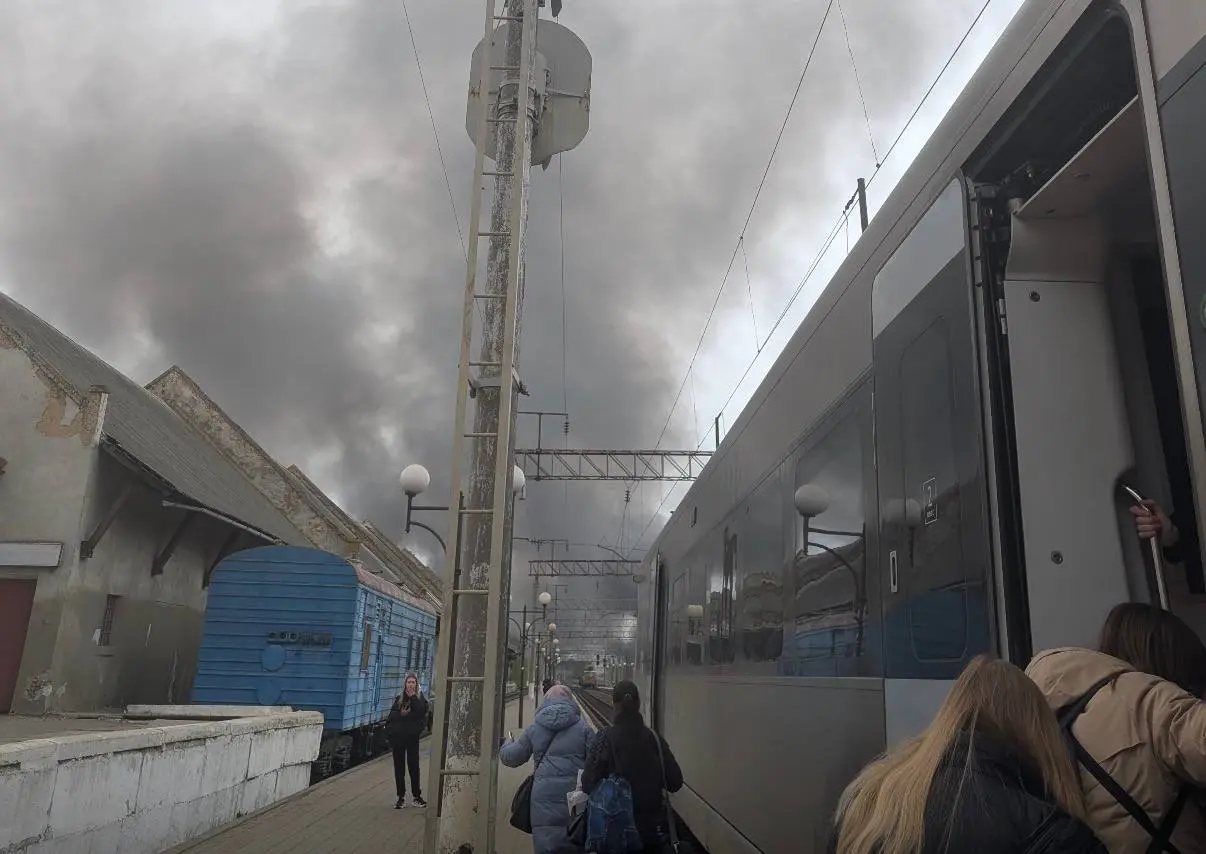
Russian forces launched a massive daytime drone assault across Ukraine on May 1, with one of the heaviest attacks targeting Ternopil in western Ukraine, near the Polish border.
By early afternoon, monitoring channels reported more than 30 Russian drones approaching the city. Multiple explosions were heard throughout Ternopil, and footage from the local railway station showed thick black smoke rising above the city.
Mayor of the city said parts of the city temporarily lost electricity after the strikes. Public transport was suspended, and residents were urged to remain in shelters as the attack continued.
Later, the Mayor reported that more than 50 Shahed-type drones had attacked the city, with over 20 explosions recorded. Industrial facilities and infrastructure were damaged, though power was later restored. At least 10 people were injured, some seriously, but no deaths were reported.
Monitoring groups also reported heavy drone activity around Zhytomyr and explosions in Rivne, while air raid alerts remained active across much of the country.
According to Ukraine’s General Staff, Russia launched 409 drones between 8 a.m. and 3:30 p.m. from multiple directions, including Russian territory and occupied areas. Ukrainian air defenses reportedly intercepted 388 drones, while 16 reached their targets.
The daytime strikes followed another large overnight attack in which Russia launched an Iskander-M missile and 210 drones. Ukrainian officials said 190 of the drones were intercepted, though the overnight assault killed one person and injured 52 others.
Russian government changes approach to petrol production after Ukrainian strikes on refineries
The Russian government is moving to tighten state control over fuel production after refinery output reportedly fell to its lowest level in 17 years following a wave of Ukrainian drone strikes on Russian energy infrastructure.
According to The Moscow Times, at least nine Russian oil refineries were targeted by Ukrainian drone attacks in April, disrupting fuel production and increasing pressure on the domestic energy market.
In response, 11 of Russia’s largest oil companies — including Rosneft, Gazprom Neft, Lukoil, and Surgutneftegaz — are expected to sign agreements with Russia’s Energy Ministry aimed at stabilizing fuel supplies.
The Russian government said the measures are intended to ensure adequate fuel volumes during the seasonal rise in demand and the agricultural planting season.
The reported decline in refinery activity highlights the growing impact of Ukrainian long-range strikes on Russia’s energy sector, which has become an increasingly frequent target as Kyiv seeks to disrupt fuel supplies supporting Russia’s military and economy.
Ukraine hit a Russian airfield, nearly 1,700 kilometers away, damaging 2 fighter jets
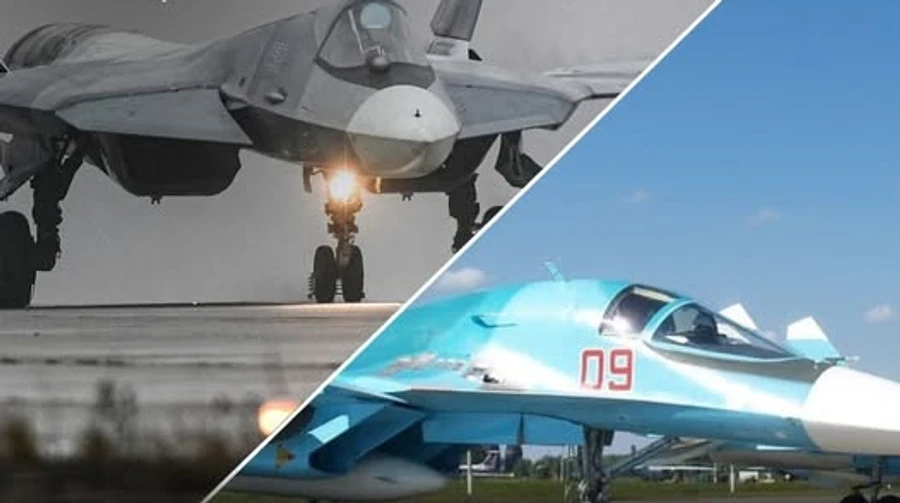
Ukrainian forces struck a Russian Su-57 fighter jet and a Su-34 fighter-bomber at the Shagol airfield in Chelyabinsk, Russia, on May 1, Ukraine’s General Staff reported.
As Ukraine intensifies long-range strikes on Russian military infrastructure, Moscow has moved much of its air force farther from the Ukrainian border. However, Ukrainian drones are now reportedly capable of flying more than 2,000 kilometers (1,240 miles), allowing them to threaten targets deep inside Russian territory.
According to the General Staff, the aircraft were stationed roughly 1,700 kilometers (1,060 miles) from Ukraine’s border. The extent of the damage is still being assessed.Russia has not commented on the reported strike, and the claims could not be independently verified.
The Su-57 is Russia’s fifth-generation stealth fighter designed for air superiority and precision strike missions, while the Su-34 is a twin-seat fighter-bomber widely used in attacks against Ukraine.
The reported operation follows a series of Ukrainian drone strikes targeting Russian aviation assets. During Operation Spiderweb on June 1, Ukrainian forces reportedly damaged 41 Russian aircraft in coordinated attacks on four air bases deep inside Russia using drones concealed in trucks.
Ukraine has continued targeting Russian air power since then. On Aug. 4, drones operated by the Security Service of Ukraine (SBU) reportedly struck five Russian fighter jets at an airfield in Saky, in occupied Crimea.