
Daily Flyer - March 7, 2026
A voice of Ukraine to the West


Russia launched a large-scale attack on Ukraine using 29 missiles and 480 drones
Russian forces carried out a large combined attack on Ukraine’s critical infrastructure on the night of March 6–7, launching 509 aerial weapons, according to the Ukrainian Air Force. Ukrainian air defenses intercepted or electronically suppressed 472 of them.
Russia launched two 3M22 Zircon hypersonic missiles (none intercepted), 13 Iskander-M / S-400 ballistic missiles (eight intercepted or jammed), 14 Kalibr cruise missiles (11 intercepted), and 480 attack UAVs, of which 453 were shot down or disabled by electronic warfare.
According to the Air Force, nine missiles and 26 drones struck targets at 22 locations, while debris from intercepted UAVs fell at five sites. The main directions of the attack were Kyiv and Kharkiv, as well as Zhytomyr Oblast, Khmelnytskyi Oblast, and Chernivtsi Oblast.
In Kyiv, three people were injured as a critical infrastructure facility was struck. 1905 households were left without heating
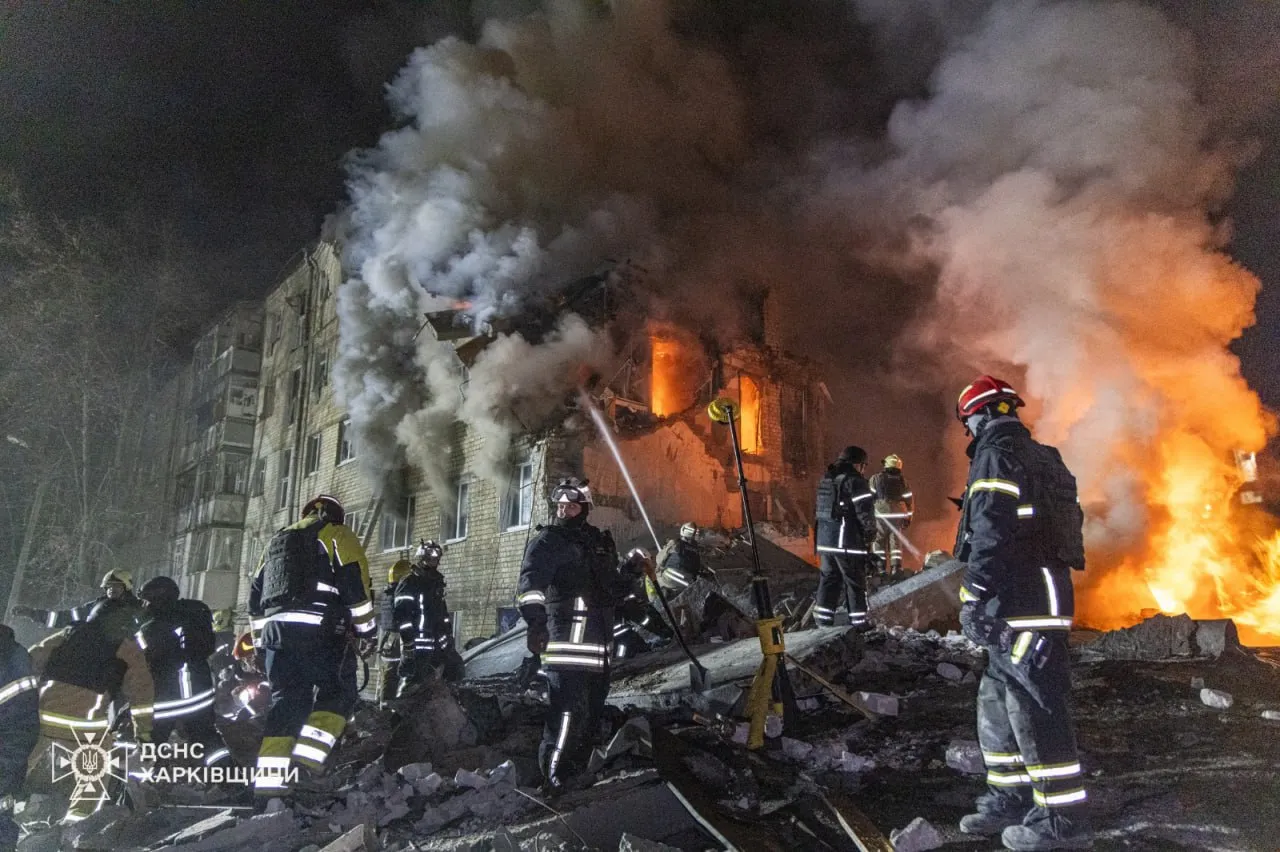
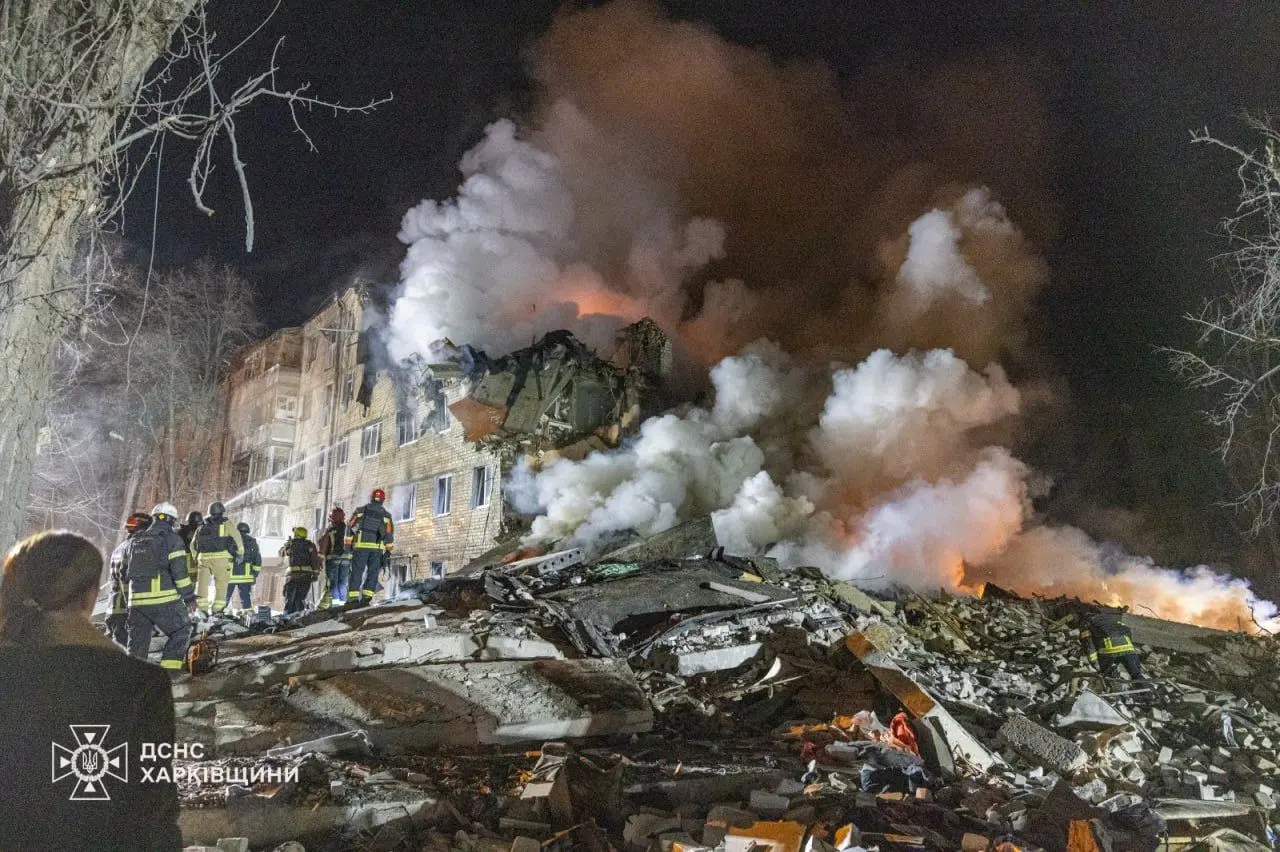
More dramatic consequences of the overnight attack were in Kharkiv, where Russian troops struck a five-storey residential building with a ballistic missile, killing 11 people, including two children, and injuring at least 15, local authorities reported.
Ihor Terekhov, the city’s mayor, said the victims include a teacher and her nine-year-old son, as well as a 13-year-old girl and her mother. According to regional governor Oleh Syniehubov, the injured include two boys aged six and 11 and a 17-year-old girl. Rescue operations are ongoing, and authorities believe at least 11 people may still be trapped under the rubble.
Additionally, two people were injured in the town of Chuhuiv in Kharkiv Oblast after a Russian drone attacked a house.
"There must be a response from partners to these savage strikes against life," President Volodymyr Zelensky said.
"Russia has not abandoned its attempts to destroy Ukraine’s residential and critical infrastructure, and therefore support must continue," the President added.
Russian propaganda spreads fake news about Ukrainian cash-in-transit guards - Hungarian factcheckers
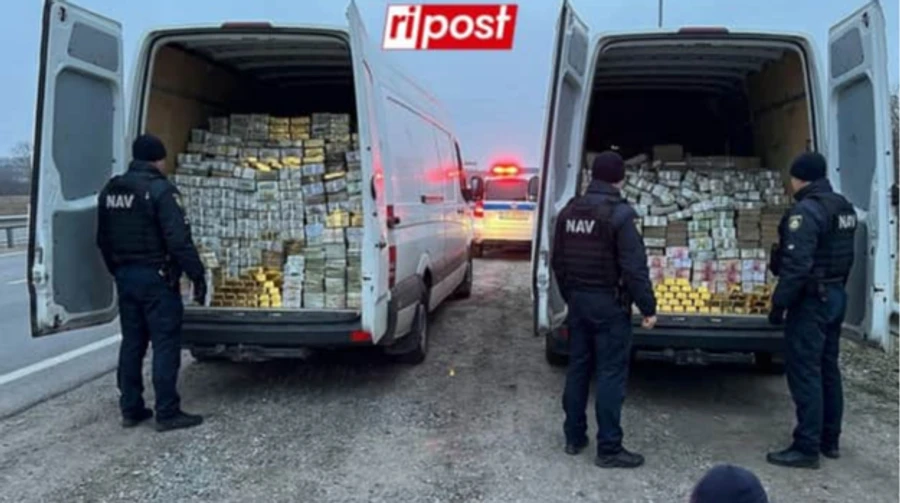
Hungarian fact-checkers say Russian propaganda has launched a disinformation campaign using AI-generated images related to Ukrainian cash-in-transit staff.
The claim was reported by Vastagbor, which analysed images published by Ripost, a media outlet linked to the ruling Fidesz party of Prime Minister Viktor Orban.
According to the fact-checkers, posts by Ripost usually receive between 10 and 200 reactions, but the posts with the images attracted about 48,000 reactions, 99% of which appeared to come from bots. Many of the accounts had Romanian or Moldovan names, suggesting the networks may be reused fake profiles previously created to influence elections in Moldova.
US is considering lifting sanctions on Russian oil to ease the global shortage - Treasury chief
Scott Bessent, the U.S. Treasury secretary, said on March 6 that Washington is considering lifting some sanctions on Russian oil to address a global supply shortage linked to recent military operations in Iran. Speaking on The Kudlow Report, Bessent said the Treasury Department is assessing whether easing restrictions could return large volumes of sanctioned oil currently stuck at sea to global markets.
“There are hundreds of millions of barrels of oil in the water that are sanctioned, and by lifting the sanctions, the Treasury Department can create supply,” Bessent said.
The remarks came a day after the United States temporarily eased restrictions on Russian oil shipments destined for India. Bessent said the step followed earlier cooperation from New Delhi, which had previously reduced purchases of sanctioned Russian oil at Washington’s request. The U.S. imposed sanctions in October on major Russian energy companies, including Rosneft and Lukoil, targeting more than 30 firms over Russia’s lack of what officials described as serious efforts to end the war against Ukraine.
Hungarian opposition leader alleges Russian intelligence services are meddling in the election
Pуter Magyar, leader of Hungary’s opposition Tisza Party, has accused Prime Minister Viktor Orban of allowing Russian military intelligence operatives into the country to influence the upcoming parliamentary election.
Magyar said Orban would be the first Hungarian leader since former prime minister Janos Kadar to invite Russians into Hungary. According to him, representatives of Russian military intelligence arrived in Budapest several weeks ago with the aim of influencing the election outcome. He also claimed similar interference had previously taken place in Moldova.
Magyar called on Orban to immediately stop the alleged cooperation and expel the Russian agents, whom he said entered the country under diplomatic cover. He also demanded that Hungary’s National Security Committee be convened and briefed on the situation, saying the government should disclose what intelligence it has received from allied services regarding possible Russian election interference.