
Daily Flyer - March 4, 2026
A voice of Ukraine to the West


Putin has released two Hungarians captured fighting for Ukraine talking to Szijjarto
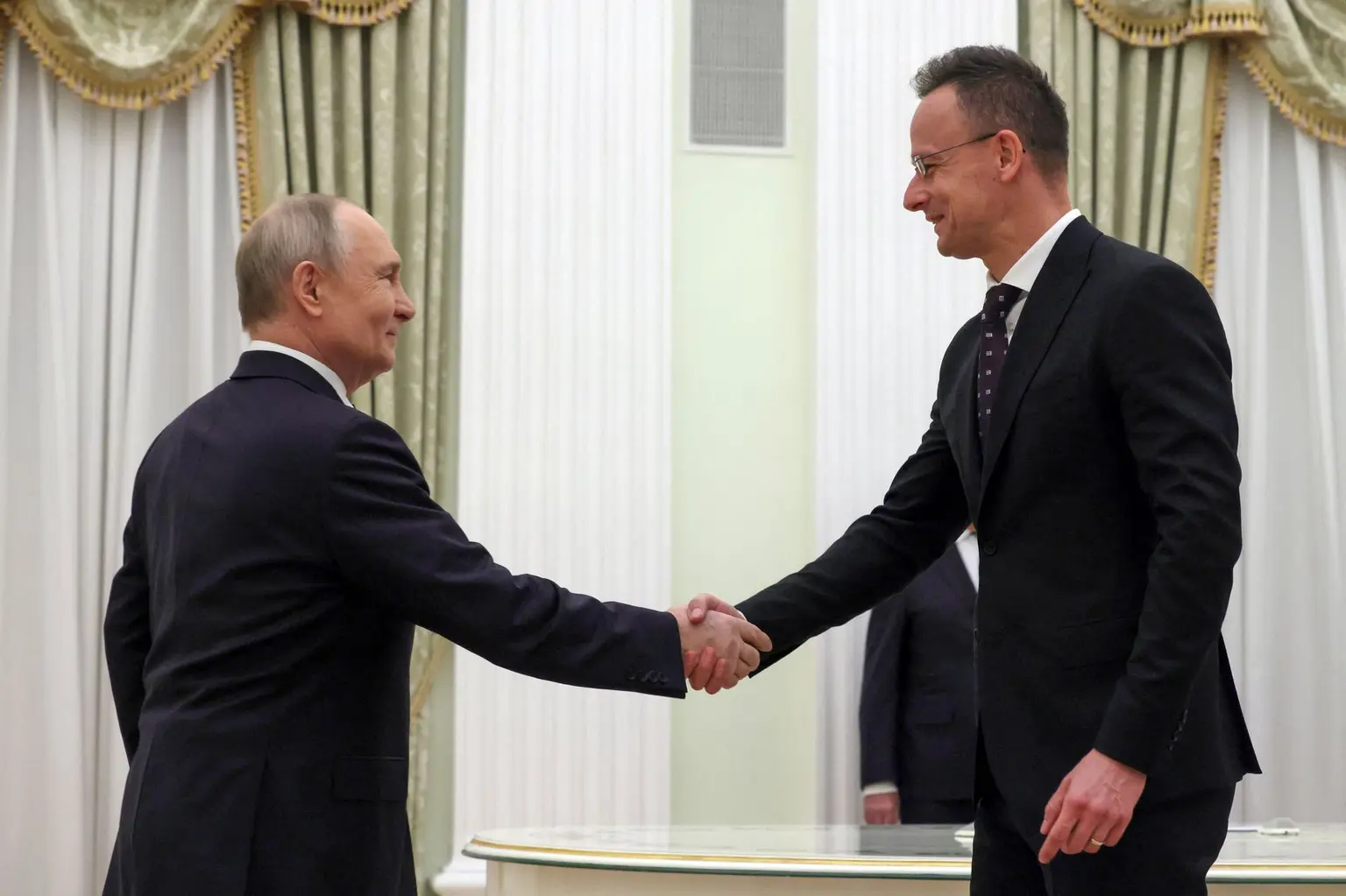
According to Russian President Vladimir Putin two dual Ukrainian-Hungarian nationals captured while serving in Ukraine’s military had been released following talks with Hungarian Foreign Minister Peter Szijjarto.
Putin said the decision was made at the request of Hungarian Prime Minister Viktor Orban, adding that the two men would be allowed to leave Russia on the Hungarian delegation’s plane. He described them as holding both Ukrainian and Hungarian citizenship. Ukraine does not recognize dual Ukrainian-Hungarian citizenship, and only Ukrainian male citizens are subject to mobilization.
The release followed a March 3 phone call between Orban and Putin and comes amid escalating tensions between Kyiv and Budapest over Russian oil transit. During the meeting, Szijjarto and Putin also discussed the suspension of the southern branch of the Druzhba pipeline, which supplies Russian crude to Hungary and Slovakia and has been offline since late January.
Kyiv says the disruption was caused by a Russian strike on energy infrastructure in western Ukraine. Budapest and Bratislava, however, accuse Ukraine of deliberately halting transit. Kremlin spokesperson Dmitry Peskov voiced support for Hungary and Slovakia, accusing Ukraine of “blackmail.”
Before the suspension, Hungary and Slovakia — both landlocked — were the only EU members still receiving Russian crude through the pipeline’s southern branch. The route accounts for roughly 86–92% of Hungary’s oil imports and nearly all of Slovakia’s supply.
Orban’s government has maintained close energy ties with Moscow throughout the war while frequently opposing EU sanctions on Russia and military aid for Ukraine. Hungary and Slovakia have called for a joint inspection of the pipeline with the EU, a request Kyiv has not publicly addressed.
In response to the dispute, Hungary and Slovakia halted diesel fuel supplies to Ukraine and blocked the EU’s 20th sanctions package against Russia. Orban is also opposing a proposed 90-billion-euro ($106 billion) EU loan package for Kyiv.
Analysts say Orban’s increasingly confrontational stance toward Ukraine is linked to the upcoming April parliamentary elections, as his ruling Fidesz party trails the opposition Tisza Party in polls.
Peter Kreko, director of the Political Capital think tank in Budapest, said Orban has placed Ukraine at the center of his campaign despite public concern focusing more on inflation, living standards, healthcare, and corruption.
Peter Magyar, leader of the Tisza Party, has condemned Russia’s war against Ukraine and proposed personally inspecting the pipeline alongside Orban. He urged the prime minister to share any credible information about threats with NATO partners rather than “spreading incitement and panic.”
While Tisza has signaled plans to reduce Hungary’s reliance on Russian energy, it opposes supplying Hungarian weapons to Kyiv and does not support fast-tracking Ukraine’s accession to the European Union.
China may rely on Russian oil due to war in the Middle East
The crisis in the Middle East risks pushing China closer to Russia, as Beijing faces potential disruptions to Iranian oil supplies and prolonged instability in global energy markets, the Financial Times reports.
China is the world’s largest importer of oil and gas, with around 13% of its crude imports coming from Iran. Roughly one-third of China’s oil and a quarter of its gas imports pass through the Strait of Hormuz, where traffic has sharply declined following U.S. and Israeli strikes on Iran.
The expanding conflict presents a major test for Chinese leader Xi Jinping and Beijing’s long-standing strategy to shield its economy from energy shocks. Analysts say China is likely to respond by strengthening energy ties with Russia, despite concerns about overreliance on its northern neighbor. Russia already accounts for about 20% of China’s crude imports, making it Beijing’s largest supplier.
Neil Beveridge, who leads China energy research at Bernstein in Hong Kong, said deeper cooperation with Moscow on both oil and gas is a likely outcome. Prolonged instability in Iran—or a shift toward a more pro-Western government in Tehran—could accelerate closer alignment between Russia and China, he added.
China’s Foreign Ministry has condemned the U.S. and Israeli strikes and called for an immediate halt to military operations and protection of shipping through the Strait of Hormuz. It said Beijing would take necessary steps to safeguard its energy security.
For years, China has purchased significant volumes of discounted Iranian crude, helping Tehran withstand Western sanctions. Much of the oil has reportedly been routed through intermediary channels and relabeled to avoid U.S. restrictions, supplying independent Chinese refineries known as “teapots.”
Russians attempted to break through the Ukrainian border in Kharkiv Oblast
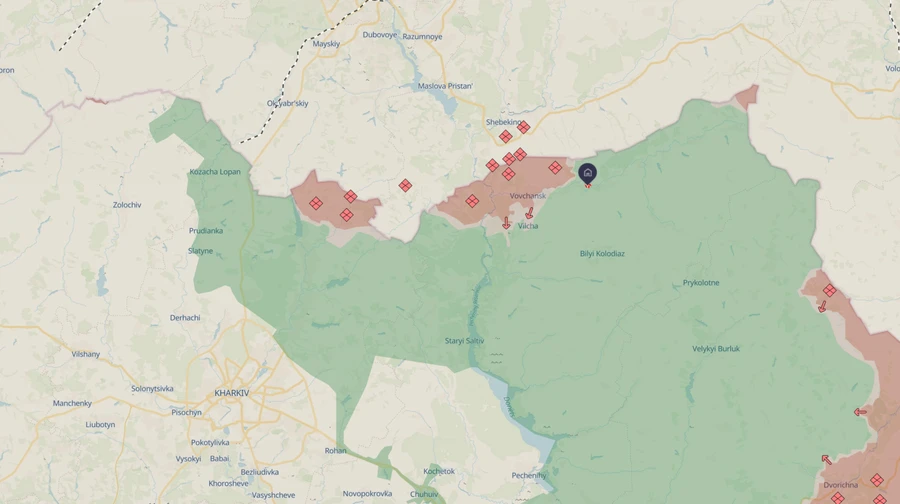
Russian forces attempted to breach Ukraine’s border near the settlements of Zybyne and Kruhle in Kharkiv Oblast on March 3, regional and military officials said.
Kharkiv Oblast Governor Oleh Syniehubov said Russian troops made two attempts to break through Ukrainian defensive lines in the direction of the two villages.
The claims were later confirmed by Oleksandr Milosh, spokesperson for Ukraine’s Joint Forces Grouping. He said Russian forces tried to cross the state border on the South Slobozhanshchyna front and advance toward Zybyne and Kruhle.
According to Milosh, Ukrainian units engaged and struck the Russian assault groups, preventing a breakthrough.
Russia keeps escalating drone attacks on passenger trains, railway infrastructure
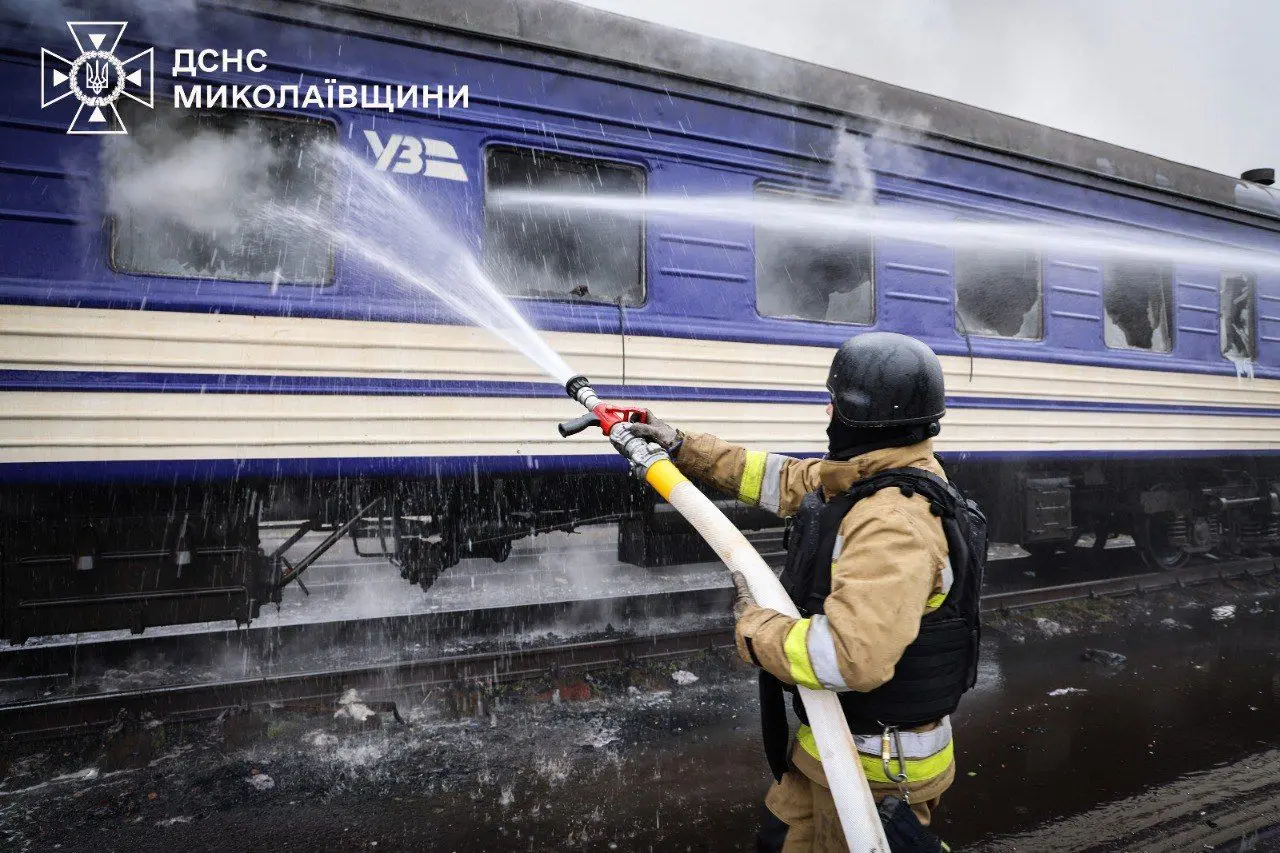
Russian drone strikes hit two passenger trains in a single day, injuring a railway worker. The attacks come amid a surge in strikes on Ukraine’s railway infrastructure since July 2025. Ukrainian Railways said Russia has launched 18 strikes on railway facilities since the beginning of March — an average of six per day.
In Mykolaiv Oblast, a Russian drone hit an empty train that had arrived for maintenance, injuring one railway worker. Fire broke out after a Shahed-type drone damaged transport infrastructure. Emergency crews, including pyrotechnicians and chemical specialists, were deployed to the scene.
Railway staff followed safety protocols, stopping trains and evacuating passengers when threats were detected. In one case, a drone struck just meters from a locomotive after passengers had been evacuated. No one was injured in that incident, and service later resumed.
Later the same day, another strike on railway infrastructure in Odesa Oblast injured two children and a railway worker.
On March 2, a separate drone attack hit a passenger carrier in Dnipropetrovsk Oblast, killing one person and injuring 10. Ukrainian Railways introduced additional security measures on January 28 after a Russian strike on a passenger train in Kharkiv Oblast killed five people and wounded two.