
Daily Flyer - March 19, 2026
A voice of Ukraine to the West


Russia maintains an advantage in war, according to the US Intelligence
Tulsi Gabbard, the Director of National Intelligence of the USA, told the U.S. Senate Committee on Intelligence that Russia currently holds the upper hand on the battlefield in Ukraine and is prepared to continue a prolonged war of attrition. According to U.S. intelligence assessments, Moscow is unlikely to seek a quick ceasefire and will instead pursue a slow, grinding strategy until it believes its objectives have been met. While negotiations between Kyiv and Moscow are ongoing with U.S. involvement, Gabbard said a resolution remains distant without a broader compromise.
At the same time, analysts say Russia is attempting to shape perceptions of the war by exaggerating its battlefield gains. Statements by Valery Gerasimov, chief of Russia’s General Staff, have portrayed broader territorial control than independent assessments suggest. Experts, including those from the Institute for the Study of War, indicate that while Russian forces have made some tactical advances, the front line remains largely stable, with Ukrainian forces also achieving localized gains in recent months.
Fighting remains particularly intense in eastern Ukraine, especially in Donetsk Oblast, where Russian troops are concentrating their main efforts. Military analysts, including Dmytro Snegiryov, say Russia is pushing toward key strategic cities such as Kramatorsk and Pokrovsk, while also launching renewed offensives in parts of Zaporizhzhia Oblast. Despite heavy assaults involving infantry, armored vehicles, and aerial bombardment, Ukrainian forces have in some areas successfully repelled attacks and inflicted significant losses, underscoring the ongoing intensity and uncertainty of the conflict.
Russia is preparing to invade the Baltic states and Poland - Russian media
Russia’s government has introduced a bill to the State Duma ( Parliament of Russia) that would allow Vladimir Putin to deploy Russian armed forces abroad to protect citizens who are allegedly facing unlawful prosecution in other countries. The proposal, submitted by the Cabinet of Ministers, would effectively grant the Kremlin broad authority to use military force outside Russia at its own discretion.
The move comes amid rising tensions in Europe, including the arrest of pro-Russian individuals in countries such as Poland and across the Baltic states. Some of those detained are reportedly facing extradition to Ukraine or legal proceedings in their host countries, developments that Moscow has criticized.
Analysts warn the bill could be used as a legal pretext for future military actions beyond Russia’s borders, including against members of NATO. If adopted, the legislation would expand the Kremlin’s ability to justify interventions under the claim of protecting its citizens abroad, raising concerns about further escalation in the region.
Major Chinese oil companies may be interested in purchasing Russian-origin oil
The potential purchase of Russian oil by Chinese oil companies would allow both the People’s Republic of China (PRC) and Russia to benefit from the March 12 US decision to temporarily lift sanctions against Russian oil stranded at sea. Major Chinese oil companies, including Sinopec and PetroChina, are exploring potential purchases of Russian oil to offset supply disruptions linked to the conflict in the Middle East, according to sources cited by Reuters. If completed, the deals would mark their first such purchases since late 2025, with some sources indicating the transactions could happen soon. Companies may acquire the oil through intermediaries already holding Russian supplies in storage.
The renewed interest comes as global oil prices surge, with Brent crude trading at around $109 per barrel. Sustained high prices could help reverse a prolonged decline in Russia’s oil revenues, providing a financial boost to Moscow. Analysts note that even limited increases in energy income can significantly support Russia’s wartime economy.
Experts also say the temporary easing of U.S. sanctions could further facilitate such transactions, allowing China to access discounted Russian oil. This, in turn, may help the Kremlin maintain funding for its war in Ukraine in the near term, despite ongoing economic pressure from Western restrictions.
Belarusian leader Lukashenko sent Trump a message that he is in a war against Belarus' friends
During discussions with a U.S. delegation led by John Coale, a special envoy appointed by Donald Trump, Alexander Lukashenko, the self-proclaimed president of Belarus, stated that the talks would address not only regional issues and the war in Ukraine but also broader global tensions, including the conflict in the Middle East.
Lukashenko indicated he wanted his views—particularly on the situation involving Iran—to be conveyed directly to Trump. He described himself as generally supportive of the U.S. president, despite what he called certain mistakes by Washington, and said he was prepared to speak candidly about global security issues.
The talks mark the latest in a series of contacts between Belarus and the United States, with Lukashenko and Coale having met several times before, most recently in December 2025.
Russia should be a part of Europe's security and energy systems - Orban
Viktor Orban, Hungary’s prime minister, said Russia’s war against Ukraine should not prevent Moscow from eventually being part of Europe’s future security and energy systems. Speaking in an interview cited by European Pravda, Orban acknowledged that Russia’s actions constitute aggression under international law but argued that long-term cooperation with Moscow should remain an option once the war ends.
Orban suggested that Europe could rebuild or redesign its energy framework to include Russian resources, or even create a new security and trade architecture involving Russia. He emphasized that while the war must be brought to an end, European countries should consider restoring relations afterward rather than permanently isolating Moscow.
The comments reflect Budapest’s more conciliatory stance toward the Kremlin compared to many other European Union members, and are likely to fuel ongoing debate within Europe over how to handle relations with Russia in the future.
Four people were injured in a large-scale Russian drone attack on Odesa
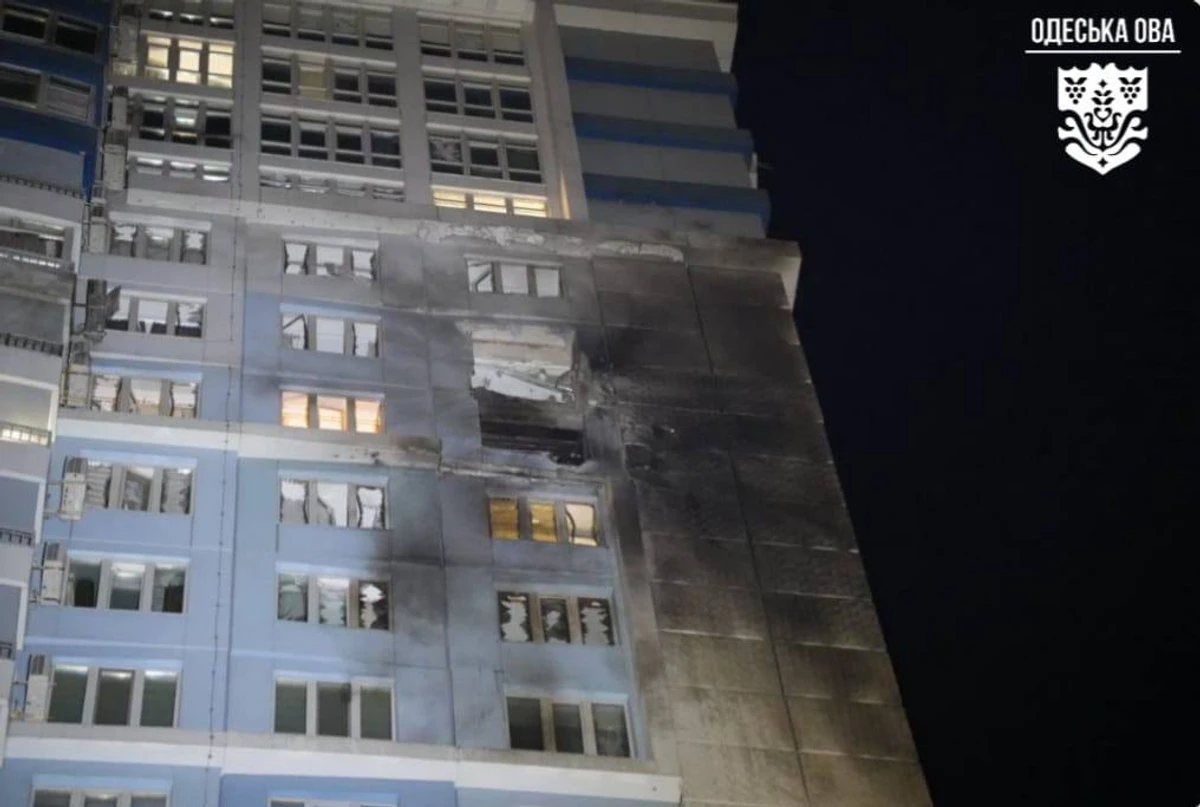
Russian forces carried out a large-scale overnight drone attack on Odesa on March 18–19, injuring four people and causing significant damage to residential areas, local authorities said. According to officials, multiple strike drones hit the city, damaging high-rise apartment buildings, a house in the historic center, and other structures. Residents reported hearing more than 10 explosions around midnight, and large fires broke out at several impact sites.
By morning, the number of injured rose to four, including two men and two women. Several victims were hospitalized, while another received treatment at the scene; none of the injuries were considered life-threatening. One of the drones struck a high-rise building, partially destroying several apartments and damaging its facade and windows.
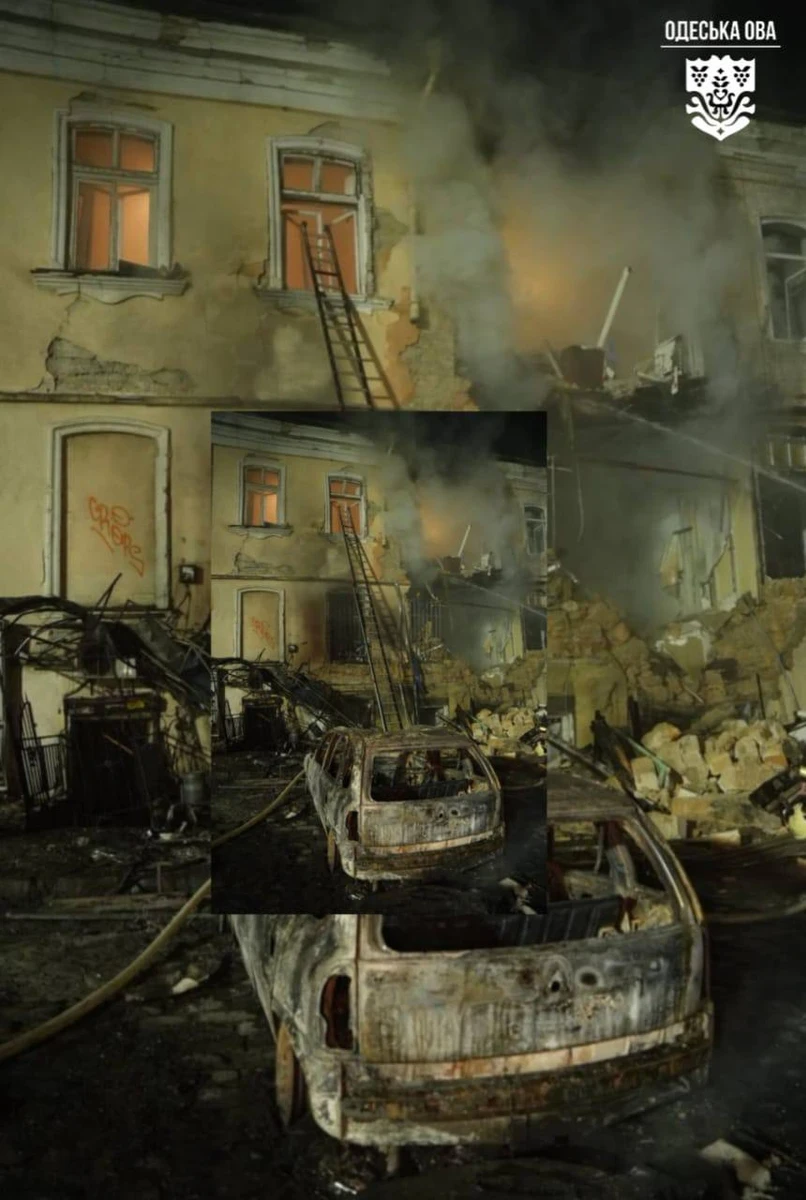
The attack also hit non-residential infrastructure, including a municipal facility, where equipment and at least 11 vehicles were damaged. The strike underscores the continued use of Iranian-made Shahed drones by Russia in attacks on civilian areas across Ukraine.
Trump's envoy announced the lifting of US sanctions on Belarusian banks and the potash industry
During a visit to Minsk, Donald Trump’s special envoy John Coale said that the United States plans to lift sanctions on several Belarusian financial institutions and key potash producers. Speaking after a meeting with Belarusian leader Alexander Lukashenko, Coale said the decision would be implemented quickly and had already been discussed with officials at the U.S. Department of the Treasury.
According to the announcement, sanctions will be removed from the Belarusian Ministry of Finance, the Development Bank of Belarus, and Belinvestbank. Major potash exporters, including Belarusian Potash Company and Belaruskali, are also set to be taken off the U.S. sanctions list.
The move marks a significant shift in U.S. policy toward Belarus and could have broader implications for global fertilizer markets, where Belarus is a major supplier.