


Russia rejects Ukrainian, European peace initiatives
On June 8, senior Russian officials rejected recent Ukrainian and European proposals aimed at reviving negotiations to end the war, indicating that Moscow remains focused on battlefield objectives rather than a diplomatic settlement. The response followed President Volodymyr Zelensky’s open letter urging Russian President Vladimir Putin to resume bilateral talks and proposing a direct leaders’ meeting, as well as a June 7 statement by the leaders of France, Germany, the United Kingdom, and Ukraine calling for an immediate ceasefire and negotiations based on the current line of contact.
Russian Foreign Minister Sergey Lavrov said military developments, not negotiations, would determine the war’s course. Speaking on June 8, he argued that “everything depends not on negotiations, but on the actions of our heroes on the front lines,” reinforcing Moscow’s long-stated position that military pressure is its main instrument for achieving its aims in Ukraine.
Kremlin spokesperson Dmitry Peskov also dismissed the European initiative, accusing leaders such as Emmanuel Macron, Keir Starmer, and Friedrich Merz of contradicting their calls for peace by continuing military support for Ukraine. Moscow has repeatedly insisted that any settlement must include Ukrainian withdrawal from parts of Donbas, a condition Kyiv rejects.
The exchange underscores the collapse of momentum behind U.S.-mediated peace efforts, which have been largely frozen since February while Washington’s attention has shifted to the Middle East. Kyiv has increasingly argued that Europe must play a direct role in any future negotiations. Putin had already rejected Zelensky’s outreach at the St. Petersburg International Economic Forum, saying he “sees no point in meeting Zelensky,” prompting Zelensky to accuse the Kremlin of once again choosing war over negotiations.
Seven injured, including a 17-year-old girl, due to a Russian glide bomb attack on Sloviansk
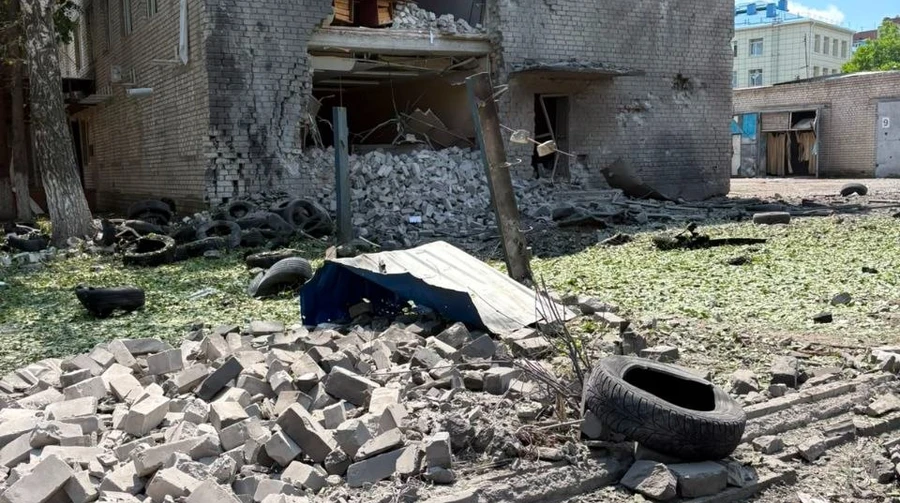
Russian forces dropped three aerial bombs on the city of Sloviansk in Donetsk Oblast on June 8, injuring seven civilians, including a 17-year-old girl, according to regional authorities.
The strikes caused significant damage across the city. An office building, a medical facility, apartment blocks, and private homes were hit, leaving parts of the city heavily damaged. Emergency services and local authorities are continuing to assess the full extent of the destruction.
Sloviansk, which remains a frequent target of Russian attacks due to its proximity to the front line, has faced repeated missile and aerial bomb strikes throughout the war. The latest attack highlights Russia’s continued use of guided aerial bombs against civilian areas in eastern Ukraine, causing casualties and damaging critical infrastructure.
Ukraine hit Russia's oil depot, radar station, and other military targets
On June 8, Ukrainian forces carried out a series of overnight strikes on Russian military and energy infrastructure, targeting key facilities involved in oil exports, fuel transportation, and military logistics. According to Ukraine's General Staff, a strike on the Grushevaya oil depot in Krasnodar Krai caused a fire at a facility that is part of the Sheskharis oil export complex, a major hub for handling and shipping Russian crude oil through the port of Novorossiysk. Ukraine also struck the Krasny Yar oil transmission and control station in Volgograd Oblast, another important link in Russia's fuel transportation network.
The operation extended beyond Russia's energy sector. Ukrainian forces reported successful strikes on a Russian radar station near Kabardinka, drone command posts in occupied Zaporizhzhia and Donetsk oblasts as well as Russia's Kursk Oblast, a drone workshop near Burchak, logistics depots, and concentrations of Russian troops in several frontline areas. Ukraine also released updated assessments from a June 6 attack on the Ust-Labinskaya oil depot, saying the strike damaged fuel-loading infrastructure, storage tanks, and fuel tankers.
The attacks are part of Ukraine's broader campaign to disrupt Russia's military logistics and reduce revenues from energy exports that help finance the war. Russia claimed its air defenses intercepted 310 Ukrainian drones overnight across multiple regions and occupied Crimea. The strikes came days after Russian President Vladimir Putin rejected President Volodymyr Zelenskyy's proposal to restart peace negotiations, while fighting and long-range attacks continue on both sides.
North Korea’s surprising economic boom: the regime is wealthier than ever
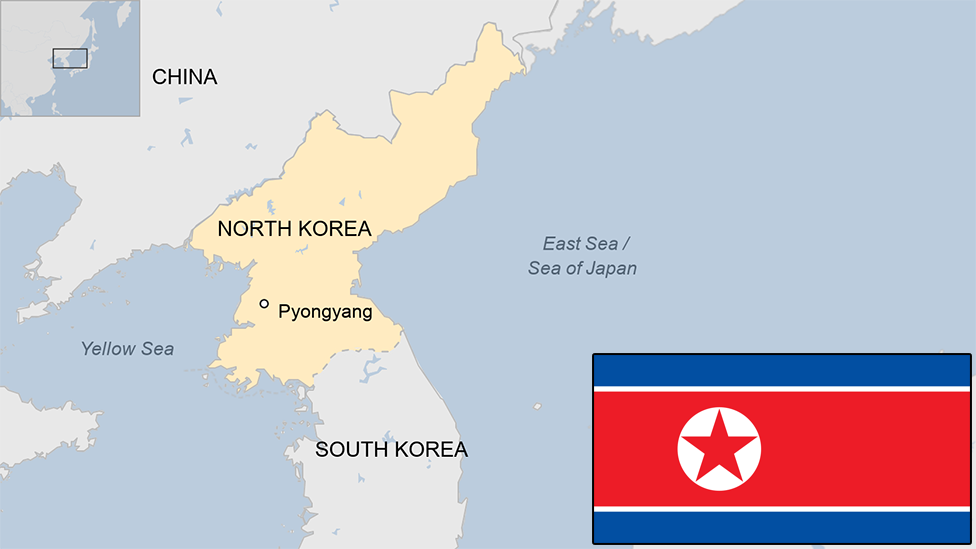
While much of the world continues to dismiss or ridicule North Korea, the isolated country has quietly emerged as one of the most unexpected economic success stories in recent years. According to a recent Wall Street Journal report, the DPRK’s economy is experiencing its strongest growth in years, with visible improvements in daily life in Pyongyang and rising regime revenues despite heavy international sanctions.
The surge is driven by several key factors: lucrative arms sales and military support to Russia in the war against Ukraine, continued backing from China, and sophisticated sanctions evasion. Cooperation with Moscow has notably improved North Korea’s energy supplies and construction capabilities. In the capital, the landscape has transformed rapidly — residents now use Uber-like taxi apps, make QR code payments, drive Chinese electric cars, visit pet stores and internet cafes, and even see BMW dealerships. Last year alone, around 10,000 new apartments were built in Pyongyang as part of an ambitious housing program.
Trade with China has reached an eight-year high, and Chinese brands remain active in the country. Just a few years ago, widely viewed as one of the most isolated and impoverished nations, North Korea’s regime is now richer and more financially resilient than at any point in recent memory. However, this prosperity comes at a steep human cost: reports indicate that roughly one-third of the more than 15,000 North Korean troops sent to fight alongside Russian forces have been killed or wounded.
This dramatic turnaround represents one of the biggest plot twists in global affairs in recent years — a reminder that sanctions and isolation have not worked as intended, and that wartime alliances can dramatically reshape even the most closed economies.