


Ukrainian forces are intensifying their battlefield air interdiction campaign to target Russian naval vessels and railway infrastructure in occupied southern Ukraine and the Sea of Azov
Ukrainian forces are expanding their battlefield air interdiction campaign, increasingly targeting Russian logistics infrastructure far behind the front lines in occupied southern Ukraine and the Sea of Azov. On June 5, Ukraine’s Unmanned Systems Forces reported that drone operators struck five Russian cargo vessels near the occupied ports of Berdyansk, Mariupol, and Yalta in a single night. According to Ukrainian military officials, the ships were involved in supporting Russian military logistics and had previously been used to transport grain taken from occupied Ukrainian territories. Ukrainian commanders also noted that the vessels frequently operated with their radar transponders switched off.
The campaign has also affected Russian maritime security assets. On June 4, Ukrainian forces reportedly struck a Russian Project 10410 Svetlyak-class patrol ship near occupied Yurkyne on the Kerch Peninsula. The attack is believed to be part of a broader effort to weaken Russian naval defenses against Ukrainian drones operating in the Sea of Azov. Separately, Azerbaijan's Foreign Ministry reported that drones hit the cargo vessels Natra and Zirkon in Taganrog Bay, killing five Azerbaijani citizens and injuring three others. Azerbaijani authorities emphasized that the vessels were privately owned and not affiliated with the Azerbaijani government.
At the same time, Ukraine has intensified strikes against Russian railway infrastructure, a key component of Moscow’s military supply network. On June 4, Ukrainian drone operators reported striking two locomotives near Rozdolne and Vladyslavivka in occupied Crimea along a rail route connecting Dzhankoi with Kerch and Russia's Krasnodar region. These operations highlight Ukraine’s broader strategy of disrupting Russian logistics by targeting railways, ports, ships, roads, and other transportation networks that support Russian military operations in occupied territories and along the southern front.
Russian drone strikes spent nuclear fuel depot in Chornobyl
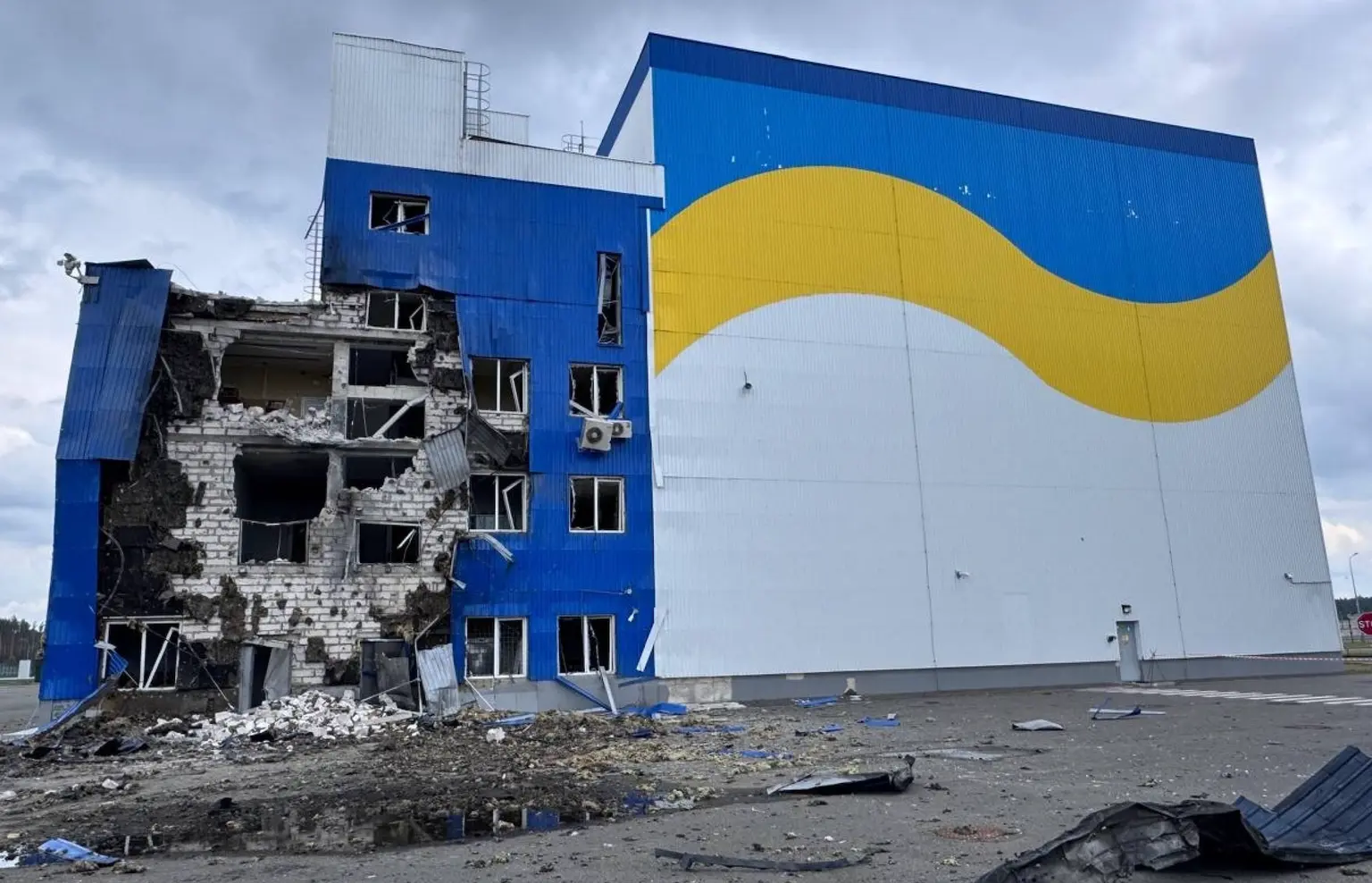
A Russian drone strike damaged part of the Centralized Spent Nuclear Fuel Storage Facility in the Chornobyl Exclusion Zone overnight on June 7, raising renewed concerns about nuclear safety in Ukraine. According to Ukraine’s state nuclear operator Energoatom, a Shahed-type drone struck the facility at approximately 2:10 a.m., causing damage to the container reception building. No spent nuclear fuel was being stored in the affected section at the time, and radiation levels remained within normal limits.
The strike sparked a fire covering about 40 square meters, which emergency crews later extinguished. No personnel were injured. President Volodymyr Zelensky condemned the attack, calling it a strike on critical infrastructure and accusing Russia of deliberately endangering nuclear and radiation safety. Ukraine’s Security Service (SBU) stated that the explosion damaged both the spent fuel reception and reloading building and an administrative building used by the International Atomic Energy Agency (IAEA), adding that investigators are treating the attack as a war crime.
Ukraine’s Foreign Ministry said it would brief international partners on the incident and called for stronger international pressure on Russia. The IAEA confirmed that it had been informed of the strike and announced that a team of experts would visit the site to assess the damage. The attack comes amid repeated warnings about risks facing Ukraine’s nuclear infrastructure during the war, with the IAEA recently reporting increased drone activity near several Ukrainian nuclear power facilities.
Zelensky met with Russian oligarch Abramovich in Kyiv to pass a message to Putin
According to the Financial Times, President Volodymyr Zelensky used Russian billionaire Roman Abramovich as an intermediary to convey a proposal for direct talks to Russian President Vladimir Putin. The report, citing four sources, said Zelenskyy invited Abramovich to Kyiv last month and asked him to deliver a message expressing Ukraine’s readiness for a face-to-face meeting with Putin. Ukrainian officials reportedly viewed the initiative as a way to demonstrate Kyiv’s commitment to direct peace negotiations, particularly while U.S. diplomatic efforts have been increasingly focused on developments in the Middle East.
According to two senior Ukrainian officials, the message was similar in substance to the open letter Zelensky published on June 4 calling for a ceasefire and leader-level talks, though it was reportedly less confrontational in tone. Putin later revealed that he had discussed the proposal with “a representative of Russian business circles” during a meeting on May 21. Speaking at the St. Petersburg International Economic Forum, Putin said he saw no reason to meet Zelensky and argued that such a meeting would only serve Ukraine's interest in slowing Russia’s military advance.
Abramovich has played a recurring role in contacts between Russia and Ukraine since the start of the full-scale invasion in 2022. He was involved in early peace efforts, helped facilitate the Black Sea grain export agreement, and has continued participating in prisoner exchanges and other humanitarian negotiations. Sources cited by the Financial Times said Abramovich remains one of the few Russian figures accepted by both sides for informal communication. One source close to him claimed that Zelensky believes a leaders’ meeting could unlock progress through personal diplomacy, while Abramovich reportedly doubts that such an approach would influence either Putin or U.S. officials involved in mediation efforts.