


Russian attack on Zaporizhzhia injured fiften civilians
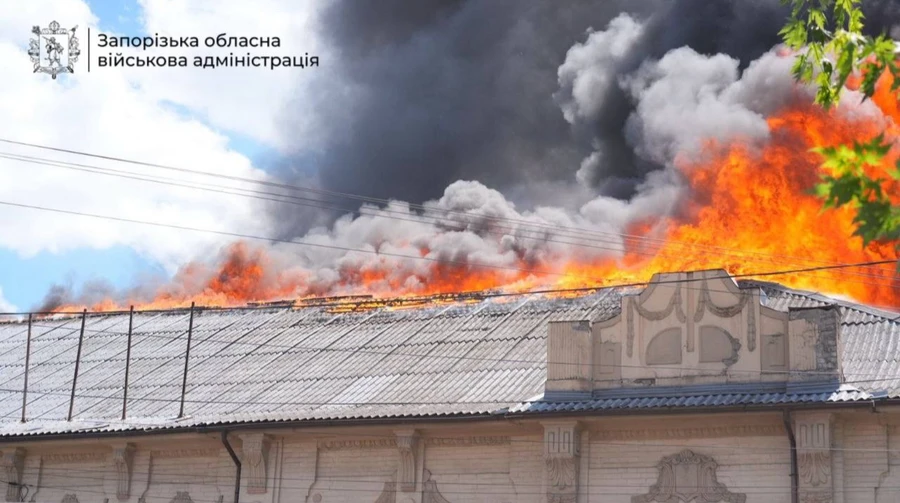
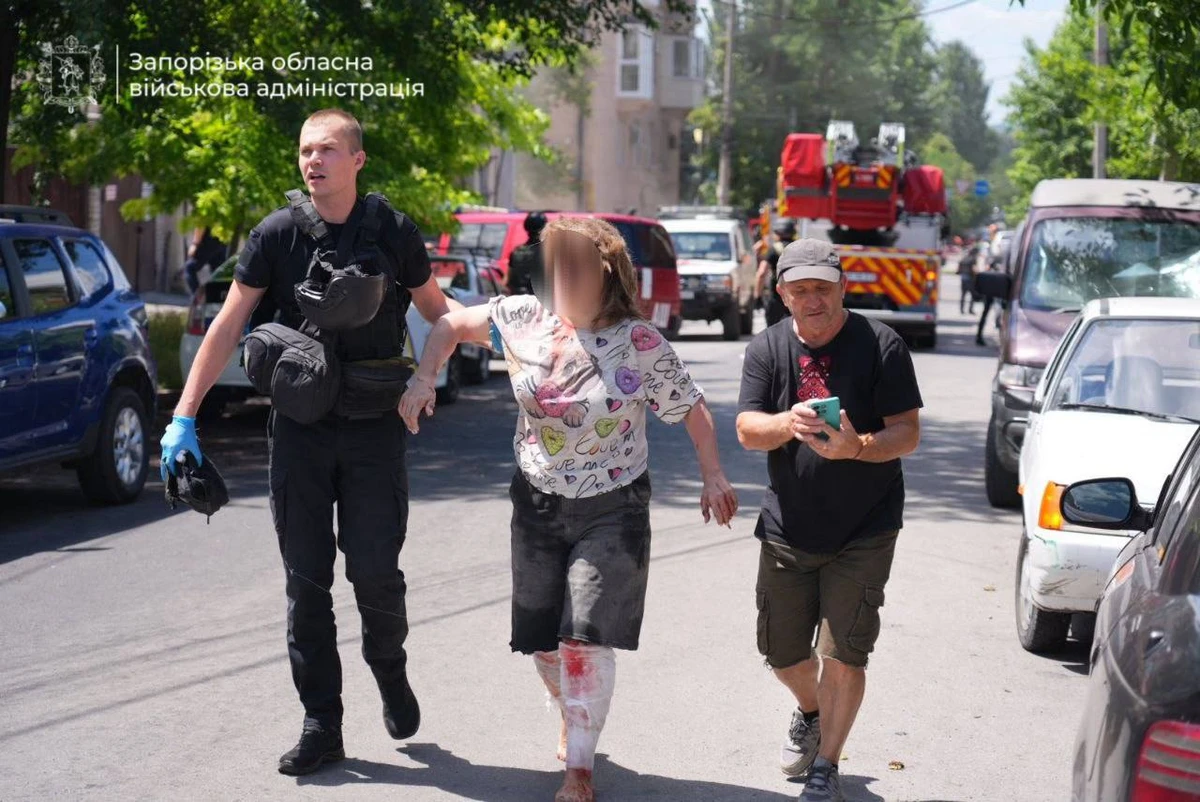
At least 15 people, including one child, were injured in a Russian strike on the city of Zaporizhzhia on June 26, according to regional authorities.
Air-raid alerts warning of the threat of guided aerial bombs and ballistic missiles were issued before the attack. Explosions were followed by heavy smoke over the city and a fire, while the air-raid alert remained in effect across the region.
Head of Zaporizhzhia Oblast Military Administration, Ivan Fedorov, initially reported seven people injured. The casualty toll later rose to nine, with women aged between 21 and 86 among those requiring medical treatment.
By 15:50 local time, Ukraine's State Emergency Service said the number of injured had increased to 15, including one child. Emergency crews continued responding at the scene.
New prisoner swap returned home 160 Ukrainian troops who spent four years in Russian captivity
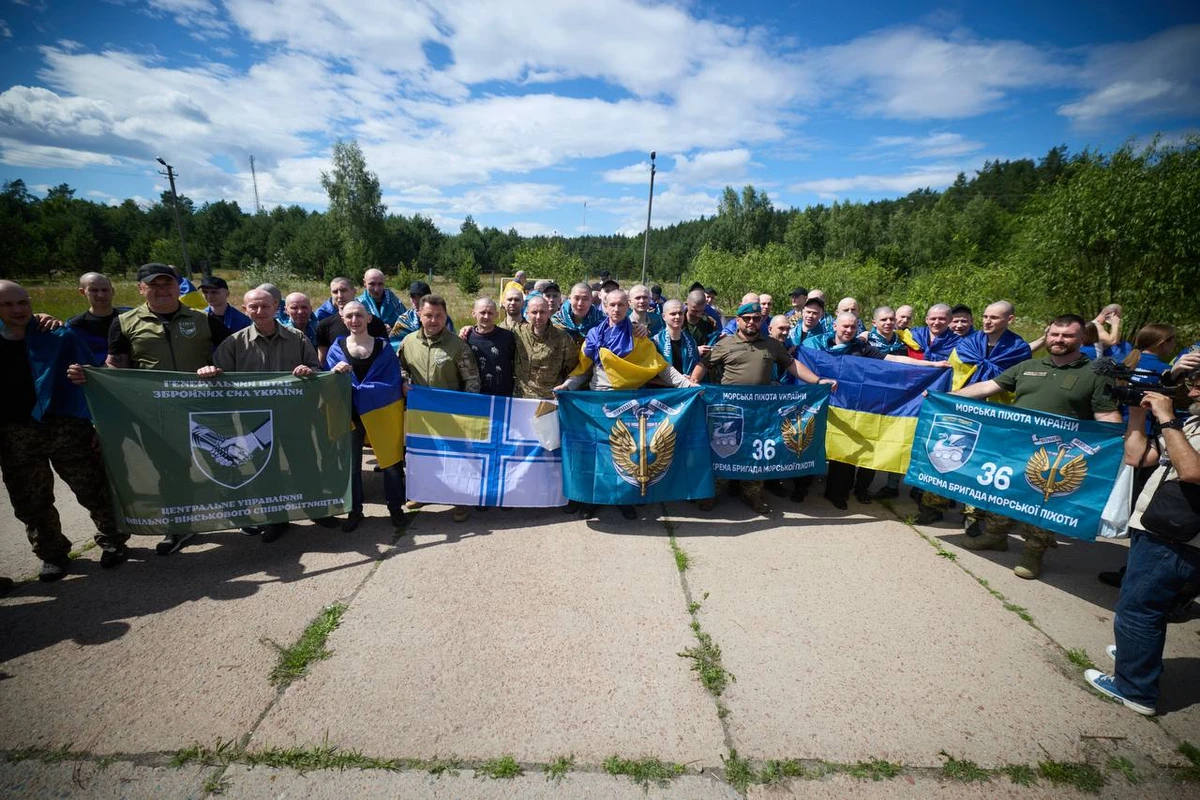
A total of 160 Ukrainian prisoners of war returned home in the latest prisoner exchange with Russia, President Volodymyr Zelensky announced on June 26.
Russia's Defense Ministry confirmed that both sides exchanged 160 POWs each. According to Zelensky, all of the Ukrainians released in the exchange had been held in Russian captivity since 2022.
"We remember everyone who is in captivity," Zelenskyy said, adding that Ukraine continues to verify every name and is working to bring home all military personnel and civilians held by Russia.
Among those freed were defenders of the Azovstal steel plant, the last Ukrainian stronghold during the siege of Mariupol in 2022. The released service members served in the Armed Forces of Ukraine, the State Special Transport Service, the National Guard, and the State Border Guard Service.
The exchange follows an agreement announced by U.S. President Donald Trump for a larger 1,000-for-1,000 prisoner swap. Ukraine said in May it had already provided Russia with its list of 1,000 prisoners, prioritizing those who have spent the longest time in captivity.
The previous prisoner exchange took place on June 5, when 185 Ukrainian POWs were released. Prisoner swaps remain one of the few functioning channels of communication between Kyiv and Moscow since the start of Russia's full-scale invasion in 2022.
Ukraine allegedly hit Russian military supply vessels and air defense systems in occupied Crimea
Ukraine's Security Service (SBU) said its long-range drones struck Russian military vessels and air defense systems in occupied Crimea on June 26 as part of a broader campaign to disrupt Moscow's logistics on the peninsula.
According to the SBU, the strikes targeted the Project 15310 cable-laying ships Volga and Vyatka at the Zatoka shipyard in Kerch, causing a major fire aboard the vessels. The agency also said it struck the Petropavlovsk cargo-passenger ferry, which was reportedly 96% complete.
The SBU said the Volga and Vyatka were built for the Russian Defense Ministry and are designed for underwater military reconnaissance, as well as laying contactless naval mines capable of targeting ships, underwater pipelines, cables and other critical infrastructure.
In addition to the naval targets, Ukrainian drones reportedly hit Russian air defense systems in the Kerch Strait area.
The operation forms part of a 40-day campaign approved by President Volodymyr Zelenskyy aimed at increasing pressure on Russia and degrading its military capabilities in occupied Crimea.
The SBU said the strikes are intended to deprive Russia of the ability to use Crimea as a key logistical and military hub. The attacks follow weeks of intensified Ukrainian drone operations targeting Russian infrastructure across the occupied peninsula.
Russian-installed authorities have recently declared a regional state of emergency in Crimea after widespread power outages left roughly half of the peninsula without electricity.
The extent of the damage to the targeted vessels and air defense systems could not be independently verified.
EU will restrict protections for Ukrainian men on Kyiv's request
The European Union has extended temporary protection for Ukrainian refugees by one year, allowing the bloc's 4.4 million beneficiaries to remain under the scheme until March 2028.
The extension, announced on June 26, comes well ahead of the previous expiration date in March 2027 to provide greater certainty for Ukrainians living in EU member states.
At the same time, the EU said it will no longer approve new applications for temporary protection from Ukrainian men of military age, following what EU Migration Commissioner Magnus Brunner described as a request from the Ukrainian government.
According to Brunner, the new measure is intended to align EU temporary protection rules with Ukrainian legislation, which generally prohibits military-age men from leaving the country. The restriction will apply only to new applicants and will not affect Ukrainians who have already received temporary protection.
In a statement, Ukraine's Mission to the EU welcomed the one-year extension and said the proposed changes are designed to provide greater legal clarity and ensure consistency between EU mechanisms and Ukrainian law. However, Ukraine's Foreign Ministry did not immediately confirm Brunner's remarks regarding Kyiv's request.
The move follows a broader trend across Europe, with countries such as Denmark tightening eligibility rules and others, including Czech Republic, preparing legislation to redefine the rights of Ukrainians under temporary protection.
The changes have drawn criticism from Michael O'Flaherty, who warned they could raise human rights concerns. He said issues related to military service may justify international protection and stressed that member states must continue to provide individual assessments for asylum claims.
Ukrainian men who are no longer eligible for temporary protection will still be able to apply for asylum through the EU's regular asylum system. The new rules are expected to take effect in the coming weeks after formal approval by EU member states and publication in the EU's Official Journal.