


Russia targeted Kyiv with a mass missile attack
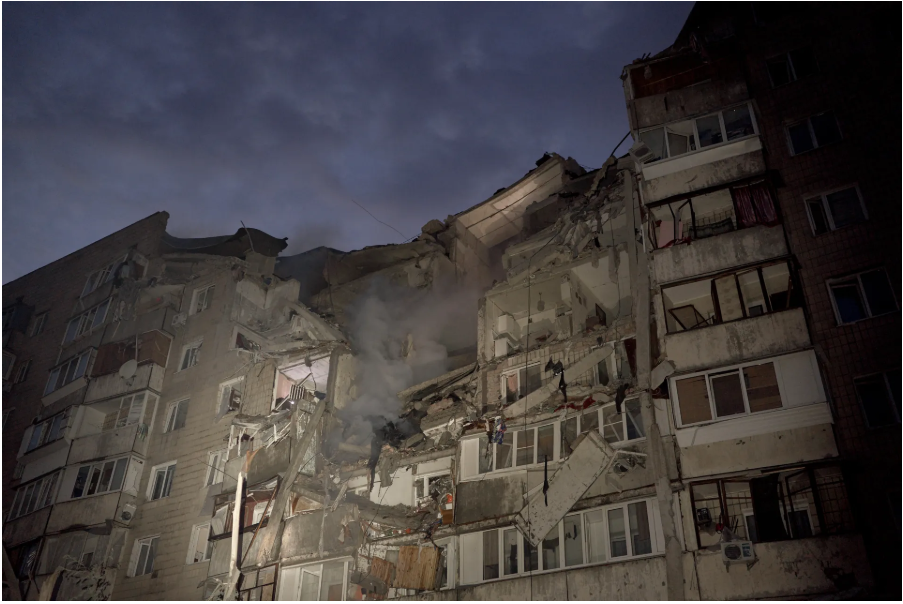
Russian forces carried out a major overnight missile and drone assault on Ukraine on the night of July 5-6, launching a total of 363 aerial assets, including 73 missiles and 656 drones. Among the missiles were 6 Zircon/Oniks hypersonic missiles launched from Kursk Oblast, 23 Iskander-M and S-400 ballistic missiles from Bryansk, Oryol, and Kursk regions, 33 Kh-101 cruise missiles from Vologda Oblast, and 6 Kalibr cruise missiles from Novorossiysk. Ukrainian air defenses successfully downed 363 aerial assets, but 29 ballistic missiles and 18 drones struck their targets.
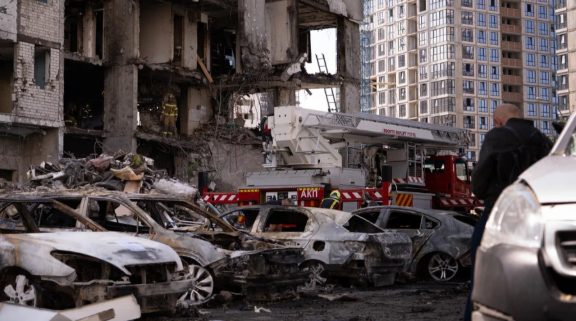
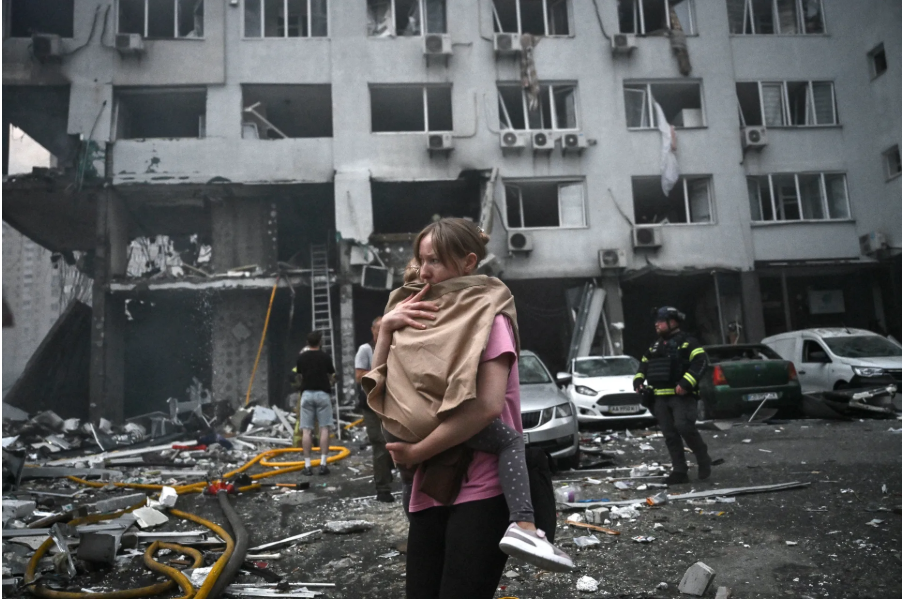
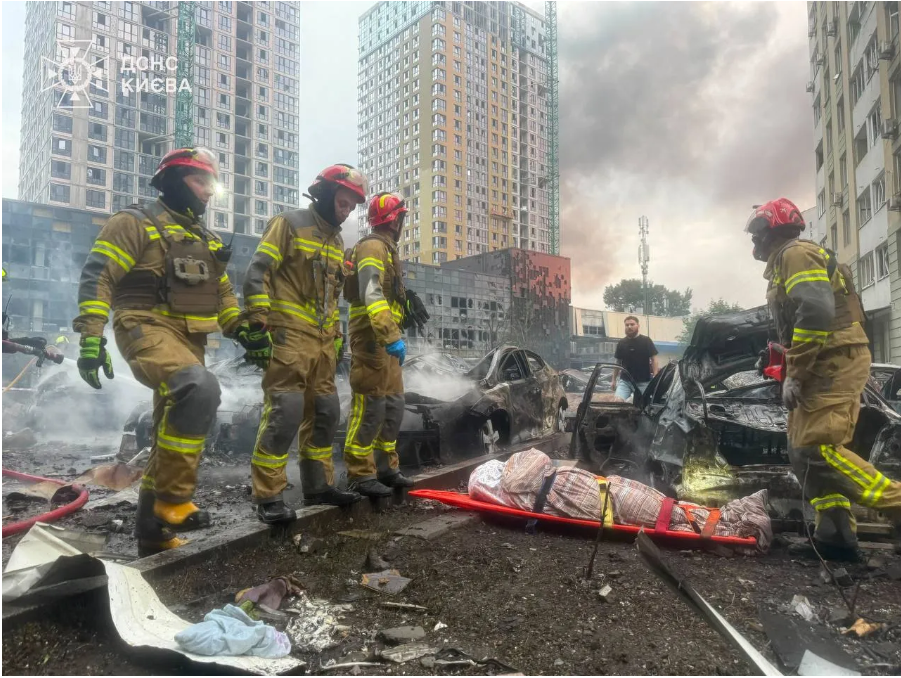
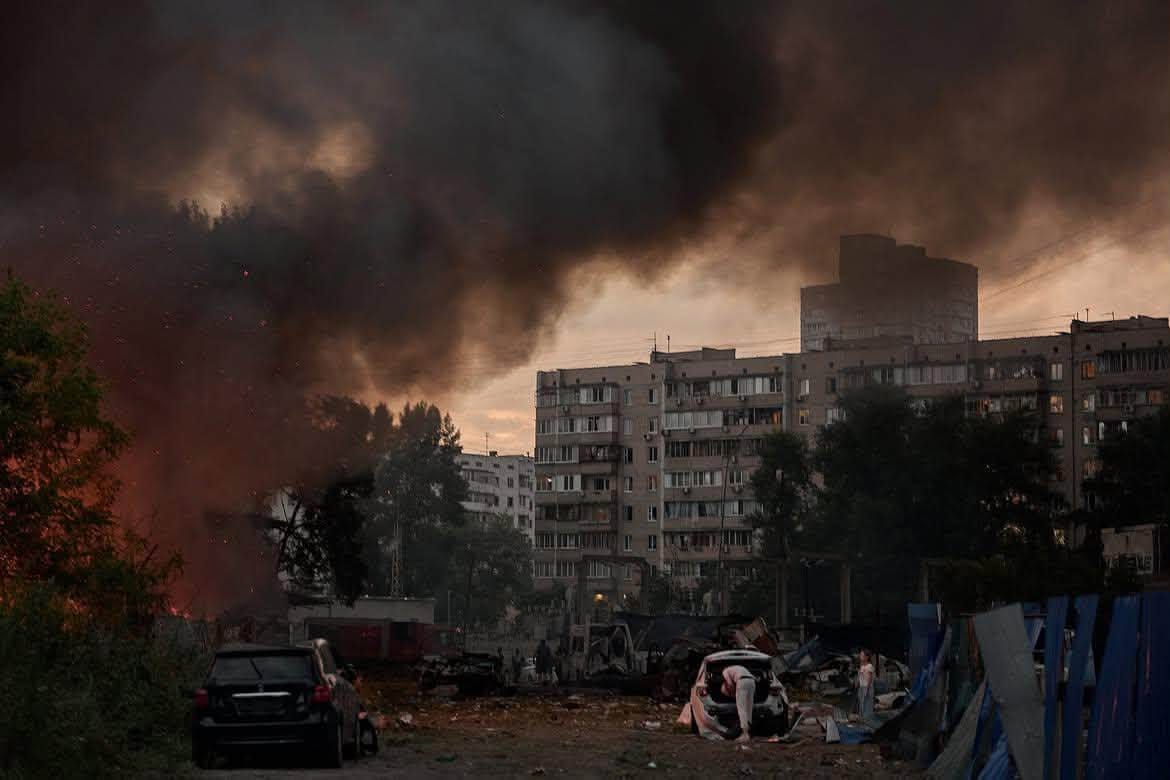
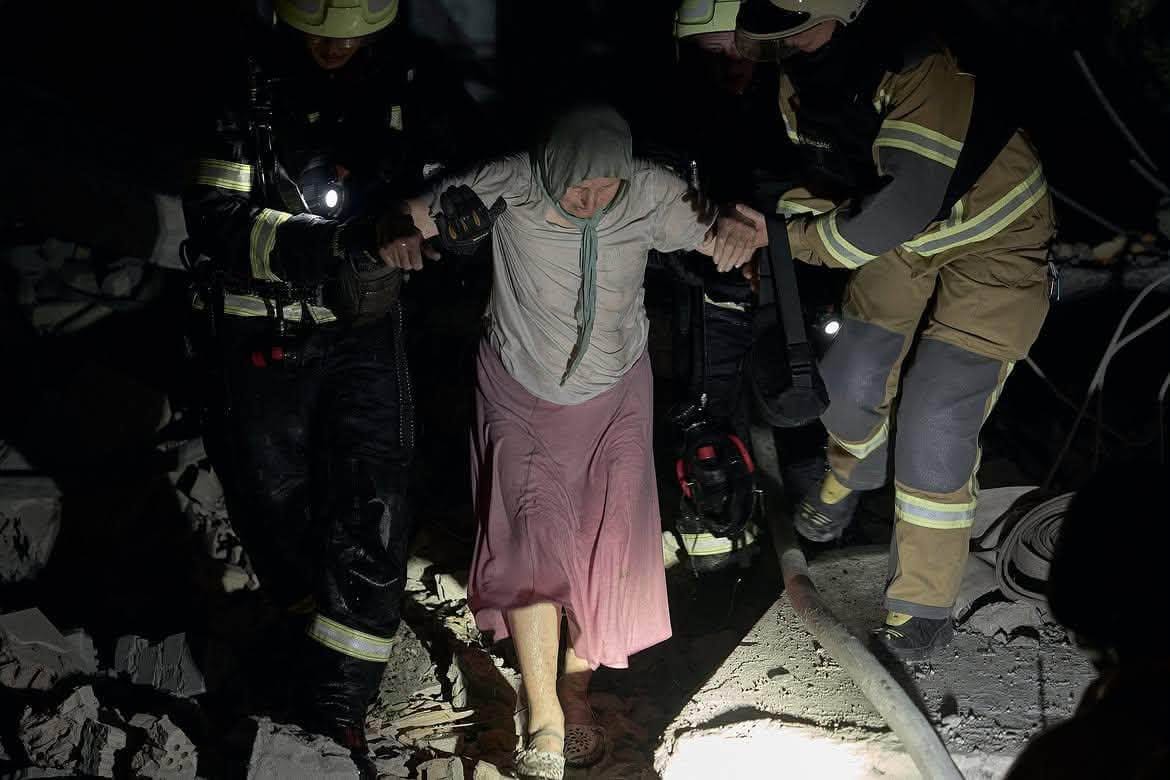
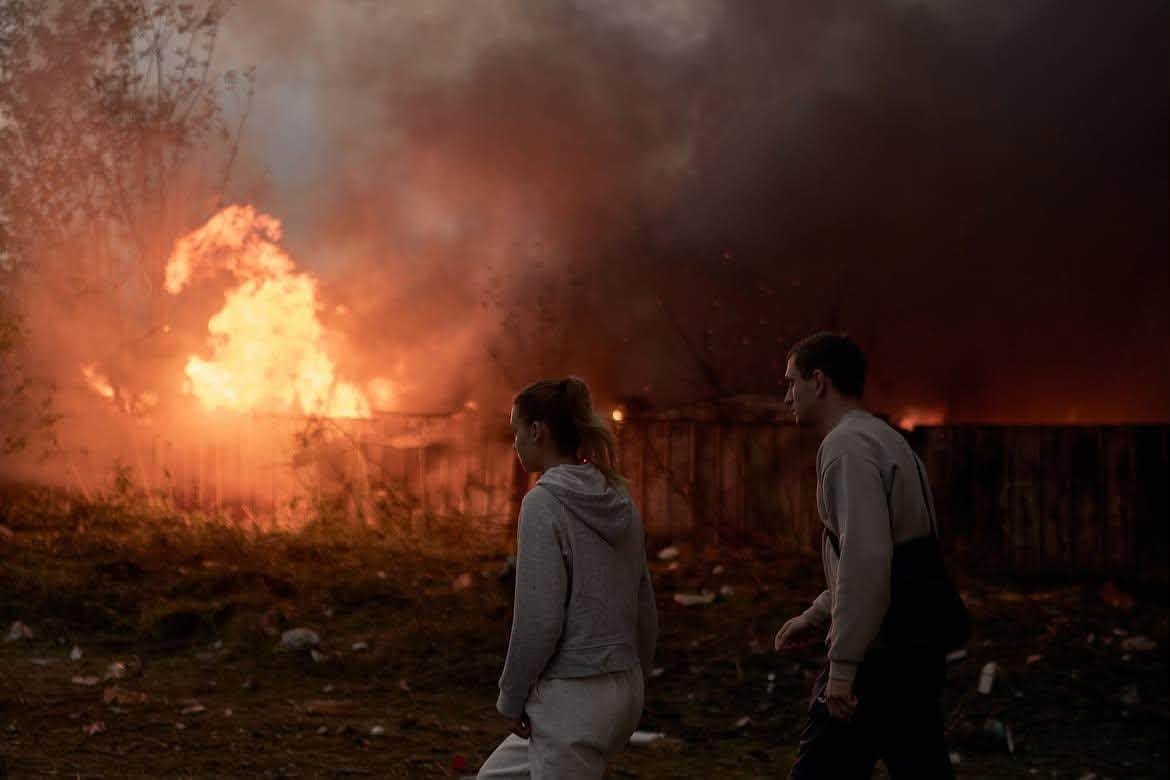
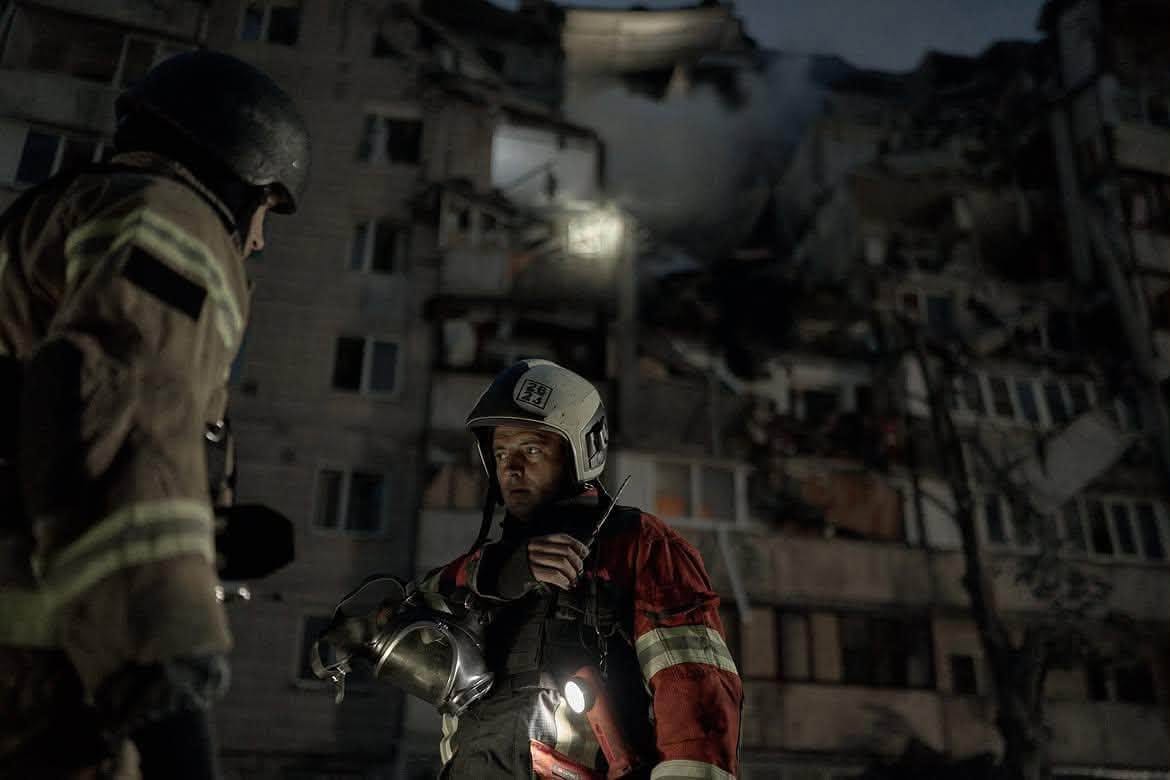
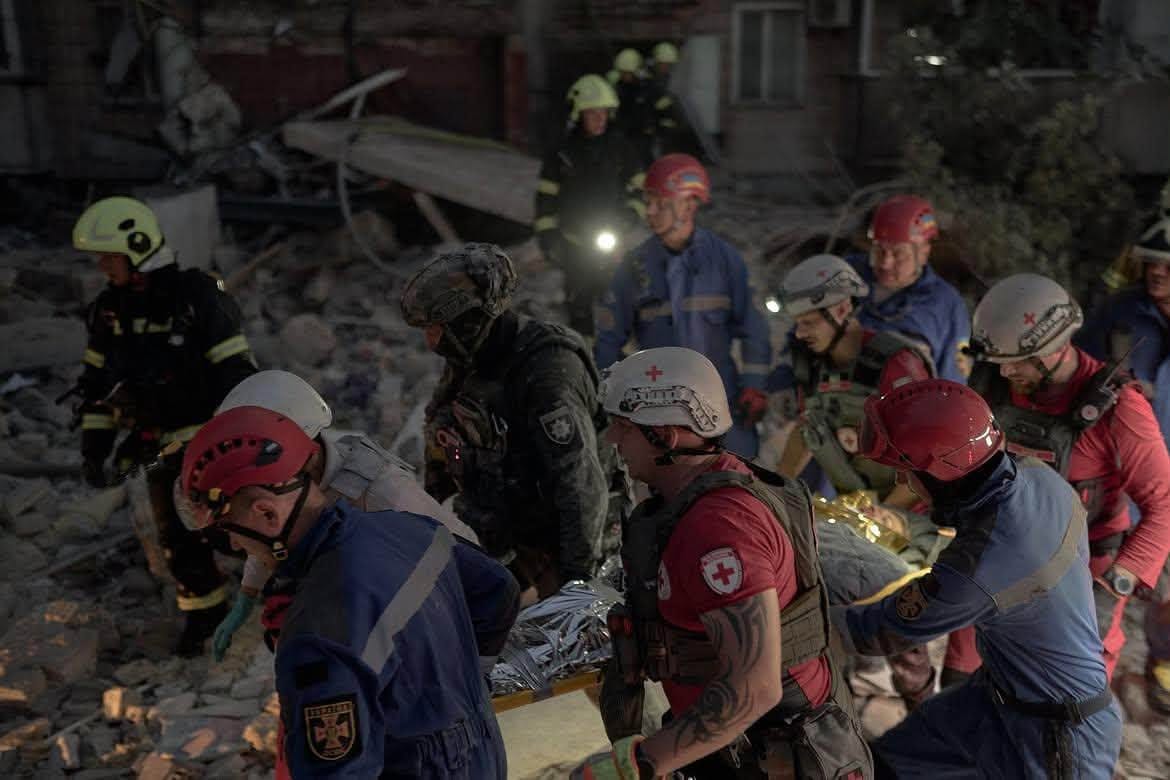
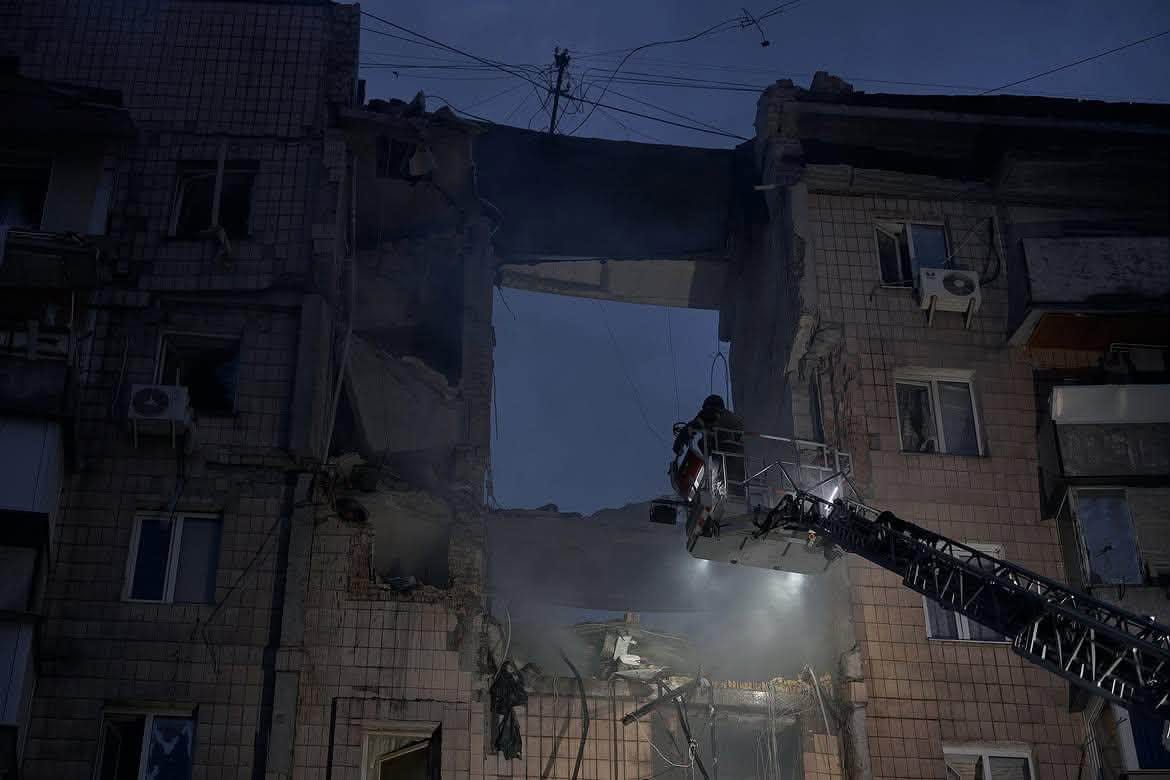
In Kyiv, the attack caused significant destruction and heavy civilian casualties. As of the latest reports, 13 people were killed and 56 others injured, including seven children. Russian strikes hit residential buildings in the Podilskyi and Darnytsia districts, leading to partial building collapses, fires, and extensive debris. Rescue teams continued working for hours, pulling victims from the rubble, with one man’s body recovered later in the day. The death toll may still rise as search operations continue.
In Kyiv Oblast, six people were killed, and 21 others were injured in the Bucha district. The attack hit the town of Vyshneve and the nearby village of Petropavlivska Borshchahivka, causing significant destruction to residential buildings. Emergency services evacuated more than 600 residents, including 117 people who had been sheltering in a bomb shelter located near the epicenter of the explosion. Rescue teams continue to inspect damaged houses and clear unexploded ordnance in the area.
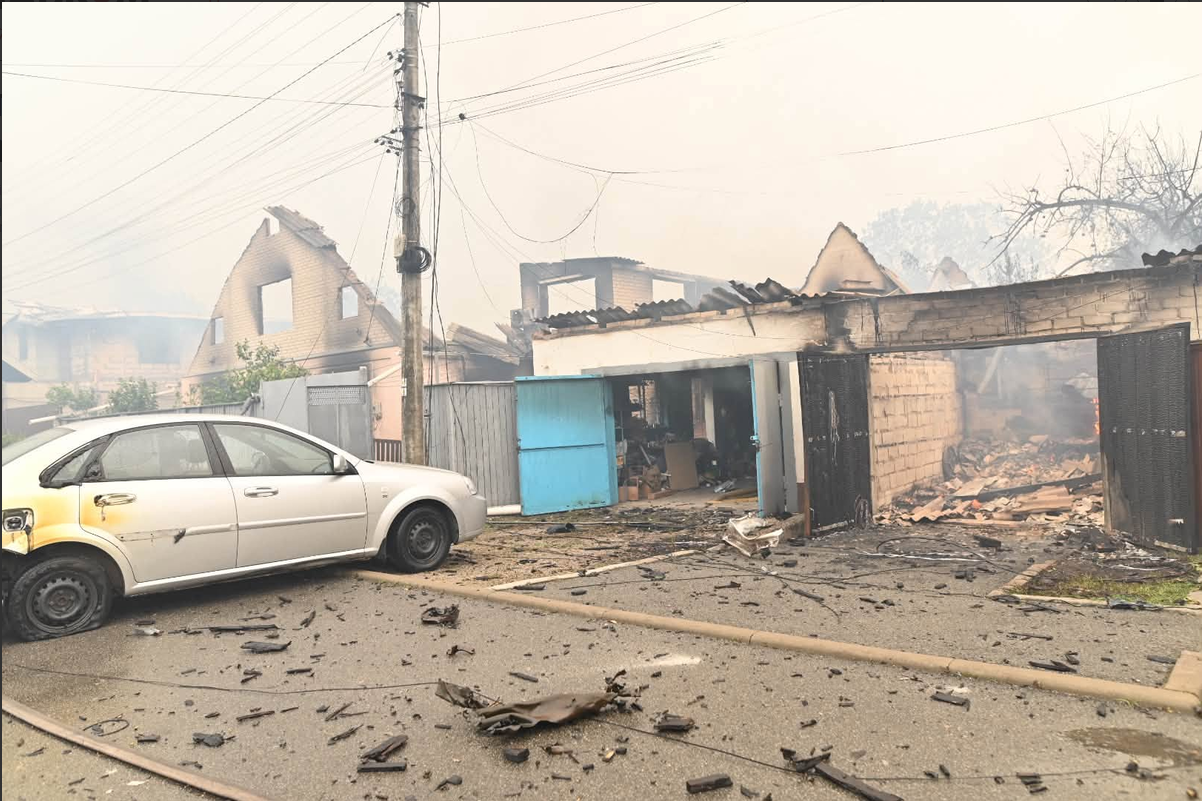
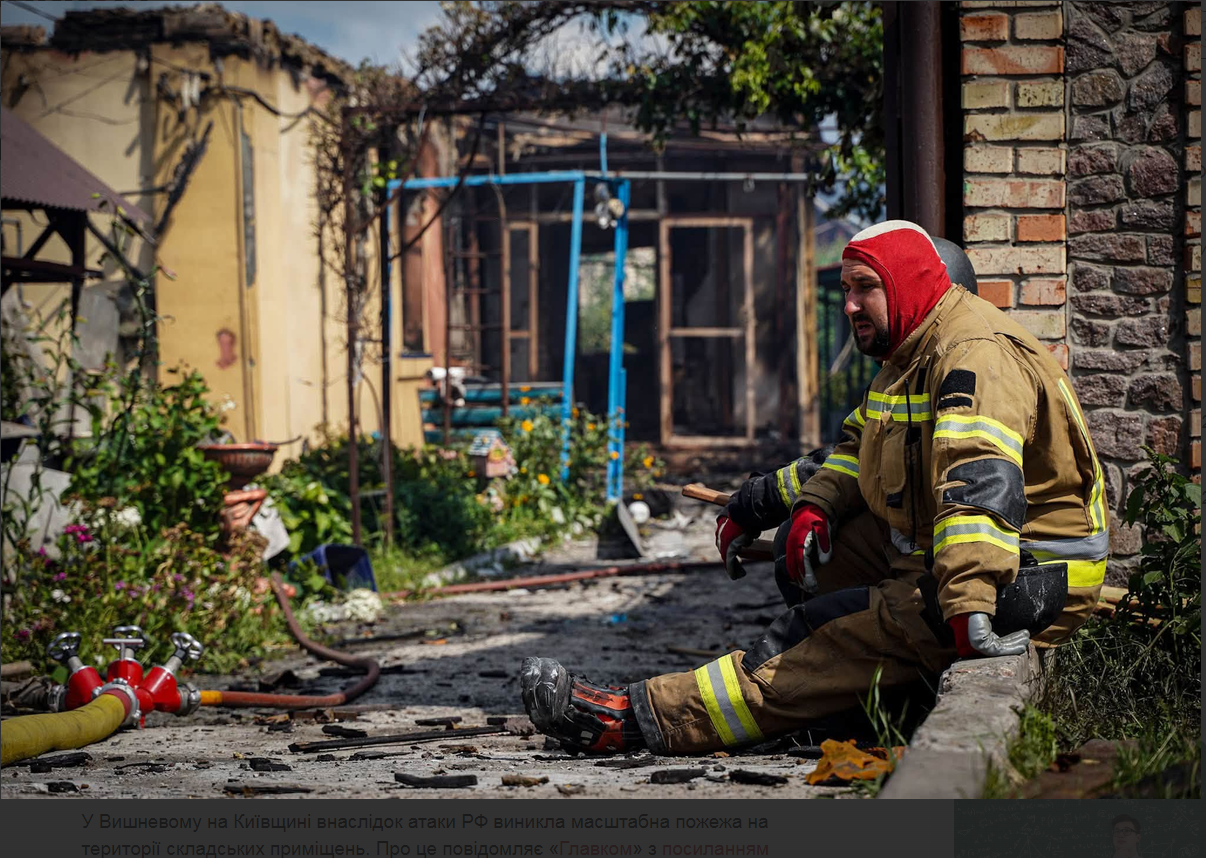
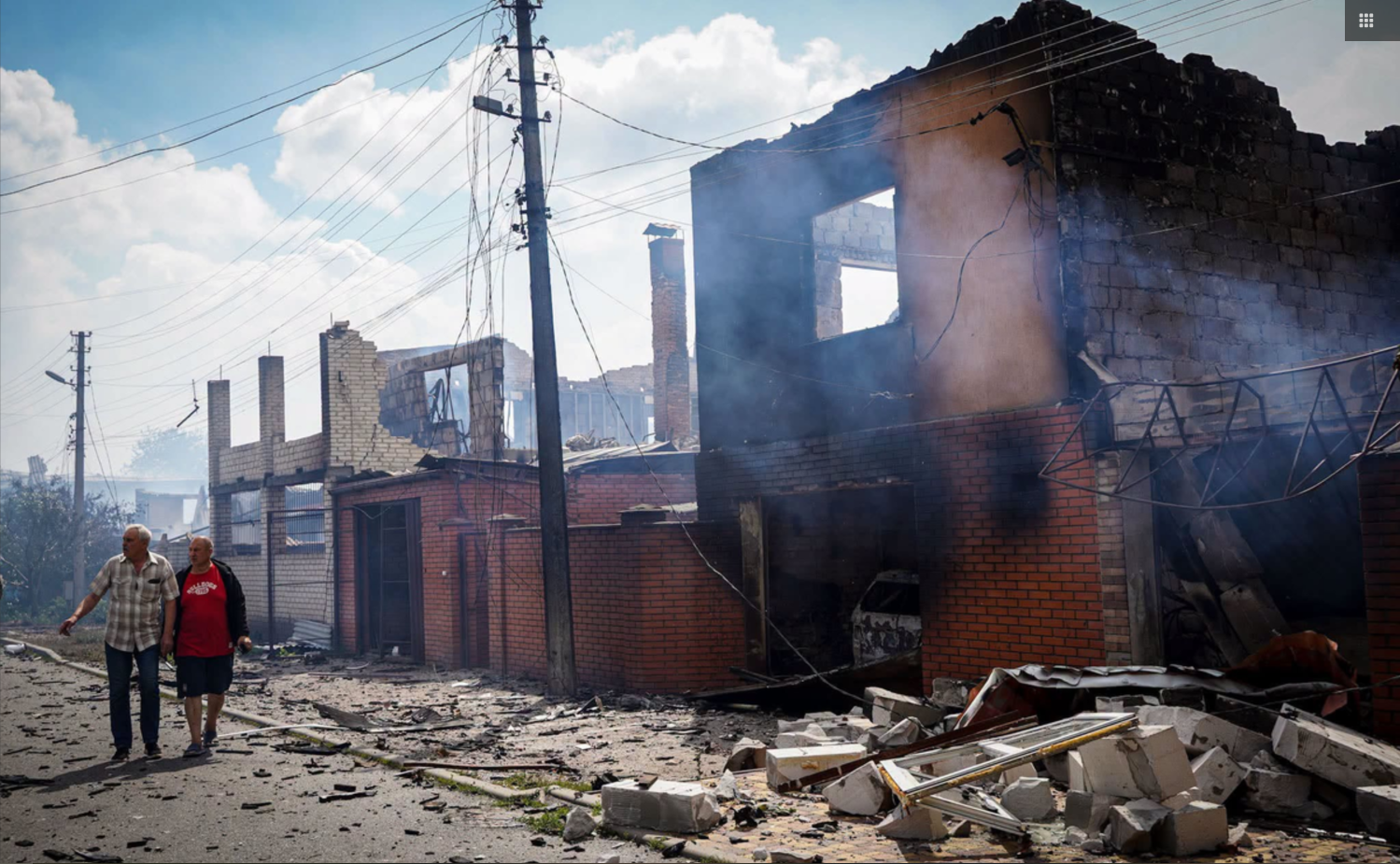
The assault highlighted Ukraine’s critical vulnerability to ballistic and hypersonic missiles. Ukrainian officials noted that not a single ballistic missile was intercepted, largely due to the acute shortage of Patriot PAC-3 interceptors. The attack on Kyiv occurred just days after another deadly strike on the capital, underscoring Russia’s intensified campaign against major Ukrainian cities.
Lukashenko states that he will not send Belarusian troops to fight in Ukraine; however, there is a condition
Belarusian leader Alexander Lukashenko said Belarusians are a peaceful people who do not want war but will not "bow down before any enemy."
Speaking at a ceremony for military graduates and senior officers, Lukashenko said Belarusians reject war because of the suffering they experienced during the Nazi occupation in World War II. At the same time, he insisted the country would defend its sovereignty if necessary.
Lukashenko also accused an international "party of war" of prolonging the conflict in Ukraine, claiming the European Union is pursuing militarization by increasing defense spending and purchasing offensive weapons while exaggerating what he described as a false "threat from the east."
Addressing Belarusian servicemen, Lukashenko reiterated that they would not be sent to fight in Ukraine. He said Belarus supports a peaceful settlement of the war, while claiming that Western politicians oppose such an outcome because of Belarus's alliance with Russia and its independent foreign policy.
Trump, Zelensky to discuss strategy to pressure Russia into peace talks
President Volodymyr Zelenskyy and U.S. President Donald Trump are expected to meet on 8 July during the NATO summit in Ankara to discuss possible ways to end Russia's full-scale war against Ukraine, according to sources familiar with the preparations.
Ukrainian officials hope the meeting will help increase pressure on Russian leader Vladimir Putin to engage in direct negotiations with Zelensky. Kyiv believes growing economic pressures inside Russia and public fatigue with the war could create an opportunity to push Moscow toward talks.
A key priority for Ukraine will be securing additional U.S.-made Patriot air defense missiles. Ukrainian officials describe the country's supply of anti-ballistic interceptors as critical after Russia's large-scale missile attack on Kyiv on 6 July, when 23 ballistic missiles were launched, and Ukraine was reportedly unable to intercept them because of a shortage of Patriot missiles.
According to the sources, Zelensky plans to present several ideas for ending the war, while Trump is expected to outline his own vision for a peace agreement with Russia. Trump is also reportedly planning to hold a phone call with Putin following the meeting.
The talks come as efforts to arrange a direct meeting between Zelensky and Putin remain stalled. Moscow has rejected proposals to meet in a neutral country and instead insists that Zelensky travel to Russia, a proposal Kyiv views as an attempt to avoid meaningful face-to-face negotiations.
The meeting also takes place amid intensified fighting, with Ukraine increasing long-range drone strikes inside Russia while Moscow continues large-scale missile and drone attacks on Ukrainian cities.