


Russia launched a massive ballistic missile and drone attack across Ukraine
According to the military, air defenses shot down or intercepted 320 Russian aerial targets during the latest large-scale attack, including 55 missiles and 265 drones. Ukrainian forces intercepted 54 of 61 Kh-101 and Kalibr cruise missiles and 265 of 284 Shahed-type attack drones. Air defenses also shot down one of nine Iskander-M, S-400, or KN-23 ballistic missiles.
None of the four Zircon or Oniks anti-ship missiles launched by Russia were intercepted, the Air Force said.
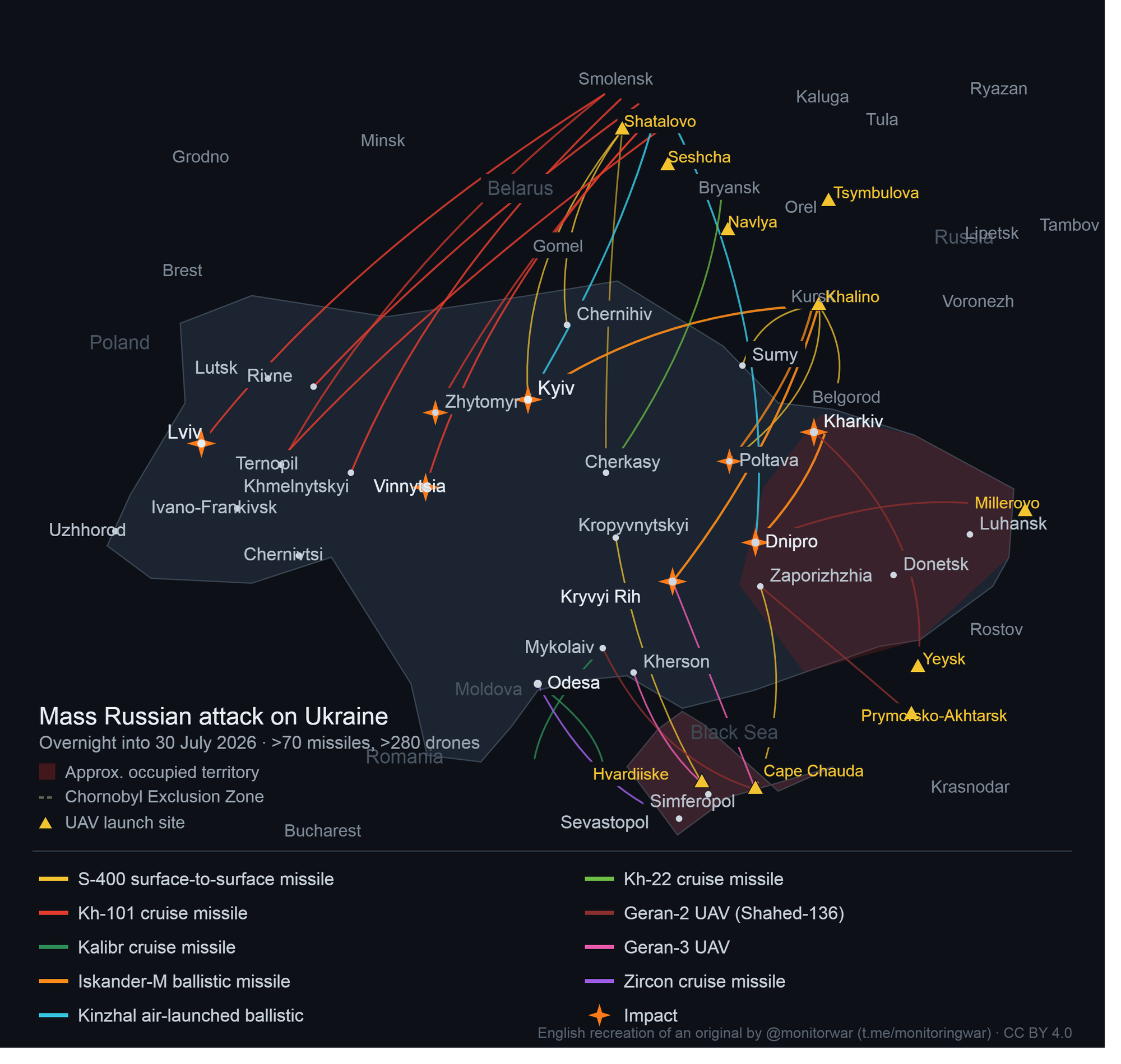
The nationwide attack struck Kyiv and the surrounding region, as well as the Dnipro, Lviv, Poltava, Kharkiv, Mykolaiv, Sumy, Vinnytsia, Cherkasy, and Ivano-Frankivsk regions. A Russian ballistic missile and drone barrage across Ukraine overnight into Thursday killed at least eight civilians, including children, and wounded dozens of others, officials said. The blitz expanded Russia's almost daily bombardment of Ukrainian cities as Moscow apparently looked to exploit Kyiv's critical shortage of Western-supplied anti-ballistic missile defenses. Notably, it was the first mass strike on Ukraine's western oblasts since March.
Kryvyi Rih (Radushne)
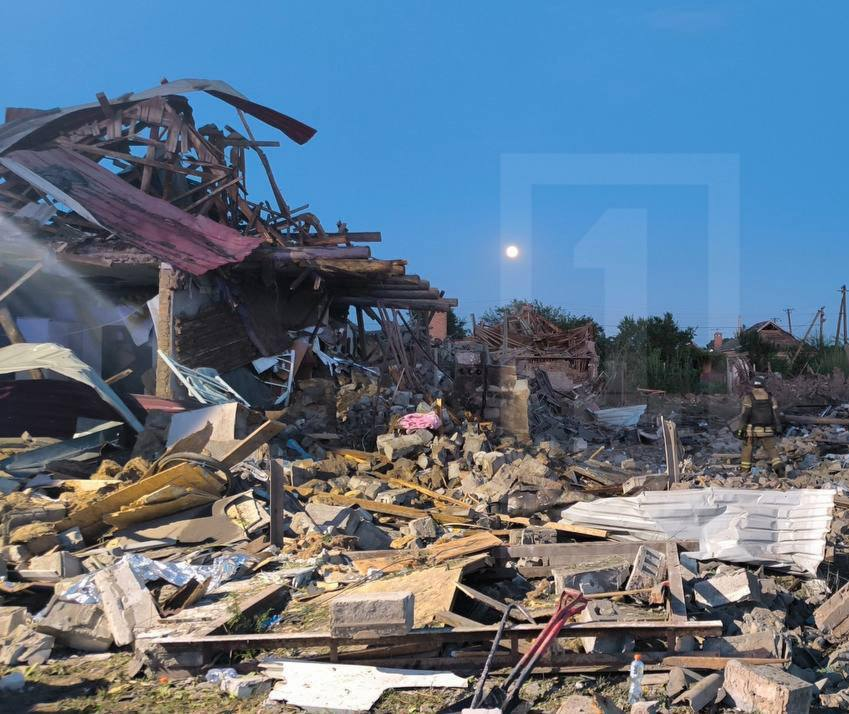
The heaviest single loss of life came in a village just outside Kryvyi Rih. Six people from one family died when an Iskander-M ballistic missile struck Radushne in Dnipropetrovsk Oblast overnight on 30 July. According to the head of the Kryvyi Rih Defense Council, Oleksandr Vilkul, a missile directly hit a private home where a large family lived, killing six people, including three children. Regional officials identified the youngest victims: the head of Dnipropetrovsk Oblast, Oleksandr Hanzha, named the children killed as a six-year-old girl and boys of 11 and 17.
The strike caused extensive destruction to the surrounding homes and left survivors — several of them elderly or young — in critical and moderate condition. An 84-year-old woman was hospitalized in serious condition, and a 49-year-old woman and boys of 6 and 15 were taken to hospital in moderate condition. Two houses were destroyed and five damaged. Rescuers pulled two children from the rubble alive.
Kyiv
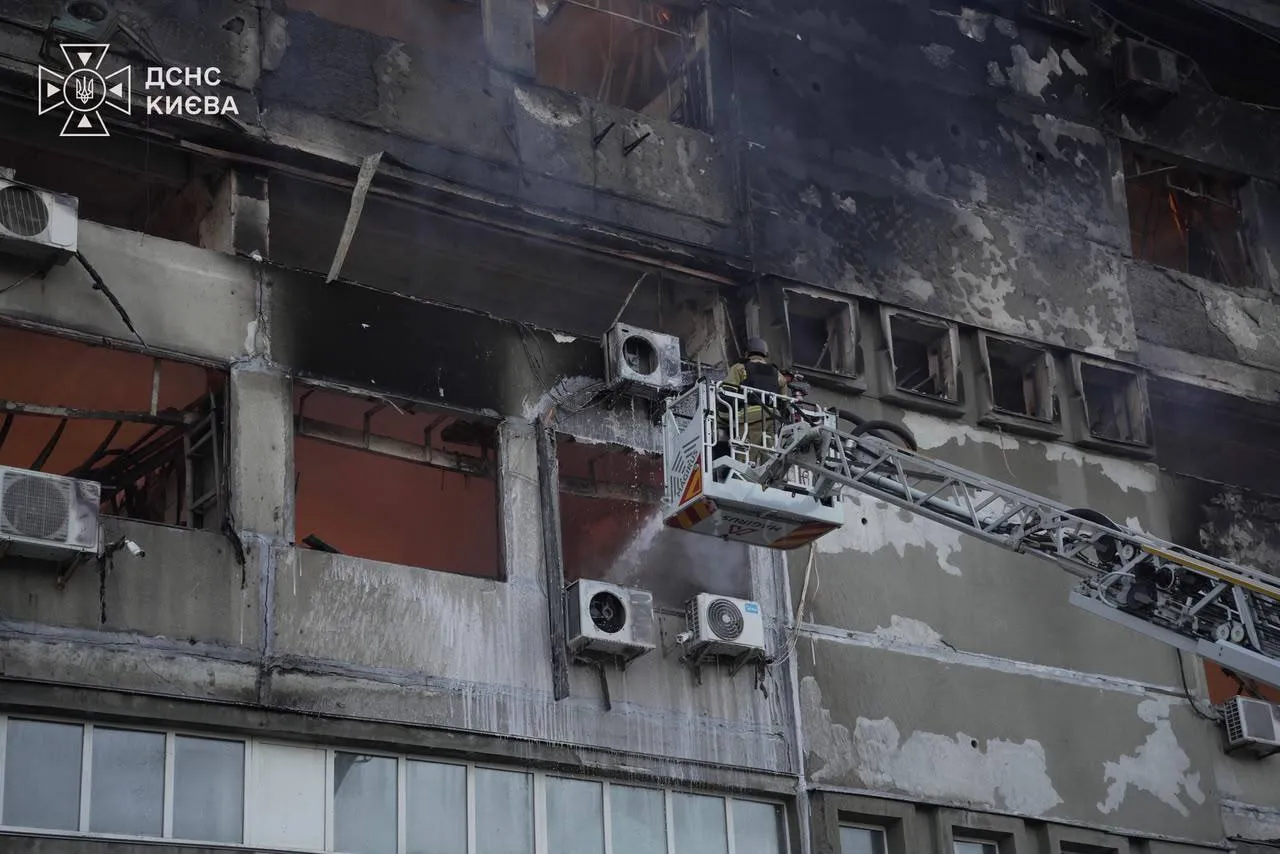
The capital was among the first cities placed under threat as the assault began. According to the Air Force, around 01:07, a threat of ballistic weapon use against Kyiv was announced, after which explosions were heard in the capital, and the Kyiv City Military Administration urged residents to immediately proceed to shelters. Mayor Vitali Klitschko reported fires triggered by falling debris across two districts. In the Sviatoshyn district, a fire broke out on the territory of a non-residential building due to falling debris, and another fire was recorded in Obolon.
The State Emergency Service of Ukraine reported one person killed and two injured, along with fires in two districts: market trade pavilions burned in the Obolonskyi district, and a fire broke out at a garage cooperative in the Sviatoshynskyi district. The surrounding Kyiv region also took damage. In the Kyiv region, the attack injured five people, including one child, and partially destroyed a two-story private home in the village of Skybyn in the Brovary district, damaging two neighboring houses.
Lviv
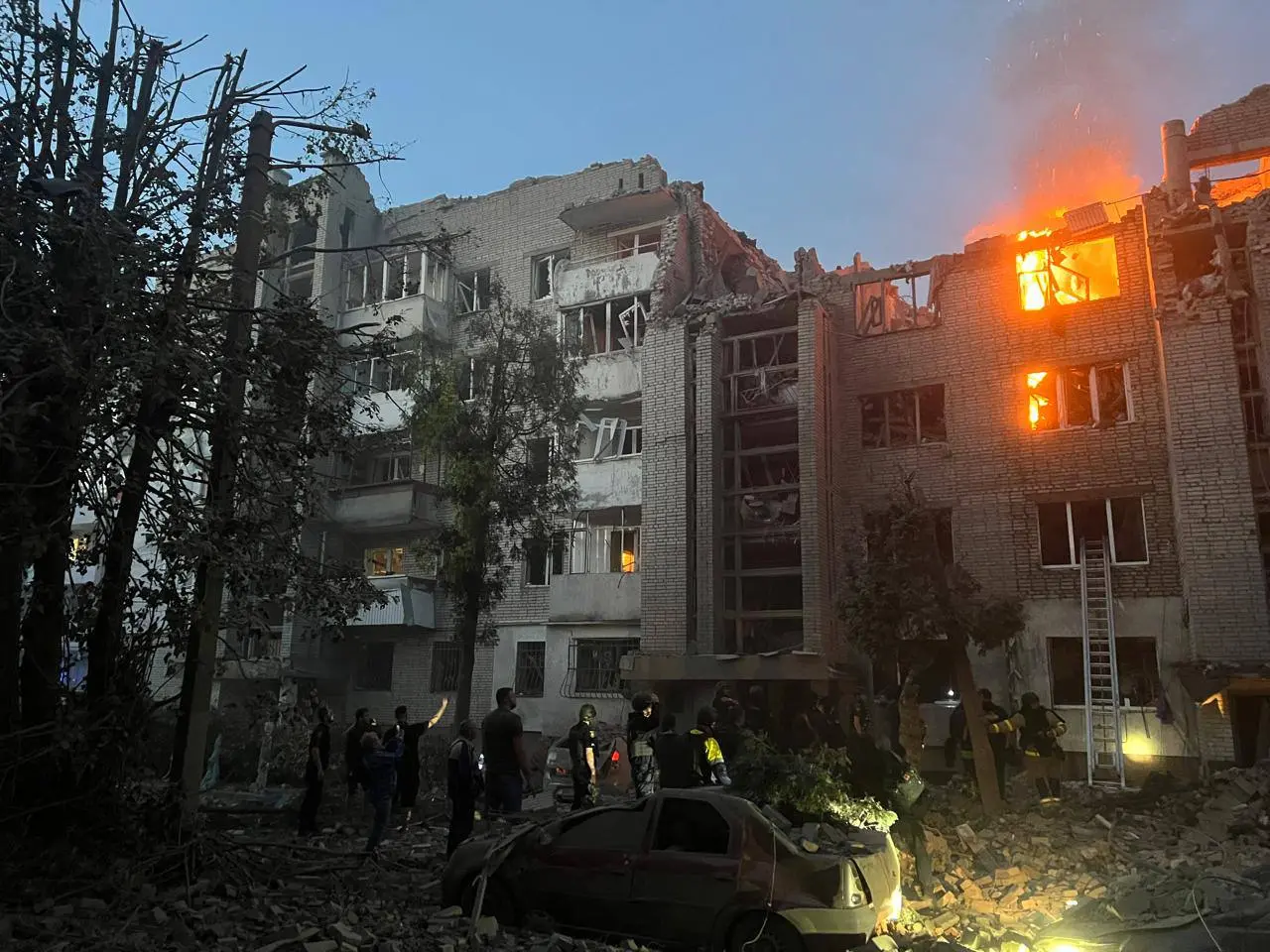
The western city of Lviv suffered some of the worst residential damage of the night — a significant development given that western Ukraine had not been targeted by mass strikes for months. The city was struck at about 4:45 a.m., with the worst damage to two residential buildings, according to Mayor Andrii Sadovyi. A cruise missile attack struck the western city of Lviv, wounding 34 people, including three children aged 6, 13 and 15. One person was discovered dead under the rubble, according to Maksym Kozytskyi, head of the Lviv regional military administration
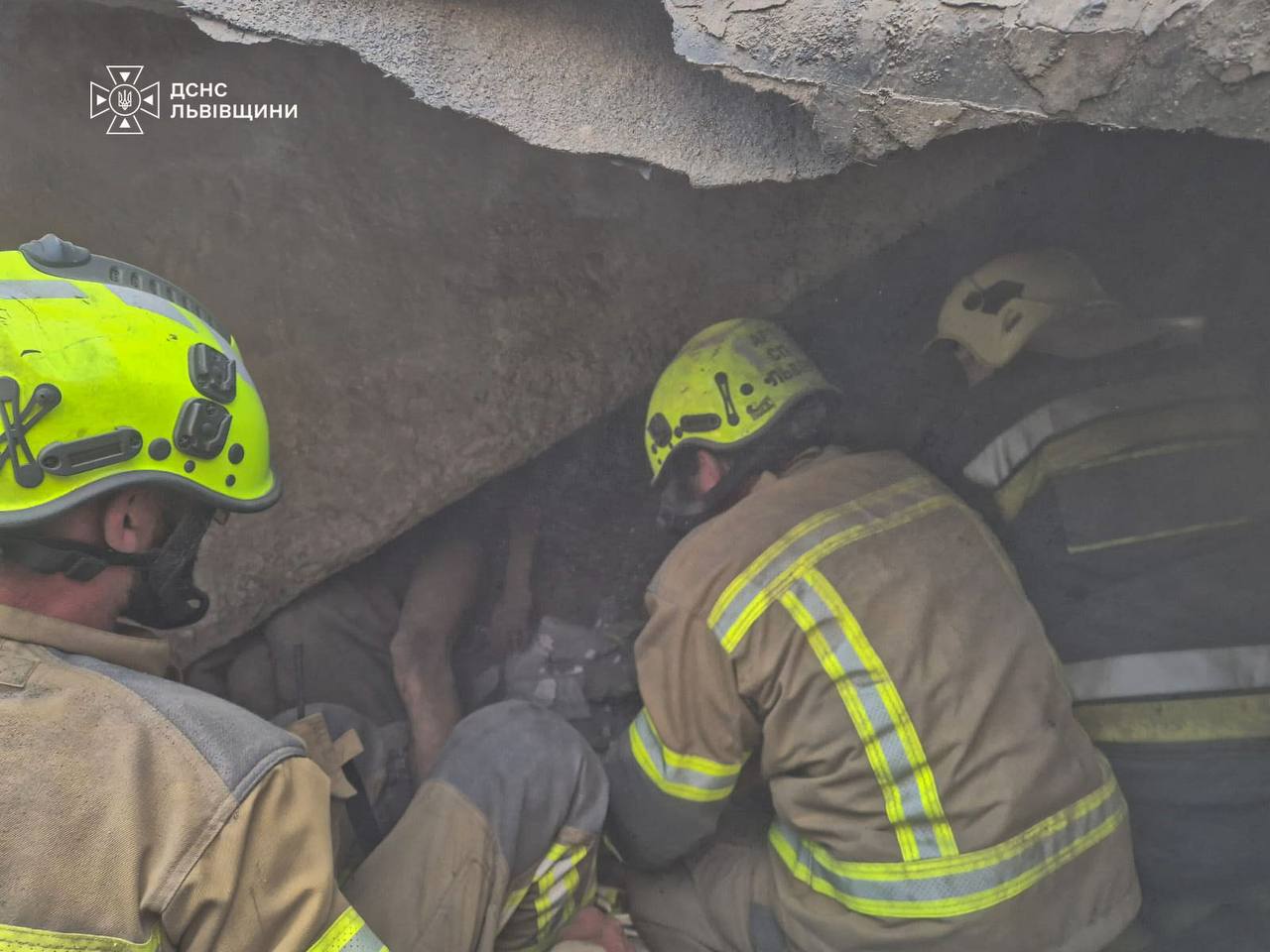
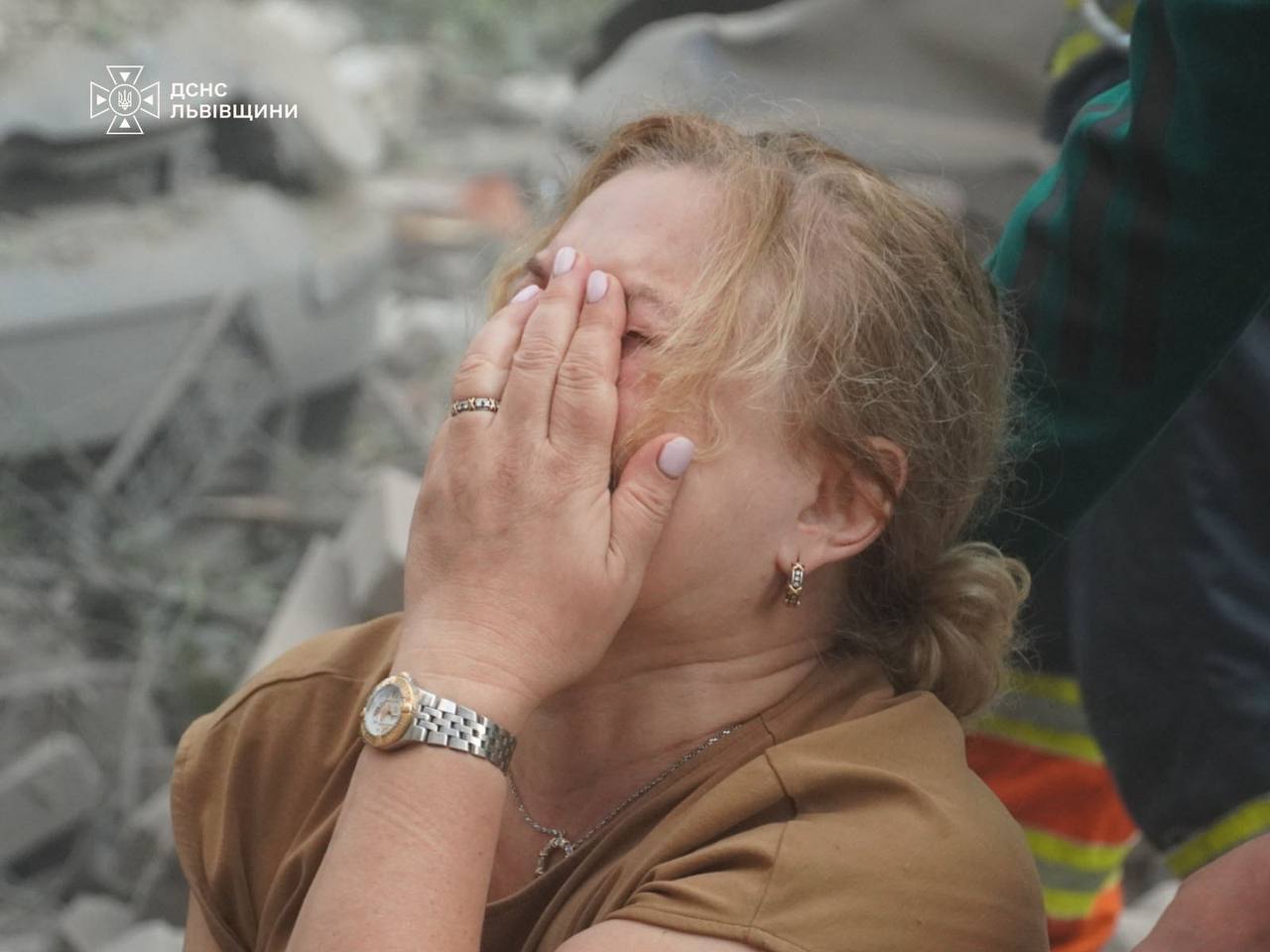
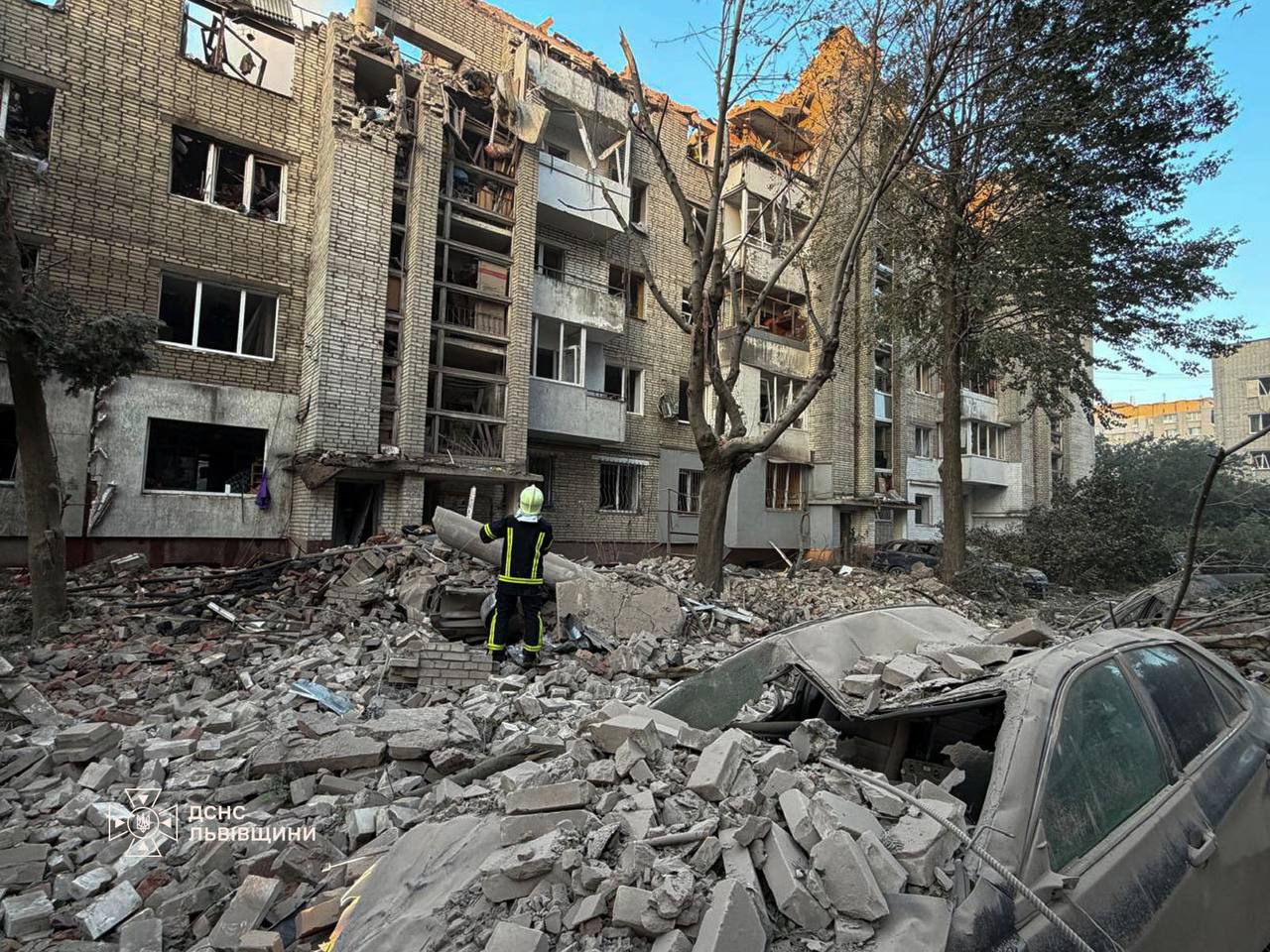
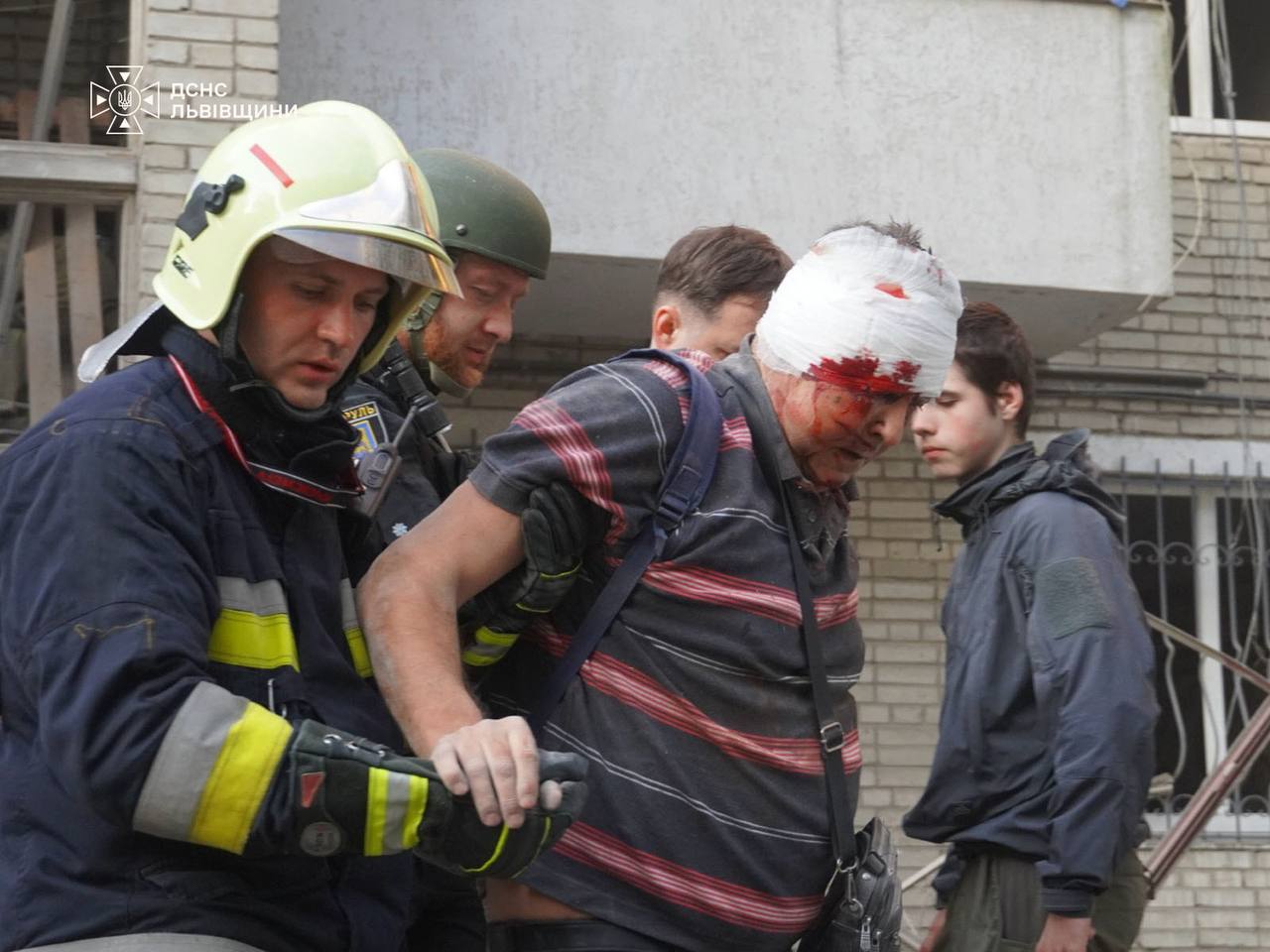
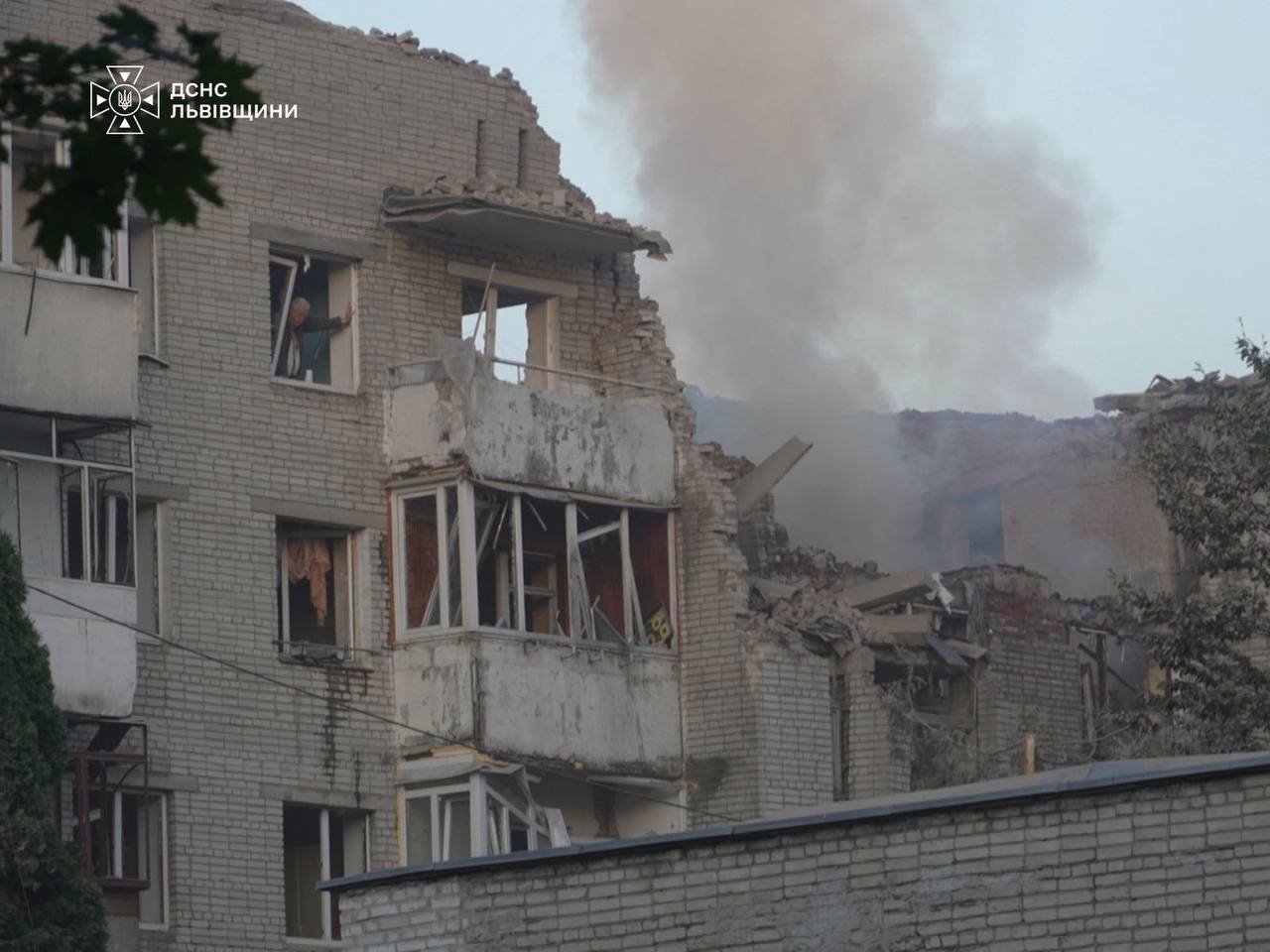
The blast damage rippled well beyond the buildings that were directly hit, affecting schools and homes across entire neighborhoods. Two residential buildings in of the densely populated areas were hit, and more than 20 apartment buildings were damaged, along with Lyceum School — where 140 windows and four doors were blown out — and two kindergartens. Rescue crews worked through the morning searching collapsed structures, with two high-rise residential buildings and non-residential structures damaged and fires breaking out at the impact sites.
Dnipro
The city of Dnipro was targeted early in the assault, with multiple missiles tracked toward it. At 01:10, the Air Force reported missiles heading toward Dnipro, and later a missile heading toward Kryvyi Rih, as well as another high-speed target from the Kharkiv region toward Dnipro. The broader Dnipropetrovsk region, which includes both Dnipro city and the Kryvyi Rih area, bore the heaviest overall toll. In the Dnipropetrovsk region, the Russian attack killed six people and wounded 10, Oleksandr Hanzha, head of the regional military administration, said, with children among the dead.
Damage extended to several other regions. Five people were wounded in the Kyiv region's Brovary district, including a minor; a jet-powered Shahed struck an industrial area in Kharkiv; and in the Zhytomyr region, two adults and three children were reported injured.
During the strike, a missile entered the airspace of Poland and fell into a field in the Lublin region in eastern Poland.
The Polish government believes a missile that fell near the village of Tarnawa-Kolonia in Poland's Lublin Voivodeship was likely Russian, according to Wirtualna Polska, citing a government source.
Officials said the object is still being examined by bomb disposal experts, but preliminary findings indicate it was a Russian missile. "Everything points to it being a Russian missile," the source told the outlet. Some open-source analysts have suggested it may have been a Kh-101 cruise missile that entered Polish airspace, although Polish authorities have not confirmed that assessment.
Separately, the Chancellery of Polish Prime Minister Donald Tusk announced that his scheduled visit to Lower Silesian Voivodeship on the morning of July 30 had been canceled. No official explanation linking the cancellation to the incident has been provided.
Over 56,000 people sheltered in Kyiv metro overnight – metro denies restricting access

More than 56,000 people sought shelter in Kyiv's metro system during Russia's latest large-scale attack overnight on July 29–30, according to the Kyiv City State Administration, citing Kyiv Metro.
The metro operator said all stations were open and functioning as shelters as soon as the air-raid alert was issued. It rejected claims circulating on social media that people had been prevented from entering certain stations, explaining that the reports likely stemmed from staff directing people away from restricted service areas and onto station platforms, where shelter is provided.
Kyiv Metro also reminded residents that anyone wishing to enter a station before an air raid begins must arrive before regular passenger service ends. During air-raid alerts, all 46 underground metro stations in Kyiv serve as public shelters, with every entrance hall remaining open.
President Zelensky visited Poland and held discussions with Tusk following a historical dispute that strained their bilateral relations

President Volodymyr Zelensky visited the Polish city of Lublin on July 29 for talks aimed at stabilizing Ukrainian-Polish relations, over tense disputes over historical memory.
During the visit, Zelensky met with Polish Prime Minister Donald Tusk to discuss bilateral ties, defense cooperation, and historical dialogue. Following the meeting, Zelensky said strengthening anti-ballistic air defense was a top priority, adding that Ukraine's security is also vital to Poland's and Europe's security. The two leaders also discussed ensuring the safety of Ukrainians who fled the war and are living in Poland.
The visit was Zelensky's first since Polish President Karol Nawrocki revoked the Ukrainian leader's honorary Order of the White Eagle on June 19 after Zelensky approved naming a serving Ukrainian military unit after the Ukrainian Insurgent Army (UPA). The UPA remains a deeply divisive historical issue, remembered in Poland primarily for the Volyn massacres during World War II, in which tens of thousands of Poles were killed, while thousands of Ukrainians later died in retaliatory attacks.
Although Poland became one of Ukraine's strongest supporters after Russia's full-scale invasion in 2022, historical grievances have increasingly complicated bilateral relations. Nawrocki has taken a tougher stance toward Ukraine than his predecessor, Andrzej Duda. Zelensky's visit also came amid growing concern over violence targeting Ukrainians in Poland. According to Rzeczpospolita, Polish police recorded 180 reports of hate crimes against Ukrainians in the first half of 2026, more than 30% higher than during the same period last year, while recent polling suggests public support for accepting Ukrainian refugees has declined.