


Meeting with Trump was good - Zelensky
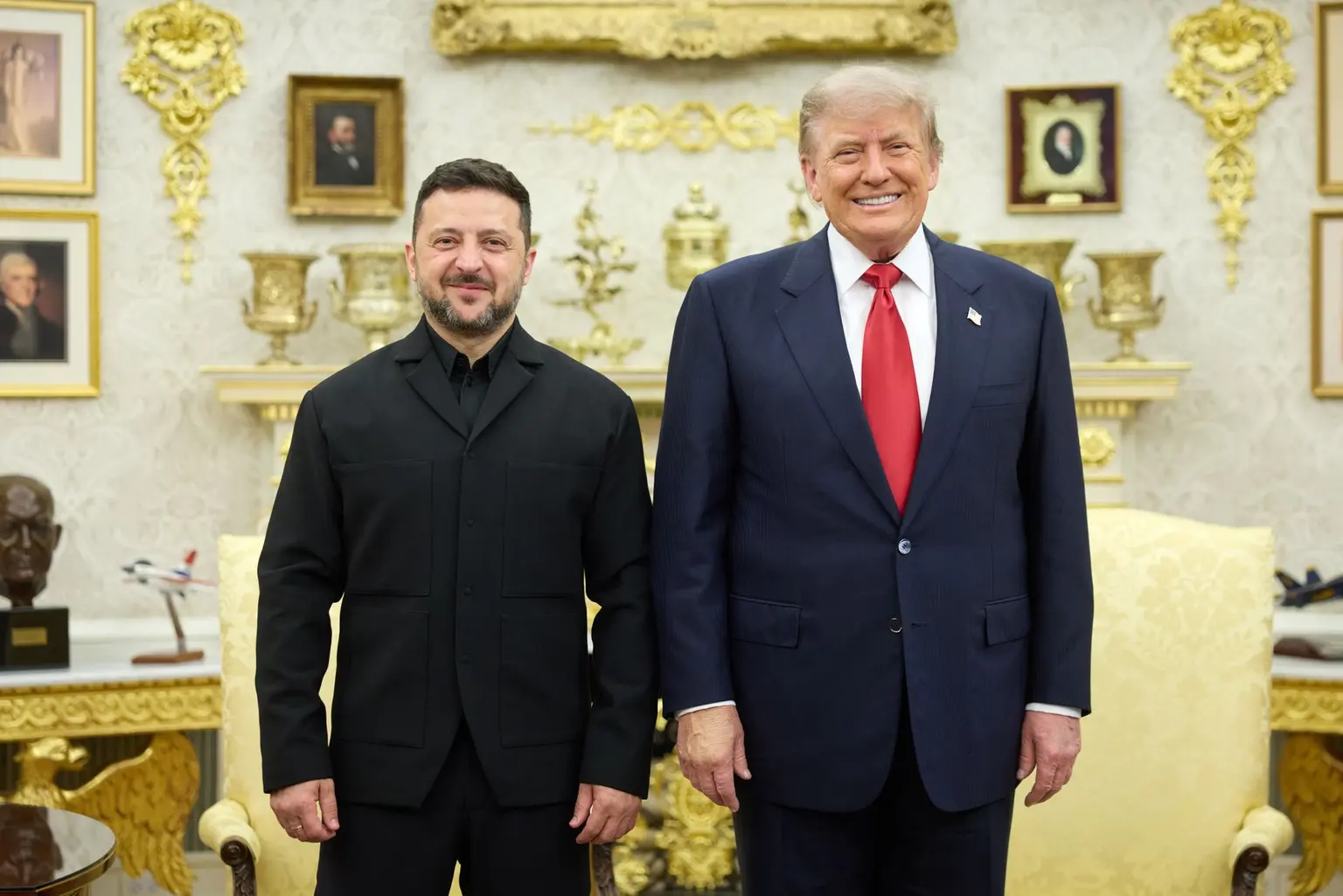
President Volodymyr Zelensky met U.S. President Donald Trump at the White House on July 28 to discuss renewed efforts to end Russia's war against Ukraine, with talks focusing on air defense, diplomacy, and a possible partial air ceasefire.
Following the hour-long closed-door meeting, Zelensky described the talks as productive, saying the two leaders discussed licenses for joint production of Patriot interceptor missiles and "several other ideas" to strengthen Ukraine's defenses. He also said they agreed on the need to reinvigorate diplomatic efforts and that their teams would coordinate the next steps.
According to people familiar with the discussions, Zelensky sought additional Patriot interceptors and discussed a proposal for an air ceasefire that could later be presented to Russia. The meeting came as both Ukraine and Russia have intensified long-range strikes, with Kyiv targeting Russian military infrastructure and Moscow escalating missile and drone attacks on Ukrainian cities. Ukraine continues to face a critical shortage of Patriot interceptors, the only system currently capable of reliably intercepting Russian ballistic missiles.
The meeting also reflected what Ukrainian officials see as a more favorable stance by Trump toward Ukraine. It followed their July 8 talks, when Trump approved Ukraine's request to produce U.S.-designed Patriot missiles under license. U.S. officials believe both Kyiv and Moscow may now have incentives to consider an air ceasefire, with Ukraine seeking to preserve its limited air defense resources and Russia facing increasing pressure from Ukrainian long-range strikes.
Ahead of the latest diplomatic push, Zelensky held a phone call with senior Trump envoys Steve Witkoff and Jared Kushner, who informed him that the White House is preparing a revised negotiating framework. According to officials familiar with the planning, Washington intends to coordinate closely with Kyiv before presenting any proposal to Moscow. Witkoff and Kushner are not expected to visit Ukraine but plan to travel to Russia after consultations with the Ukrainian side.
Later on July 28, Zelensky and Trump were also expected to attend the funeral of Senator Lindsey Graham. Earlier in the day, U.S. senators announced a bipartisan agreement on legislation aimed at imposing sanctions on major buyers of Russian oil and gas, with a procedural vote scheduled for the evening. A White House official said Trump remains committed to ending the war and is optimistic that a peace agreement can ultimately be reached.
US senators reached agreement on new sanctions against Russia and Iran
A bipartisan group of U.S. senators has reached agreement on legislation that would give President Donald Trump new authority to impose sanctions on major buyers of Russian energy and on Iran, according to Bloomberg.
The bill, originally spearheaded by the late Senator Lindsey Graham, has Trump's backing. A procedural vote is scheduled for the evening of July 28.
The legislation would expand sanctions on Iran and authorize the president to impose tariffs on the five largest purchasers of Russian crude oil and natural gas, as well as on the five countries most actively helping Russia evade energy sanctions. The measure is intended to increase economic pressure on Moscow by targeting revenue from its energy exports.
While the bill has long been supported by Graham and other lawmakers backing Ukraine, it could complicate already fragile U.S. trade relations with countries such as China and India, which remain among the largest buyers of Russian oil and gas.
Farmers warn of risks from prolonged blockade of Ukrainian seaports
Ukraine could face a severe agricultural crisis if its Black Sea seaports remain blocked, with grain and oilseed prices already falling below production costs, the Ukrainian Agri Council (UAC) has warned.
The UAC estimates that Ukraine will produce about 81.4 million metric tons of grain and oilseeds in the 2026/2027 marketing year. Including carryover stocks, total available supply will reach roughly 85 million metric tons, of which about 67 million metric tons must be exported. If seaports remain closed, however, export capacity could fall to just 1.7 million metric tons per month, leaving a domestic surplus of 27.4 million to 32.4 million metric tons.
The oversupply has already pushed purchase prices sharply lower, with some falling to 7,000 UAH (about $155) per metric ton—below the full cost of production—as traders suspend purchases. The UAC warned that continued disruptions to maritime exports, damaged port infrastructure, export restrictions, and rising production costs could trigger widespread farm losses, bankruptcies, and broader economic damage.
The council has urged Prime Minister Serhii Koretskyi to introduce emergency support measures, including low-interest loans to finance the autumn sowing campaign, restructuring of existing agricultural debt, state-backed loan guarantees, and changes to the government's 5-7-9% lending program to help farmers weather the crisis.