


Russia has started a new wave of terror: supermarkets, shopping centers and places where people go every day are now under attack
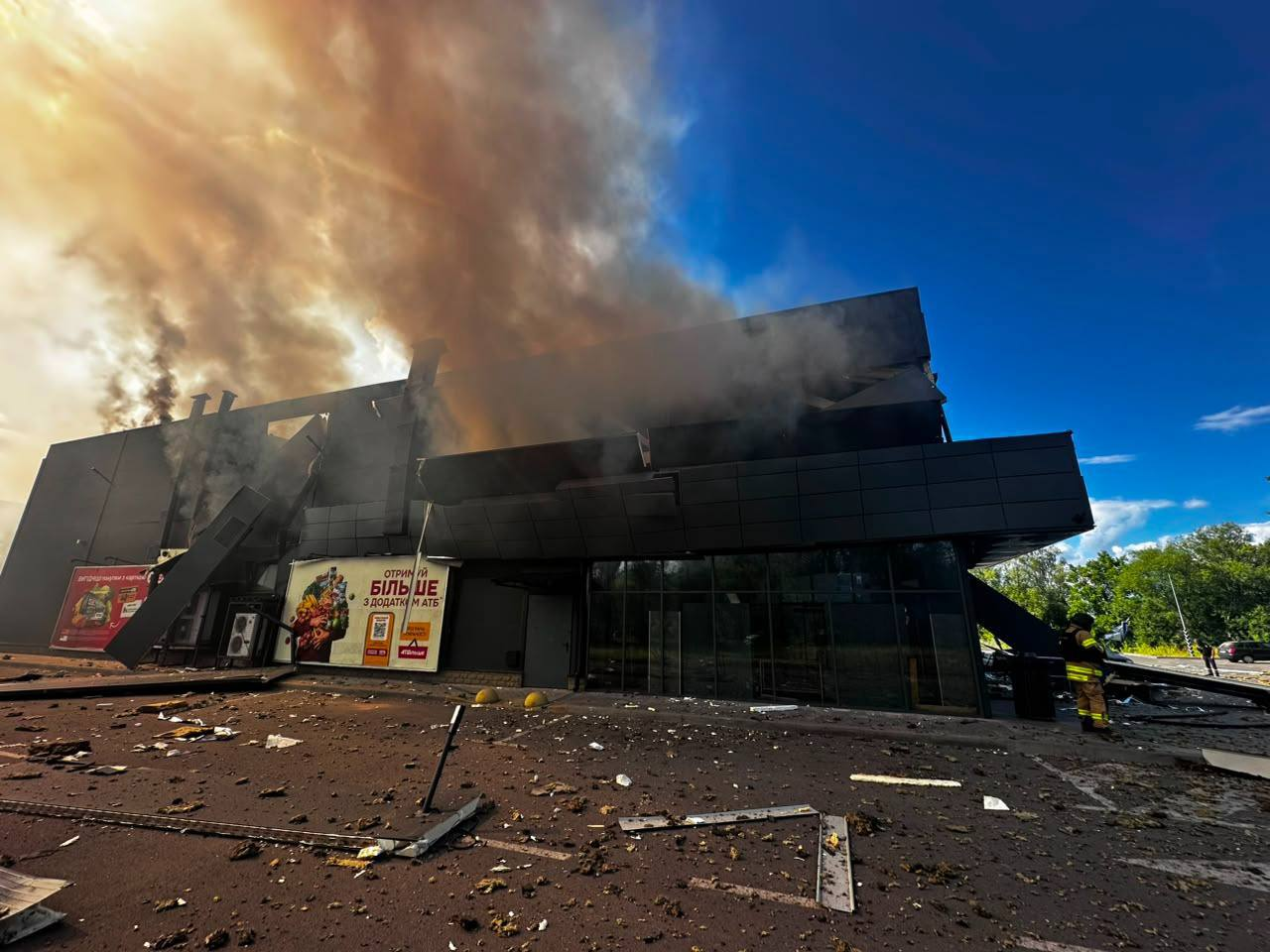
Russia has launched a new wave of terror against Ukrainian civilians. In recent days, Russian forces have repeatedly struck shopping centers, supermarkets, and other everyday places where ordinary people go to buy groceries, building materials, medicine, and household items.
Today in Chernihiv, a Russian drone crashed into an ATB supermarket, killing at least two people — including a 10-year-old child — and injuring seven others. In Kryvyi Rih, Russian forces attacked the large Epicenter hypermarket, causing a massive fire that engulfed over 16,000 square meters. This store had operated for nearly 19 years and provided jobs for around 400 people. Earlier, Russia also destroyed another Epicenter in Sumy, which was almost completely burned down. In Zaporizhzhia, a Russian drone hit another retail facility, setting shops and pavilions on fire.
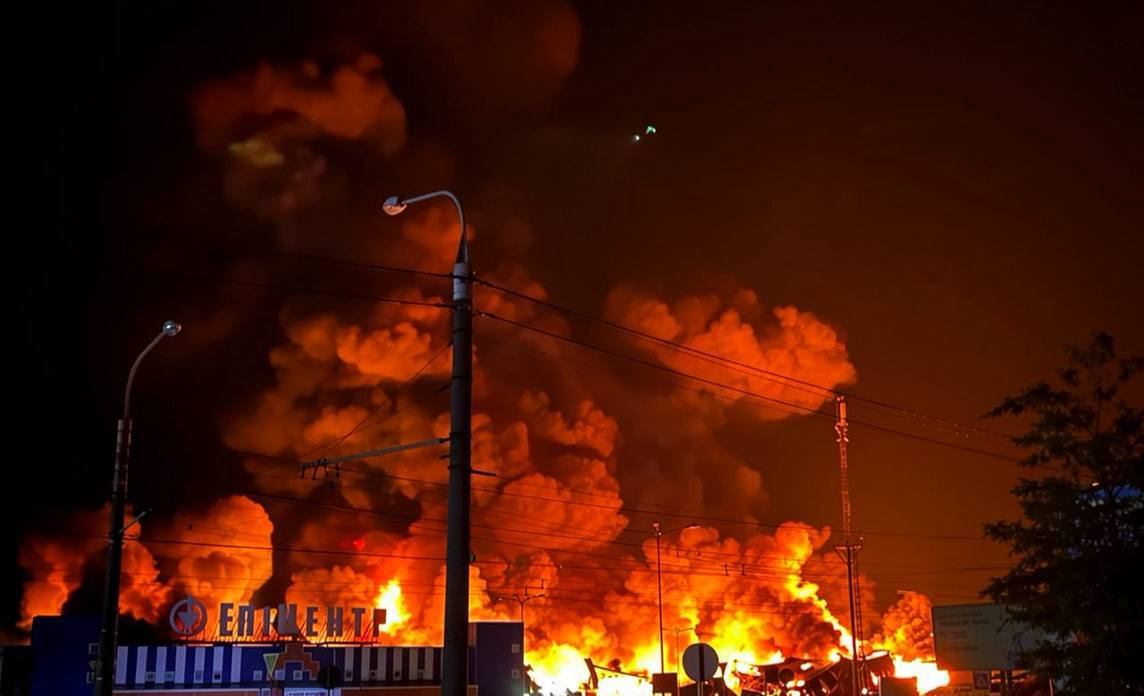
These attacks deliberately target crowded civilian locations — supermarkets, shopping malls, and markets — where hundreds of ordinary people can be present at any moment. Just like their strikes on residential buildings, Russia is now hitting places where Ukrainians least expect death during their daily routines.
Ukraine struck an Iranian vessel used for military cargo transport in the Caspian Sea
Ukrainian forces struck an Iranian vessel transporting military cargo between Iran and Russia in the Caspian Sea, Ukraine's Security Service of Ukraine (SBU) said on July 25.
President Volodymyr Zelensky said Ukrainian forces achieved "very good results" in long-range strikes in the Caspian Sea, reporting attacks on multiple vessels, including a ship carrying military cargo in cooperation with Iran. The SBU said the vessel had been operating while evading international sanctions and was transporting military supplies between the two countries.
Iran's Foreign Ministry claimed the strike hit a commercial vessel, killing one sailor and injuring another. Those claims could not be independently verified, and the extent of the damage remains unclear. Tehran condemned the attack as "an act of aggression" and summoned Ukraine's chargé d'affaires in protest, warning that Kyiv would bear responsibility for the consequences.
Iran has become one of Russia's key military partners during the war in Ukraine, supplying drones and other equipment used in Russian attacks on Ukrainian cities.
In his evening address, Zelensky did not directly discuss the strike but accused Moscow of providing Tehran with satellite imagery of U.S. and Gulf military facilities during the U.S.-Iran conflict. According to the president, Ukraine has recorded increased Russian satellite surveillance of military sites in Bahrain, Jordan, and Kuwait since early July, and the imagery later appeared in Iran. Zelensky said the intelligence indicates close coordination between Moscow and Tehran as he prepares for a reported meeting with U.S. President Donald Trump in Washington next week.
Russia is preparing to receive additional North Korean troops
In his evening address to Ukrainians on July 25, President Volodymyr Zelensky said that Russia is preparing to receive an additional 30,000 North Korean troops to support its war against Ukraine, signaling a further expansion of military cooperation between Moscow and Pyongyang.
In his nightly address, Zelensky said preparations have been underway since June in Russia's Voronezh region to receive the additional personnel. He also said North Korea is preparing to transfer more ballistic missile launchers to Russia, warning that the growing partnership poses a threat not only to Ukraine but to countries across Asia within range of North Korean missiles.
According to Zelensky, Russia is helping North Korea gain combat experience, improve its weapons, and refine its military capabilities through the war in Ukraine. North Korea has become one of Moscow's key military partners since the full-scale invasion began in 2022, supplying ammunition, weapons, and troops. Ukrainian officials previously said about 12,000 North Korean soldiers took part in Russia's 2024 counteroffensive in Kursk Oblast aimed at pushing Ukrainian forces out of the region.