


Who is Mykhailo Drapatyi? The new commander-in-cheif
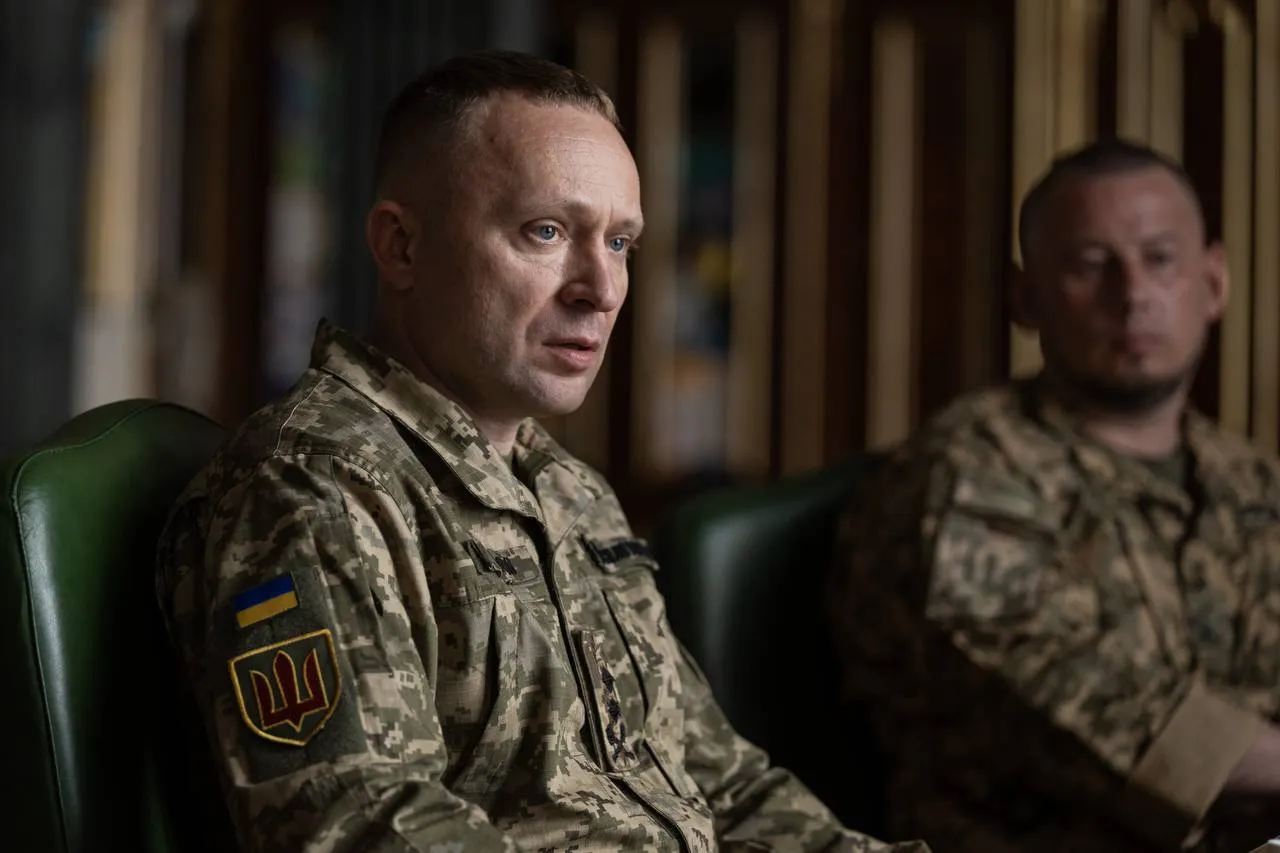
Thousands of Ukrainians were out in recent days for protests, many of them were loudly calling for one name — Mykhailo Drapatyi. After President Zelensky dismissed popular Defense Minister Mykhailo Fedorov, the protests quickly turned into demands to also replace Commander-in-Chief Oleksandr Syrskyi. On July 21, Zelensky did exactly that and appointed Major General Mykhailo Drapatyi as the new head of Ukraine’s Armed Forces. Drapatyi, 43, is a battle-hardened and respected commander who many soldiers and veterans see as a fresh hope for change in the army.
Drapatyi has a strong reputation as a modern-thinking leader who listens to his subordinates and emphasizes personal responsibility. He began his career as a tank lieutenant and rose through the ranks during tough fighting. In 2014, he became famous for commanding a BMP armored vehicle that dramatically broke through enemy barricades in Mariupol. Later, he played key roles in stopping Russian advances near Kryvyi Rih, liberating Kherson, and organizing the defense of Kharkiv region. Many officers praise him for trying to fix old problems in the military system, such as fear, lack of initiative, and poor communication between commanders and troops.
Drapatyi is also known for taking real responsibility when things go wrong. In 2025, after a Russian missile strike killed Ukrainian soldiers at a training ground, he resigned from his position as Ground Forces commander, saying he could not ignore such tragedies. He has openly supported reforms and backed Fedorov’s efforts to modernize the army. In his first statements after the appointment, he promised to focus on offensive operations, new technologies, and strengthening Ukraine’s forces.
For many Ukrainians tired of old Soviet-style command methods, Drapatyi represents a new generation of military leadership. While he thanked his predecessor Syrskyi for his service, the change clearly reflects growing pressure from soldiers and society for more effective and humane leadership during this difficult stage of the war.
Zelenskyy has offered Fedorov several positions, the latest being deputy prime minister for military innovation
President Volodymyr Zelensky has confirmed that he offered former Defense Minister Mykhailo Fedorov the newly proposed position of Deputy Prime Minister for Military Innovation.
Speaking at a joint press conference with Irish Taoiseach Micheál Martin, Zelensky said Fedorov remains part of his team and that the new role would be responsible for coordinating military innovation across Ukraine's defense institutions.
"Mykhailo is on the team. I have offered him several positions, without going into the details of all our meetings: the latest position was deputy prime minister for military innovation, and this is very important, because any innovations must be coordinated with the leadership of the Ministry of Defence, with military command, with the commander-in-chief of our army and with the president. All of this can be done, and must be done every day."
Zelensky's remarks follow earlier reporting by Ukrainska Pravda that Fedorov had been offered several alternative government posts, including deputy prime minister for technological development, after being dismissed as defense minister.
According to the report, Fedorov rejected those proposals because he did not understand the reasons for his dismissal and believes that implementing his strategy to strengthen Ukraine's defense against Russia requires the authority and responsibilities that come only with leading the Ministry of Defense.
Anchorage agreements they failed and are unacceptable to Ukraine, Rubio
U.S. Secretary of State Marco Rubio said that the peace framework proposed by Russia during last year's Anchorage talks failed because it was unacceptable to Ukraine.
Speaking to reporters in Manila after meeting Russian Foreign Minister Sergei Lavrov, Rubio was asked whether the proposals put forward by Moscow in Anchorage remained relevant.
Rubio said the Russian proposal—described by Moscow as the "3+2" formula and reportedly involving territorial concessions—had failed because a peace agreement requires the consent of both sides.
"The Ukrainians did not agree to those proposals, which is why that effort did not succeed."
He added that any future negotiations would require new approaches, saying the previous proposal was clearly unacceptable to Ukraine at the time and is likely even less acceptable now.
According to Rubio, achieving peace will require new ideas and concepts, and the United States is prepared to present its own proposals when the appropriate circumstances and negotiating format emerge.