


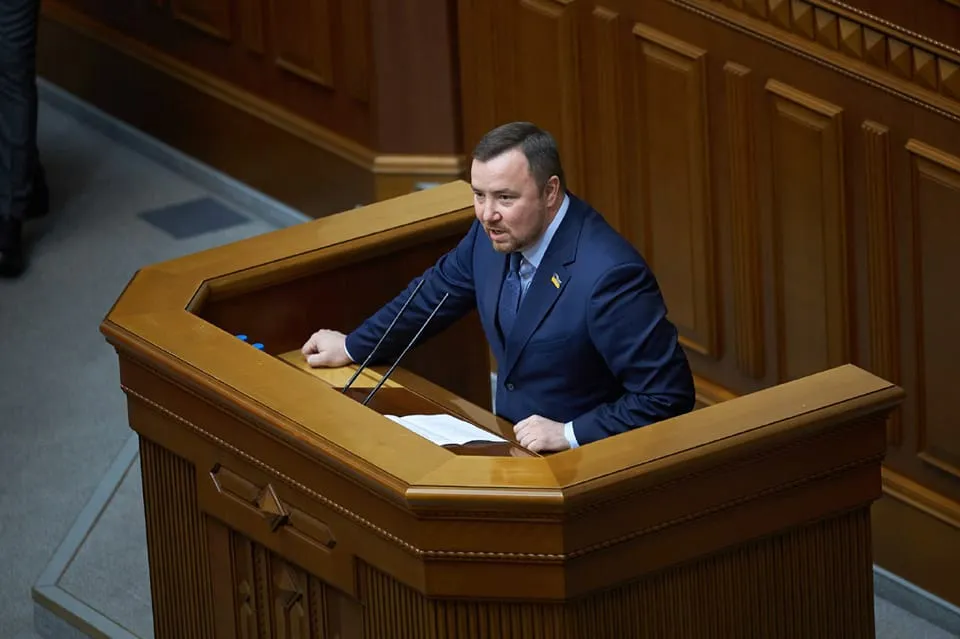
Denys Maslov, the head of Ukraine’s parliamentary committee on justice, is likely to become the next Minister of Justice. In a recent interview, he tried to defend the current judicial reform, even though many people in Ukraine and from the European Union are not happy with it. He says the reform is moving forward and that they are trying to find balance between making judges more responsible and keeping their independence. But civil society organizations, especially the Dejure Foundation, strongly criticize the new law on judges’ integrity declarations that was passed in June.
The biggest problem right now is the Supreme Court. It has had many corruption scandals, including the former chief who was recently sentenced for taking bribes. The EU wants real checks of Supreme Court judges with help from international experts, but the new law only promises to prepare something in the next six months. Maslov explained that they had to pass the law quickly because of EU funding deadlines, and that international partners still don’t fully agree on how to do the checks. Many experts worry that Ukrainian authorities are trying to avoid strong international control.
The new integrity declarations are much weaker than before. They removed most concrete questions about judges’ lifestyle, possible conflicts of interest, and connections to Russia. Now the questions are very general, which gives judges room to avoid real responsibility. Critics say this law actually makes it harder to punish bad judges. Maslov disagrees and claims that the most important thing is not the number of questions, but the substance, and that too much control can hurt judicial independence.
For many Ukrainians and our Western partners, this situation looks like the government is protecting judges instead of cleaning the system. Maslov insists Ukrainian experts are good enough and that we should trust our own professionals more. But many people fear that without real international participation, the judicial reform will remain only on paper, and corrupt judges will continue working without serious consequences.
Ukraine will become the first recipient of SAMP/T NG anti-ballistic systems
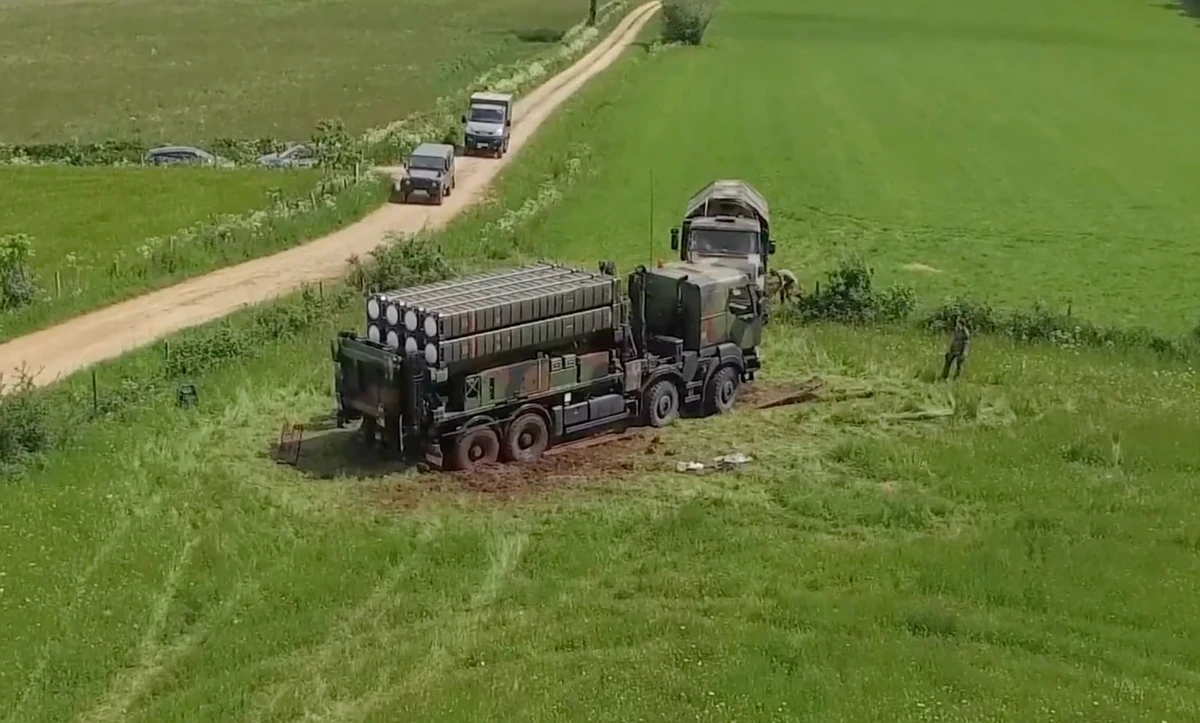
Ukraine will become the first country to receive the new Franco-Italian SAMP/T NG air defense system designed to intercept ballistic missiles, President Volodymyr Zelenskyy announced after talks with French President Emmanuel Macron.
"Ukraine will be the first to receive the new enhanced Franco-Italian SAMP/T NG systems. These are highly effective anti-ballistic systems," Zelensky said. He added that France will also deliver two current-generation SAMP/T batteries later this year, while France and Italy will accelerate deliveries of Aster 30 interceptor missiles by October.
Zelenskyy also confirmed that Ukraine will receive licenses to produce SCALP (Storm Shadow) cruise missiles, AASM guided bombs, and Aster 30 missiles jointly with Italy. France will also cooperate with Ukraine under the European FREYJA anti-ballistic missile program.
The two countries also agreed on the purchase of the first 16 Rafale fighter jets with their weapons package. "Training for our pilots and maintenance crews in France is set to begin already this year. After that, the first four Rafale aircraft will be delivered to the Armed Forces of Ukraine," Zelenskyy said.
The SAMP/T NG completed its first qualification tests in late 2025. The system features the Thales Ground Fire AESA radar, capable of detecting targets at ranges of up to 400 kilometers with 360-degree coverage and advanced resistance to electronic jamming.
In June, the number of civilians killed by Russia reached the highest level since the war began
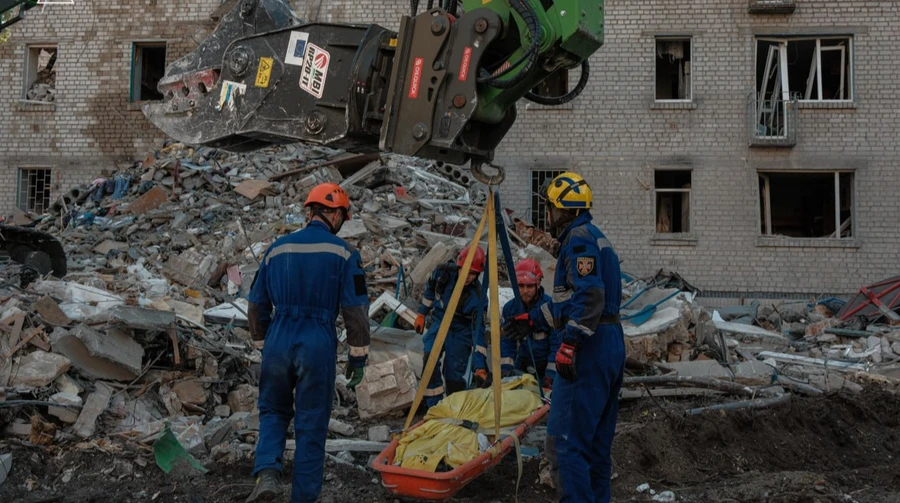
At least 293 civilians were killed and 1,990 injured in Russian attacks in June, making it the deadliest month for civilians in Ukraine since April 2022, according to a report released by the UN Human Rights Monitoring Mission in Ukraine (HRMMU).
"After May recorded the highest number of civilian casualties in over four years, June surpassed it, with at least 293 civilians killed and 1,990 injured, becoming the month with the highest number of civilians killed and injured since April 2022," the mission said.
HRMMU head Danielle Bell warned that civilian casualties have risen sharply in the first half of 2026 as Russia intensifies its attacks and uses more destructive weapons.
"This trend should serve as a warning that the risks facing civilians are not only persisting but growing in both scale and complexity," Bell said.
According to the report, 1,396 civilians were killed and 7,978 injured between January and June, a 37% increase compared with the same period in 2025 and 114% higher than in the first half of 2024. The UN said the rise was driven largely by Russia's long-range missile and drone attacks on cities far from the front line, with casualties from such weapons increasing by 60% year-on-year.