


it
Russian aerial mass attack on Ukraine killed 5 and injured 19
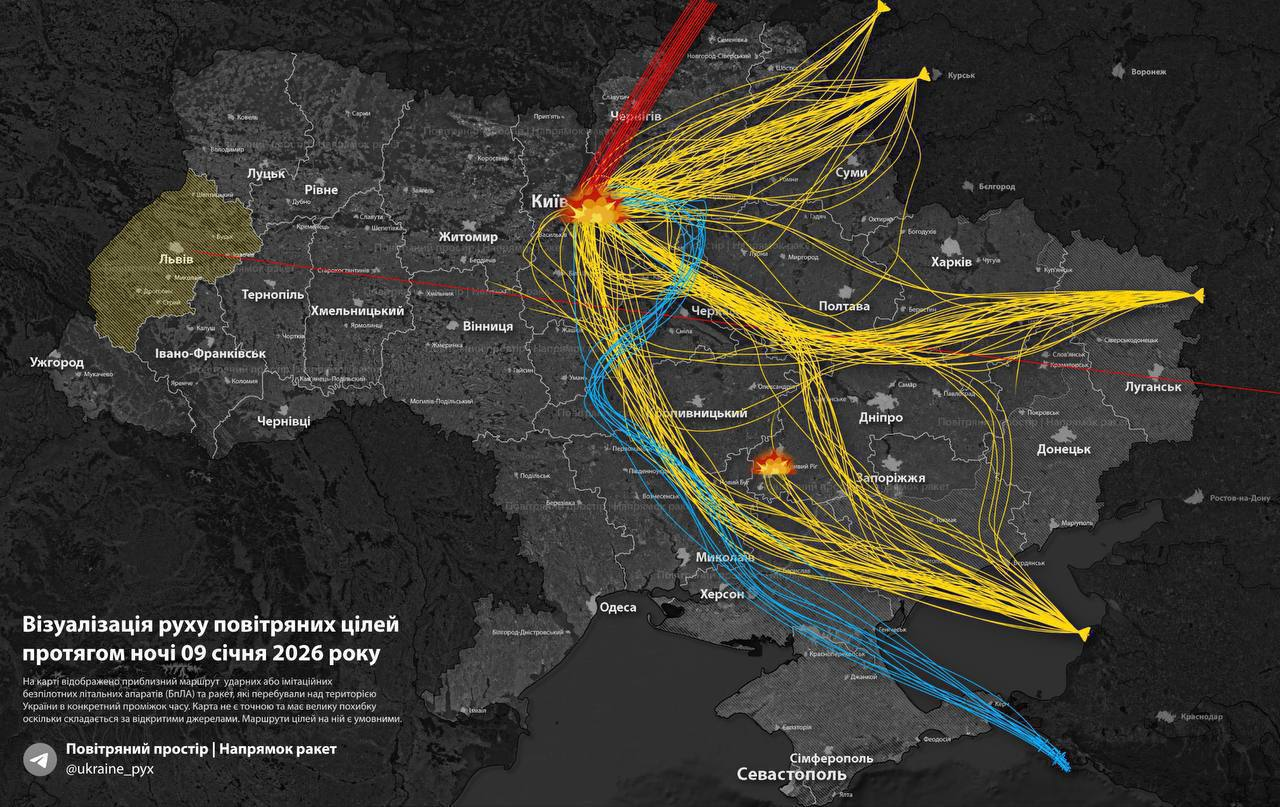
At least five people were killed and 19 others injured in Kyiv after Russia launched a mass missile and drone attack across Ukraine overnight on January 8–9, targeting energy facilities and civilian infrastructure as freezing temperatures set in.
Among the dead was a paramedic killed in what authorities described as a double-tap strike — an initial attack followed by a second strike targeting emergency responders. Fourteen of the 19 wounded were hospitalized, Kyiv Mayor Vitali Klitschko said, adding that four medical workers were among the injured.
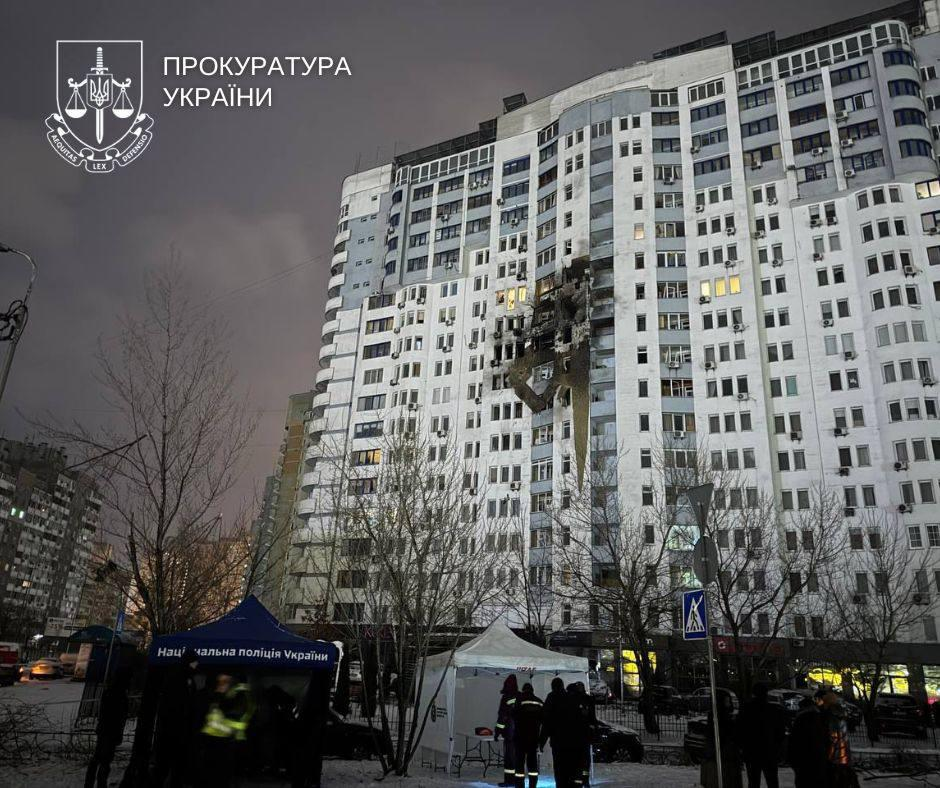
Russian strikes caused extensive damage to Kyiv’s critical infrastructure, leaving large parts of the capital without electricity, water, and heating amid a worsening cold snap. Energy provider DTEK reported that 417,000 households were disconnected from the power grid.
Klitschko later said nearly half of Kyiv’s apartment buildings — almost 6,000 — were without heat due to damage to energy infrastructure. Water supply disruptions were also reported.
Half of the apartment buildings in Kyiv were left without heat due to the Russian attack. Kyivans who have the opportunity to temporarily leave the city, where there are alternative sources of power and heat - do it - Klitschko said.
“We are doing everything possible to restore services as quickly as we can,” Klitschko said. “But the combined attack on Kyiv last night was the most painful for the capital’s critical infrastructure facilities.”
President Volodymyr Zelensky said the overnight assault deliberately targeted energy sites and civilian infrastructure “as a significant cold snap set in,” while emergency crews worked to restore electricity and heating. In a Telegram post on January 9, he said Russia launched 242 drones and fired both ballistic and cruise missiles. Zelensky also reported that a Russian drone damaged the building of Qatar’s embassy in Kyiv.
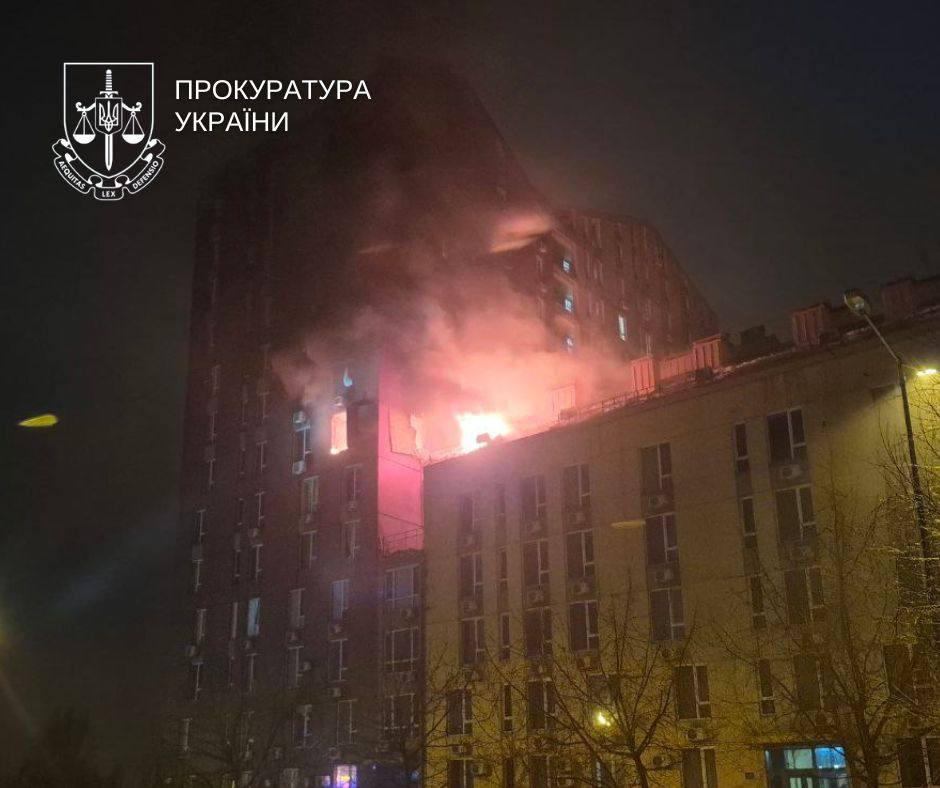
Several Kyiv neighborhoods came under attack, with the heaviest damage reported on the city’s left bank, particularly in the Darnytskyi, Dniprovskyi, and Desnianskyi districts. Damage was also reported in the central Pechersk and Shevchenkivskyi districts.
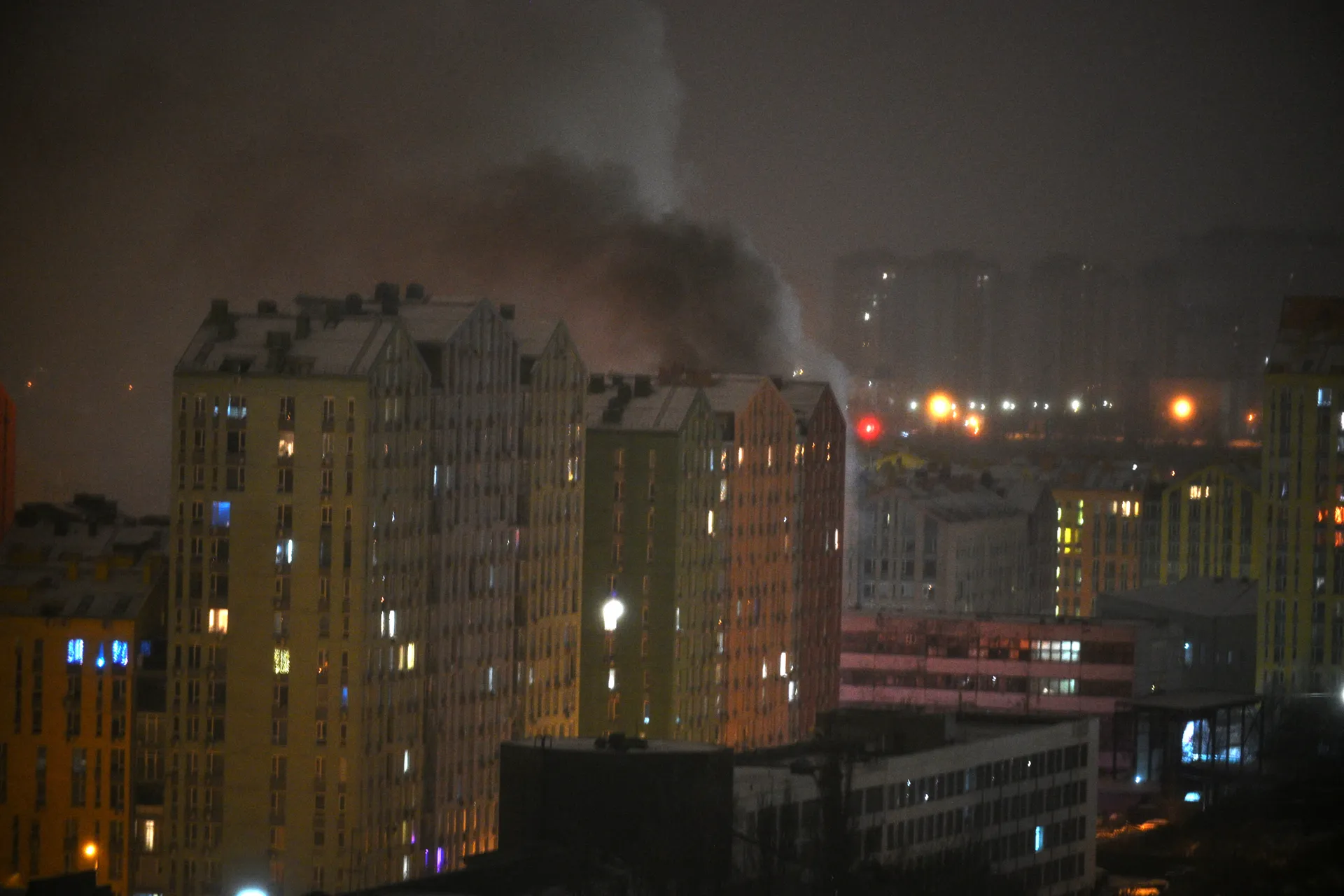
In the Darnytskyi district, a drone crashed into the courtyard of a residential building, damaging a nearby one-story shop and shattering windows in a nine-story apartment block. Fires broke out in two residential buildings in the Dniprovskyi district, Klitschko said.
Shockwaves damaged the roof of another residential building, while drone debris fell onto a children’s playground. In the Pechersk district, falling drone debris partially destroyed the facade of a nine-story residential building and damaged a nearby non-residential high-rise.

In the Desnianskyi district, authorities reported damage to the grounds of a shopping center and a sanatorium. A fire was also reported in the Shevchenkivskyi district.
In the Kyiv suburb of Brovary, emergency workers rescued a mother, father, grandmother, and a five-year-old child from beneath rubble, the Interior Ministry said.

The strikes also disrupted public transport. Power outages caused delays on Kyiv’s metro system.
Oreshnik IRBM missile was used in a strike on Lviv - Russia
Russia claimed that it fired its newly developed Oreshnik intermediate-range ballistic missile at the western Ukrainian city of Lviv during the overnight attack on January 9. The Russian Defense Ministry described the strike as “retaliation” for an alleged Ukrainian drone attack on one of President Vladimir Putin’s residences — a claim Kyiv has denied.
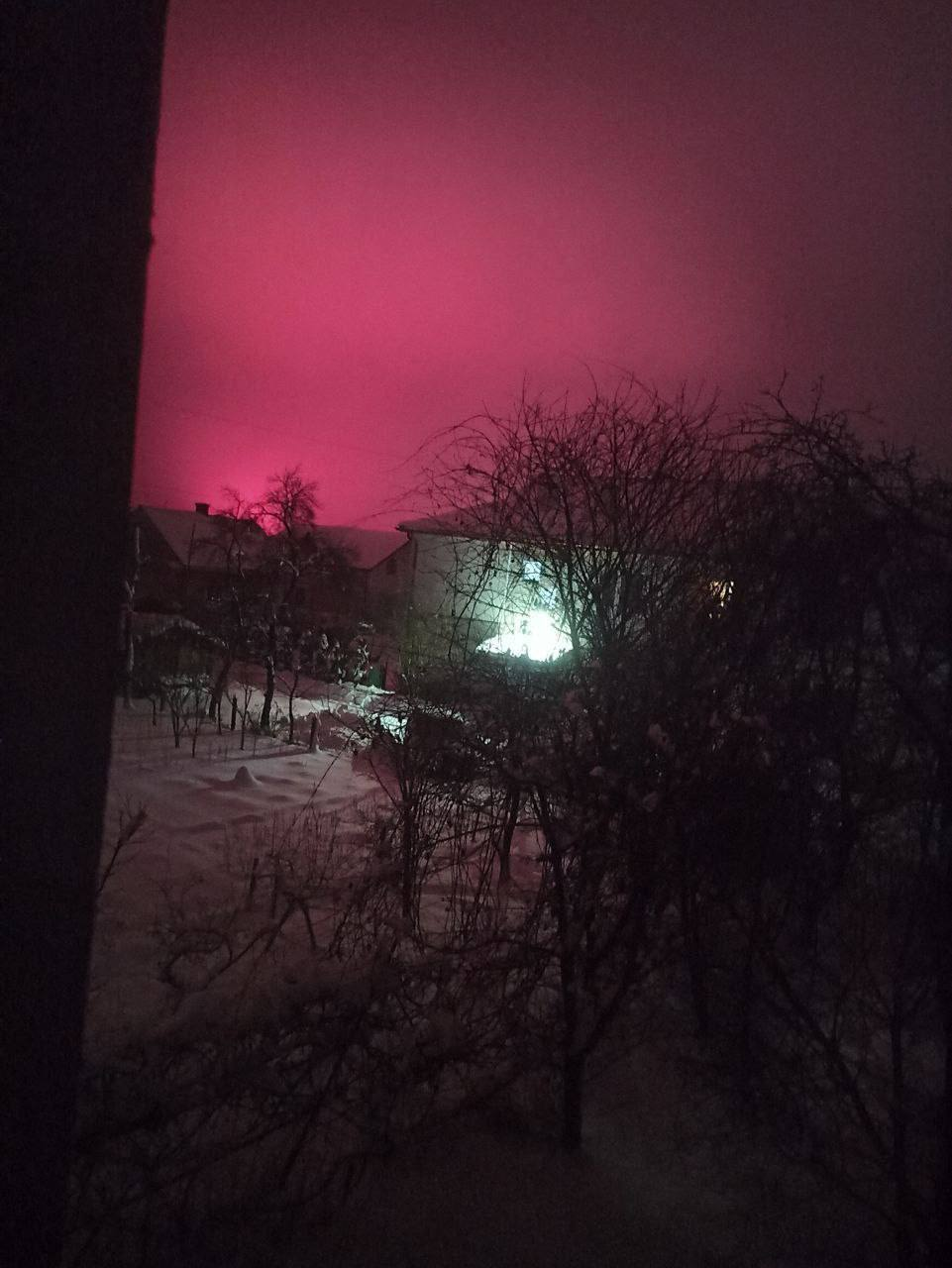
The Oreshnik is an intermediate-range ballistic missile that Russian officials have promoted as a next-generation system designed to evade interception and capable of carrying nuclear warheads. The missile used in the strike on Lviv, located about 60 kilometers (37 miles) from the Polish border, was not equipped with a nuclear payload.
A series of explosions in Lviv during the strike
Residents of Lviv reported a rapid sequence of four to five explosions around midnight. Although an air raid alert was in effect at the time, authorities issued no warning about incoming drones or missiles in the region prior to the blasts.
Ukraine’s Air Force did not explicitly identify the weapon as an Oreshnik missile but confirmed that Russia launched a “medium-range ballistic missile” from the Kapustin Yar test site in Russia’s Astrakhan region. According to the Air Force, the missile reached its target in Lviv Oblast at an estimated speed of up to 13,000 kilometers per hour.
The US must give a clear response after Russia's Oreshnik strike -Zelensky
President Volodymyr Zelenskyy said that the world must respond clearly, first and foremost the United States, following Russia’s large-scale attack on the night of 8–9 January, during which Moscow used a medium-range ballistic missile known as Oreshnik.
Speaking on X, as cited by European Pravda, Zelenskyy said Russia closely watches signals coming from Washington and must be made to understand that it is obliged to focus on diplomacy. He stressed that Russia should face consequences every time it chooses killings and the destruction of civilian infrastructure instead of dialogue.
Zelenskyy added that the latest strike is another reminder to Ukraine’s partners that strengthening air defence remains a constant and urgent priority. He emphasized that no time can be lost in deliveries, production, or agreements, and said Ukraine would inform its partners at all levels about what had happened and what response measures are needed.
Aftermath of Russian attack on Ukraine: main targets were homes, critical, and transport infrastructure
Russian forces struck the city of Kyiv, Kyiv Oblast, and Lviv Oblast on the night of 8–9 January, primarily targeting residential areas as well as critical and transport infrastructure.
Oleksii Kuleba, Deputy Prime Minister for the Restoration of Ukraine and Minister for Communities and Territories Development, said the attacks caused disruptions to heat and water supplies in Kyiv, with emergency crews working at full capacity to restore services.
Railway infrastructure was also damaged, including a depot, an administrative building, and a locomotive. Repair work is currently ongoing.
In residential areas of Kyiv Oblast, five people were injured in drone strikes. Emergency services rescued a family, including a five-year-old child, from under the rubble. A separate missile strike hit critical infrastructure in the region, but no casualties were reported.
Prime Minister Yuliia Svyrydenko said the attacks deliberately targeted district boiler houses, calling it energy terrorism and an attempt to turn winter into a weapon. She added that the town of Slavutych was left without electricity, though energy workers have already restored power to around 3,000 consumers in Chernihiv Oblast.
Kuleba also reported that recovery efforts are continuing in Dnipropetrovsk Oblast following strikes the previous day. As of this morning, heat supply has been restored to more than 800,000 consumers, and water supply has been stabilized for all customers, with repair work still under way.
He emphasized that all emergency and utility services in the affected regions are operating around the clock, with the priority being the rapid restoration of heat, water, and the stable functioning of critical infrastructure, as well as minimizing the overall impact of the attacks.