


Zelenskyy proposes Ukrainian defence minister as new energy minister
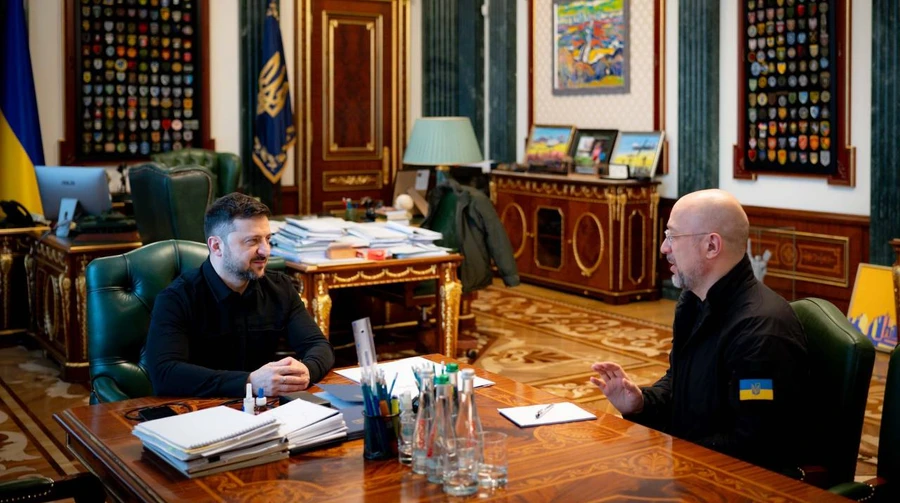
Ukrainian President Volodymyr Zelenskyy said he expects parliament to approve Defence Minister Denys Shmyhal for the posts of first deputy prime minister and minister of energy, citing the need for stronger leadership in restoring and protecting Ukraine’s energy system.
In a social media post, Zelenskyy praised Shmyhal’s “systematic approach” at the Defense Ministry and said the same discipline is urgently needed in the energy sector, which remains a frequent target of Russian strikes. Zelenskyy noted that he had coordinated the move with Prime Minister Yuliia Svyrydenko and said he is counting on support from the Verkhovna Rada. Under Ukraine’s constitution, only the defense and foreign ministers must be formally nominated to parliament by the president.
Russia attacked Ukraine with 95 drones
Russia launched 95 drones against Ukraine overnight on January 2–3, Ukraine’s Air Force said, with air defenses destroying or jamming 80 of them.
Around 60 of the UAVs were Iranian-made Shahed attack drones. Fifteen drones struck eight locations, while debris from downed UAVs fell at two other sites.
Air raid alerts were issued in Kyiv and several regions during the night amid concerns about possible ballistic missile attacks.
Zelensky wants to see Mykhailo Fedorov as Ukraine's next defense minister
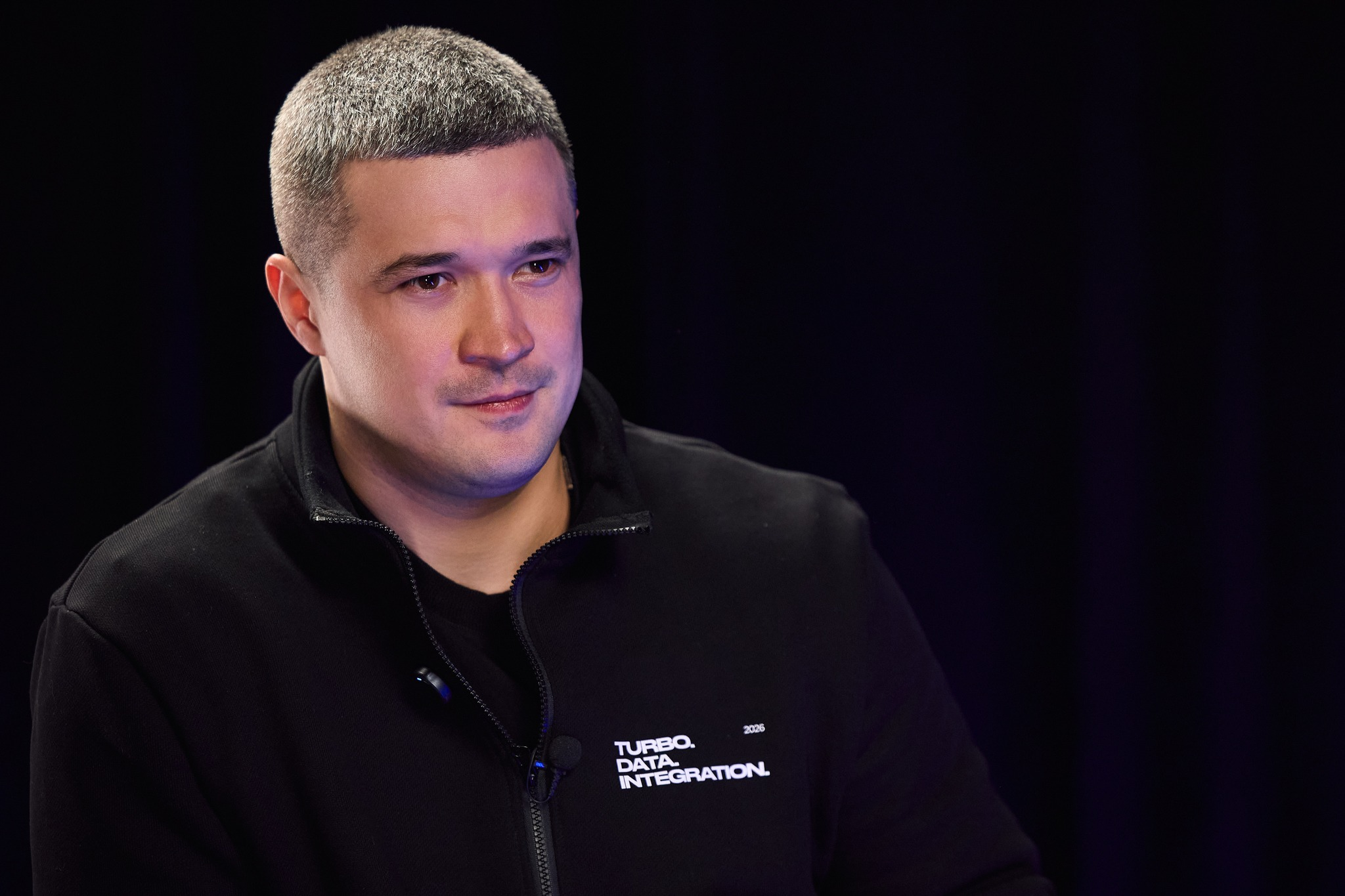
President Volodymyr Zelensky has proposed appointing Deputy Prime Minister and Digital Transformation Minister Mykhailo Fedorov as Ukraine’s new defence minister, marking one of the most significant personnel changes in the government amid the war with Russia.
The announcement was made on Jan. 2 as part of a broader political reshuffle. Under the changes, Kyrylo Budanov, the head of Ukraine’s military intelligence (HUR), was appointed as the new head of the President’s Office, while Oleh Ivashchenko, previously the chief of the Foreign Intelligence Service, took over Budanov’s former post.
Fedorov, 34, is one of the longest-serving members of Zelensky’s team and the only minister to remain in government through all reshuffles since 2019. He is set to replace Denys Shmyhal, who served as defence minister for less than six months after his appointment in July. Zelensky said Shmyhal would move to a “no less important” position elsewhere in the government.
“Mykhailo is deeply involved in issues related to the Drone Line and works very effectively on digitalising public services and state processes,” Zelensky said. “Together with the military leadership, national arms producers, and our international partners, we must implement defence-sector changes that will truly strengthen Ukraine.”
According to Ukraine’s constitution, the Verkhovna Rada must approve the appointment of a defence minister following a presidential proposal.
From digital reformer to defence leadership
Fedorov joined Zelensky’s team in 2019 as the chief digital strategist behind his successful presidential campaign. A businessman from the southern city of Zaporizhzhia, he later became an adviser to the president, was elected to parliament with the Servant of the People party, and within months was appointed deputy prime minister, becoming the youngest minister in Ukraine’s history.
As head of the newly created Ministry of Digital Transformation, Fedorov spearheaded the “state in a smartphone” initiative aimed at cutting bureaucracy. The launch of the Diia app in 2020 brought dozens of government services directly to citizens’ phones and became one of the flagship reforms of Zelensky’s presidency.
Since the start of Russia’s full-scale invasion in 2022, Fedorov’s portfolio has increasingly shifted toward defence-related innovation. His ministry has played a key role in drone production, military tech development, and education reform, and he was instrumental in launching Brave1, a platform linking the digital and defence ministries to accelerate battlefield technologies.
Political standing and tensions
Despite the sweeping reshuffles, Fedorov has remained one of the most popular figures in the government. In the fall of 2024, he was the only cabinet member with more public trust than distrust, with 31% of Ukrainians expressing confidence in him, according to a survey by the Kyiv-based Razumkov Center.
Media and some lawmakers have previously reported tensions between Fedorov and Andriy Yermak, the former head of the President’s Office. In late 2024, the government stripped Fedorov of his semi-official oversight of the State Special Communications Service (SSCS), which is responsible for procuring drones. While the SSCS had been linked to a corruption scandal, observers viewed the move as part of an internal power struggle. Fedorov has consistently denied any conflict with the President’s Office.
During the mass protests in July sparked by attempts to weaken the independence of Ukraine’s anti-corruption institutions, Fedorov reportedly took a more cautious stance than other officials and helped reverse the controversial decisions.
International role and tech diplomacy
Unlike many senior officials and military leaders, Fedorov has not participated in U.S.-mediated peace talks aimed at ending Russia’s war against Ukraine. Instead, he has emerged as one of Ukraine’s key international tech negotiators.
He is Ukraine’s primary point of contact with Elon Musk, the owner of SpaceX, who later briefly served in the second administration of U.S. President Donald Trump. Shortly after Russia’s invasion in 2022, Musk responded publicly to Fedorov’s request for Starlink terminals, which became critical to Ukraine’s battlefield communications.
Despite Musk’s later controversial statements that echoed Russian narratives, Fedorov has maintained contact, stressing Ukraine’s position and strategic effectiveness.
“I manage our relationship very carefully, trying to show that we are highly effective,” Fedorov said in a 2023 interview.
The proposed appointment comes as Ukraine faces mounting battlefield challenges and high-stakes diplomatic efforts, underscoring Zelensky’s push to align defence leadership with technological innovation and rapid adaptation to modern warfare.