


Energy crisis in Kyiv gets worse
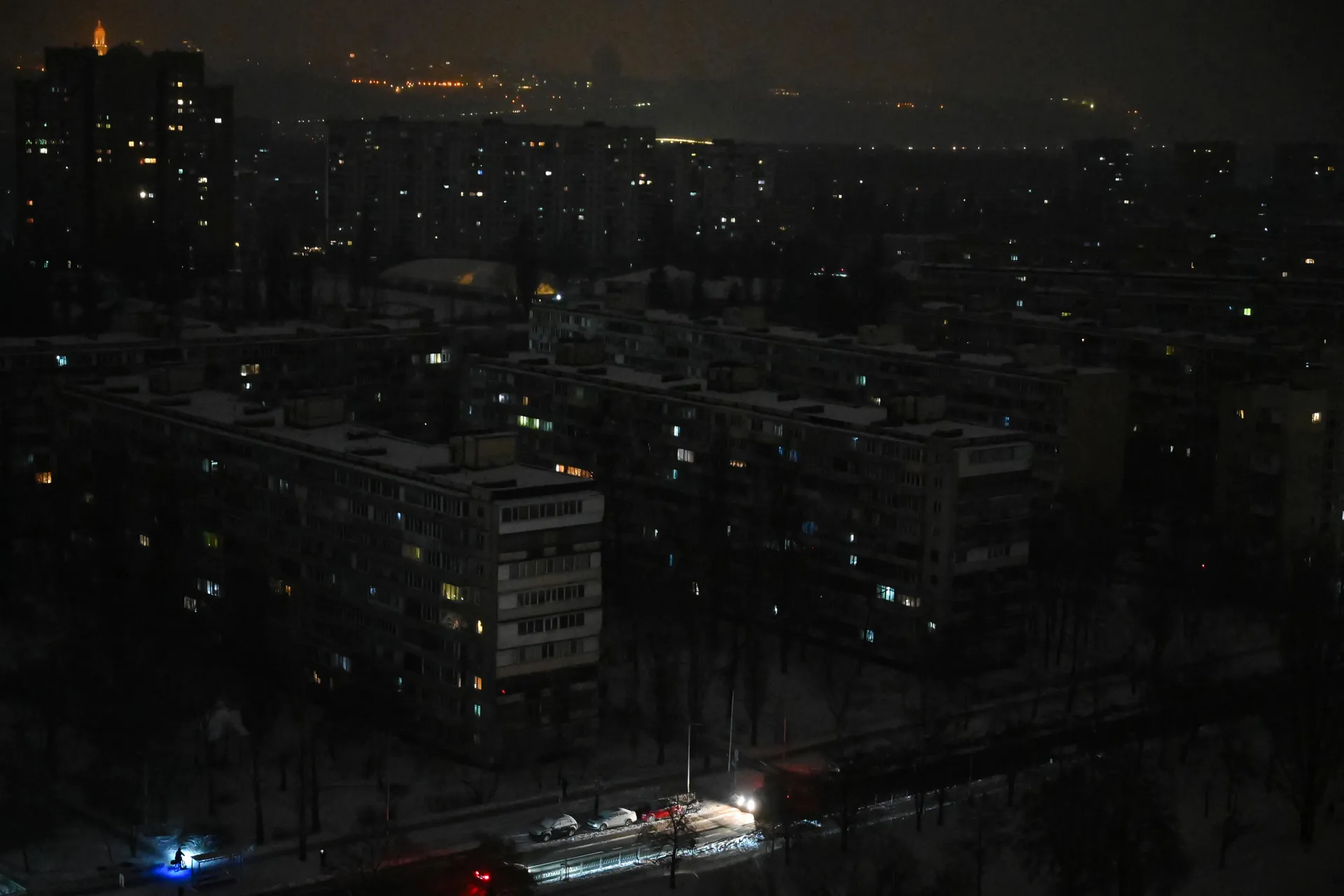
Explosions were heard in central Kyiv on Wednesday morning as Russia continued an intensified campaign of drone and missile attacks against the capital’s power and heating infrastructure, exploiting freezing temperatures in an apparent attempt to undermine civilians' morale.
Local authorities said on January 14 that air defense systems were active in Kyiv amid another Russian drone attack, though they did not specify the intended targets. According to the Air Force, all ten jet-powered drones heading toward the capital between 7 a.m. and 5 p.m. were shot down over Kyiv or neighboring Chernihiv Oblast. Specialists are expected to determine the type of drones and their payloads after examining the wreckage.
Earlier in the day, the head of the Kyiv City Military Administration, Tymur Tkachenko, warned of a drone threat, followed by another air raid alert in the afternoon. He said a private house on the outskirts of the city sustained minor damage, with no casualties reported.
Kyiv Mayor Vitali Klitschko said the situation with energy and heating in the capital remains very difficult, while about 400 multi-story residential buildings were still without heating, calling it an unprecedented challenge during the full-scale war. He later added that heating was expected to be restored to some buildings by the end of the day.
In recent days, Russia has stepped up attacks on critical infrastructure across Ukraine, aiming to deprive civilians of electricity and heat during subzero temperatures. Energy officials warned that Moscow is making a concerted effort to destroy the energy system, following two large-scale attacks within a week.
The most recent mass missile and drone strike on January 9 significantly worsened conditions in Kyiv, leaving large parts of the city without electricity, heating, and water during one of the coldest periods this winter. City officials said roughly half of Kyiv’s buildings were affected at the peak of the outage and urged residents who are able to temporarily leave the city to consider doing so.
Authorities stressed that repair crews are working around the clock to stabilize the situation and restore essential services as quickly as possible.
In the most recent turn of events, five cogeneration units with enhanced protection where installed in Kyiv, two of which are already operating, while start-up work continues on the remaining three.
According to city officials, the units have a combined capacity of 66 megawatts, which is insufficient to meet total winter demand and will instead supply specific critical infrastructure. The city has also ordered a 20-megawatt diesel power plant, which is expected to be launched in March.
Zelensky declared a state of emergency in Ukraine's energy sector
President Volodymyr Zelenskyy has convened an emergency meeting on Ukraine’s energy crisis, focusing on Kyiv, and announced a series of urgent measures.
A permanent coordination штаб (headquarters) will be established in Kyiv, and a state of emergency will be introduced in the energy sector. The First Deputy Prime Minister and Energy Minister will lead efforts to support communities and manage the response.
The government will fast-track deregulation to speed up connecting backup power equipment, seek additional international support, and increase electricity imports. Zelenskyy also ordered a review of curfew rules during extreme cold, expansion and inspection of Kyiv’s Points of Invincibility, and proposals on adjusting the education process during the emergency.
2025 was the deadliest year for Ukrainian civilians since the first year of Russia's full-scale invasion
The year 2025 was the deadliest for civilians in Ukraine since 2022, when Russia launched its full-scale invasion, the U.N. Human Rights Monitoring Mission in Ukraine (HRMMU) reported on January 12.
According to verified U.N. data, 2,514 civilians were killed and 12,142 injured in 2025 — a 31% increase compared with 2024 and 70% higher than in 2023.
“The 31% increase in civilian casualties compared with 2024 represents a marked deterioration in the protection of civilians,” HRMMU head Danielle Bell said. She added that the rise was driven not only by intensified frontline fighting, but also by Russia’s expanded use of long-range weapons, exposing civilians across the country to greater risk.
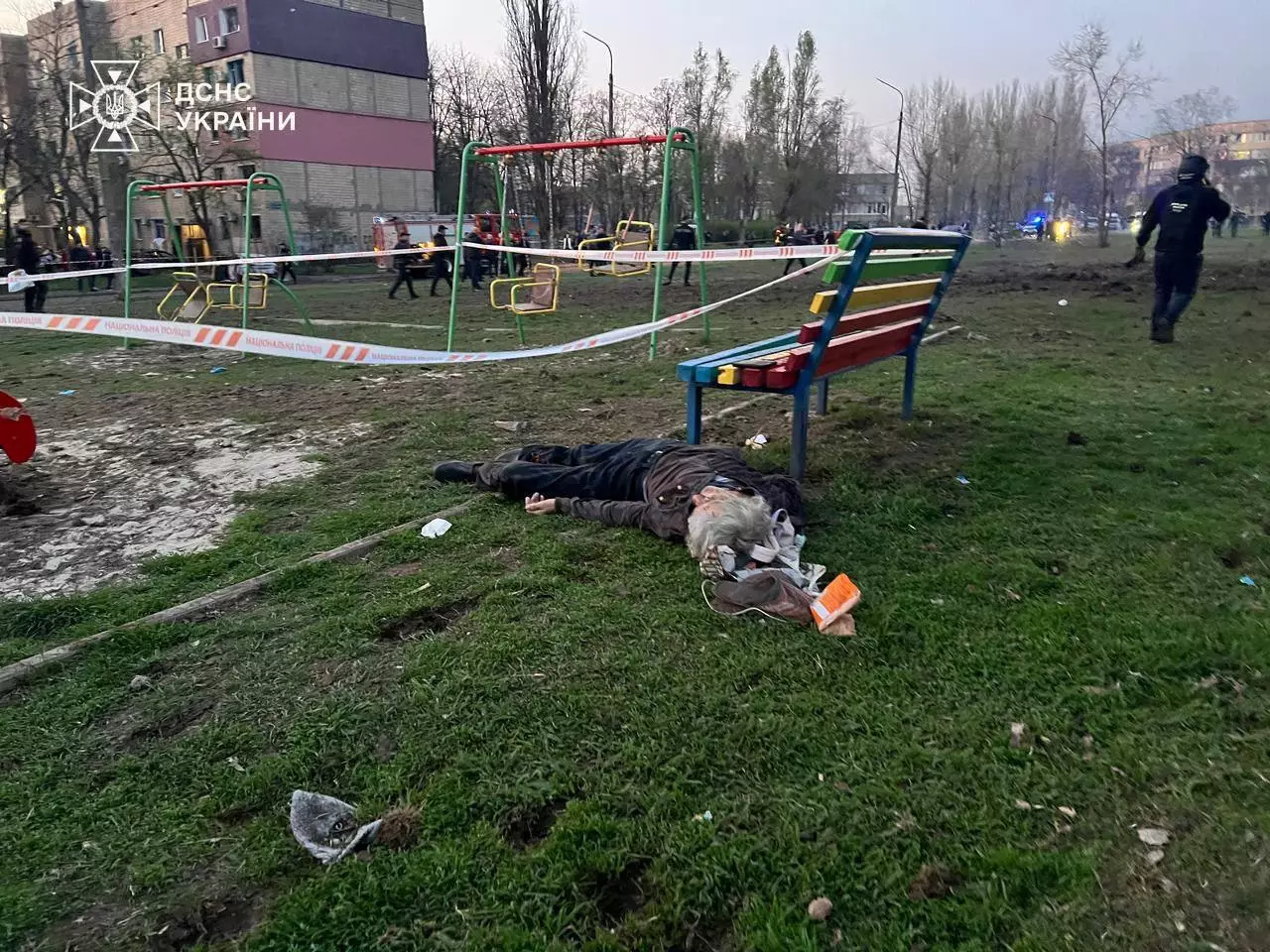
Despite diplomatic efforts by Washington following U.S. President Donald Trump’s inauguration in January 2025, Russia sharply escalated drone and missile attacks on Ukrainian cities. Each time President Trump held a phone call with Vladimir Putin and described it as very productive, claiming that the Russian leader wants peace, Russia kept bombing civilian infrastructure in various cities of Ukraine. On April 4, Russia attacked a children's playground in Kryvy Rig with a ballistic misile Iskander -M killing 19 people, including 9 children. 65-70 people were injured.
The deadliest strike occurred in November, when long-range missiles hit the western city of Ternopil, killing 38 civilians, including eight children, and injuring at least 99 others.
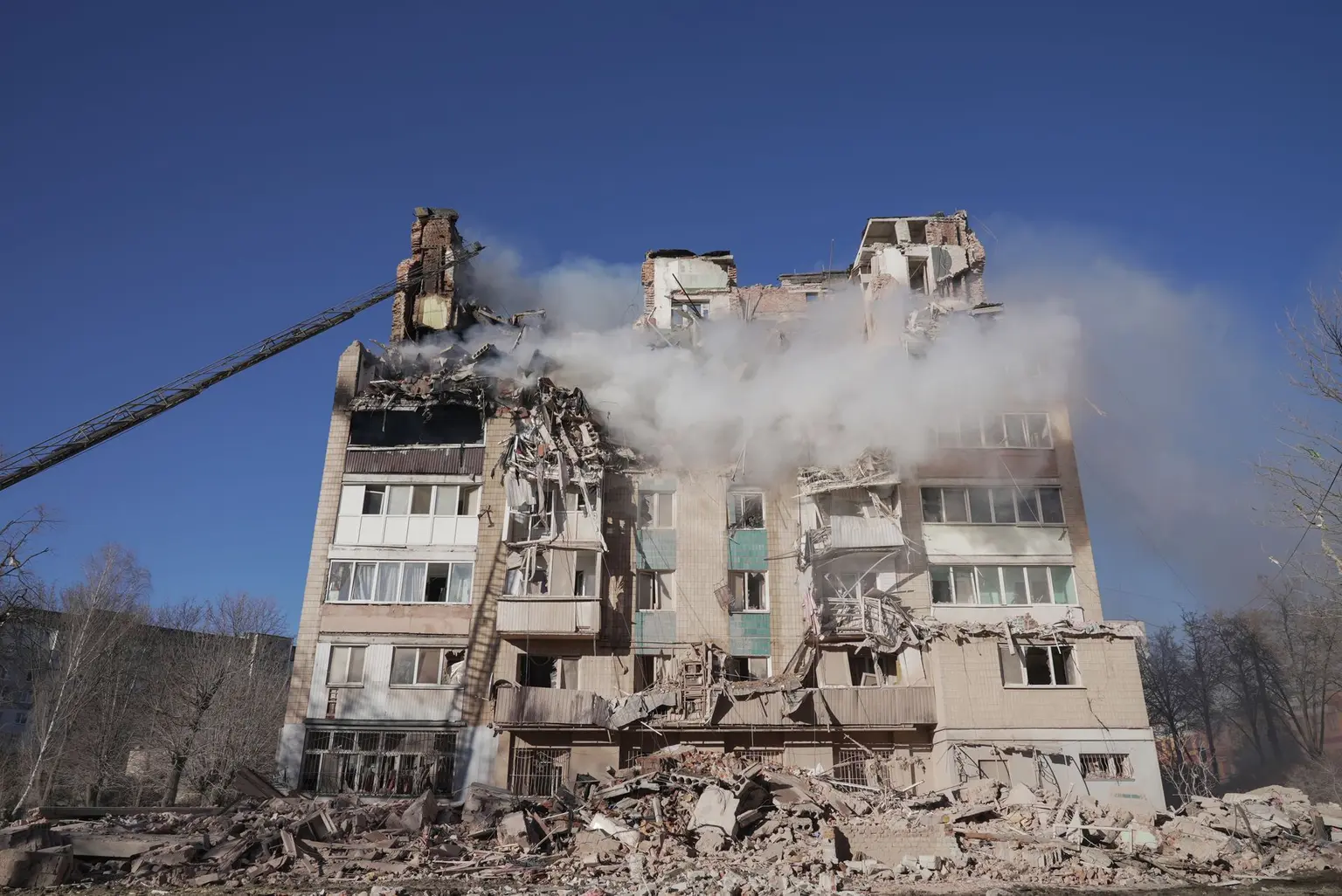
Russian attacks on Ukrainian-controlled territory accounted for 97% of civilian casualties in 2025. More than 60% occurred in frontline areas, where older residents were disproportionately affected. People over 60 made up 45% of civilians killed in those areas, despite representing only 25% of the population.
HRMMU also recorded a rise in civilian casualties caused by short-range drones. “The expanded use of short-range drones has rendered many areas near the frontline effectively uninhabitable,” Bell said, noting that emergency medical care and evacuations have become increasingly dangerous.
Russia’s intensified attacks on Ukraine’s energy infrastructure further worsened civilian conditions, causing prolonged power outages in freezing temperatures and disrupting access to water, heating, electricity, and food. Bell said these strikes have placed civilians at “heightened risk” and show that the war’s impact now extends far beyond the frontline.
The first year of Russia’s full-scale invasion remains the deadliest overall, with at least 8,006 civilians killed and 13,287 wounded between February 2022 and February 2023.