


,
Russia wants to "tear off" Ukraine's energy system; it is planning to cut off the left bank from the right bank with strikes
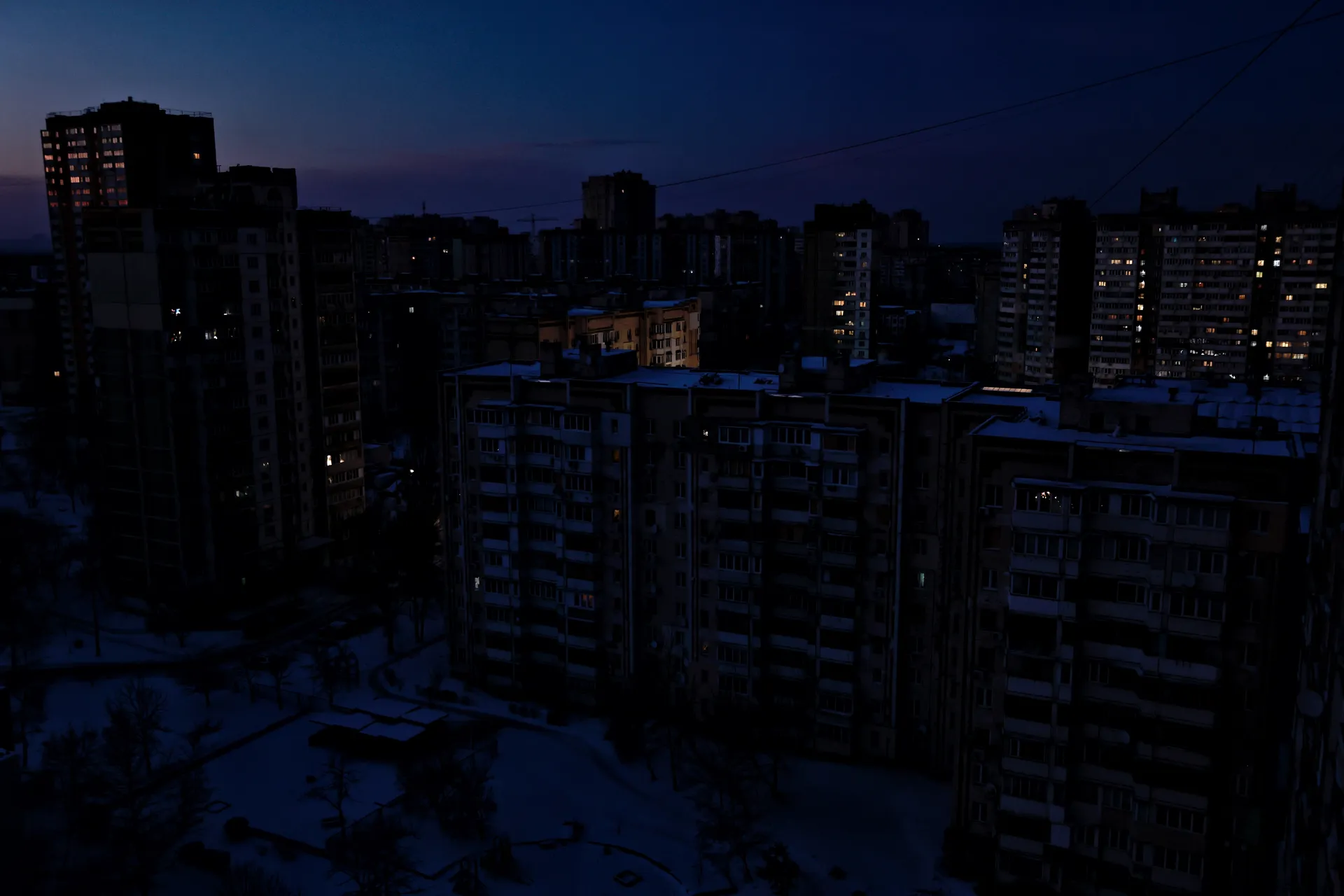
Russia is attempting to deliberately destabilize Ukraine’s unified energy system by striking key infrastructure, including efforts to separate the left bank from the right bank of the country and to isolate Odesa Oblast, with the aim of creating chaos and pressuring society to influence the authorities, energy experts say.
Volodymyr Omelchenko, director of energy programs at the Razumkov Center, said Russia is acting systematically and according to a scenario predicted back in the autumn. He explained that Moscow’s objective is to undermine nationwide energy stability so that people are left without electricity and heating, especially during winter, when outages become a matter of survival rather than convenience.
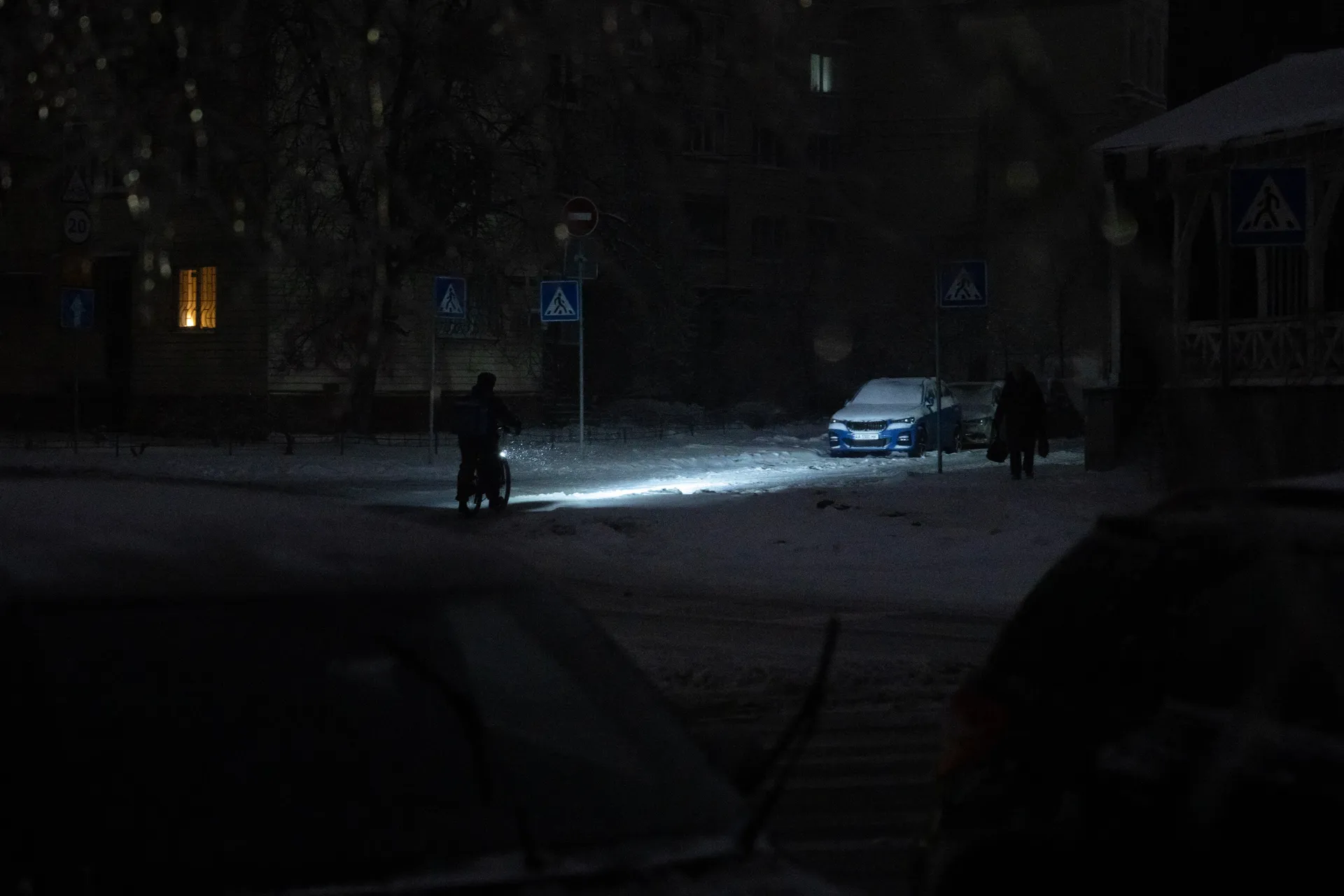
According to Omelchenko, every new strike worsens the condition of the power system, reduces available capacity, and increases the risk of prolonged blackouts. He warned that this “energy terror” is aimed not only at physical destruction but also at political destabilization, by creating social tension and encouraging public pressure on the government to negotiate and make concessions.
At the same time, Omelchenko stressed that Ukrainians should not panic. While the energy system remains under severe strain and lacks reserve capacity, he said, calls for chaos or surrender must be resisted, warning that capitulation would only lead to more casualties.
Power outages across Ukraine have intensified in recent weeks due to a combination of winter conditions and continued Russian strikes. Authorities note that restrictions vary by region depending on the level of damage and technical limitations of the grid.
Russia hit the Kharkiv region with missiles and drones
On the night of January 12–13, Russia launched a large-scale missile and drone attack on Kharkiv, targeting civilian infrastructure, including a major distribution center of Nova Poshta, one of Ukraine's largest private postal and logistics companies. The strike hit the facility directly, causing a powerful explosion and massive fire that engulfed warehouses and sorting equipment. Local authorities reported significant damage to the logistics hub, which handles millions of parcels daily across the country. As a result of the attack, four people were killed, four more were injured and are in the hospital. Mail and parcel delivery services in the region and beyond are disrupted.
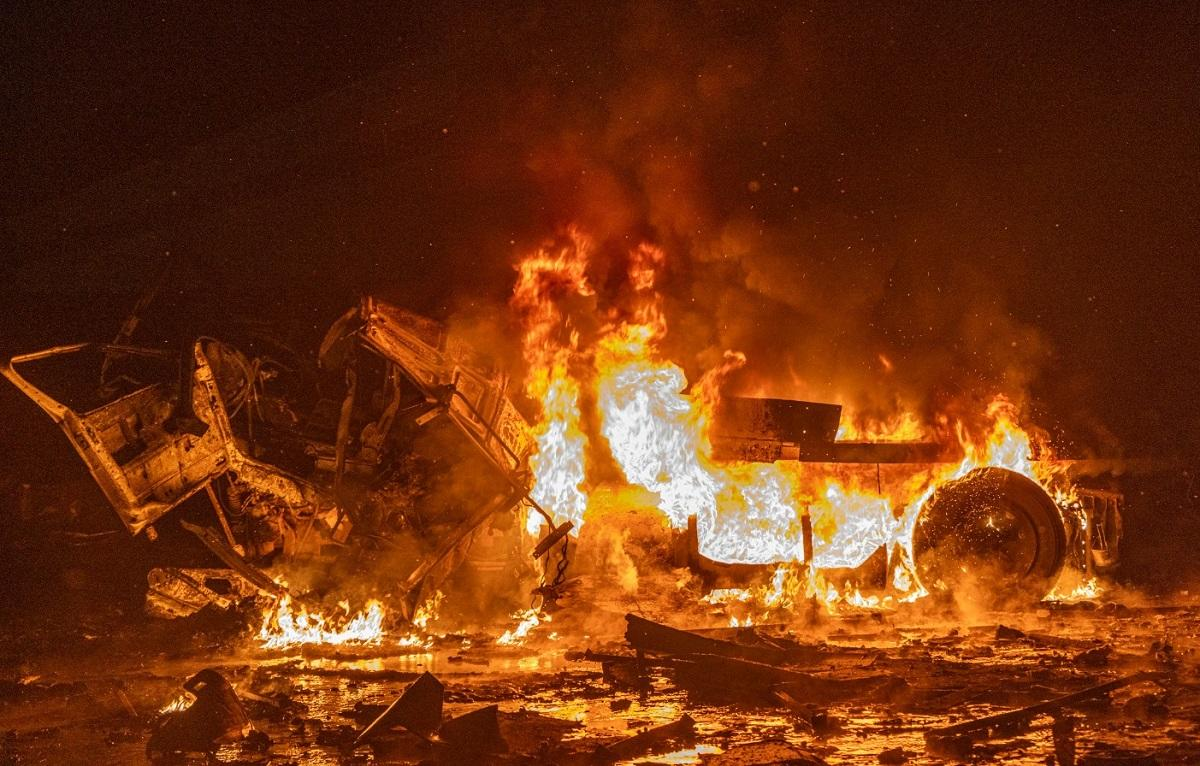
The assault on Kharkiv also included strikes on residential areas and energy infrastructure, injuring at least 12 people, including children, and leaving thousands without power amid freezing winter temperatures.
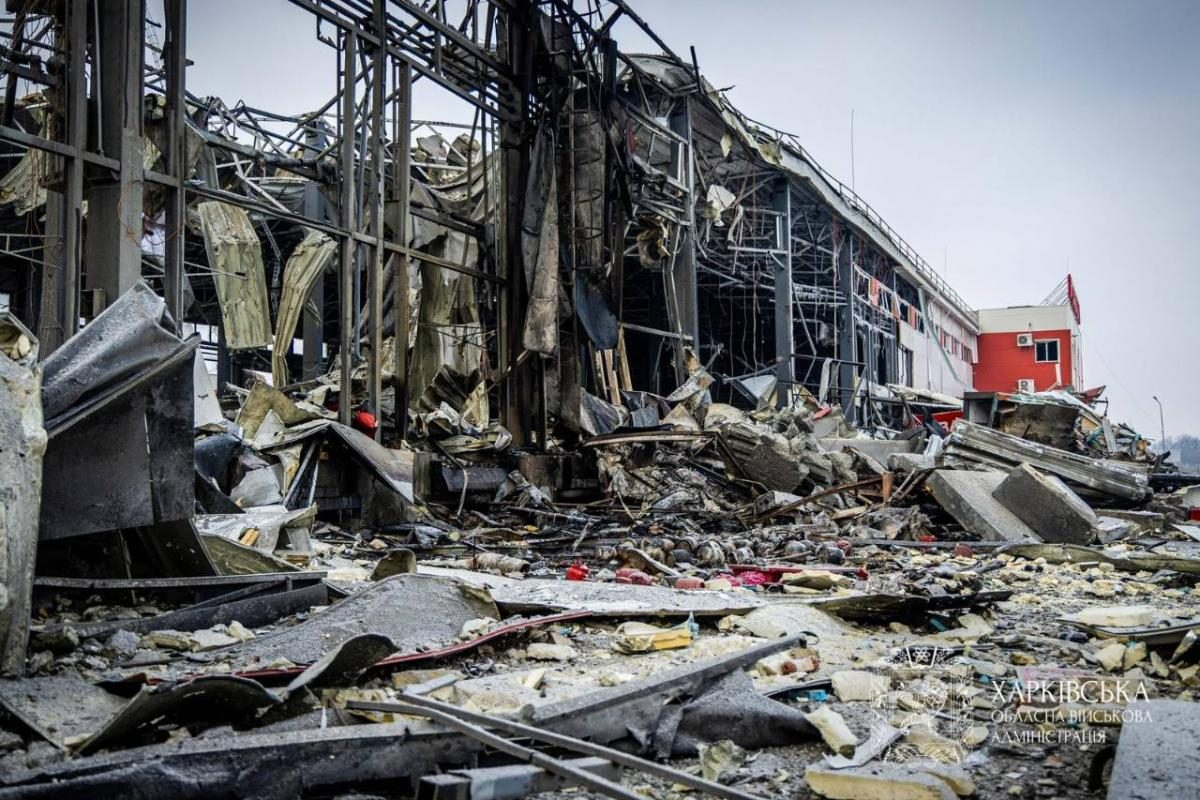
Ukrainian air defenses intercepted a portion of the incoming drones and missiles, but several reached their targets. The deliberate targeting of Nova Poshta's distribution center—vital for civilian supply chains, humanitarian aid delivery, and e-commerce—has been widely condemned as an attempt to further destabilize Ukraine's economy and civilian life. This attack follows a series of intensified Russian strikes on logistics and postal infrastructure in recent weeks.
Drone factory in Russia’s Rostov Oblast struck in the overnight attack
Unidentified drones struck the Russian city of Taganrog early on Jan. 13, with Russian Telegram channels reporting that a drone manufacturing facility may have been targeted.
Monitoring groups identified the site as Atlant Aero, a company that produces components for combat drones, control systems, and electronic warfare equipment. Local channels reported that air defence systems were engaging aerial targets, while videos circulating online showed a fire at the facility.
Rostov Oblast Governor Yuriy Slyusar later confirmed the attack on Taganrog but did not specify which site had been hit. He said air defence forces were repelling the aerial attack and that no information had been received about civilian casualties, adding that the extent of ground damage was still being clarified.
Rostov Oblast, which borders Ukraine and adjoins Russian-occupied parts of Luhansk and Donetsk Oblasts, is frequently targeted due to its proximity to the front line. Ukraine has not officially confirmed involvement, but Ukrainian forces have increasingly carried out strikes inside Russia to degrade its military and economic capacity to sustain the war.