
Daily Flyer - February 9, 2026
A voice of Ukraine to the West


in
Why did the Russian Federation intensify attacks in the north of Ukraine?
According to the Institute for the Study of War (ISW), Russia has intensified attacks and limited border raids in northern Ukraine primarily to create an illusion of a large-scale offensive and exert informational pressure on the West during ongoing peace negotiations. Moscow uses these localized incursions — often small-scale and lacking major air or artillery support — to convince Western allies that Ukraine's defenses are on the verge of collapse. ISW notes that Russian claims of capturing villages like Sydorivka in Sumy Oblast lack visual confirmation, and the operations show no signs of a genuine broader offensive, such as disrupting Ukrainian logistics or rear areas.
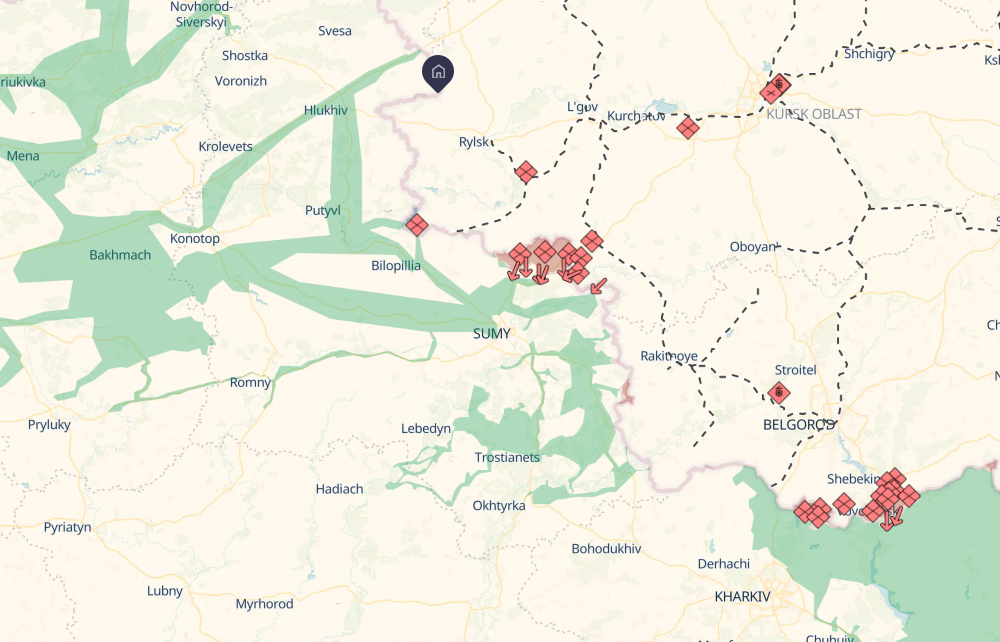
The attacks have focused on Sumy and Kharkiv oblasts, including areas like Komarivka that had been relatively quiet until December 2025. Tactics involve units such as the 80th Arctic Motorized Brigade conducting short raids, which Russian military bloggers and officials frame as efforts to create a "buffer zone." ISW emphasizes that these actions are not aimed at operationally significant objectives but serve as propaganda tools to amplify the narrative of Russian momentum and the inevitability of victory.
Broader strategic goals appear to be psychological and diplomatic rather than military. By portraying even minor border activities as the start of a new front, Moscow seeks to strengthen its position in negotiations, pressure Ukraine and its allies into concessions, and maintain domestic support for the war. ISW warns that this approach could influence perceptions ahead of spring 2026, when fighting may shift more decisively to eastern and southern fronts, but the northern raids remain largely informational and limited in scope.
Ukraine`s grain exports have fallen 30% over six months
Ukraine’s average monthly grain exports from July 2024 to June 2025 reached 3.6 million tonnes, a significant increase compared to 2.5 million tonnes recorded between July and December 2025, according to a report by the Foreign Agricultural Service of the U.S. Department of Agriculture.
The rise in exports came despite multiple challenges, including the return of EU quotas on agricultural products, Russian strikes on energy facilities, and repeated attacks on rail, port, and maritime infrastructure. Russian assaults on Ukrainian vessels in ports and in the Black Sea also continued to disrupt logistics and shipping routes.
At the same time, the maize harvest faced delays, with farmers having collected only 92% of the crop so far. Prolonged rainfall restricted access to some fields, while high moisture levels forced producers to dry-harvest grain before export, further slowing the process.
Russia attacked Ukraine with 11 ballistic missiles and 149 drones overnight
Last night, Russian forces launched a large-scale aerial attack on Ukraine , firing 11 Iskander-M ballistic missiles and deploying 149 attack drones, including Shahed, Gerbera, and Italmas UAVs, Ukraine’s Air Force Command reported. Around 90 of the drones were identified as Shahed-type loitering munitions.
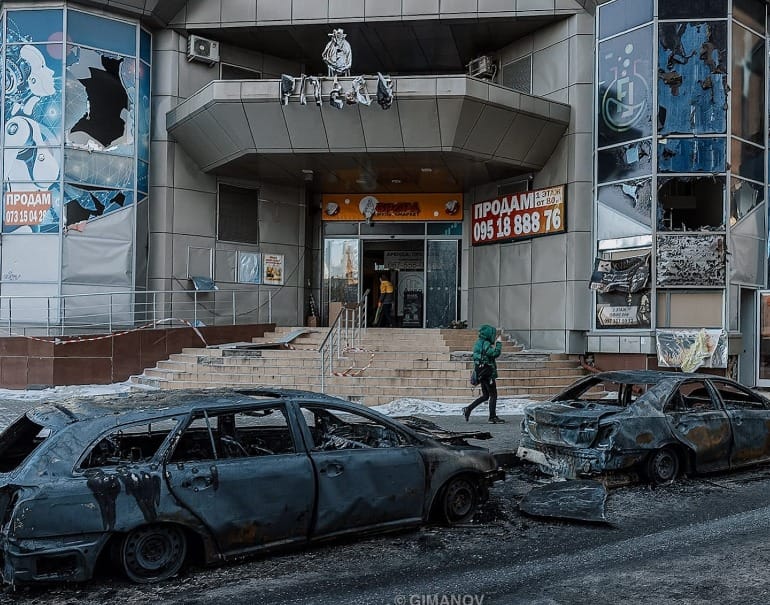
As of this morning, Ukrainian air defenses had shot down or jammed 116 drones, while several Iskander-M missiles were intercepted before reaching their targets. Missile strikes and drone impacts were recorded at 15 locations, with debris from downed targets falling at six additional sites. Ukrainian forces used aircraft, surface-to-air missile systems, electronic warfare assets, unmanned systems units, and mobile fire groups to repel the assault.
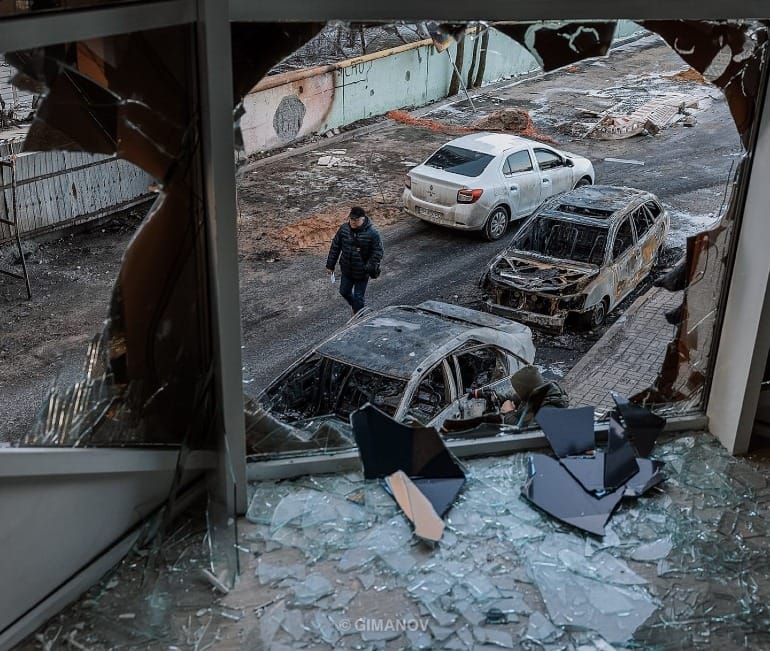
The air attack remained ongoing in the morning hours, with several Russian drones still operating in Ukrainian airspace. Authorities continued monitoring the situation as air defense units worked to neutralize remaining threats.