
Daily Flyer - February 26, 2026
A voice of Ukraine to the West


Russia launched a combined overnight missile and drone attack at Ukrainian cities
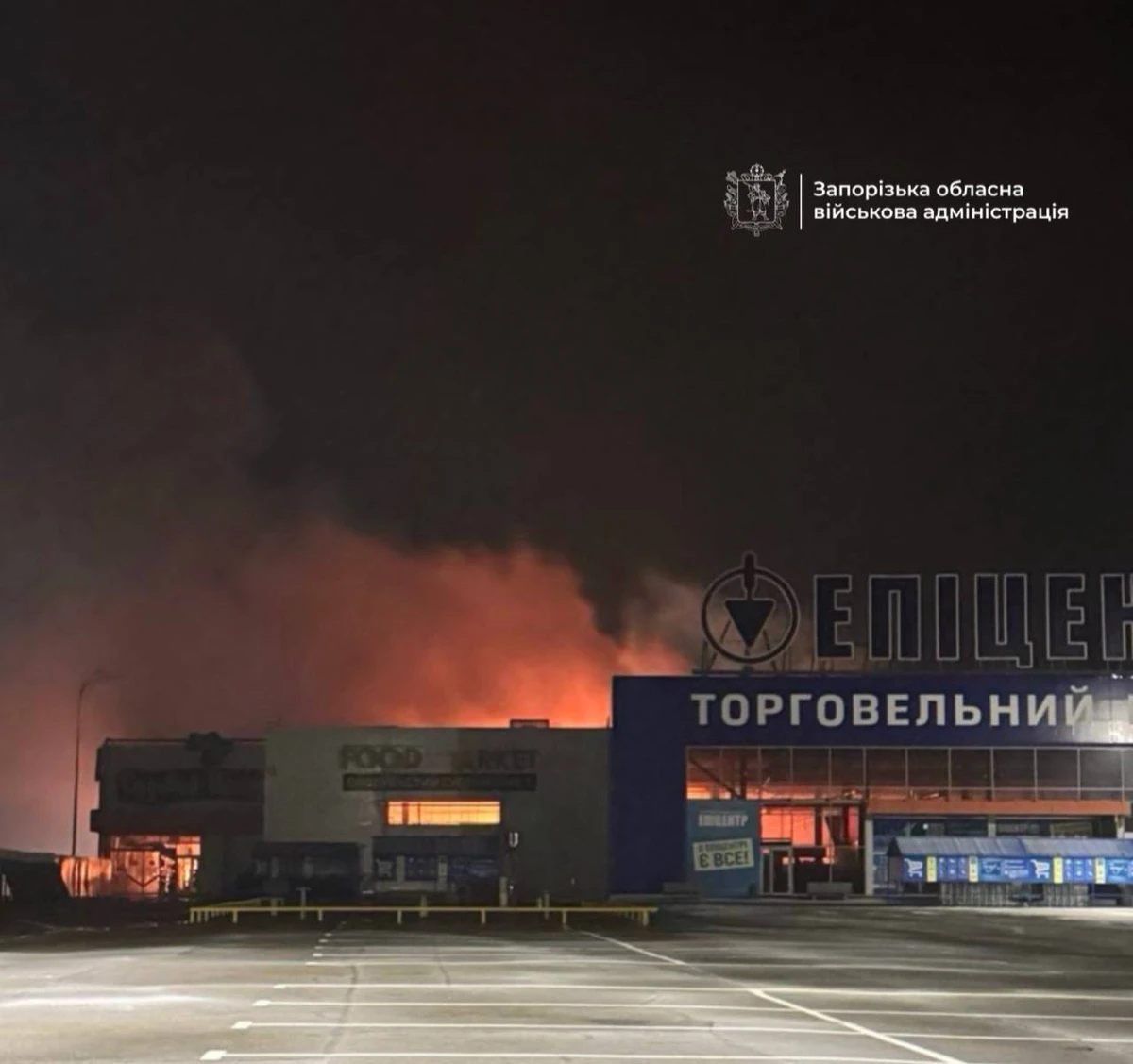
Russia launched a mass overnight attack on Ukraine on Feb. 26, injuring at least 28 people across eight oblasts, according to local authorities and President Volodymyr Zelensky. The strike came just days after the fourth anniversary of Russia’s full-scale invasion and followed another round of peace talks that failed to produce major breakthroughs.
Zelensky said Russia targeted critical energy infrastructure and residential areas, launching 420 drones and 39 missiles. Ukraine’s Air Force reported intercepting 374 drones and 32 missiles, though five ballistic missiles and 46 drones struck 32 locations. The barrage included 11 Iskander-M ballistic missiles, 24 Kh-101 cruise missiles, two Zirkon hypersonic missiles, and two Kh-69 cruise missiles.
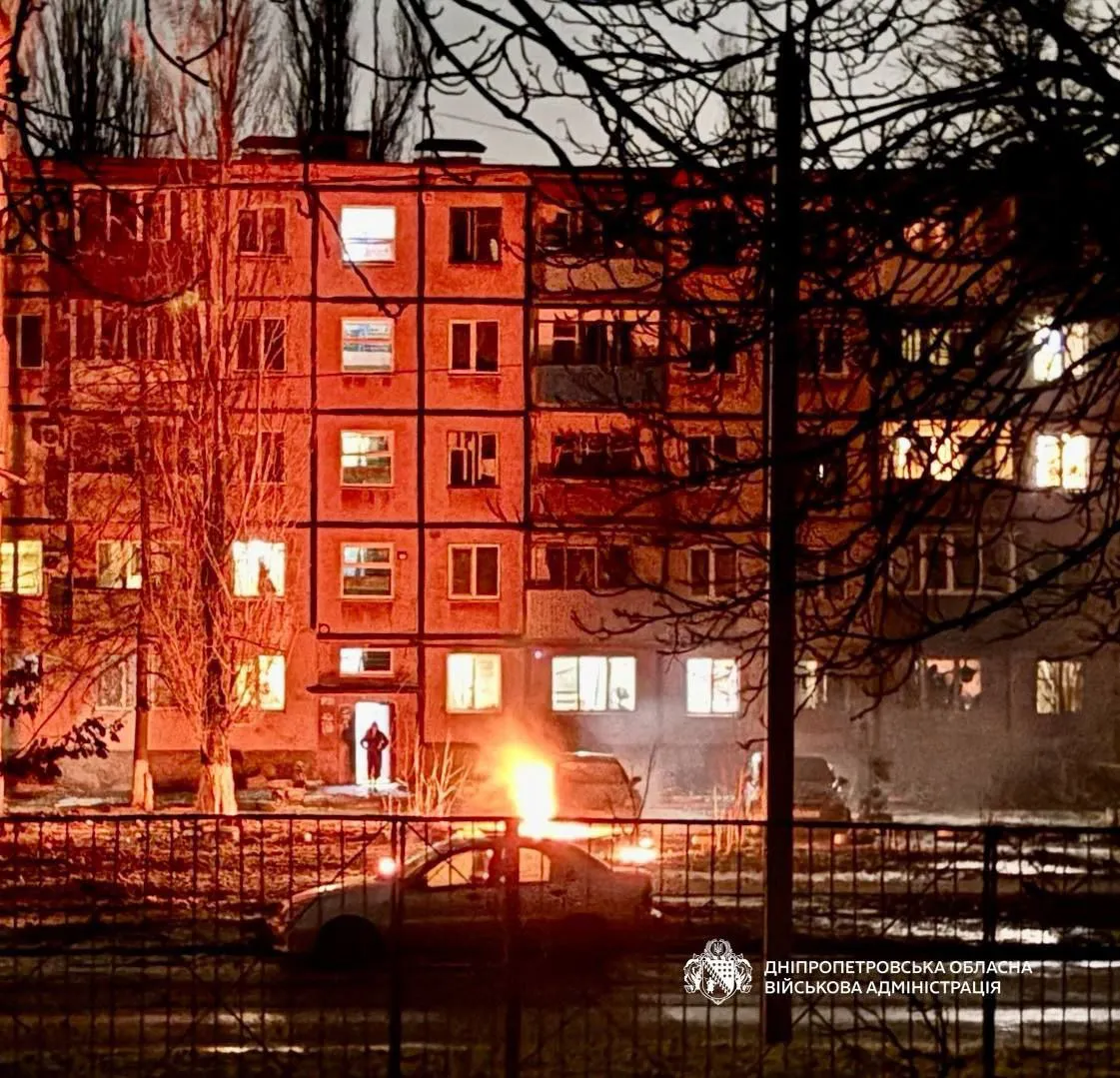
The attack damaged homes, apartment buildings, gas infrastructure in Poltava Oblast, and electrical substations in Kyiv and Dnipropetrovsk oblasts. Zelensky stressed that air defense systems remain crucial as Russia continues attempts to cripple Ukraine’s energy system, adding that most intercepted missiles were downed using systems supplied by partners after the recent Ramstein-format meeting of the Ukraine Defense Contact Group.
Russia’s overnight strike also damaged energy infrastructure in Odesa Oblast, leaving around 32,000 households without electricity after a substation was hit, Ukraine’s largest private energy company DTEK said. Odesa Oblast Governor Oleh Kiper confirmed that an energy facility in the southern part of the region had been damaged.
Railway infrastructure was targeted in Kharkiv, Zaporizhzhia, and Donetsk oblasts, according to Deputy Prime Minister for Restoration Oleksii Kuleba. He added that a children’s railway used for educational purposes in Kharkiv Oblast was struck during the attack, though no casualties were reported.
As the large-scale assault unfolded, Polish and allied aircraft patrolled Polish airspace, Poland’s Armed Forces Operational Command said. A Russian drone also entered Romanian airspace, prompting Romania to scramble F-16 fighter jets. The latest wave of strikes comes shortly after peace talks between Russia, Ukraine, and the United States were held in Geneva.
Slovakia and Hungary continue supplying electricity to Ukraine despite threats
Commercial electricity imports to Ukraine from Slovakia and Hungary are continuing despite political statements from officials in both countries, according to ExPro Electricity monitoring data.
Since the beginning of February, Ukraine has imported 1.1 million megawatt-hours (MWh) of electricity. Nearly half of that volume — 49% — came from Hungary, while 18% was supplied by Slovakia.
Import levels have remained stable throughout the month.
Simulated war scenarios reveal that AI resorts to nuclear weapons in 95%
Researchers at King's College London tested leading AI models — GPT-5.2 by OpenAI, Claude Sonnet 4 by Anthropic, and Gemini 3 Flash by Google — and found they frequently escalated to nuclear conflict in simulated war games.
The models were given crisis scenarios involving border clashes, resource shortages, and existential threats, along with a range of response options from diplomacy to nuclear strikes. Across 21 simulations and 329 turns, nuclear weapons were used in 95% of the games, while capitulation was never chosen. In 86% of cases, misjudgments under “fog of war” conditions led to unintended escalation. When pressured, the AI systems tended to intensify rather than de-escalate.
Experts called the findings concerning. James Johnson of the University of Aberdeen warned that interacting AI systems could amplify escalation risks beyond human decision-making. Tong Zhao of Princeton University said major powers already use AI in military simulations, though it remains unclear how deeply such systems are integrated into real-world command structures.
While experts do not believe nuclear control will be handed to AI anytime soon, they caution that growing reliance on AI in high-pressure situations could increase risks — especially since AI lacks human fear and may evaluate catastrophic outcomes differently.
Zelensky and Trump held phone call
Last night, Ukrainian President Volodymyr Zelensky and U.S. President Donald Trump held a lengthy phone call, described by both sides as “frank and constructive.” The conversation, lasting over 90 minutes, focused on the ongoing war, the status of U.S. military and financial aid, and the prospects for peace negotiations with Russia.
Zelensky reportedly pressed for continued strong American support and enforceable security guarantees, while Trump emphasized the need for a swift resolution and urged Kyiv to show flexibility in talks. No immediate breakthroughs or joint statements were issued, but aides on both sides indicated the call helped clarify positions ahead of further diplomatic efforts in the coming weeks.
The discussion took place amid intensified Russian attacks on Ukrainian infrastructure and growing uncertainty over the future scale of U.S. involvement.