


Massive Russian attack turned night into hell for Kyiv and surrounding region
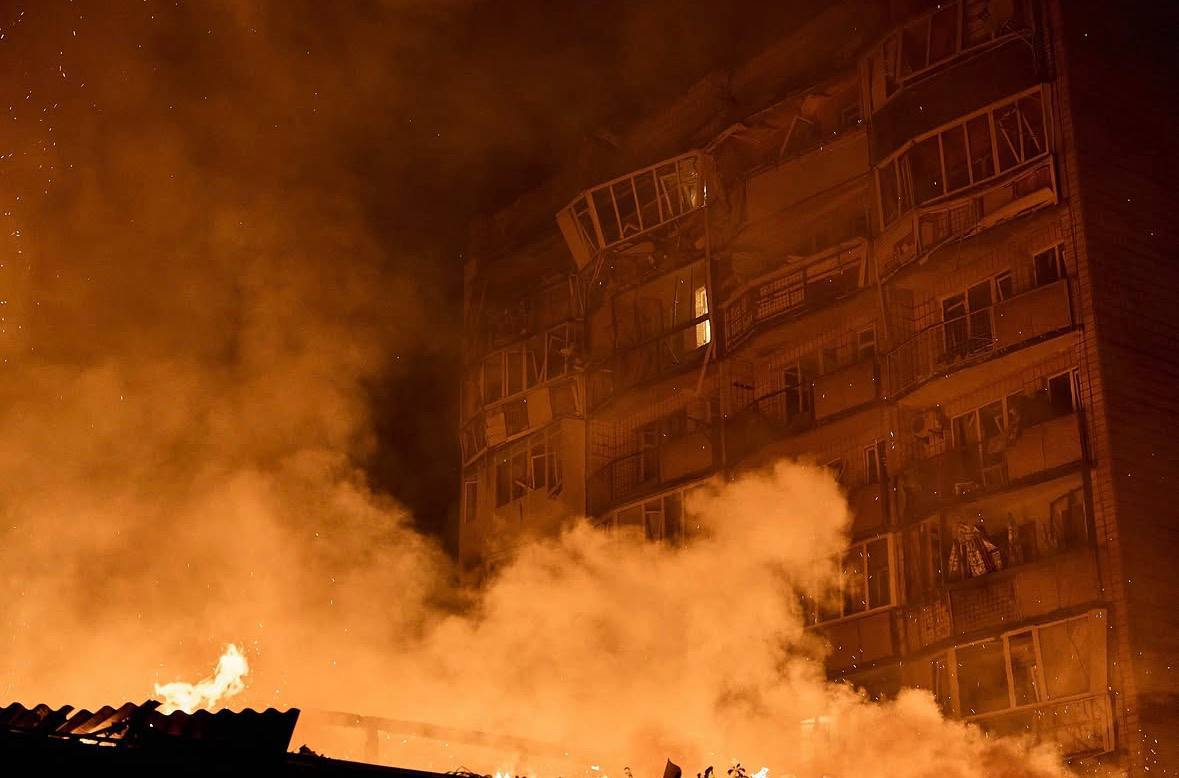
On the night of August 19–20, 2026, Russia launched one of its largest combined assaults on Kyiv and Kyiv Oblast in recent months. Ballistic, cruise, and hypersonic missiles, together with hundreds of drones (both conventional Shaheds and jet-powered versions), struck the capital and nearby cities for approximately 11 hours. The main targets included Kyiv itself, Boryspil, and Brovary. Explosions began shortly after midnight and continued in waves until late morning, with air-raid alerts issued well past midday.

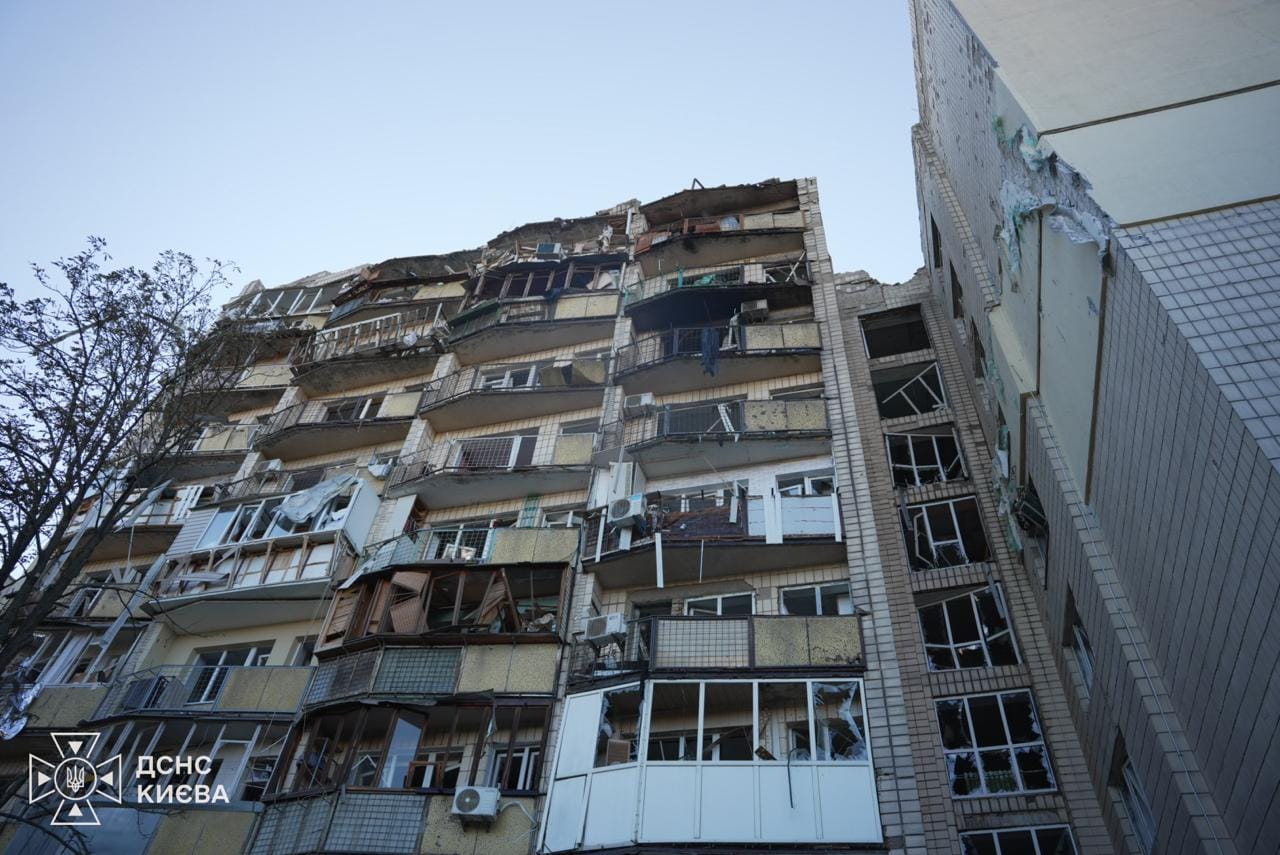
At least 15 people were killed and more than 30 injured in Kyiv alone. In Kyiv Oblast, one person was killed and seven injured. Residential buildings, a children’s hospital, a kindergarten, and other civilian infrastructure suffered damage. Debris caused fires, shattered windows, and set cars alight in several districts. Ukraine’s Air Force reported that Russia launched dozens of cruise missiles (including X-101 and Kalibr), ballistic missiles (Iskander-M/S-400 and North Korean types), Zircon hypersonic missiles, Banderol munitions, and roughly 168 Shahed-type drones. Air defenses intercepted the majority of the aerial threats, but impacts still occurred at dozens of locations.
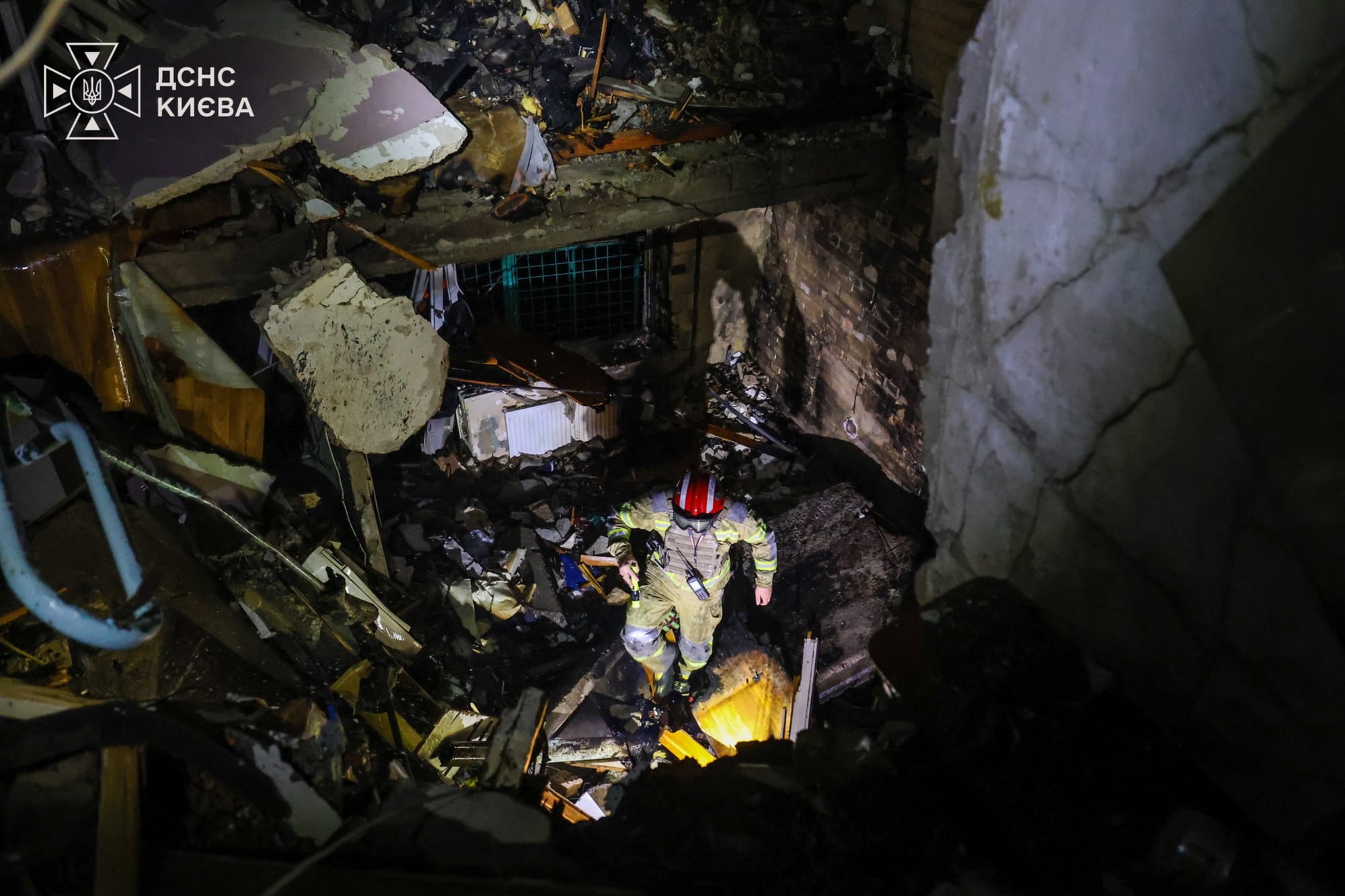
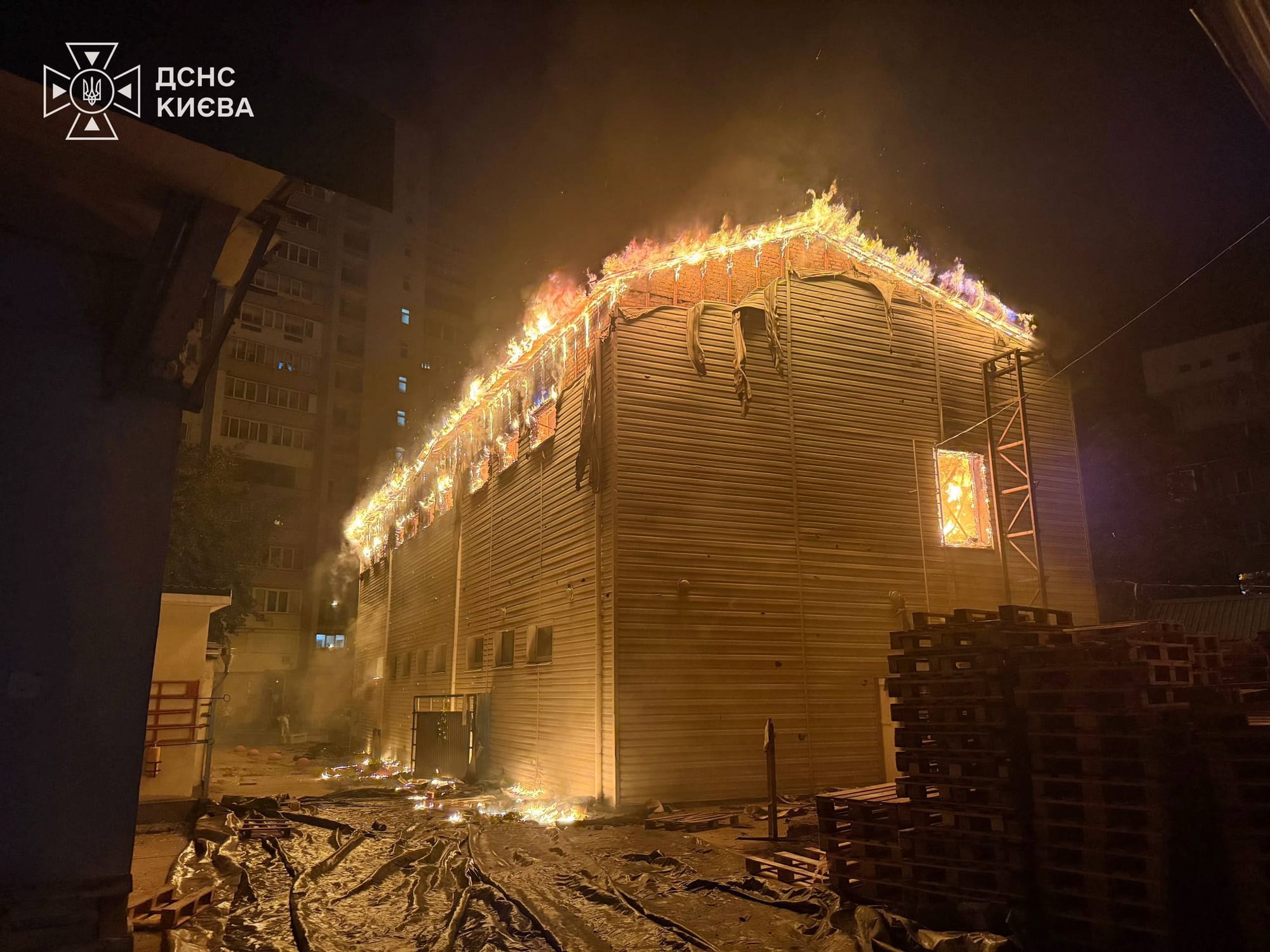
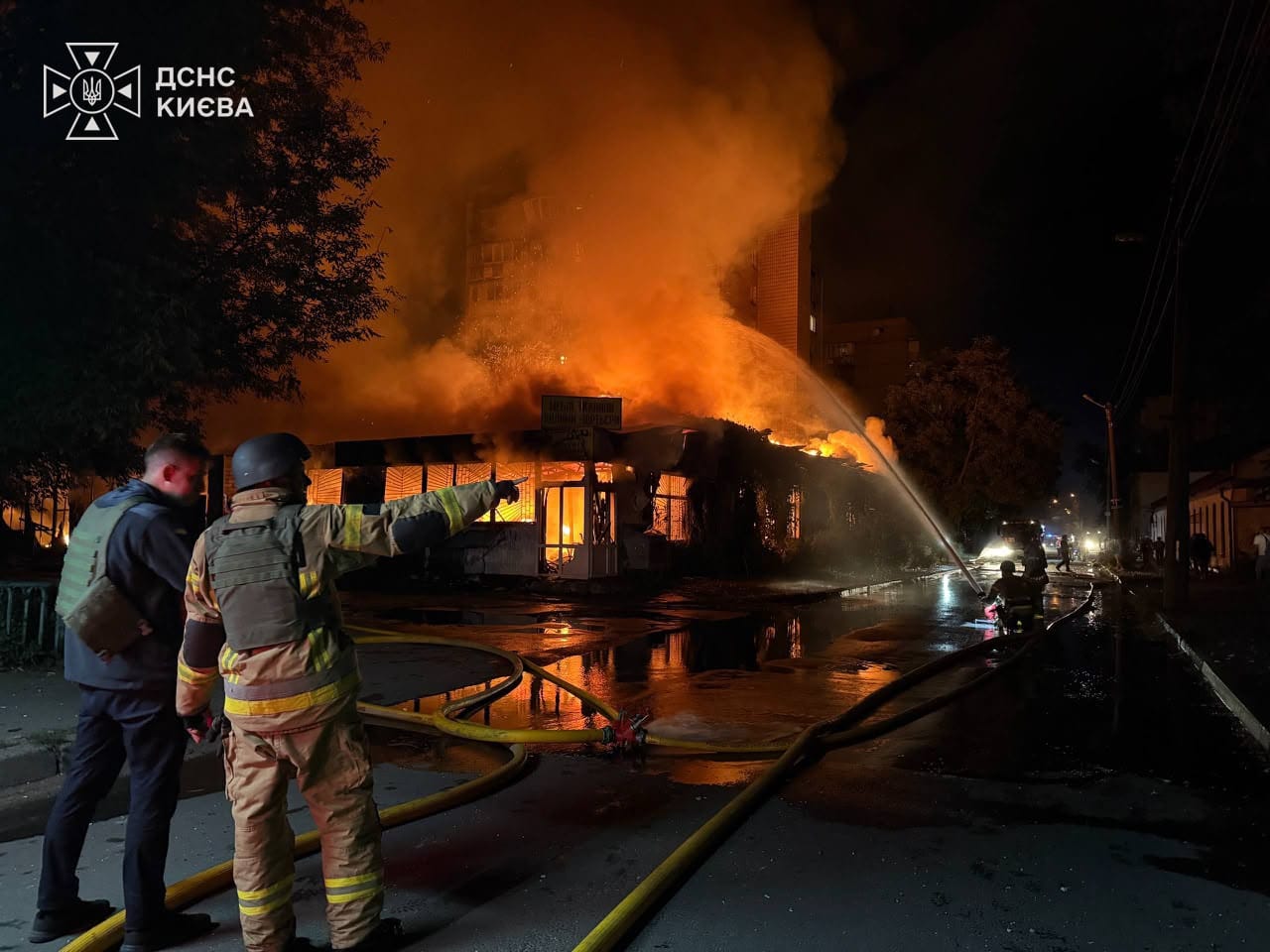


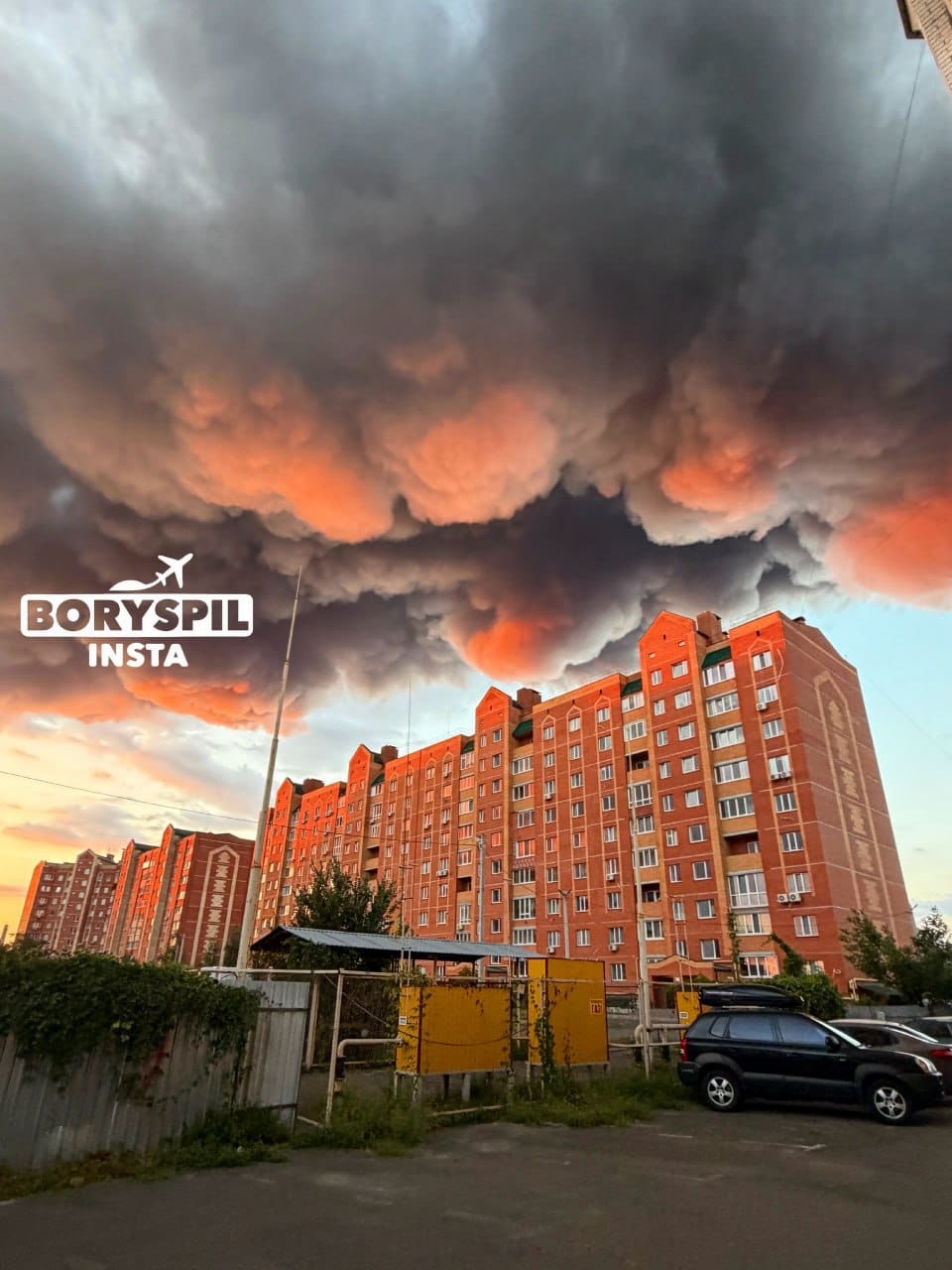
Particularly severe damage was recorded in the logistics and industrial zones near the capital. In Brovary and the surrounding district, Russian strikes hit industrial facilities and warehouses, sparking large fires. One man was killed and several others injured in the Brovary area. Nearby in Boryspil, food warehouses and Red Cross facilities were damaged, with firefighters battling prolonged blazes. These attacks on storage and distribution centers form part of a broader pattern of Russian strikes aimed at Ukraine’s logistics and food supply infrastructure in the Kyiv region.
Kyiv Mayor Vitali Klitschko declared August 21 a Day of Mourning in the capital. President Volodymyr Zelensky described the assault as carefully prepared and deliberately aimed at maximizing damage to civilian infrastructure. The attack comes amid Ukraine’s ongoing shortage of interceptor missiles for systems capable of countering ballistic threats, allowing Russia to escalate the scale and intensity of such combined strikes.
Anti-corruption bureau investigates Zelensky's ex-deputy chief of staff in corporate raiding scheme
Ukraine’s National Anti-Corruption Bureau (NABU) on August 20 released new audio recordings that allegedly implicate senior officials in a criminal group involved in the illegal seizure of real estate. The published tapes form part of an ongoing investigation into a scheme that investigators describe as organized corporate raiding and unlawful property appropriation.
According to NABU, the alleged criminal group includes a current deputy chief of staff in the Presidential Office, a sitting member of parliament, and a former lawmaker. The recordings feature conversations involving Iryna Mudra, who served as President Volodymyr Zelensky’s Deputy Chief of Staff, lawmaker Vadym Stolar, and former parliamentarian Maksym Mykytas.
President Zelensky fired his Deputy Chief of Staff, Iryna Mudra, right after the release of the tapes.
The release of the tapes marks a significant escalation in the anti-corruption probe targeting high-level figures close to the president’s administration. Investigators claim the group used political influence and official positions to facilitate the illegal takeover of real estate assets, raising fresh questions about accountability within Ukraine’s wartime leadership.
Russian attacks on Kramatorsk and Sloviansk injure 10 civilians
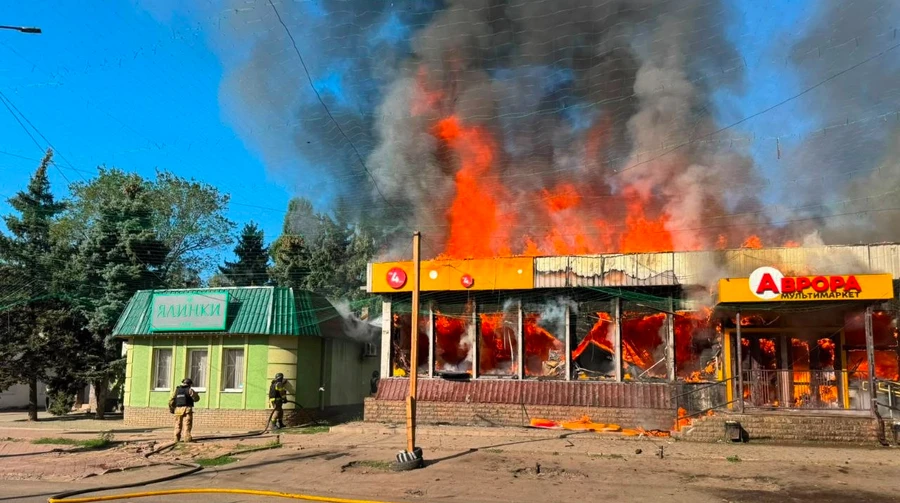
Russian forces struck Sloviansk and Kramatorsk in Donetsk Oblast on August 20, injuring at least 10 people, according to local authorities.
Three people were injured in Sloviansk after a Russian drone struck a shop in a residential area, sparking a fire. In Kramatorsk, seven people were injured in nine strikes, with early reports indicating the use of FAB-250 bombs equipped with UMPK guidance kits. A shop, a business and an infrastructure facility were damaged.
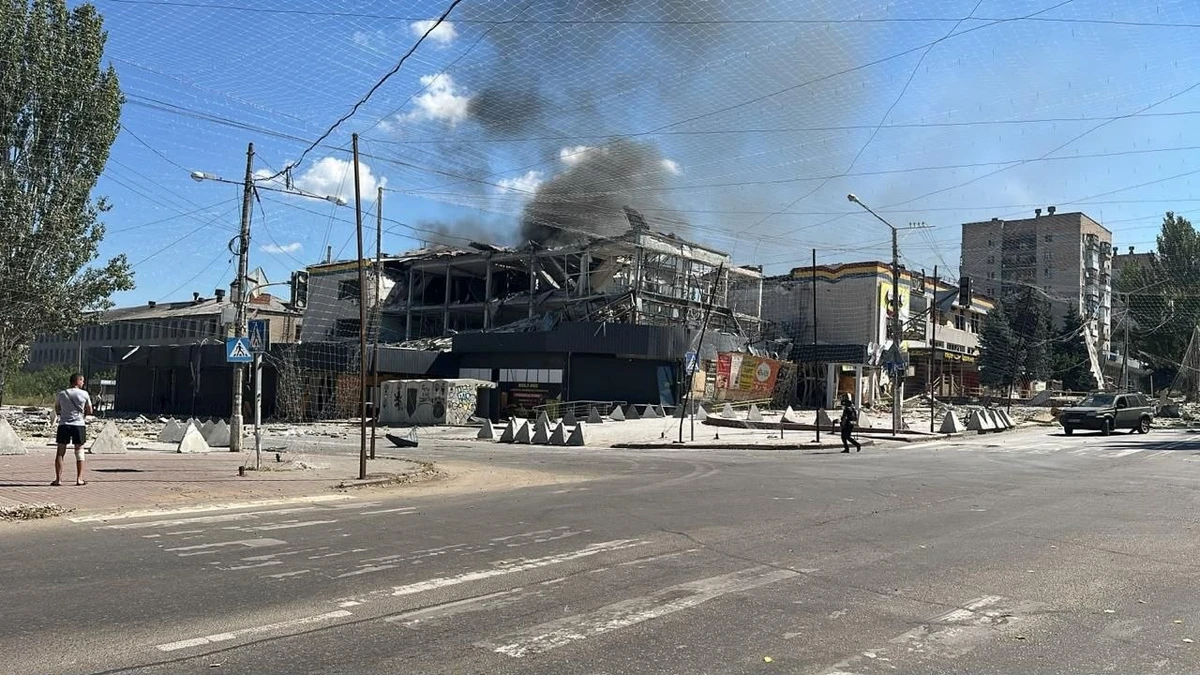
Donetsk Oblast Governor Vadym Filashkin urged residents to evacuate, warning that Russian forces were striking cities in broad daylight.
Ukrainian authorities are looking at firing, suspending Sense Bank’s leadership amid corruption probe
Ukraine has moved to remove the supervisory board head and suspend the CEO of state-owned Sense Bank amid a major corruption investigation involving the bank.
The moves follow searches by the National Anti-Corruption Bureau (NABU) on August 19. Investigators allege that suspects laundered 150 million UAH ($3.4 million) through Sense Bank to pay bail for former Justice and Energy Minister Herman Halushchenko, who is separately accused of money laundering and organized crime in the Energoatom corruption case.
The investigation has also focused on alleged recordings involving Iryna Mudra, Zelensky’s former deputy chief of staff. According to NABU, unidentified individuals from the President’s Office tasked Mudra with bringing Sense Bank under the control of the presidential administration. NABU-published recordings also allegedly show Mudra discussing with former lawmaker Maksym Mykytas and others how to bypass a regulatory block on a payment intended for Halushchenko’s bail, including the possible use of forged documents and an alleged money-laundering operation.
Mudra reportedly told investigators that Timur Mindich, a close associate of Zelensky and a suspect in the Energoatom case, had contacted her and asked her to take over Sense Bank. In the alleged tapes, Mindich is said to have discussed bank officials being ready to deliver cash at the request of an unnamed senior official in the President’s Office. Mindich has denied wrongdoing and fled to Israel before being charged.
The National Bank of Ukraine ruled that Sense Bank supervisory board chairman Mykola Hladyshchenko no longer meets legal independence requirements and ordered the government to terminate his powers. Prime Minister Serhii Koretskyi also said the Cabinet had initiated the suspension of Sense Bank CEO Oleksiy Stupak.
The National Bank has opened a separate review of the bank’s supervisory board, while Sense Bank said it is cooperating with investigators and providing authorities with the requested information.