


the
Russia recruited Ukrainian teenagers to blow up schools and shoot classmates
According to the Security Service of Ukraine (SBU) and police, planned attacks on two schools were prevented in Kirovohrad Oblast and Odesa Oblast, involving minors allegedly recruited by Russia.
According to investigators, the teenagers were recruited via social media and messaging platforms, including Telegram and TikTok, where they received instructions for carrying out attacks.
The SBU said two school students had allegedly been instructed to carry out attacks on their schools. Authorities added that recruitment efforts were linked to a Telegram channel identified as “ETERSSA,” which investigators say targets minors. The suspects were reportedly manipulated through messaging that framed the attacks as serving a “just cause” or personal grievances.
In Kirovohrad Oblast, a 15-year-old student was identified after allegedly receiving instructions to assemble an improvised explosive device. Law enforcement officers intervened before the plan could be carried out. During searches, authorities seized components of an explosive device, a firearm, and electronic devices containing evidence, according to the SBU.
In Odesa Oblast, investigators uncovered a separate case involving an 11-year-old boy at the stage of alleged recruitment. Authorities said operatives planned to send him weapons for use in an attack, but the plot was disrupted early. The SBU also reported that those recruiting the minors allegedly encouraged them to harm themselves afterward, which investigators believe was intended to eliminate witnesses.
The 15-year-old suspect in Kirovohrad Oblast has been charged with preparing a terrorist act, which carries a potential sentence of up to 10 years in prison with confiscation of property. The investigation is ongoing. Ukrainian authorities say they continue to uncover and prevent similar operations targeting both civilian and military sites.
Russian drone attack on Dnipro killed 3 and injured at least 10
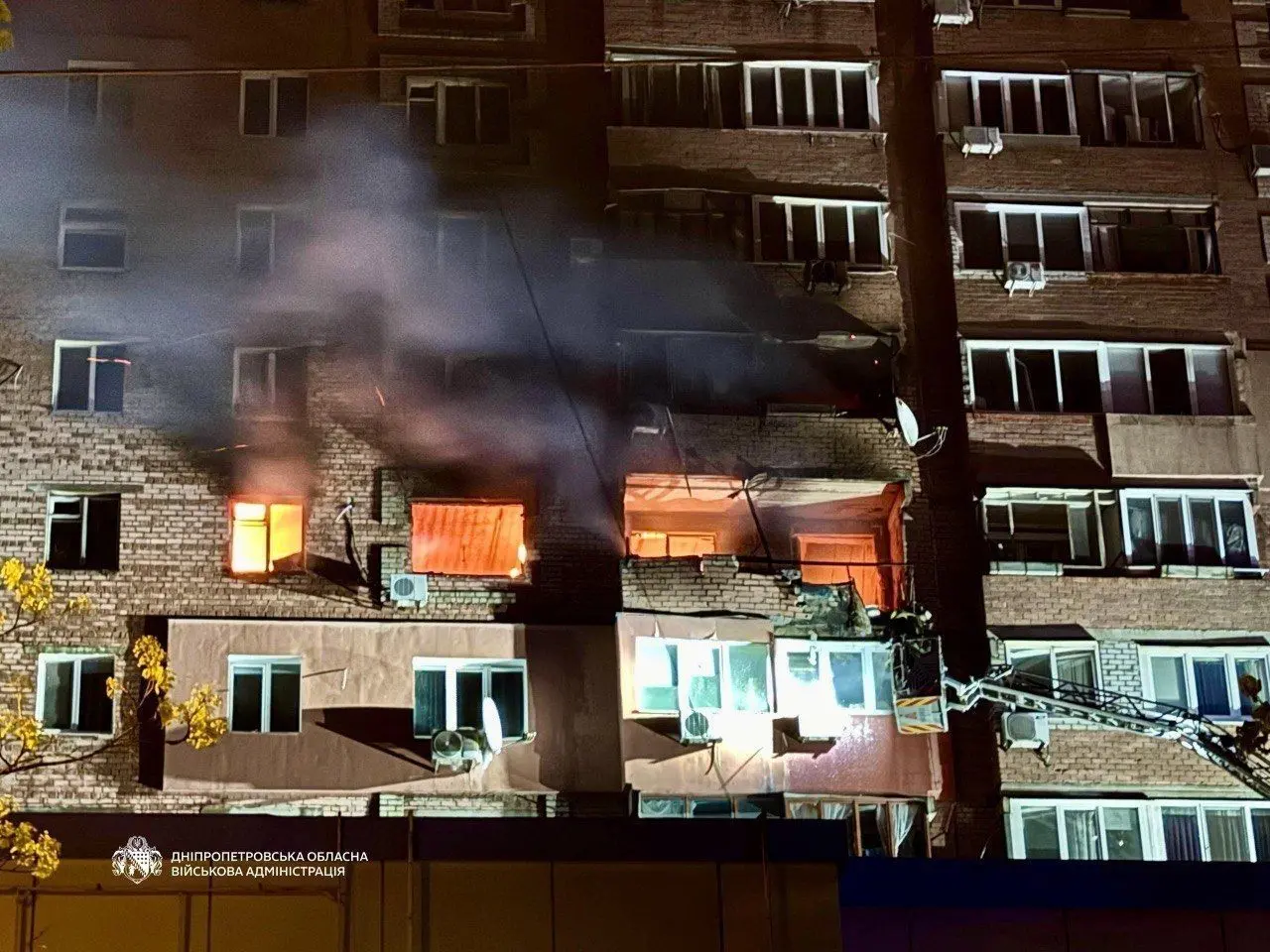
Three people were killed and at least 10 others injured in a Russian drone attack on Dnipro overnight on April 23, the regional governor reported.
Among the injured are two children — girls aged 9 and 14 — who were hospitalized following the strike. Three adults were also taken to the hospital, with doctors assessing all victims as being in moderate condition.
Drone strikes hit residential areas across the city, including a multi-story apartment building. Fires broke out in several districts, with multiple apartments engulfed in flames. Emergency services were deployed to the scene as authorities continued to assess the full extent of the damage and casualties.
Dnipro, located in southeastern Ukraine, has been a frequent target of Russian missile and drone attacks throughout the full-scale war.
Russia uses subsidized mortgages to drive population replacement in Mariupol
Russians make up around 75% of buyers of newly built housing in occupied Mariupol, according to a report published on April 21 by the city council, which has operated in exile since Russia seized the city in 2022.
The report says occupation authorities are continuing large-scale residential construction and selling apartments through mortgage programs. Citing Russian official Sergey Mityagin, it notes that only 25% of buyers are residents of Russian-occupied Ukrainian territories, while the majority come from Russia itself — including Moscow and other regions.
Officials say incentives such as low mortgage rates are being used to attract Russian citizens to relocate. According to Petro Andriushchenko, former advisor to the Mariupol mayor, many of these construction projects are funded by the Russian government, making them heavily promoted within Russia.
At the same time, thousands of residents remain without housing after their homes were destroyed during the siege of Mariupol in 2022 or were later demolished under occupation. The city council estimates that around 18,000 residents still lack permanent housing, while Andriushchenko suggests the real number could be closer to 22,000.
Only a fraction of those affected have been approved for compensation housing, leaving many to rely on relatives, temporary shelters, or abandoned apartments. Residents have repeatedly appealed to occupation authorities for promised housing, but those requests have largely gone unanswered.
Andriushchenko and other officials argue that the policy reflects a broader effort by Russia to reshape the population in occupied territories by encouraging Russian settlement while displacing Ukrainians.
This trend aligns with broader plans reported in pro-Kremlin media to relocate large numbers of Russian citizens to occupied parts of Donetsk Oblast, Luhansk Oblast, Zaporizhzhia Oblast, and Kherson Oblast over the coming decades.
The housing situation has been further complicated by a decree signed by Vladimir Putin in late 2025, allowing occupation authorities to seize properties deemed “ownerless.” In many cases, the original owners fled or were killed during the invasion.
Denis Pushilin, head of the Russian-installed administration in Donetsk Oblast, has said such properties may be redistributed, including to residents who were promised compensation but have yet to receive it.
Ukrainian officials warn that these measures effectively legalize property confiscation and further entrench demographic changes in occupied territories.